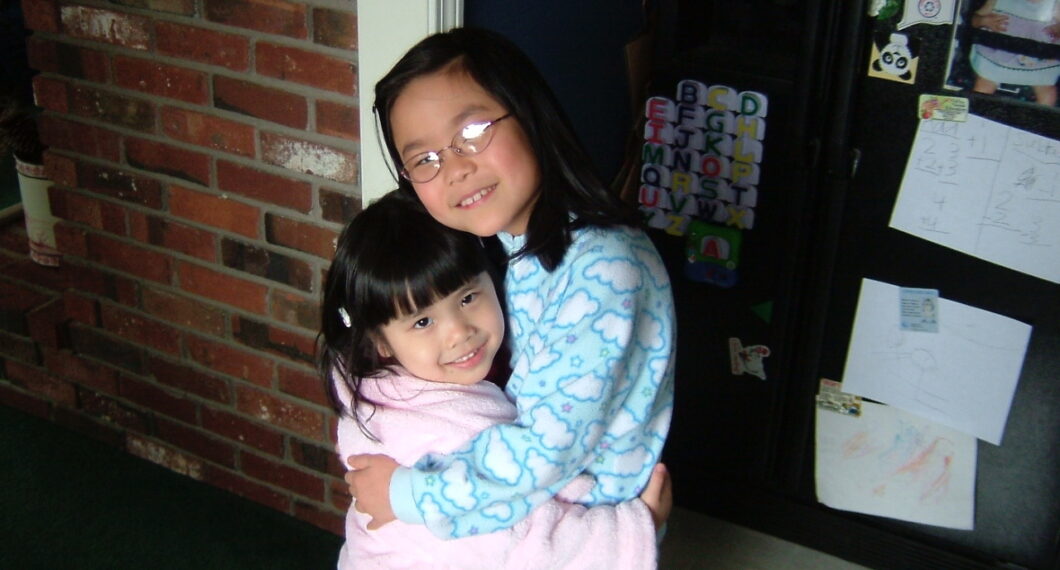
Adopting a child from China is no easy feat, but growing up as a Chinese adoptee proves to be even more difficult. People usually view you as different, leaving a couple of snide remarks and intimidating glares along the way. Today, I will be detailing my experiences with Chinese adoption, the difficulties I have endured, and all of the connections I have made along the way.
Here is everything we will cover about my experience of being an adopted child from China.
- The Trials and Tribulations of Growing Up As a Chinese Adoptee
- So, Where Are Your Parents From?
- You’re Telling Me That There Are Other Chinese Adoptees That Exist?
- Adopting a Child From China: My Takeaways
The Trials and Tribulations of Growing Up As a Chinese Adoptee

It is common for parents who were in the same adoption group and traveled to China together to maintain their connections even after the trip is over. I am pictured here in the bottom right corner in a green shirt and my older sister is standing behind me in a shirt with pink stripes. Two other Chinese girls who were in my adoption group are pictured to the left of me.
Within this past week, I was signing my name on an attendance sheet that one of my professors had put out for students. While I was waiting for another student to finish signing her name, I recognized her from an event that she participated in. I congratulated her on her excellent performance in this event, and she replied back to me, “Thanks, happy birthday by the way!” I was in shock and mostly confused by her comment. I did not respond for a couple of seconds, but I eventually replied, “Thanks!” to her. By the way, my birthday is in mid-December, but it was mid-March. I cannot say this is the first time that this has happened, but it definitely is not going to be the last. When I put two and two together, I realized that she meant to say happy birthday to another Asian girl in my class. After realizing that this was a common occurrence in my life, I noticed that I was desensitized to similar situations and have become accustomed to people calling me the wrong name (because all Asians look the same, right?). Most of the time I just roll with it because it has happened so frequently.
Aside from constantly being mixed up with others of Asian descent, there have also been instances where individuals have made fun of me for my appearance. My fifth-grade classmates would take their fingers and squeeze their eyes together to mimic the shape of Asian eyes. Sadly, this happened on a regular basis. When I was younger, experiences like these used to greatly affect me. Could you blame me? It was challenging to see my own classmates mocking me for something I could not control. Needless to say, I sometimes struggled with my Asian heritage.
So, Where Are Your Parents From?
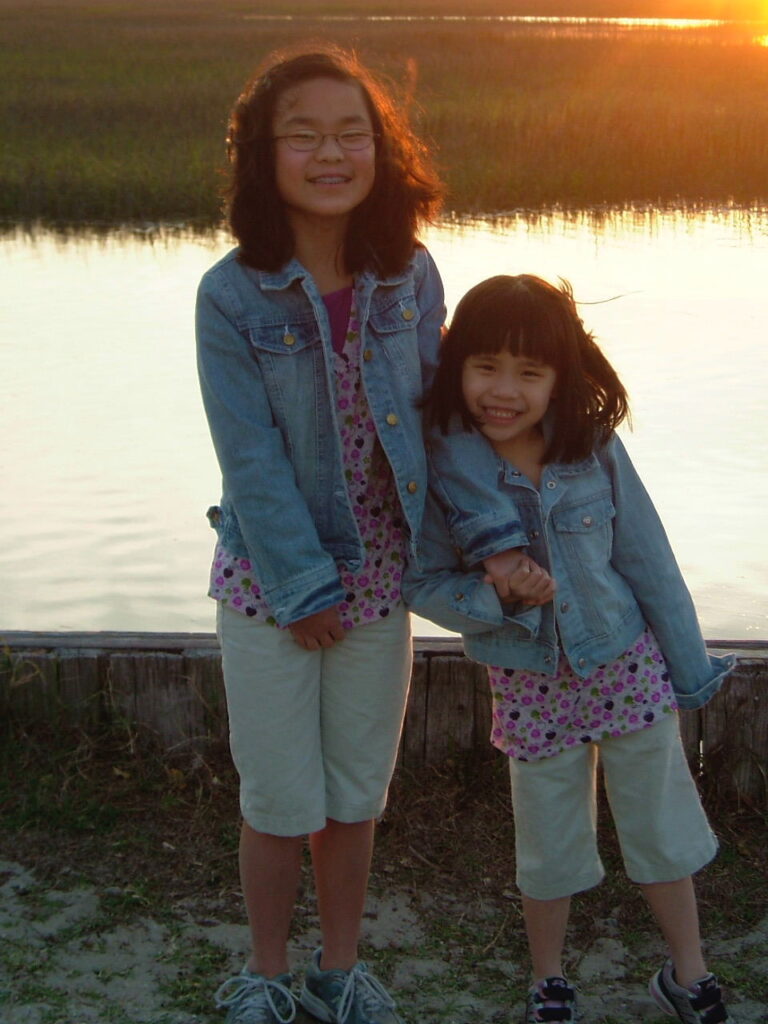
It is quite clear that I am not in any way, shape, or form biologically related to my parents, yet I still receive stares of confusion from classmates and adults among other individuals. I can see the gears in their mind turning, wondering why my hair is black and my parents’ hair is red, why their skin is pale and mine is more yellow, and why my eyes are almond-shaped while theirs are not. As a child, it was definitely hard to watch as other kids looked like carbon copies of their parents, while I looked like I was the furthest thing from mine.
One day in fifth grade, my teacher was explaining some biology concepts in class and we started to discuss the topic of Punnett squares. This, of course, was related to genetics. My teacher had us go around the room and identify the dominant and recessive genes, such as blue or brown eyes, that have been passed down from our parents to us. When it came time for me to answer, I had to say I was unsure. This uncertainty in my life has always been present, but it certainly made it difficult when it came to situations like this. The nature of my family background remains a mystery to this day, but the modern technology and science that have been made available to the public help to provide more clarity. Websites like 23andMe and Ancestry.com have given me, as well as other families who are adopting a child from China, the opportunity to explore our genetic background where we would not have otherwise had the chance to.
For some Chinese adoptees, this is a sensitive topic and can be a painful trigger for them. Oftentimes, they feel ashamed of their adoption story and their unknown heritage. Fortunately, in my experience, I view adopting a child from China from a different perspective. I am grateful for all the wonderful experiences I have been afforded in this new life and consider my adoptive parents my true parents.
You’re Telling Me That There Are Other Chinese Adoptees That Exist?
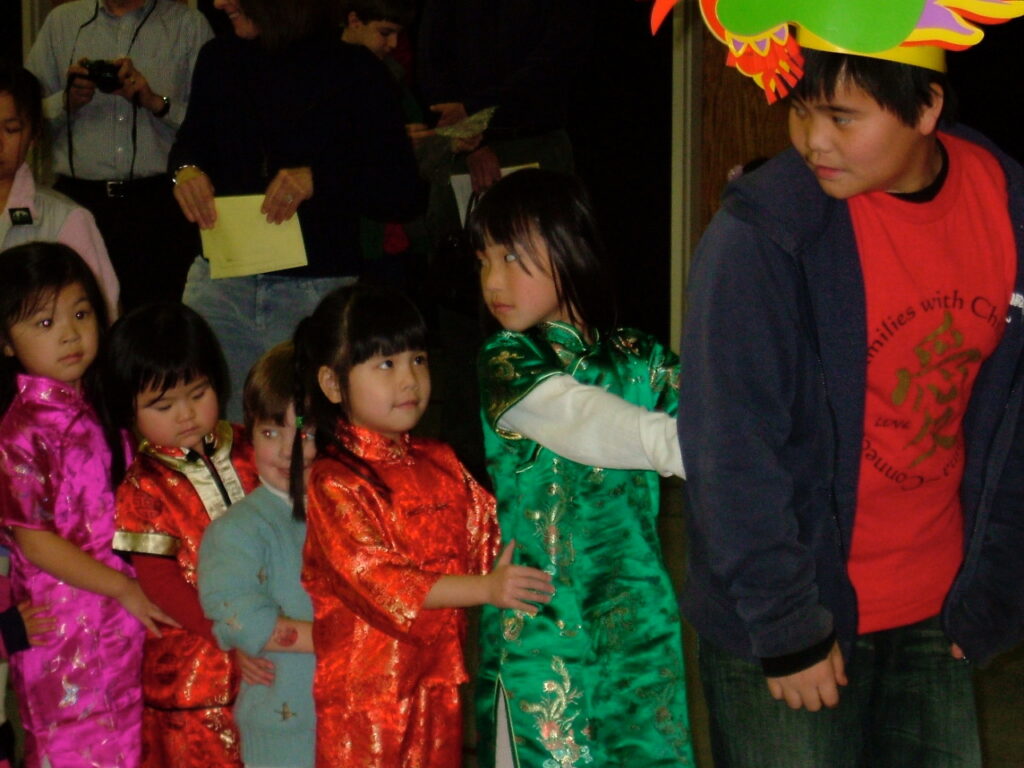
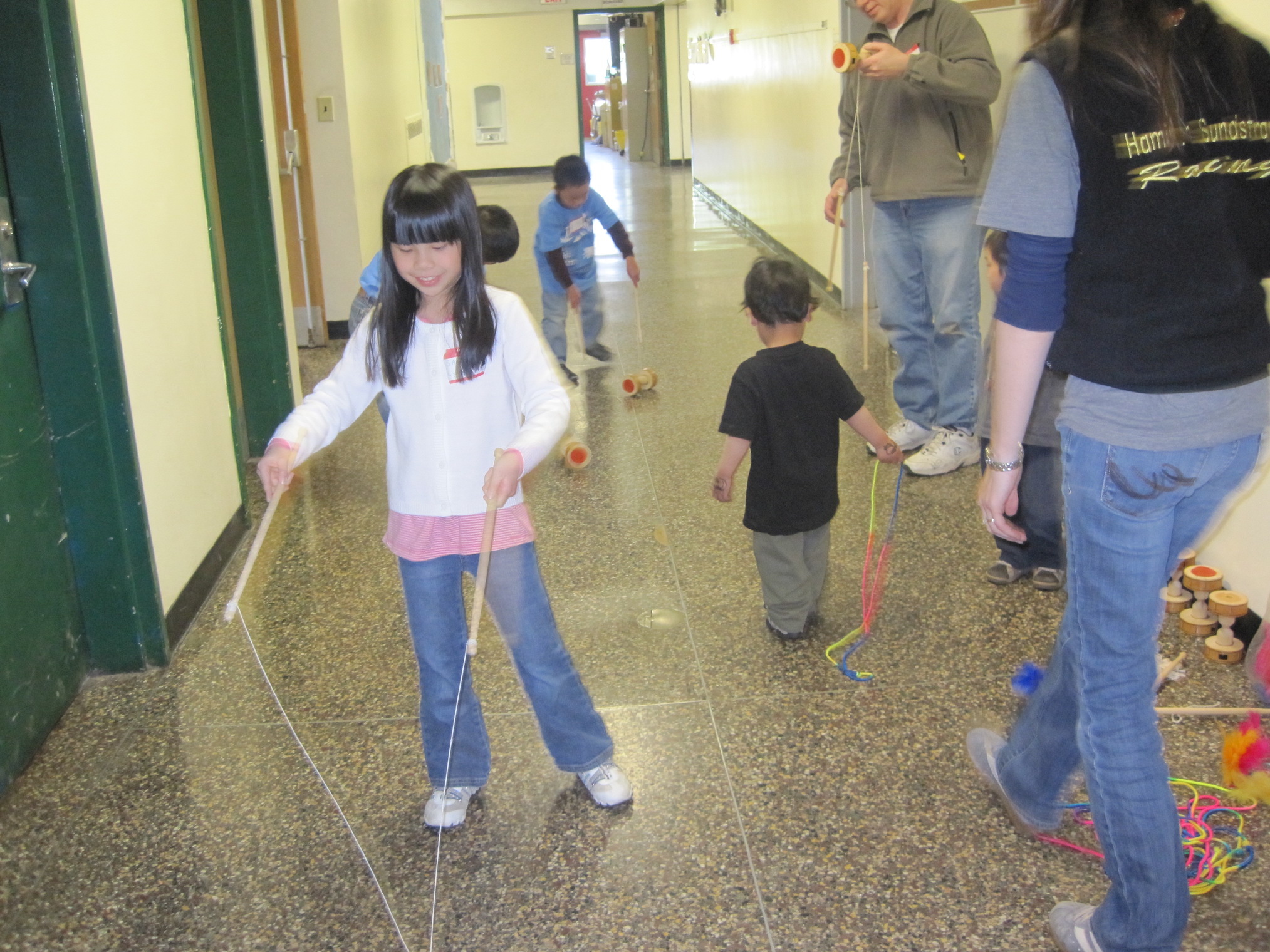
At times, it can seem like there are not many people like you who are in the same situation. Personally, I found comfort in attending the biannual Chinese Adopted Siblings Program for Youth (CASPY) cultural event. This program gives families the opportunity to connect with other families who have gone through the process of adopting a child from China. The daylong event focuses on pairing a “Little Sib,” or younger Chinese adoptee, with a “Big Sib,” or a college student who often has Asian heritage. The “Little Sib” and “Big Sib” participate in various cultural experiences such as writing Chinese calligraphy or eating traditional cuisine.
Through this program, I was able to meet other Chinese adoptees with shared identities. In particular, I met a Chinese adoptee named Alena. We quickly found that we both had interests in fashion, dance, and faith. It was an incredible feeling to be able to find others like myself and enjoy shared activities with them. From that point on, our families became very close and began planning activities together. The beautiful part about this whole experience was that we were able to relate to each other as we grew up with a shared background of being adopted from China.
You see, finding my identity proved to be difficult because I felt like I was a part of both the American and Chinese cultures. On one hand, I was American because I was adopted from China and was growing up in this country. On the other hand, I was Chinese because my genetic background came from China. Eventually, I came to the conclusion that I did not have to choose between the two since I could merge both worlds into one as a Chinese American.
You can learn more about the CASPY program and what its mission is through its website.
Adopting a Child From China: My Takeaways
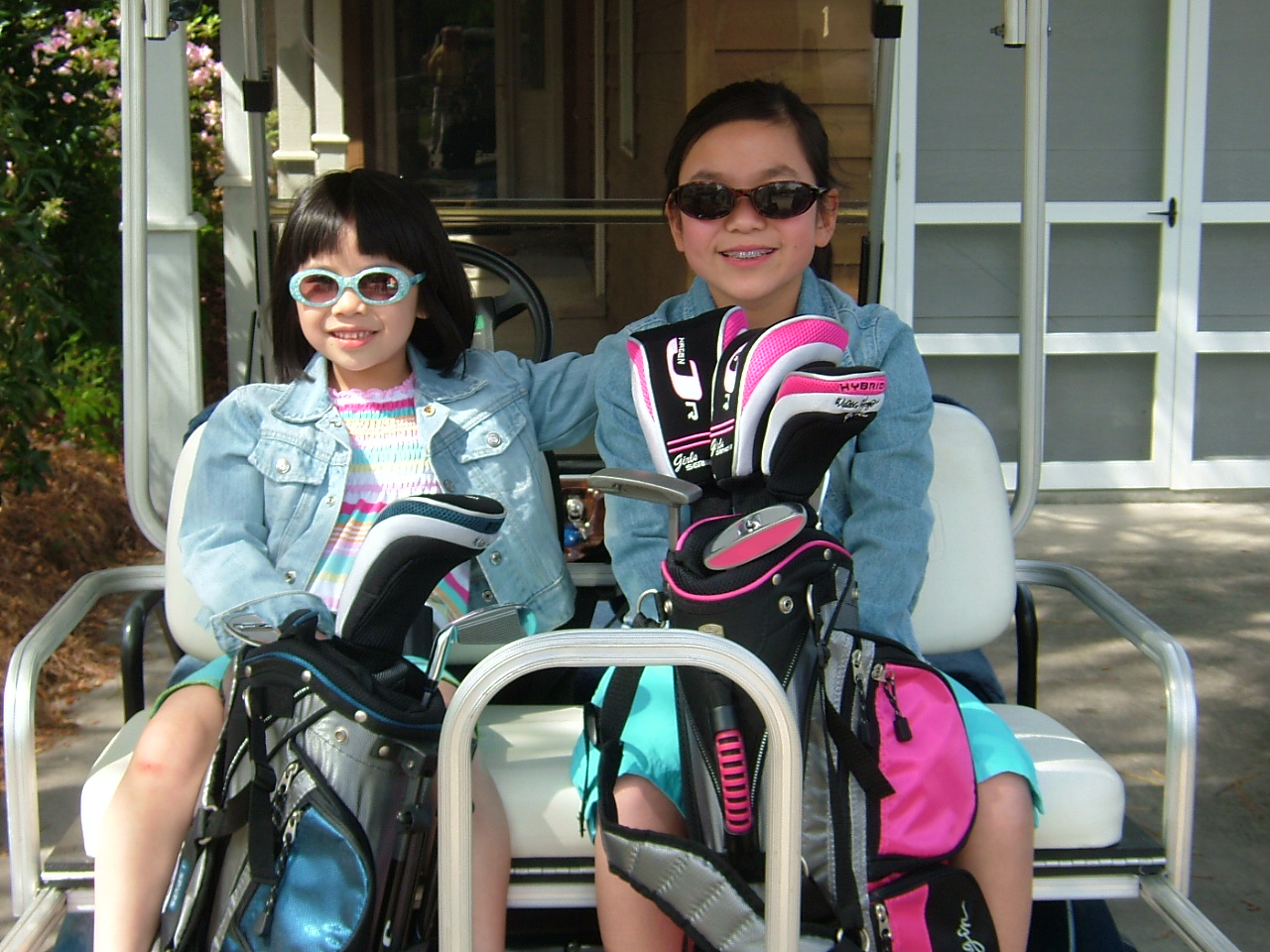
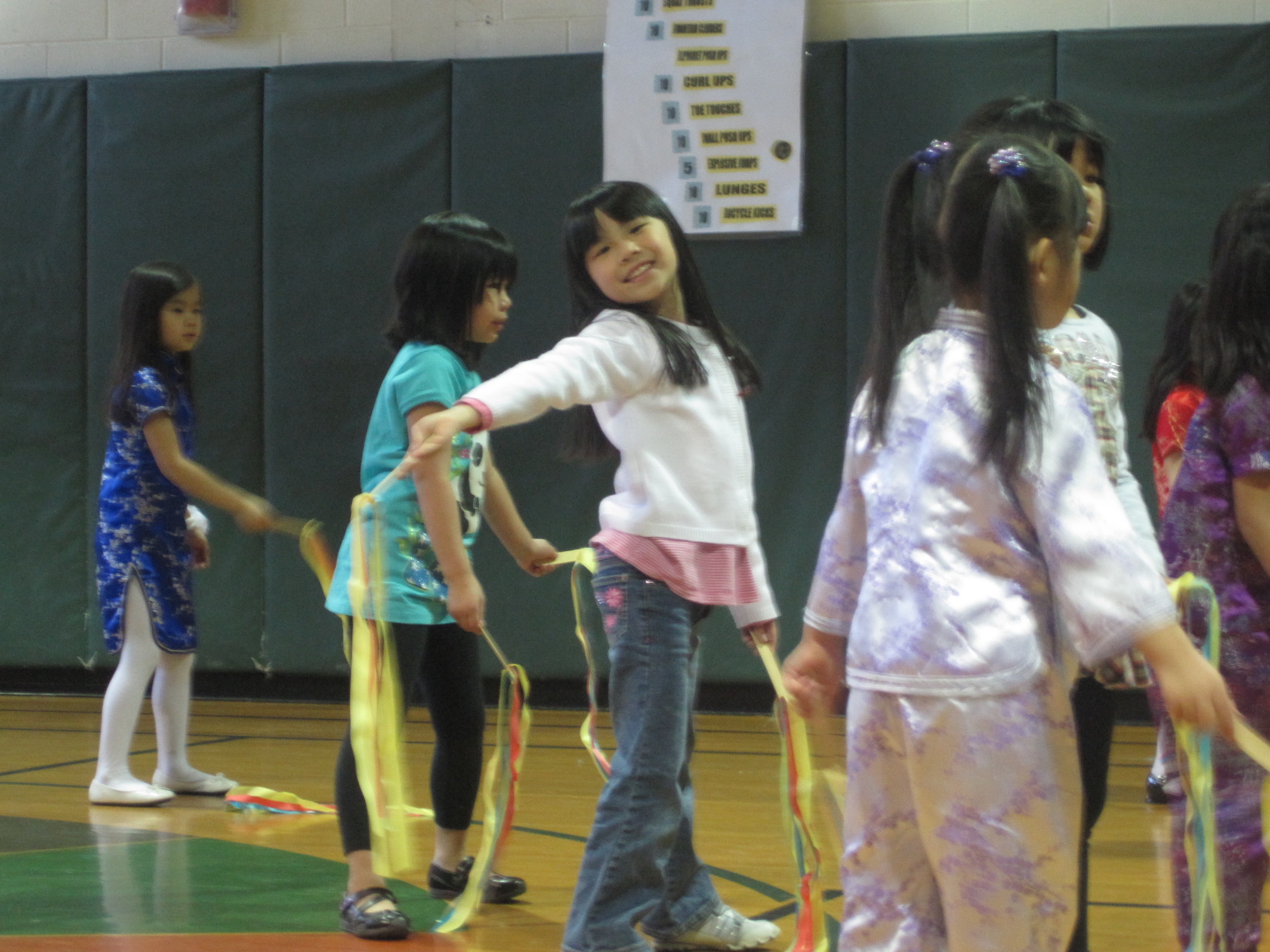
In the end, all of these experiences, for better or for worse, shaped me into the person I am today. I am proud to be afforded the opportunities I never would have had otherwise and am grateful for the loving family I gained in the process. Hopefully, this article about adopting a child from China inspires others to be kinder and more understanding of those who have a different appearance, cultural background, and family history.
Frequently Asked Questions about Adopting a Child From China
Is adoption common in China?
Adoption is common in China due to the one-child policy that was put in place from 1980 to 2015. This policy was an attempt to limit the growth of the population by families only having one child.
How hard is it to adopt a Chinese baby?
There are many rules and regulations that are involved when adopting a Chinese baby. It is a fairly difficult and strenuous process, however, some individuals may find it easier than others.
How old do you have to be to adopt a child from China?
You must be at least thirty-years-old in order to adopt a child from China.