When you think of the world and how it has changed, you probably think that it is changing by itself, as it has always done. However, what we do not realize is that everything is changing incredibly fast, much faster than we expected. Temperatures are increasing, sea levels are rising and snow is melting faster. Some of these things are natural, but a lot of these things happen because of our choices.
- How Humans Contribute to Climate Change
- Why Climate Change is Getting Worse
- How We Can Help The Cause
Environmental Causes
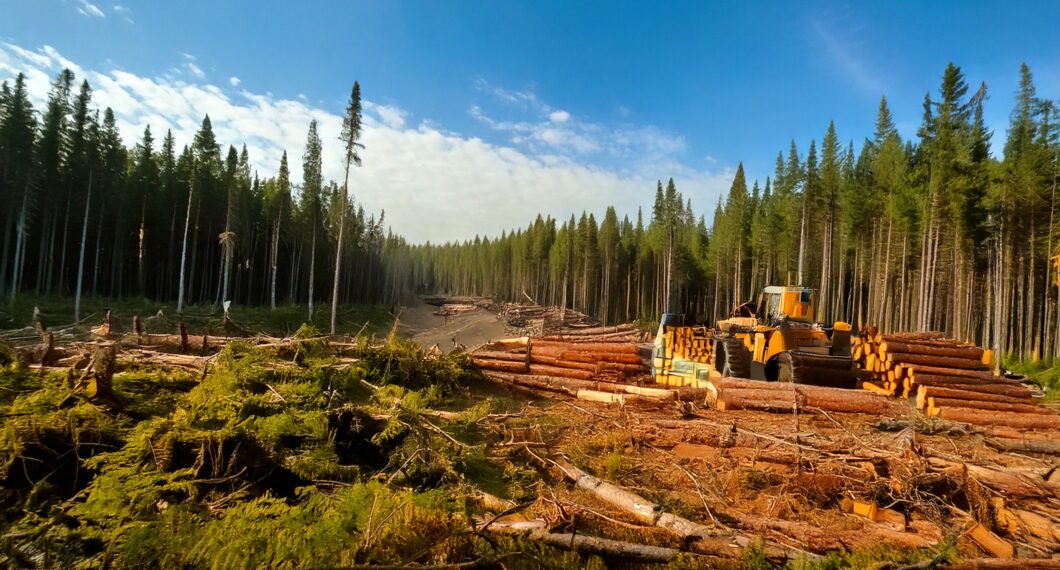
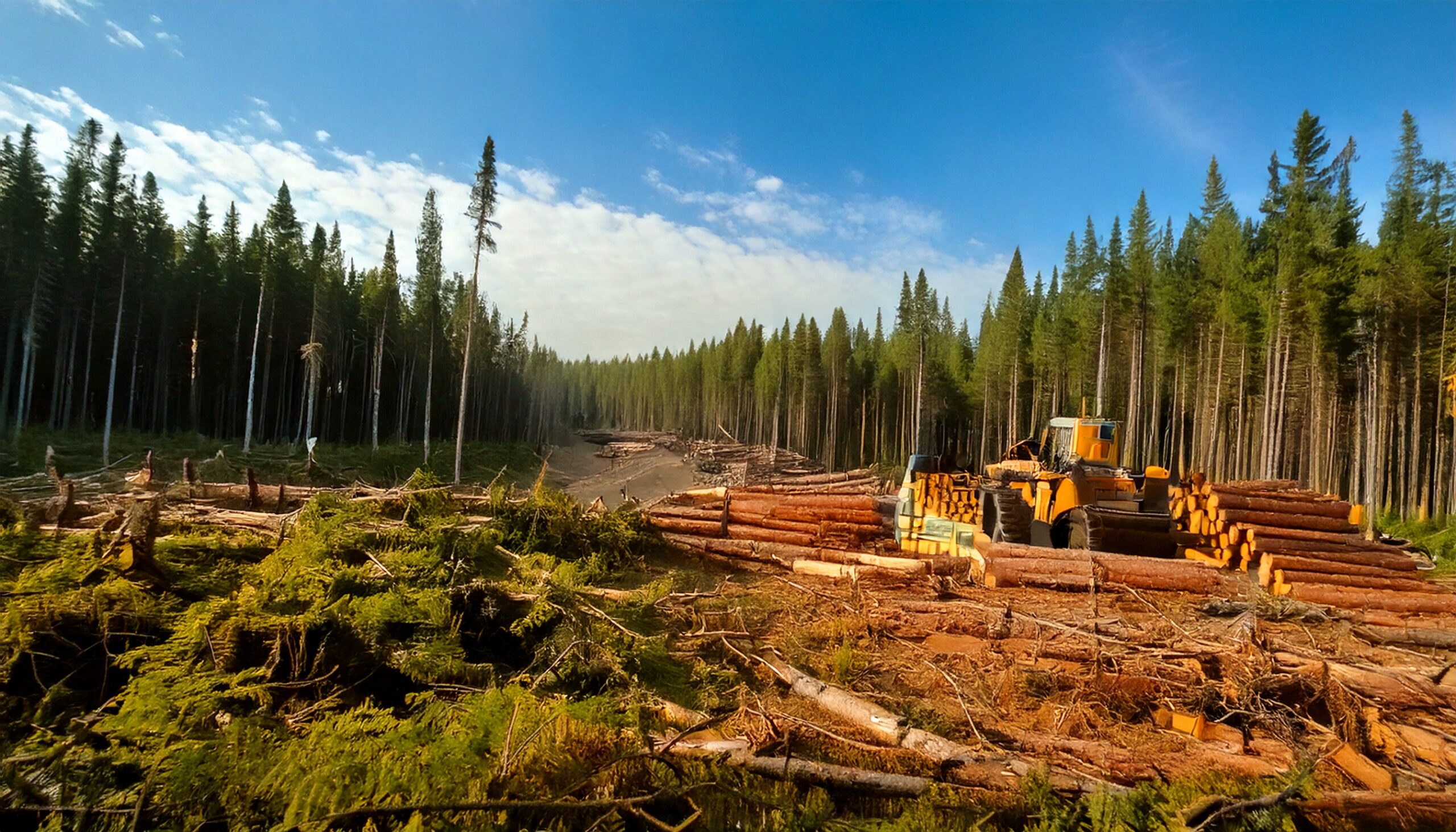
The Natural Resources Defense Council discusses the environmental factors that affect climate change. Jeff Turrentine, an NRDC contributor, speaks on how human causes and the environmental causes of climate change go hand-in-hand. For example, Turrentine discusses how clearcutting is an intense factor in worsening climate change. “In Canada’s boreal forest alone, clearcutting is responsible for releasing more than 25 million metric tons of carbon dioxide each year- the emissions equivalent of 5.5 million vehicles” (Turrentine, NRDC).
The planet we live on changes by itself daily. Weather changes due to small changes in the atmosphere such as tectonic shifts “and even small changes in our orbit” (Turrentine, NRDC). Even the sun changes can change the overall temperature of the earth, but that should be over time, whereas what we are seeing right now is a very sped up version of the natural warming of the earth.
How Humans Contribute to Climate Change
Now, let’s talk about the human-side of things. The biggest problem is what we burn: coal, oil, and gas. These are called fossil fuels. When we burn them for energy, like to drive cars or turn on lights, they release gases into the air. These gases act like a blanket, trapping heat and making the Earth warmer. “Our ways of generating power for electricity, heat, and transportation, our built environment and industries, our ways of interacting with the land, and our consumption habits together serve as the primary drivers of climate change” (Turrentine, NRDC).
Imagine you’re wearing a thick blanket on a hot day. That’s what these gases are doing to our planet. It’s making it hotter than it should be. This is called the greenhouse effect.
We also cut down a lot of trees. Trees are like the Earth’s lungs. They take in a gas called carbon dioxide, which is another one of those heat-trapping gases. When we cut down trees, we lose those lungs. And when we burn those trees, even more of that gas goes into the air. Carbon dioxide is 50% higher now than it was before the Industrial Revolution per The National Oceanic and Atmospheric Administration.
Why Climate Change is Getting Worse
You might be wondering, “If we know this, why is it getting worse?” It’s because we’re still doing a lot of the same things. We are aware of our bad habits, but do not make an effort to change what we are doing. More and more people are living on Earth, and we’re all using more energy than ever before. We’re building more factories, driving more cars, and eating more food that takes a lot of energy to make. “We are using more water during hot weather, especially for agriculture. Much like we sweat more when it is hot out, hot weather causes plants to lose, or transpire, more water. Then, farmers must give their crops more water” (NOAA).
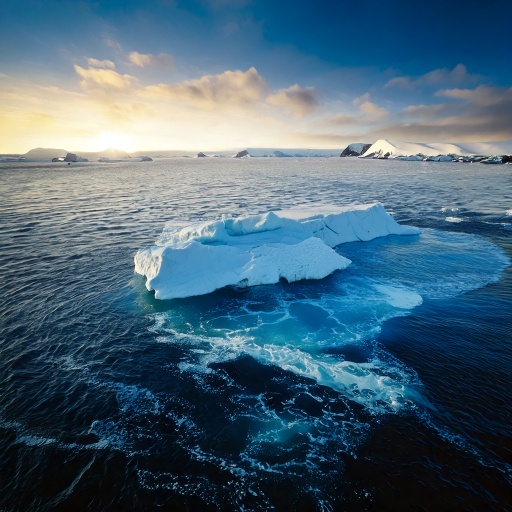
Also, the Earth itself is starting to react. For example, as the ice in the Arctic melts, it exposes darker ocean water. Darker water absorbs more heat than ice, which makes the Earth even warmer. This is called a feedback loop, and it’s making climate change happen even faster. The NOAA says that the Arctic loses an average of 31,100 square miles of sea ice per year, which only emphasizes the fact that climate change is progressing faster than we can keep up with.
How We Can Help the Cause
We’re all in this together, and we can all make a difference. It starts with small changes. Think about how you get around. Could you walk or ride a bike instead of driving? Could you carpool or take a form of public transportation to limit the use of gas? Could you turn off lights when you leave a room? These little things add up.
We can also talk to the public about climate change. The more people know, the more people can help. And we can tell our leaders that we want them to make changes too. We can ask them to use more clean energy, like solar and wind power.
“We can get these numbers down, but we need large-scale investments to get more zero-emission vehicles on the road and increase access to reliable public transit” (Turrentine, NRDC). It’s easy to feel scared when we think about climate change. But we don’t have to give up. We can make a difference. We can choose to make changes in our lives. We can choose to help our planet.
Remember, the Earth is our home. We need to take care of it. We need to work together to slow down the changes and make our planet a better place for everyone. It is up to us to take charge and make change happen.
Conclusion
The world is changing, and it’s changing fast. While natural things play a role, we know that human activities are the biggest cause. And because we continue to perform those activities, and because of natural feedback loops, the problem is getting worse.
But here’s the good news: we can make a difference. We can choose to make changes in our lives. We can choose to help our planet. It starts with small steps, like turning off lights and walking more. “One way to reduce the industrial sector’s carbon footprint is to increase efficiency through improved technology and stronger enforcement of pollution regulations” (Turrentine, NRDC). And it grows to big steps, like talking to our leaders and choosing clean energy. Together, we can make a difference. Together, we can protect our home.