Table of Contents
- Introduction
- My Journey as a Creator: From Film to Digital
- Technical Foundations: Understanding LLMs and NLP in Content
- Generative AI in My Workflow: Efficiency vs. Creative Soul
- Human vs. AI Content: A Direct Comparison
- Ethics and AI Art: Dilemmas and Practical Realities
- Risks, Controversies, and the Human Touch
- Evolving with AI: My Perspective on the Future
- Frequently Asked Questions (FAQs)
- Conclusion: What is the Role of Generative AI in Content Creation?
Key Takeaways
- Efficiency vs. Artistry: Generative AI is a powerful tool for workflow optimization but cannot replace the “human touch” in creative storytelling.
- Economic Realities: Small creators face a moral dilemma between the affordability of AI and the desire to support human artists.
- Environmental Cost: Beyond carbon, the massive water consumption required to cool data centers is a critical ethical consideration.
- Platform Regulation: Major platforms like YouTube are actively filtering “AI slop” to prioritize authentic, human-led content.
What is the role of generative AI in content creation?
In an era increasingly shaped by artificial intelligence, the question of what is the role of generative AI in content creation has become a focal point for creators, technologists, and audiences alike. This technology promises to revolutionize workflows, unlock new creative possibilities, and even challenge our fundamental understanding of artistry. As a filmmaker and independent content creator, I have navigated this evolving digital landscape, gaining firsthand experience with these tools. My journey offers unique insights into the practical applications, ethical dilemmas, and future trajectory of AI in the creative sphere.
While the corporate world often views AI through the lens of “content scaling” and “personalization at scale,” the reality for independent creators is far more nuanced. We are caught between the immense productivity gains offered by these technologies and a deep-seated commitment to authentic human expression. Whether you are a student exploring new technologies or a professional looking to build a personal brand from scratch, understanding this balance is essential for long-term success.
My Journey as a Creator: From Film to Digital
My background provides a unique perspective on the intersection of art and technology. With a Bachelor’s degree in Film and Theater, I began my professional career in 2018, specializing in wedding cinematography through my company, AEB Films LLC. This experience quickly grew, leading me to produce over 25 wedding films annually. Beyond weddings, I have worked on music videos, short films, and served as cinematographer for an independent feature film. You can view examples of my work on my AEB Films YouTube channel.
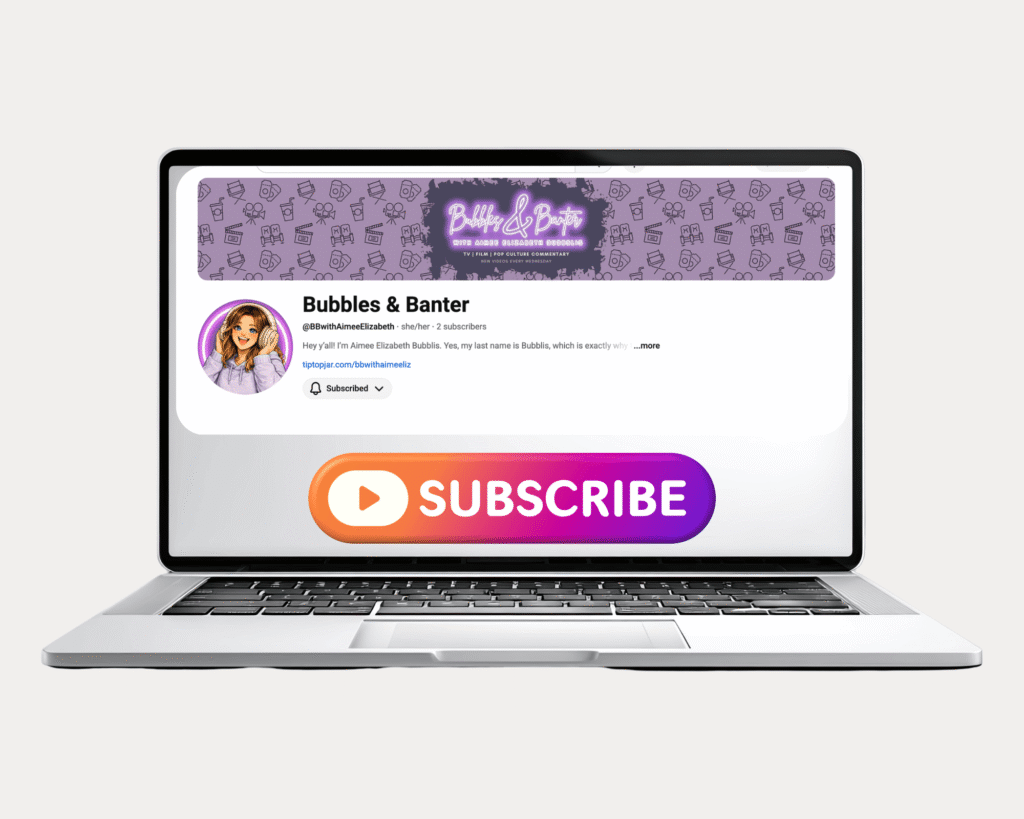
More recently, I transitioned into the dynamic world of YouTube and social media. I successfully grew my personal TikTok account to approximately 26,000 followers by sharing personal journeys. This shift reflects a desire for greater creative control and a passion for producing content that resonates and provides value to an audience. For those looking to follow a similar path, it is worth learning how to become a successful content creator on platforms like Instagram, as the core principles of engagement remain universal across the digital landscape. This blend of traditional filmmaking rigor and modern digital content strategy shapes my view on the role of generative AI in content creation.
Technical Foundations: Understanding LLMs and NLP in Content
To truly understand the role of generative AI in content creation, one must grasp the underlying technology. Most modern AI tools for creators are built upon Large Language Models (LLMs) and Natural Language Processing (NLP). NLP is the field of AI that enables machines to understand, interpret, and generate human language [2]. LLMs, such as GPT-4 or Claude, are types of NLP models trained on vast datasets, allowing them to predict and generate contextually relevant text based on a user’s prompt. For a deep dive into how these models function, researchers often point to the foundational principles of transformer architectures which power today’s generative tools.
In the context of visual arts, generative models like DALL-E or Midjourney utilize diffusion models to translate text prompts into complex imagery. These systems do not “understand” art in the human sense; rather, they identify patterns and structures within their training data to produce a statistical approximation of the requested output. For creators, this means AI is an incredibly sophisticated pattern-matching engine that can assist in ideation and drafting, but it lacks the intentionality and emotional depth of a human artist. Understanding these technical constraints of LLMs is vital for setting realistic expectations in the creative process.
Generative AI in Workflow: Efficiency vs. Creative Soul
My personal engagement with generative AI tools began about a year ago, primarily through digital marketing courses. I quickly recognized their utility in platforms like Canva and Adobe Lightroom. In Canva, Magic Studio has been instrumental for sourcing media for my digital products, offering a significant advantage over limited stock photo libraries. It allows me to create highly specific visual assets that perfectly match my vision, directly addressing the challenge of finding unique and tailored visuals. This showcases a clear benefit of generative AI in content creation.
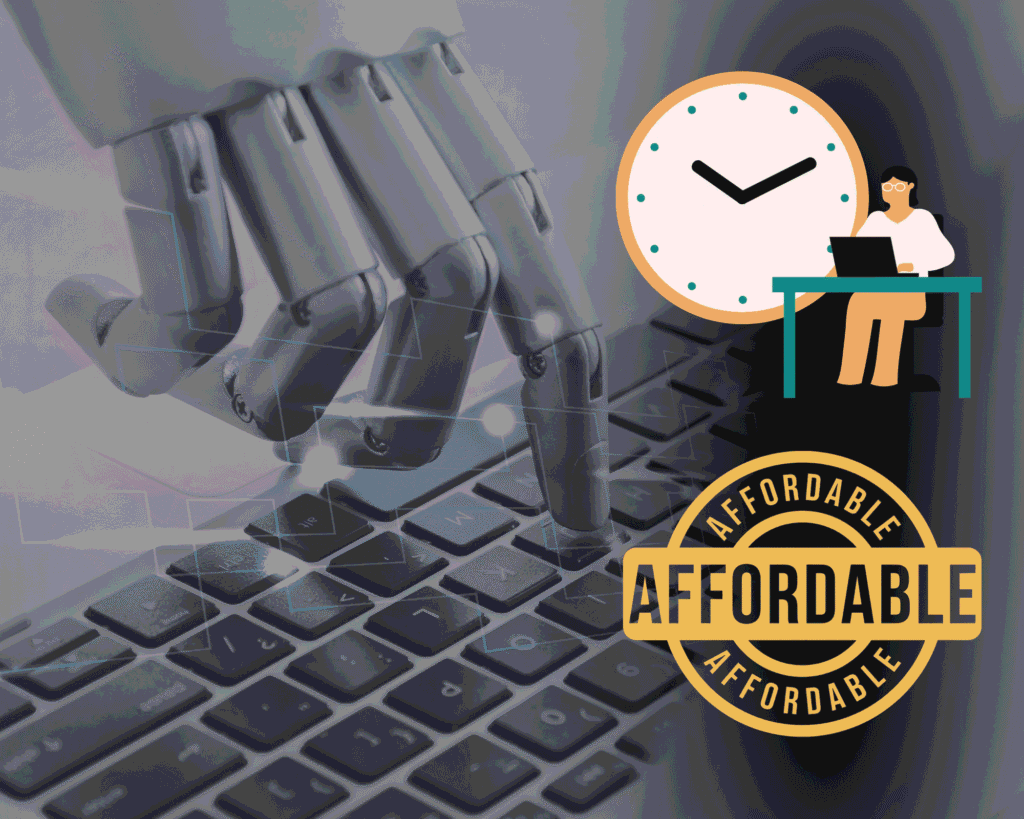
Adobe Lightroom’s Generative Remove features, especially for object removal, have been a significant asset for my photography workflow. Removing unwanted objects from images, a task that used to take up to 10 minutes per photo in Photoshop, is now drastically faster. This is a prime example of AI acting as a tool for efficiency, not a replacement for my creative input. My experience has shown that generative AI primarily enhances the efficiency of my work, allowing me to focus on the broader narrative rather than the minutiae of technical correction. For students and creators looking to optimize their workflow further, exploring a comprehensive guide to the best AI tools can provide additional resources for academic and professional growth.

Human vs. AI Content: A Direct Comparison
To help visualize the role of generative AI in content creation, the following table compares the strengths and weaknesses of human-led versus AI-assisted workflows.
| Feature | Human-Led Content | AI-Assisted Content | Fully AI Content |
| Emotional Depth | High: Rooted in personal experience. | Moderate: Guided by human intent. | Low: Statistically derived patterns. |
| Production Speed | Slow: Limited by human capacity. | Fast: Streamlined by AI tools. | Instant: Automated generation. |
| Uniqueness | High: Unique “Je ne sais quoi.” | Moderate: Hybrid approach. | Low: Often derivative of training data. |
| Cost | High: Investment in human talent. | Moderate: Tool subscriptions. | Low: Minimal overhead. |
Ethics in AI Art: Dilemmas and Practical Realities
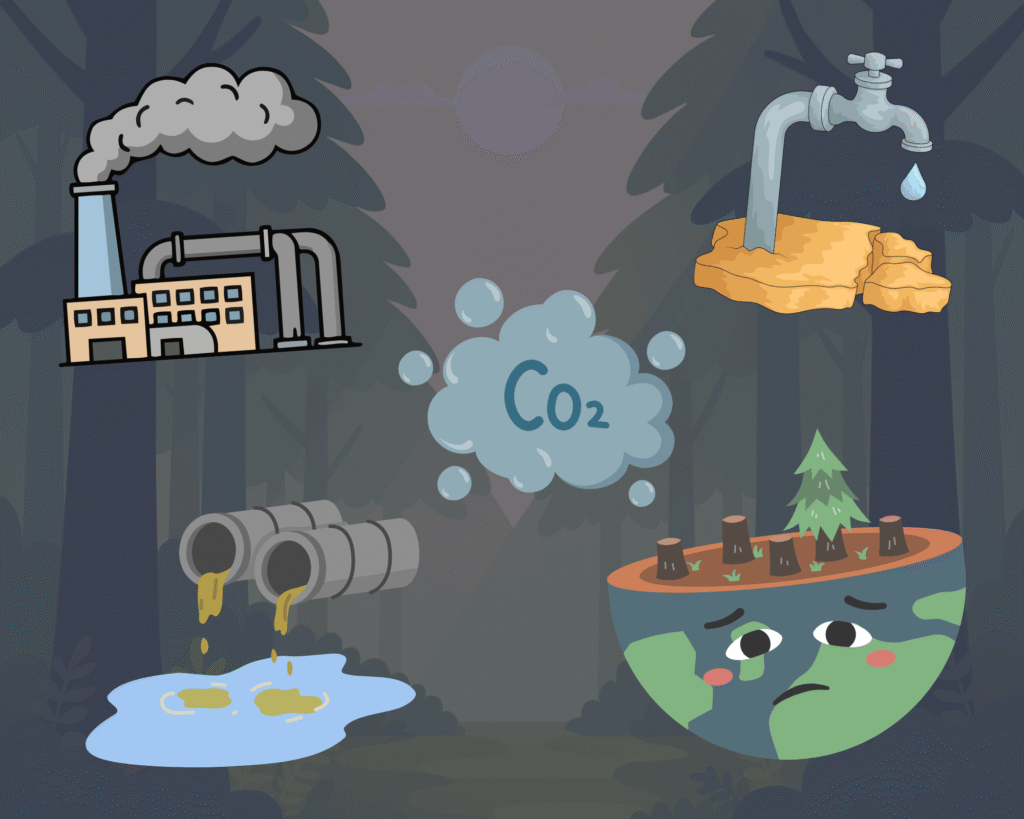
My journey with generative AI has brought to light significant ethical dilemmas and practical realities. One of the most pressing concerns for me is the environmental impact of generative AI. Beyond the electricity demands often cited in reports on data center carbon footprints, there is a critical and growing issue regarding water and energy consumption. Massive amounts of fresh water are required to cool the data centers that process AI requests, with some estimates suggesting that AI queries could consume billions of gallons annually [3]. This “data drain” is a critical ethical consideration for any creator prioritizing sustainability.
As a creative professional, I inherently value and wish to support fellow human artists. Human editors can cost $50-$150 per hour, whereas AI tools provide exponentially higher ROI for basic tasks [4]. For instance, while I would prefer to hire a human artist for specific visual assets for my YouTube channel, but the current stage of my business growth sometimes necessitates using AI-generated options due to a tight expense budget. This creates a moral tension: leveraging AI for cost-effectiveness versus the desire to invest in human talent. This practical reality underscores a broader challenge within the creative industry, where economic pressures can inadvertently push creators towards AI solutions, even when their moral compass points to human collaboration.

Risks, Controversies, and the Human Touch
Beyond the personal ethical dilemmas, I perceive broader risks and controversies surrounding generative AI in the creative industry. The most significant for creatives is the potential for devaluing true artistry and displacing skilled professionals who have dedicated years to mastering crafts like editing, cinematography, storytelling, and visual effects. While I believe AI may never fully replace human artistry due to its inherent lack of a “human touch” and creative spark, I do anticipate a reduction in the demand for human artists. This concern is not merely theoretical; it is a tangible threat to the livelihoods of many in the creative sector.
My personal stance is firmly against producing fully AI-generated content. I find such an approach disingenuous to my identity as a creative professional. I am committed to using AI as a tool to enhance efficiency in non-creative tasks, thereby allowing more time for genuine artistic expression. The controversy surrounding allegations of AI use in the Stranger Things series finale serves as a poignant example of how even the suspicion of AI involvement can spark backlash and devalue the perceived emotional investment of artists. This cultural touchstone reinforces my commitment to maintaining the human element in my work.
Evolving with AI: My Perspective on the Future
Looking ahead, I envision a future where the relationship between human creators and generative AI continues to evolve. My strong hope is that AI will remain a tool rather than a replacement for human creativity. I firmly believe that the “human touch” will not be devalued or drowned out by AI content. Evidence from platforms like YouTube, which has publicly stated its intention to crack down on “AI slop” and low-quality AI-generated content, suggests a growing recognition of the unique value human creators bring [1]. Platforms are adapting to maintain content quality and authenticity, which is a positive sign for human artists.
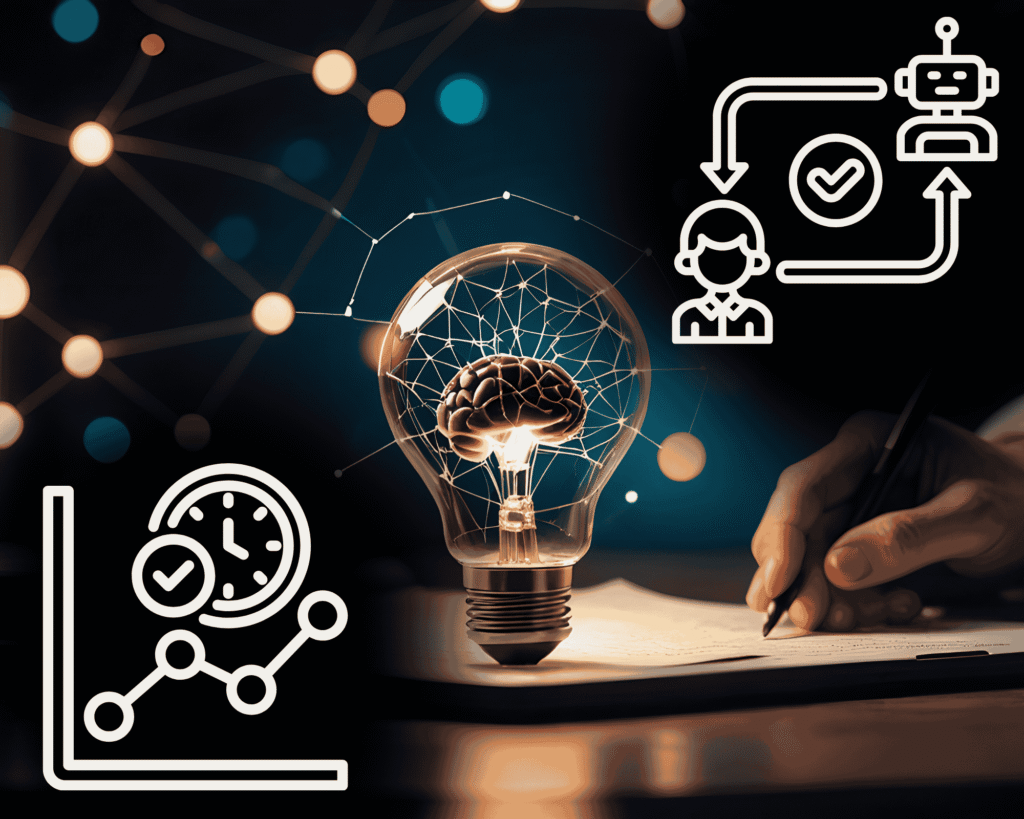
My advice to fellow filmmakers and creators is: embrace AI as a tool to enhance efficiency, not to replace your artistic voice. The philosophy is that while AI can provide knowledge and structure, it is the human emotion and unique perspective that truly resonate with audiences. AI, in my view, will never have that je ne sais quoi that humans bring to the table when it comes to artistry in this form. This approach encourages creators to leverage AI’s capabilities while steadfastly maintaining their authentic creative identity, defining a balanced role of generative AI in content creation.
Frequently Asked Questions (FAQs)
What is the role of generative AI in content creation?
Generative AI plays a supporting role in content creation by enhancing efficiency, assisting with ideation, and automating repetitive tasks. However, it does not replace human creativity, emotional depth, or storytelling, which remain essential for authentic and engaging content.
What are the main ethical concerns with AI art?
Generative AI plays a supportive role in content creation by helping creators work more efficiently. It can assist with ideation, drafting, editing, and producing visual assets, allowing creators to save time on repetitive tasks. However, it does not replace the human elements of storytelling, emotion, and originality, which are essential for meaningful and engaging content.
How do LLMs and NLP impact content creators?
The main ethical concerns surrounding AI art include copyright issues, a lack of credit to original artists, and the potential devaluation of human creativity. There are also growing concerns about the environmental impact of AI, particularly the energy and water required to power data centers. These challenges highlight the need for responsible and ethical use of AI tools in creative industries.
Is AI-generated content regulated on platforms like YouTube?
Yes, platforms like YouTube are beginning to take steps to regulate AI-generated content. There is a growing focus on reducing low-quality or misleading “AI-generated” content and prioritizing authentic, human-driven material. While policies are still evolving, this shift reflects a broader effort to maintain content quality and trust across digital platforms.
How can I use AI without losing my “creative soul”?
You can use AI without losing your creative identity by treating it as a tool rather than a replacement. AI works best when it enhances efficiency, such as speeding up editing or generating ideas, while you remain in control of the creative direction. By focusing on your unique perspective, emotions, and storytelling, you can maintain authenticity while still benefiting from what AI has to offer.
Conclusion: What is the role of generative AI in content creation?
My insights offer a compelling perspective on what is the role of generative AI in content creation. It is clear that while AI presents incredible opportunities for efficiency and innovation, it also brings forth critical questions about ethics, authenticity, and the future of human artistry. My prevailing sentiment is one of cautious optimism: generative AI, when wielded as a tool to augment human creativity rather than replace it, can empower creators to focus on what truly matters—the unique, emotional, and deeply human elements that resonate with audiences. As the landscape continues to evolve, the ability to discern, adapt, and integrate AI thoughtfully will be paramount for creators navigating this new frontier.
References
[1] Di Placido, D. (2026, January 23). YouTube To Use AI To Fight ‘Low-Effort’ AI Slop. *Forbes*.
[2] IBM. (2024). What is Natural Language Processing?
[3] EESI. (2025, June 25). Data Centers and Water Consumption.
[4] ShortVids. (2026). AI Editing Services vs Human Editors in the USA.


