
Expertise Matters: This guide is authored by a 2x Big Ten place winner, 3x NCAA D1 Qualifier, and multi-time Academic All-American who wrestled at Rutgers University. Balancing the physical toll of elite wrestling with the rigors of two master’s degrees, he offers a battle-tested perspective on thriving under pressure.
The highlight reels rarely show the 5:00 AM weight cuts, the frantic library sessions between practices, or the crushing weight of expectation that comes with being a scholarship athlete. For those in the arena, the most vital skill isn’t a faster sprint or a better takedown—it’s mastering how to manage stress as a student athlete. When your sport becomes a full-time job, your mental health is the engine that keeps the entire machine running.
What’s Inside
- The ‘Job’ of Elite Athletics: A Big Ten Perspective
- Debunking the ‘Tough Guy’ Myth & Grind Culture
- The 5-Step Blueprint for Mental Resilience
- Recovery Science: Why Rest is a Performance Metric
- The Support Pillar: A Guide for Parents and Coaches
- Case Study: From Burnout to a #7 National Ranking
- Frequently Asked Questions
The ‘Job’ of Elite Athletics: A Big Ten Perspective
In the Big Ten—widely regarded as the toughest wrestling conference in the country—the sport isn’t just an extracurricular activity; it’s a career. Summers are spent on campus training, and the hectic schedule leaves little room for a traditional social life. The demand to compete at a high level turns your passion into a job where every performance on the mat dictates your future opportunities, and every grade in the classroom determines your career path for life. For more practical tips on navigating this high-pressure environment, check out 4 Simple Ways to Reduce Stress for College Athletes: A D1 Swimmer’s Guide.
THE DATA ON OVERWHELM
A 2025 NCAA survey found that 30% of student-athletes report feeling extremely overwhelmed, with academic pressure cited as a primary stressor [1]. For elite wrestlers, the anticipatory cortisol levels before a match are significantly higher than in other sports, making mental management a literal biological necessity [8].
Debunking the ‘Tough Guy’ Myth & Grind Culture

In wrestling, there’s a deep-seated expectation to carry a “tough guy” mentality. You’re taught to hide your feelings, never show weakness, and “embrace the suck.” While mental toughness is essential, the idea that you should “just push through it” without addressing the underlying stress is a dangerous myth. Early in his career, our expert followed this mindset, leading to a “breaking point” freshman year where performance on the mat and in the classroom plummeted simultaneously. Understanding why are mental health days important is a critical step in preventing this kind of burnout.
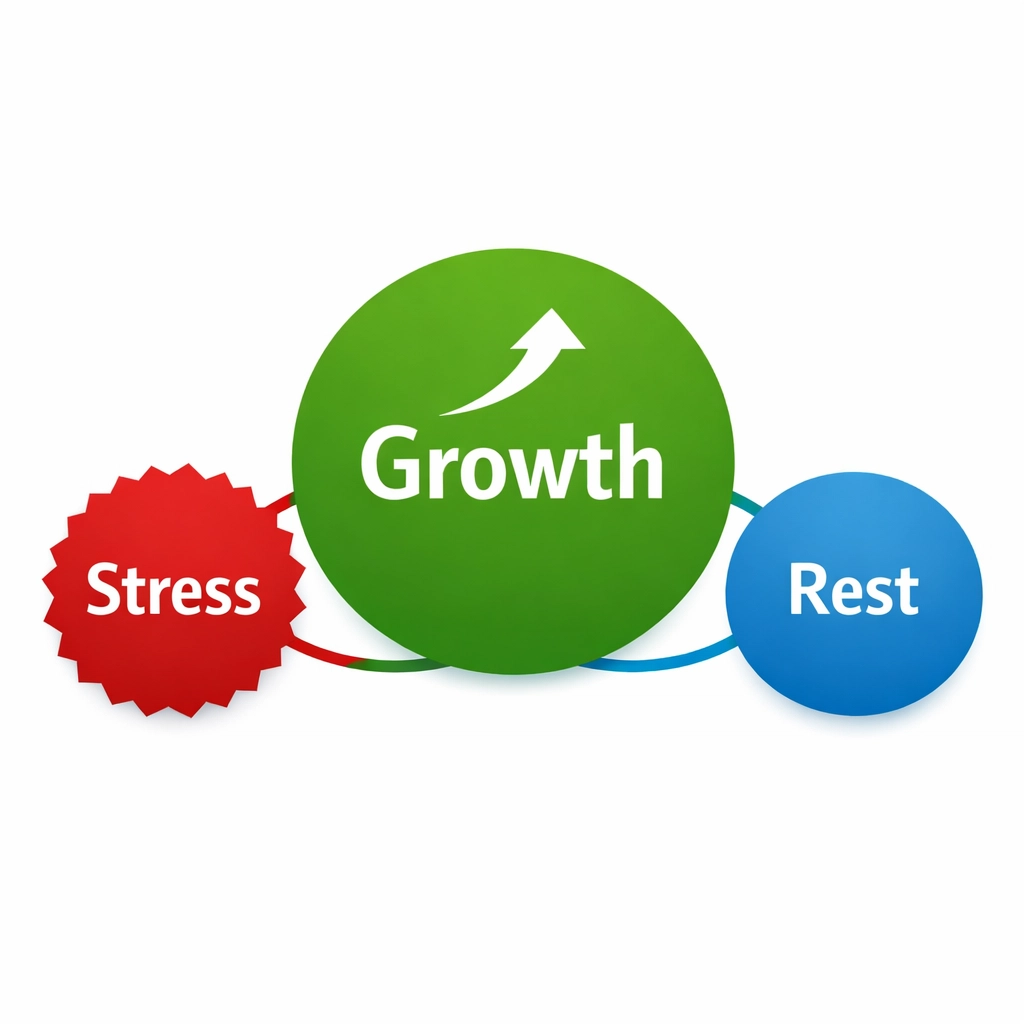
The best athletes aren’t the ones who ignore stress; they are the ones who manage it. Taking care of your mental health doesn’t make you weak—it puts you in a better position to perform at a high level. Resilience is built in cycles of Stress + Rest = Growth [4]. Without the rest, you don’t get the growth; you get the burnout.
The 5-Step Blueprint for Mental Resilience
Thriving as a student athlete requires replacing the “grind” with a structured system. Here are the battle-tested habits for mastering how to manage stress as a student athlete:
1. Precision Time-Blocking
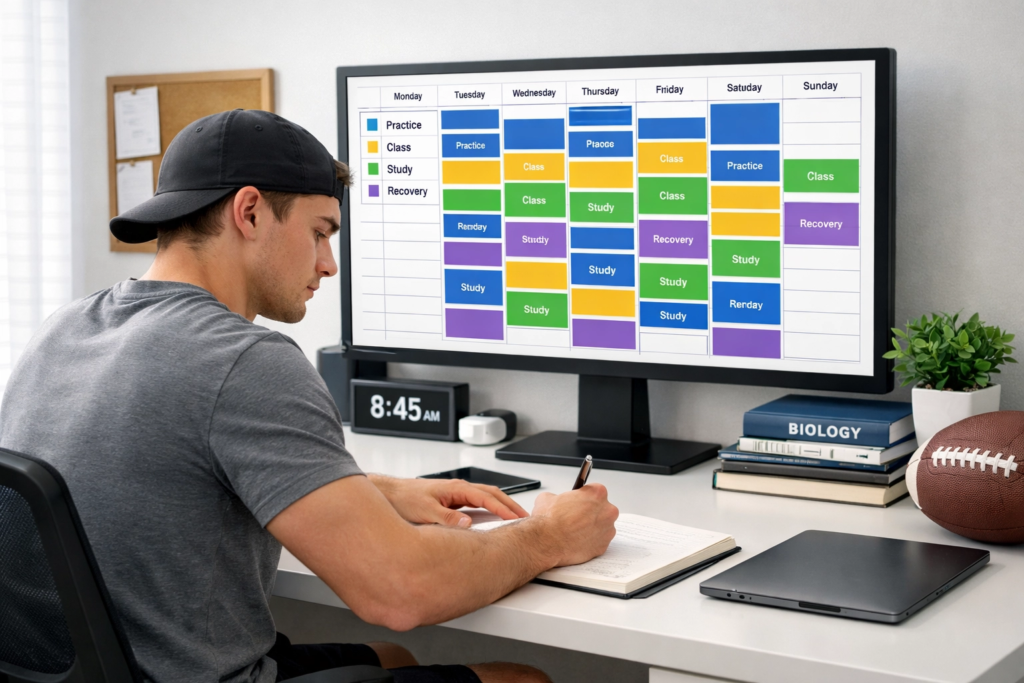
Map your day around practice, class, studying, and—critically—recovery. A visual schedule reduces decision fatigue and prevents the feeling of things “piled up.” When you know exactly when you’ll be studying, you can stop worrying about it while you’re training.
2. Radical Compartmentalization
When you’re at practice, be 100% an athlete. When you’re in class, be 100% a student. This “lock-in” mentality prevents the mental bleed that occurs when you’re worrying about an exam during a drill. It allows for peak focus in both arenas.
3. The ‘Third Pillar’ Social Life

Cultivate a life outside of your sport. Meeting new people and doing things you enjoy resets your mental state and reminds you that your value isn’t tied solely to your performance. It provides the balance necessary to stay mentally fresh.
4. Recovery as a Metric

Treat sleep and physical recovery as seriously as your conditioning. When you are well-rested, every challenge—from a difficult weight cut to a mid-term exam—feels more manageable. Sleep is the ultimate stress-management tool. Nutrition also plays a massive role in how your body handles stress; for elite-level fueling on a budget, see What Fast Food is Healthy to Eat? A D1 Swimmer’s Guide.
5. Proactive Communication
Lean on your support system. Talking to teammates and coaches when things get stressful isn’t a sign of weakness; it’s a sign of maturity. Breaking the isolation of stress is the first step toward overcoming it.
Recovery Science: Why Rest is a Performance Metric
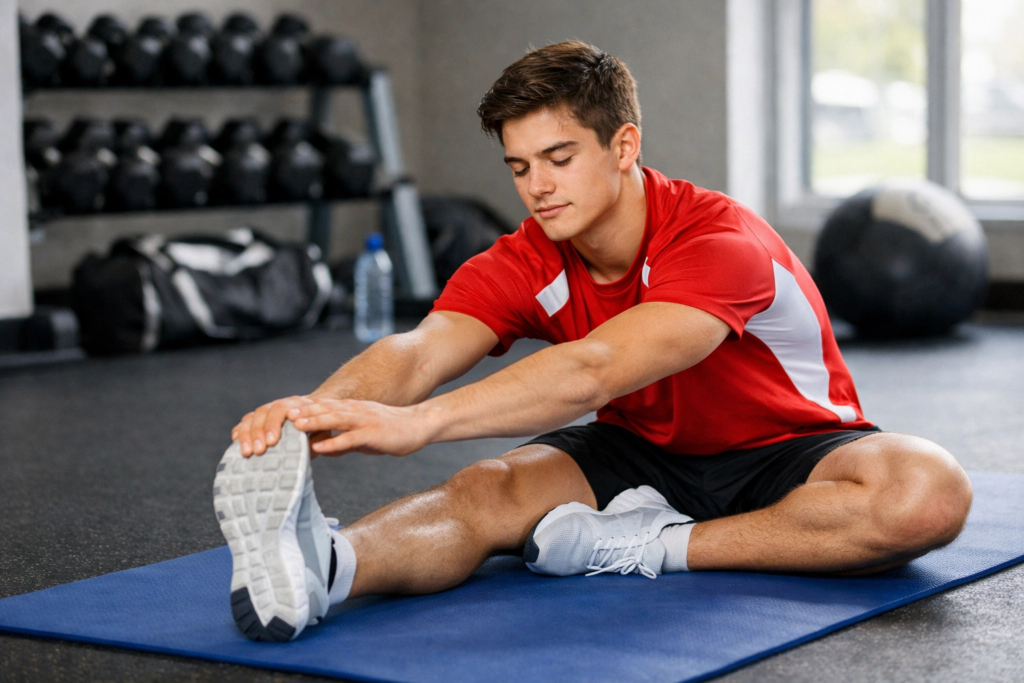
If you’re wondering how to manage stress as a student athlete, start with your sleep. Research indicates that sleeping less than 7 hours per night doubles your risk of sports-related injuries [15]. For high-performance athletes, sleep deprivation isn’t just about being tired; it significantly slows your choice reaction time and cognitive function, making you slower to react on the mat or field [13].
THE 30% EFFICIENCY GAIN
Studies show that student-athletes who utilize effective time management and prioritize rest can reduce their study time by 30% while actually improving their grades [14]. Efficiency is a byproduct of a rested brain.
The Support Pillar: A Guide for Parents and Coaches
The pressure on a student athlete often comes from the top down. To help an athlete manage stress, mentors must focus on effort rather than just outcomes. Encourage open communication and create a safe space for the athlete to share their frustrations without fear of being labeled “soft.” Remind them that their value is not solely defined by their wins or their stats. By promoting balance and downtime outside of sports, you help them maintain the perspective needed for long-term success.

Case Study: From Burnout to a #7 National Ranking
The power of this blueprint is evident in the journey of our featured athlete. During his freshman year, he was closed off, ignored recovery, and let the stress of the Big Ten environment consume him. The result was his worst season and academic struggle. However, by shifting his focus to balance, organizing his time, and opening up to his support system, his performance exploded. He eventually achieved a #7 national rankingand earned two master’s degrees, proving that success is about managing the man, not just the athlete.
Frequently Asked Questions
How do I handle a weight cut while studying for finals?
This is the ultimate test of compartmentalization. Use time-blocking to ensure your study sessions happen during your “peak energy” windows (usually after a meal or before a hard cut session). Stay hydrated within your limits and prioritize sleep above all else to keep your cognitive function high.
What if my coach doesn’t believe in ‘mental health breaks’?
Focus on the performance angle. Frame your need for recovery as a way to “be more explosive” or “sharpen focus” for the team. Most coaches respond well to language that prioritizes winning and consistency.
Is it normal to feel like I’m losing my passion for the sport?
Yes, this is a classic sign of burnout. It usually means the balance has shifted too far toward “job” and away from “joy.” Reintroducing a social life outside the sport and prioritizing rest can often reignite that passion.
References
- [1] NCAA Mental Health Statistics 2025
- [4] The Science of Resilience: Stress + Rest = Growth
- [8] Cortisol Responses in Elite Wrestlers
- [13] Impact of Sleep Deprivation on Reaction Time
- [14] Stanford Study: Academic Efficiency and Rest
- [15] Sleep and Injury Risk in Student Athletes