Why Car Maintenance Should Be Important to You
Car maintenance can be seen as a tedious process filled with “all the little things” to do which can then be interpreted as “all the little expenses” you have to periodically pay for.
Understandably, maintaining your vehicle can be seen as an annoying process where one can justify not doing the proper maintenance all the time (i.e., skipping an oil change, tire rotation here or there).
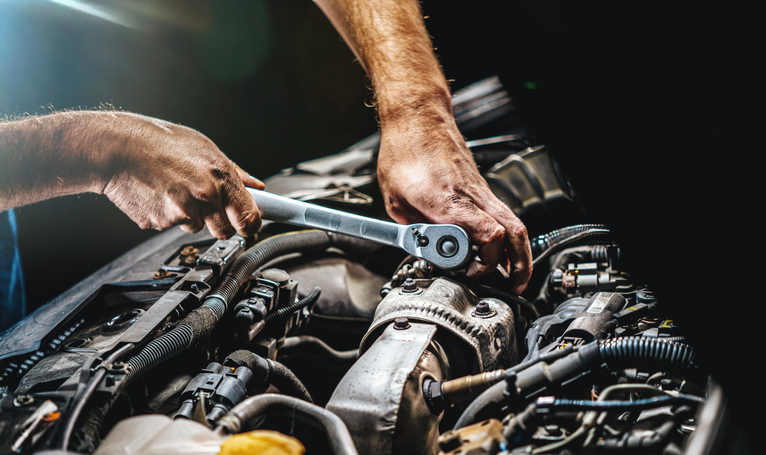
While this helps save costs and time right now, taking proper care of your car can pay dividends in the long-term – over the course of the next few years and more.
Having proper maintenance of your vehicle helps with 3 aspects of owning your vehicle:
A lot of people do not think about these aspects of car maintenance all the time, but doing the little things timely and properly (with or without the help of professionals) can make your life easier in the short-term and long-term!
Reliability
We’ve all heard about the stereotypes in which certain car brands have better reliability than other brands (i.e. Japanese brands like Honda or Toyota have better reliability than Ford or Chevy – American based brands).
That’s not always the case. Proper maintenance can greatly help your vehicle with reliability – the chances of your car breaking down or not functioning properly immediately will go down significantly with proper maintenance.

The reality is, reliability is the result of how well an individual maintains their car. Someone who owns a car from a company with a good reputation, like a Honda or Toyota, can have reliability issues if they do not maintain their car. An example would be an oil change.
What does an oil change do? Changing your oil helps to keep the engine lubricated and makes sure that the engine is running functionally at high temperatures while driving. A routine oil change every 5,000 miles will keep the risk of engine breakdown at an all-time low.
“Regular maintenance is one of the most important factors that contribute to the longevity and resale value of your car. Regular maintenance not only helps you keep your car running smoothly but also increases the life span of its various components, resulting in a car that will last for years to come.”
~ Waterways Magazine
Not only with Waterways Magazine, but this is a common mindset amongst those who work on cars and are knowledgeable with proper car maintenance.

What happens when you don’t change your oil in a timely manner? The engine components would start to grind against each other, and the old unchanged oil will not be as effective keeping the engine lubricated, so the chances of engine’s breaking and failing will increase due to a higher level of wear and tear.
This is just one of many examples why maintaining your car is important – because proper maintenance will help save money compared to having to repair or buy a new engine or part.
Longevity
What is longevity? Longevity is the length of existence in an object or being. With cars and car maintenance, this means how long your own car will last in its life cycle.
Longevity differs from reliability because while reliability deals with the short-term health of your car, longevity focuses more on the long-term care of your car.

What are the different types of maintenance for a traditional gas-powered car? Some would include oil changes, tire rotations, tire changes, battery checks and changes, brakes, car inspections, etc…
An oil change helps keep the engine healthy and run smoothly by providing fresh oil for the many moving hot parts inside an engine – proper oil changes can help with engine longevity and will lower the chances of engine failure.
Tire rotations are exactly what it sounds like: rotating your tires periodically in order to preserve the tread on the cars tires. This helps car maintenance because tires can wear at different rates, which puts stress on a cars suspension. Rotating tires can help with maintain your cars suspension systems.
Battery and brake changes are the items that wear away naturally over time, and should be constantly maintained in order for your car to function properly. Car inspections wrap all of these tedious processes into one inspection which helps you keep track on what items on your car need to be kept up with for proper maintenance.
What are some benefits of proper long-term car maintenance related to longevity?
- Keeps your car running longer (longevity value)
- Improves fuel efficiency (parts are less likely to break down, which keeps them operating properly)
- Makes the car safer
- Fewer future repairs
- Lowers chances of your car breaking down
Future Costs Savings
The ultimate question is: why does proper car maintenance even matter? Especially for those who don’t take interest into vehicles, and just want a car that takes you from “Point A” to “Point B”, which is a very common mindset amongst everyone.
The proper answer does not even relate to fandom or an interest in cars – it’s about the significance of the long-term future costs savings you will have by having proper maintenance of your car.

We’ve all heard a line with the understanding of “the car can be fixed, but it’ll cost less just to buy a new car than to fix this car.”
This is obviously an exaggeration: in the short-term, a new engine or transmission costs less than buying a new car. However, the meaning behind this phrase is long-term: the costs you’ll save with a new car that has no mechanical issues and has proper maintenance.
Without proper car maintenance, a lot of issues can rise from your car: engine failure, transmission failure, damage to brake rotors with lack of brake changes, and even your wheels can be damage with improper tire rotation and tire air pressure levels.
These are costs that while can be a one-off repair for each issue, these costs can add up over a long period of time to the point where you’d have to make a decision on whether to spend money for major repairs or to just buy a new vehicle.