If you’ve ever watched a game from the sidelines and wondered how to get into sports photography, you’re not alone. But while many people can point a camera at a field, very few know how to turn that passion into a career with access to elite events like March Madness or NFL training camps. In this guide, I’m sharing the exact blueprint I used—from shooting high school lacrosse at 15 to working with the Buffalo Bills—to help you gain a better understanding of the technical grind and the “no-ego” mindset required to succeed in this industry.
Table of Contents
1.The Humble Start: Shooting Your First Game at 15
2.The 4-Stage Access Roadmap: From High School to the Pros
3.Technical Understanding: Settings for Indoor vs. Outdoor Sports
4.Sideline Etiquette & Networking: The “No-Ego” Advantage
5.Problem-Solving on the Sidelines: Dealing with the Unexpected
6.The Creative Edge: Capturing Emotion and Story
7.Frequently Asked Questions (FAQs)
The Humble Start: How to Get Into Sports Photography
My journey began when I was just 15 years old. I didn’t start with a $10,000 lens; I started with a camera my parents had bought just to have around the house. I was already into video editing, which naturally evolved into a curiosity about how to get into sports photography and videography.
My first “gig” was a high school lacrosse game. Looking back, the photos weren’t great. In fact, they were far from it. But at the time, I thought they were incredible—and more importantly, the players and the school loved them. That early validation is what gave me the motivation to keep going. The lesson? Don’t wait for the perfect gear. Start with what you have and focus on the feedback from the people you’re shooting for. If you’re looking for more general inspiration to get started, check out these inspiring photography tips for beginners.
The gap between ‘I thought it was good’ and ‘looking back, it wasn’t’ is where the real growth happens. If you’re not embarrassed by your first shots, you’re not improving fast enough.
The 4-Stage Access Roadmap: How to Get Into Sports Photography at Every Level
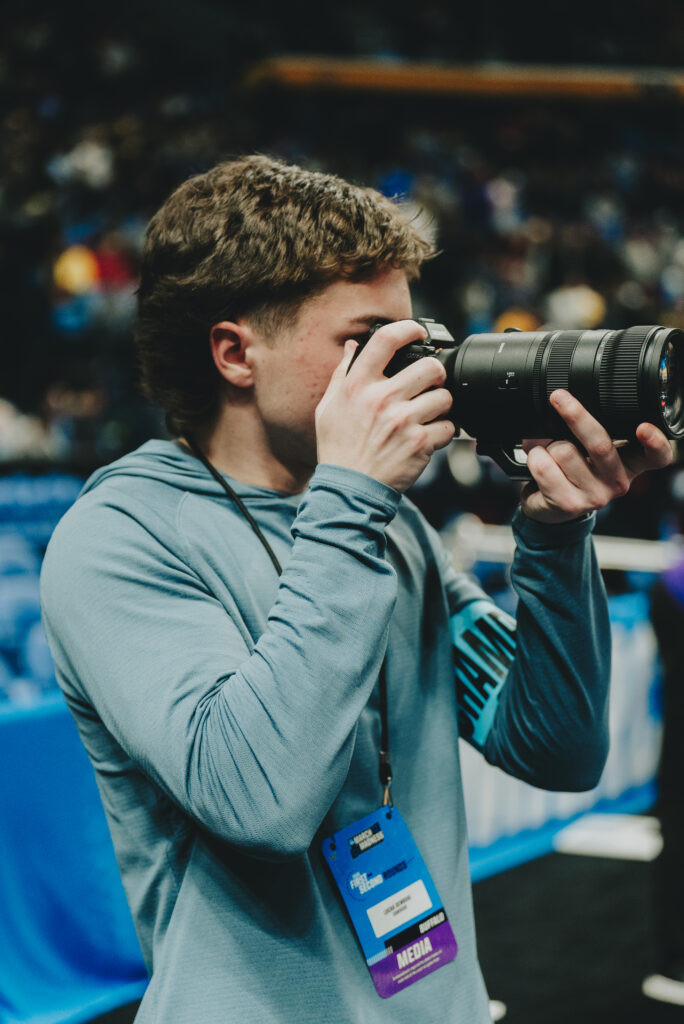
One of the most common questions I get is how to get into sports photography roles at bigger sporting events. My secret wasn’t a fancy connection; it was a relentless grind. If you want to know how to get into sports photography, you need to understand that access is earned, not given. Here is the roadmap I followed:
Stage 1: The Local Grind (High School)
This is where you learn the basics on how to get into sports photography. I went to every single game. I shot lacrosse, football, basketball—anything I could get close to. By providing photos to the school and the players for free, I built a reputation as the “go-to” photographer. This stage is about volume and building a portfolio that shows you can handle different lighting and speeds.
Stage 2: The Collegiate Level
When I got into college, I didn’t stop. I asked how to get into sports photography with my school, and I worked with my university’s athletic department. This gave me access to better facilities, faster athletes, and more consistent lighting. It also taught me how to work within a professional organization’s guidelines.
Stage 3: The Freelance Hustle
With a solid college portfolio, I started reaching out to local papers and sports blogs. This is where you start shooting events like the Buffalo Bandits. You learn to deliver on a deadline and work alongside veteran pros. Your “no-ego” mindset is critical here; veteran photographers will help you if they see you’re humble and hardworking.
Stage 4: Elite Access (Pro & National Events)
By the time I was shooting March Madness and Buffalo Bills training camp, I had thousands of hours of practice. Elite access comes when organizations trust that you won’t get in the way, you’ll stay professional, and you’ll deliver high-quality stories under pressure. As you grow, you’ll realize that building a personal brand is essential for long-term authority in the industry.
Technical Understanding: How to Get Into Sports Photography Settings for Indoor vs. Outdoor Sports
The biggest mistake I see beginners, when looking how to get into sports photography make, is focusing on the price of their camera rather than the settings inside it. You can have the best body on the market, but if you don’t know how to freeze action in low light or track a fast-moving player, the gear is useless.
It took me a while to gain a much better understanding of my equipment, and the truth is, I am still learning new things every day. For instance, understanding the nuances of Canon mirrorless cameras vs DSLR can help you make better gear decisions as you progress. Here is a quick breakdown of how I approach settings based on the environment. For a deeper dive into professional gear setups, I highly recommend checking out Canon’s official guide to equipping yourself for sports photography.
| Setting | Outdoor (Lacrosse/Bills Camp) | Indoor (Basketball/Bandits) |
| Shutter Speed | 1/1000s or higher | 1/800s (minimum) |
| Aperture | f/2.8 to f/4.0 | f/2.8 (widest possible) |
| ISO | 100 – 800 | 1600 – 6400 |
| Focus Mode | Continuous AF (AF-C) | Continuous AF with Tracking |
Remember, these are just starting points. Outdoor games are especially challenging because the lighting changes constantly with the sun, clouds, and shadows from buildings. I am constantly adjusting my ISO and shutter speed as the game progresses.
Sideline Etiquette & Networking
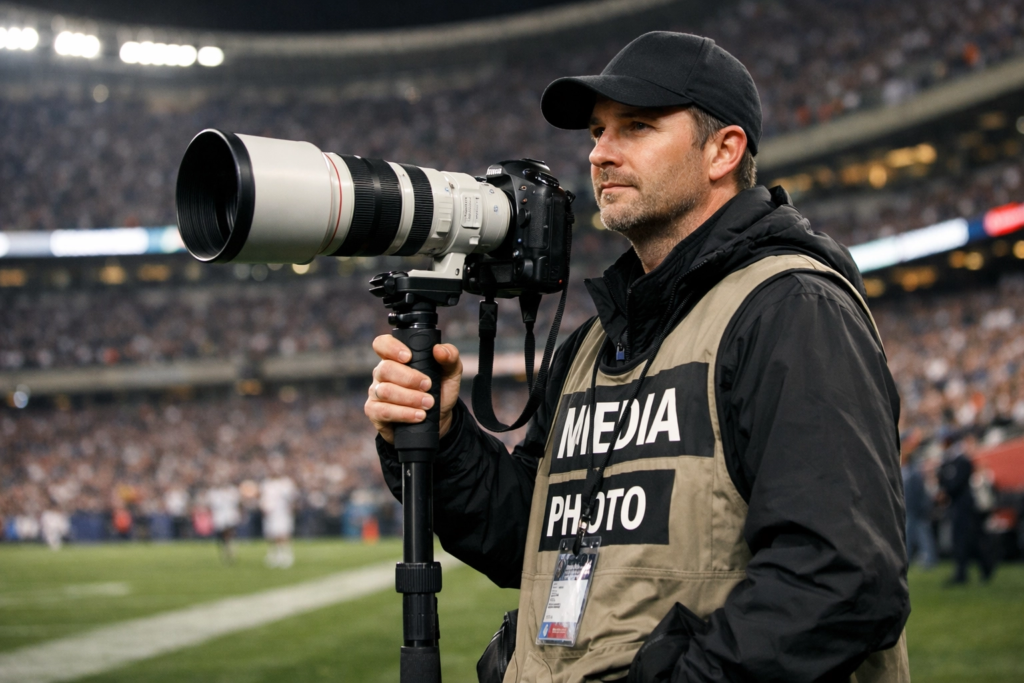
If you want to know how to get into sports photography at the highest levels, you need to master the unwritten rules of the sideline. In a world where everyone has a camera, your personality is often what gets you invited back.
1.Be Humble and Helpful: When you’re starting out, you’ll be shooting alongside veterans who have been doing this for decades. Don’t walk in like you own the place. Be respectful of their space, don’t block their shots, and if you have a question, wait for a break in the action to ask it. A “no-ego” approach makes you approachable and teachable.
2.Respect the Game: You are there to document the event, not be part of it. Stay out of the way of officials, coaches, and players. If you get in the way once, you might not get a second chance. Professionalism is about being invisible until the moment you deliver your photos.
3.Networking is Just Being a Good Person: Most of my biggest opportunities came from people I met on the sidelines. By being reliable, humble, and consistent, I built a network of peers who would recommend me for gigs when they were double-booked. Networking isn’t about “using” people; it’s about building genuine trust over time.
Problem-Solving on the Sidelines: Dealing with the Unexpected
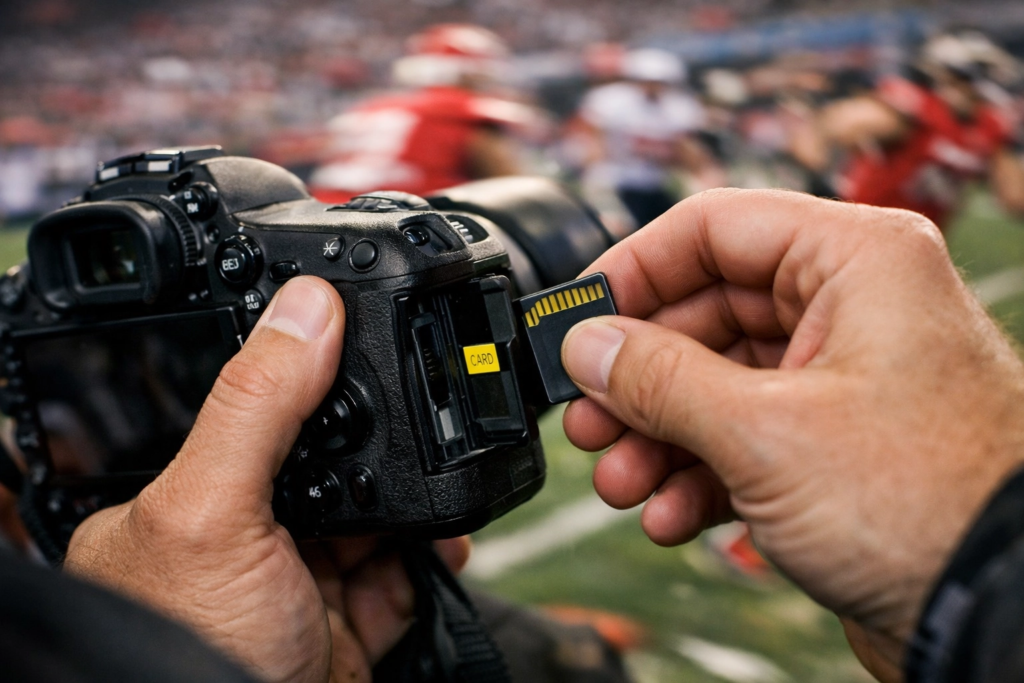
Sports photography is unpredictable. I’ve dealt with everything from dying batteries to corrupted SD cards. The pros aren’t the ones who never have problems; they’re the ones who are prepared for them. Always have a backup plan, stay confident in your ability to adapt, and never let a technical glitch stop you from getting the shot. Every challenge is just another opportunity to learn something new about your craft.
The Creative Edge: Capturing Emotion and Story
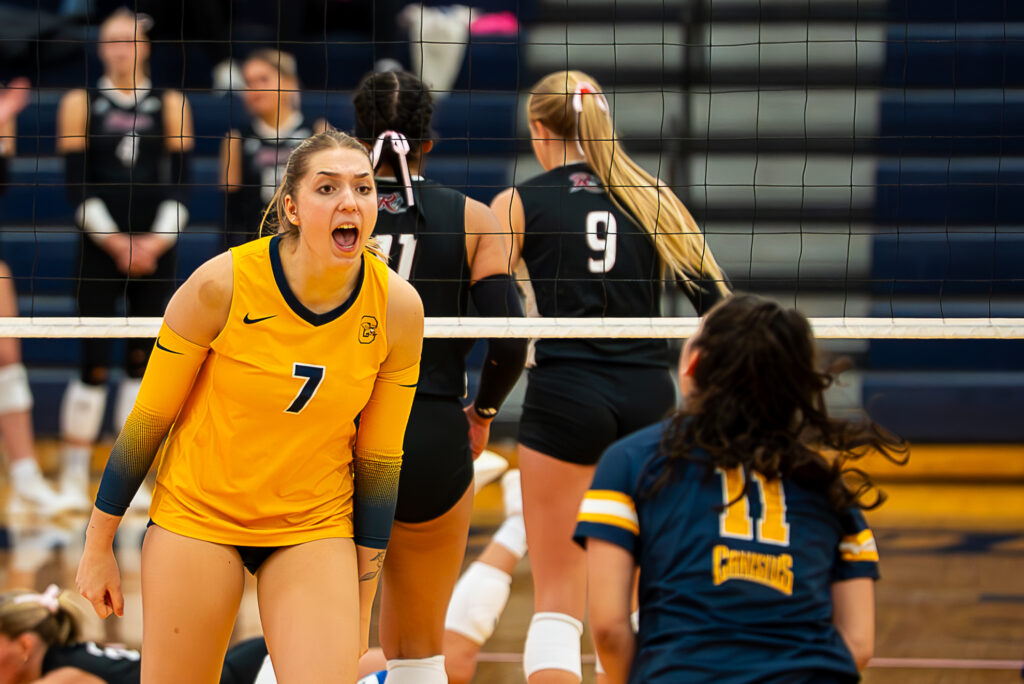
A good photo shows the action. A great photo tells a story. My philosophy is that the best shots often happen away from the ball. Look for the “frame within a frame,” use the foreground to create depth, and most importantly, look for emotion.
Capture the player celebrating in the foreground while a defeated opponent sits in the background. Look for the off-ball players or the scenery that defines the atmosphere of the event. Bringing this level of creativity is how you stand out in a world where everyone has a camera. Even after years of shooting, I’m still experimenting with new ways to tell these stories.
Frequently Asked Questions (FAQs)
Q: What camera should I buy to start sports photography?
A: Start with what you have! My first camera was a basic family camera. Focus on gaining a better understanding of your settings first, then upgrade to a body with a high burst rate and a fast telephoto lens (like a 70-200mm f/2.8) when you can afford it.
Q: How do I get a media pass for pro games?
A: You don’t start with pro games. Follow the 4-stage roadmap: build a portfolio at the high school and collegiate levels first. Once you have a solid body of work, you can reach out to local news outlets or sports blogs to shoot on their behalf.
Q: Do I need a tripod for sports photography?
A: Usually, no. Most sports photographers prefer a monopod. It supports the weight of heavy telephoto lenses while allowing you to move quickly along the sidelines to follow the action.
Q: How do I handle sideline etiquette when shooting with pros?
A: Stay humble, don’t block their sightlines, and be respectful. If you’re shooting for a school or small blog, don’t try to compete for the same spot as the AP or team photographer. Find a unique angle that doesn’t interfere with their work.
Q: Is sports photography a hard industry to break into?
A: It requires a lot of “grind.” You have to be willing to shoot in the rain, the cold, and for long hours. But if you are consistent, humble, and always open to learning new things, the opportunities will come.