Mastering Meal Prep: How to Meal Prep for the Week (Even on a Budget)
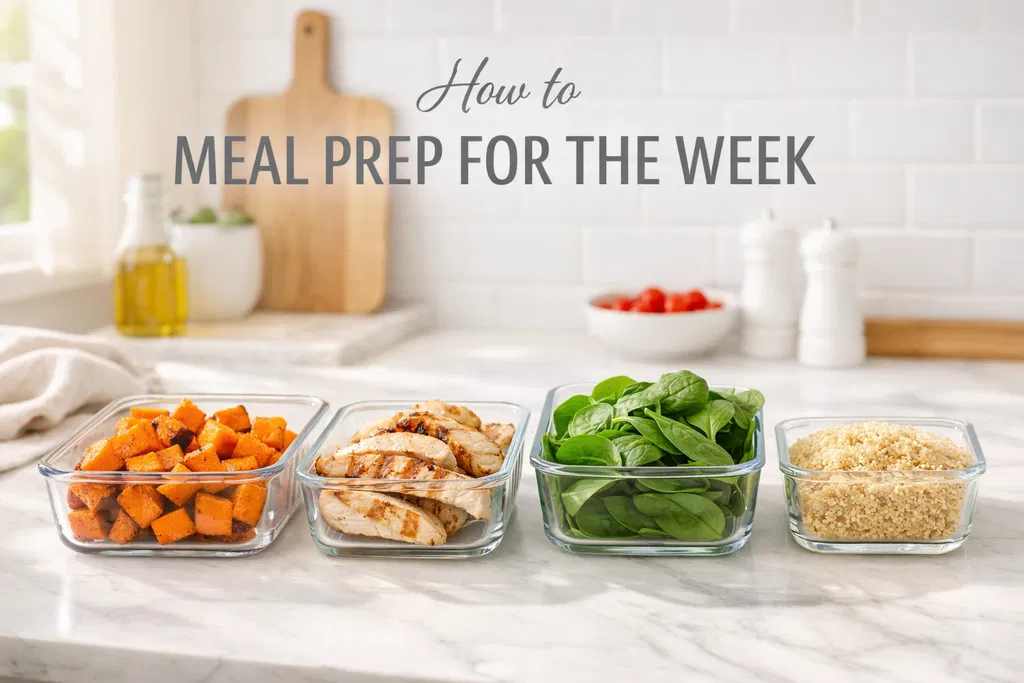
Are you tired of the daily “what’s for dinner?” dilemma? Do you dream of healthier eating habits without breaking the bank or spending hours in the kitchen every night? If so, learning how to meal prep for the week might be your ultimate game-changer. Many people find the idea daunting, imagining endless hours of cooking and complicated recipes. However, as someone who mastered meal prepping out of necessity during their undergrad years, I can tell you it’s not only achievable but incredibly rewarding, especially when you’re on a tight budget.
What You’ll Learn in This Post
- My Meal Prep Journey: From Student Budget to Graduate Success
- Biggest Lessons Learned: From Fails to Wins
- Unpopular Opinions: Rethinking How to Meal Prep for the Week
- My Simple Meal Prep Formula: Ingredient Prep for Success
- Sample Weekly Meal Prep Plan (Ingredient-Focused)
- Case Study: Grad School Survival Through Strategic Meal Prep
- Your Golden Rules for Starting Meal Prep This Week
- Frequently Asked Questions About Meal Prepping
My Meal Prep Journey: From Student Budget to Graduate Success
My personal journey with meal prepping began about five years ago, born out of a very real need during my undergraduate studies. Living on campus with only a student worker’s salary, I quickly realized that eating out daily was unsustainable for both my wallet and my health. The turning point was clear: I needed to figure out how to meal prep for the week on a budget to save money and eat healthier. For a deeper dive into understanding your food choices, check out What Foods Are Considered Processed?
Those first three months were a whirlwind of trial and error. It wasn’t always easy, but through persistence, I discovered effective tactics, budget-friendly shopping spots, and simple, satisfying recipes. What started as a necessity soon evolved into a consistent routine that has served me well ever since.
Biggest Lessons Learned: From Fails to Wins

Every journey has its bumps, and my early meal prep days were no exception. My biggest initial mistake was shopping at conventional grocery stores where prices were high. I quickly found that my efforts to save money were negated because the cost of ingredients was almost on par with buying prepared food. It was a frustrating realization that nearly led me to give up.
However, this fail led to my most surprising win: discovering local shops. By seeking out smaller, often family-owned stores or markets, I found significantly cheaper produce and ingredients. This shift in where I shopped was a game-changer, allowing me to genuinely save money while still preparing nutritious meals. It taught me that sometimes, the solution isn’t in *what* you buy, but *where* you buy it. This approach also significantly helps in reducing waste, a topic further explored in 4 Ways to Keep Food Waste Down and USE WHAT YOU HAVE.
Unpopular Opinions: Rethinking How to Meal Prep for the Week
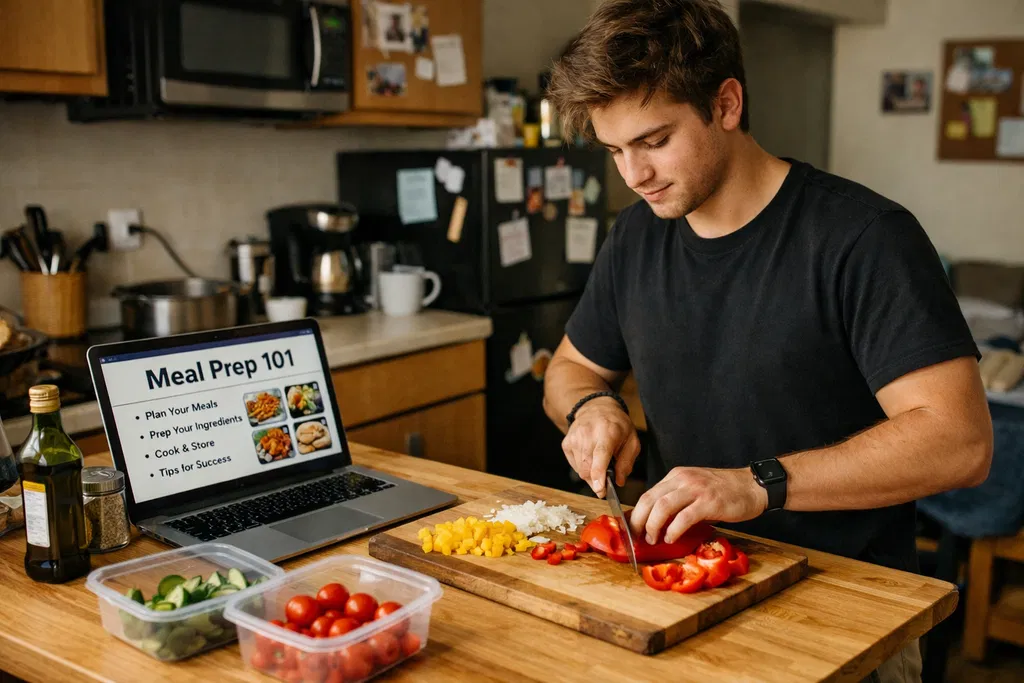
After five years in the meal prep trenches, I’ve developed a few opinions that might go against the grain of what you see on social media:
- You don’t need to be a gourmet chef or follow strict recipes: Many people feel intimidated by meal prepping because they think they need advanced cooking skills or a collection of elaborate recipes. My experience taught me that trial and error is your best friend. Try something; if you don’t like it, don’t make it again! There are countless easy recipes online, or you can ask friends and family for their simple go-to meals.
- “Meal Prep” doesn’t always mean fully cooked meals: The image of perfectly portioned, ready-to-eat meals for the entire week can be overwhelming, and frankly, some foods just don’t hold up well for days. I’ve found immense success with “ingredient prep.” This means dedicating a few hours to washing and chopping vegetables, portioning meats, and pre-seasoning ingredients. Then, during the week, cooking a fresh meal takes mere minutes because all the tedious prep work is already done. This approach keeps food fresh and prevents boredom.
- It’s not an all-or-nothing endeavor: You don’t have to prep every single meal for every single day. Sometimes, I’ll prep 3-4 meals, and other times I’ll do a full ingredient prep for the week. Find what works for your schedule and preferences.
My Simple Meal Prep Formula: Ingredient Prep for Success
One of the biggest misconceptions about meal prepping is that you have to cook entire meals from start to finish. My “unpopular opinion” on this is that it’s often more effective, and certainly less boring, to focus on **ingredient prep**.
Instead of making five identical chicken and broccoli dinners, I advocate for a flexible formula that allows for variety throughout the week. This approach is especially beneficial for those who get bored easily or want to adapt their meals based on their cravings.
The Ingredient Prep Formula:
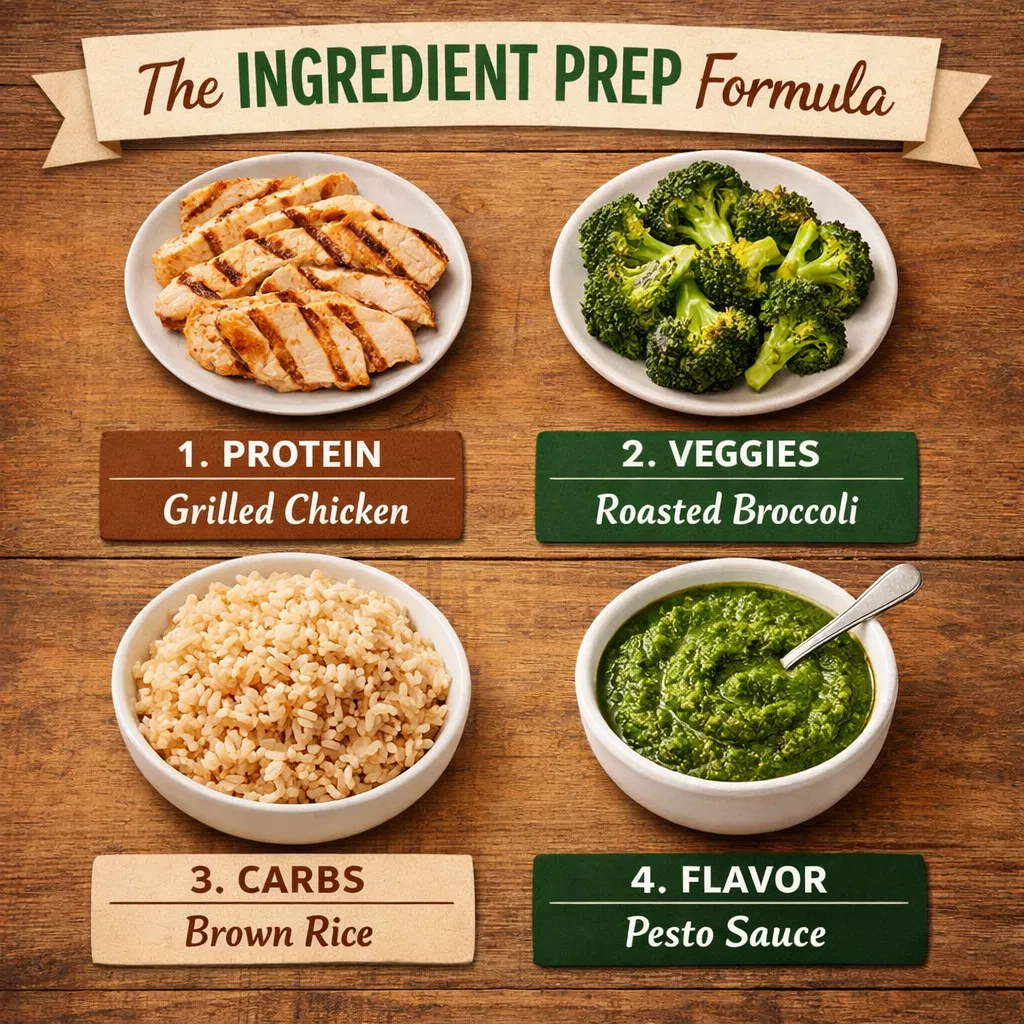
- Protein Powerhouse: Cook 1-2 sources of lean protein (e.g., grilled chicken, hard-boiled eggs, cooked lentils, ground turkey).
- Veggie Variety: Wash, chop, and roast/steam a few different types of vegetables (e.g., broccoli, bell peppers, sweet potatoes, kale).
- Complex Carbs: Prepare a batch of a whole grain (e.g., quinoa, brown rice, farro).
- Flavor Boosters: Have sauces, dressings, herbs, and spices ready to mix and match.
With these components ready, you can quickly assemble different meals each day. For example, cooked chicken, roasted veggies, and quinoa can become a stir-fry, a salad, or a burrito bowl with the addition of different sauces and toppings. This method keeps your food fresh, exciting, and prevents the dreaded “meal prep burnout.”
Sample Weekly Meal Prep Plan (Ingredient-Focused)
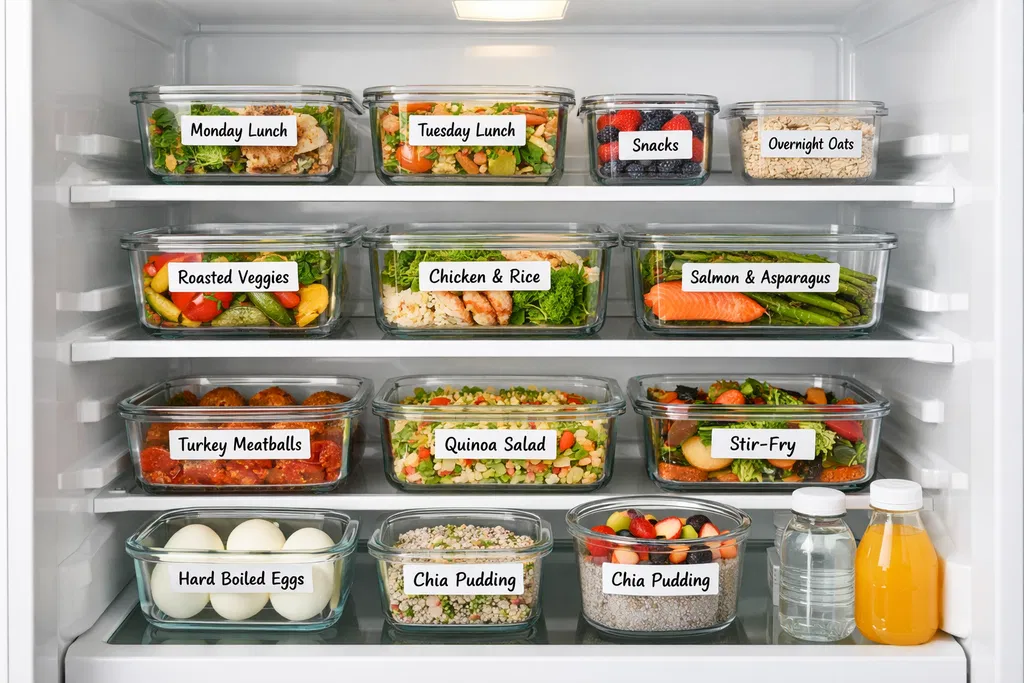
To illustrate how the ingredient prep formula works, here’s a sample plan for a week. Remember, this is flexible and designed to be adapted to your tastes and schedule!
Sunday (Prep Day: 2-3 hours)
- Proteins: Grill 2-3 chicken breasts, hard-boil 6-8 eggs, cook a batch of lentils or ground turkey.
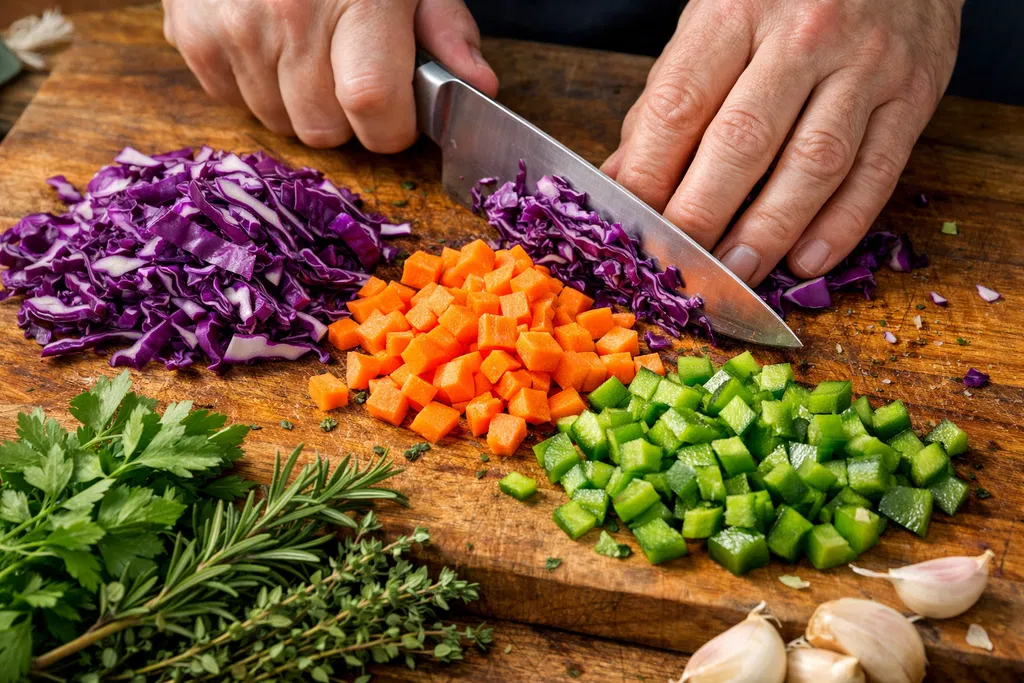
- Vegetables: Chop bell peppers, onions, and carrots. Roast a large tray of broccoli and sweet potatoes. Wash and tear a bag of spinach/kale.
- Carbohydrates: Cook 2 cups of quinoa or brown rice.
- Sauces/Dressings: Prepare a simple vinaigrette or ensure you have your favorite store-bought sauces on hand.
Throughout the Week (Assembly: 5-10 minutes per meal)
- Monday: Quinoa bowl with grilled chicken, roasted sweet potatoes, spinach, and a drizzle of vinaigrette.
- Tuesday: Large salad with mixed greens, chopped bell peppers, hard-boiled eggs, lentils, and a different dressing.
- Wednesday: Quick stir-fry with ground turkey, pre-chopped veggies, and quinoa, seasoned with soy sauce or a stir-fry sauce.
- Thursday: Chicken and roasted broccoli wraps using whole wheat tortillas, with a spread of hummus.
- Friday: Leftover lentil and veggie mix, perhaps topped with a fried egg or some avocado.
This approach minimizes cooking during busy weekdays and keeps your meals varied and interesting, preventing the monotony that often leads people to abandon meal prepping.
Case Study: Grad School Survival Through Strategic Meal Prep
Meal prepping has saved me countless times, but one period stands out: my graduate school years. I was enrolled in a Master’s of Social Work program, taking five graduate-level classes, working a 25-hour internship, and holding down a 20-hour part-time job, all while still living on campus. My schedule was relentless, leaving little to no time for cooking.
During midterms and finals, when every minute counted, my meal prep system became my lifeline. Those 2-3 hours I spent prepping on a weekend meant I didn’t have to worry about food during the most stressful weeks. Having healthy, pre-made options or quickly assembled meals allowed me to focus on my studies and work, providing a crucial safety net that prevented burnout and ensured I was still eating well amidst the chaos. It was during this intense period that I truly appreciated the power of knowing how to meal prep for the week effectively.
Your Golden Rules for Starting Meal Prep This Week
If you’re feeling overwhelmed and ready to dive into meal prepping, here are my top three non-negotiable rules: the wisdom I wish I’d had on Day 1:
- Don’t Give Up Early: It might not work perfectly the first week, or even the first month. Meal prepping is a skill that improves with practice. Stick with it; it gets easier, more efficient, and more rewarding over time.
- Iterate, Don’t Abandon: If you didn’t like a particular meal or recipe one week, that doesn’t mean meal prepping isn’t for you. It simply means that recipe isn’t for you. Edit it, swap it out, or try something entirely new next time.
- Embrace Variety and Challenge: Don’t be shy about exploring new recipes. Look things up online, ask friends, or even experiment with different flavor profiles. Challenging yourself with new dishes prevents boredom and keeps your meal prep exciting.
Frequently Asked Questions About Meal Prepping
Q: How long does meal prep food last?
A: Most meal prepped food, when stored properly in airtight containers in the refrigerator, will last 3-4 days. Some items, like cooked grains or certain vegetables, might last up to 5 days. For longer storage, consider freezing portions.
Q: Do I need special containers for meal prepping?
A: While glass containers are popular for their durability and reusability, you don’t *need* them to start. Any airtight food-safe containers will work. Start with what you have, and upgrade if you find meal prepping is a routine you want to stick with.
Q: What are the best foods to meal prep for the week?
A: Versatile ingredients that hold up well are key. Think roasted vegetables (broccoli, sweet potatoes), lean proteins (chicken breast, ground turkey, lentils), and complex carbohydrates (quinoa, brown rice). Ingredient prepping, where you chop and store raw ingredients, is also a great strategy for freshness.
Q: How much time does meal prepping actually save?
A: While the initial prep takes a dedicated block of time (1-3 hours for many), it significantly reduces daily cooking and decision-making time. Over the course of a week, it can save several hours, not to mention the mental energy of not having to plan meals daily.
Q: Can I meal prep if I\’m a picky eater?
A: Absolutely! Meal prepping is highly customizable. Start with foods you already enjoy and gradually introduce new ingredients. The “iterate, don\’t abandon” rule is especially important here – if you don\’t like something, don\’t force it. Find what works for you.
Q: What are the best containers for meal prepping?
A: While glass containers are durable and reusable, you don\’t need them to start. Any airtight, food-safe containers will work. Consider what you already have and upgrade as you commit to meal prepping. Look for BPA-free plastic or glass options that are microwave and dishwasher safe.
Q: How do I prevent my meal prep from getting soggy?
A: To prevent sogginess, store sauces and dressings separately and add them just before eating. For dishes with components that can get soggy (like salads with leafy greens or crispy elements), consider ingredient prepping and assembling closer to mealtime. Ensure hot food cools completely before sealing and refrigerating to avoid condensation.
Q: Is meal prepping good for weight loss?
A: Meal prepping can be a powerful tool for weight loss as it helps you control portion sizes, track calories, and make healthier food choices by reducing reliance on takeout or unhealthy snacks. By planning and preparing your meals in advance, you\’re less likely to make impulsive, less nutritious decisions.
Ready to Transform Your Week?
I hope my journey and these insights inspire you to start or refine your own meal prepping adventure. Remember, it’s about making your life easier, healthier, and more budget-friendly. Don’t be afraid to experiment, learn from your experiences, and find what truly works for you.
What are your biggest meal prep challenges or your favorite hacks? Share your thoughts and tips in the comments below! Let’s build a community of smart, efficient meal preppers together.
© 2026. All rights reserved.