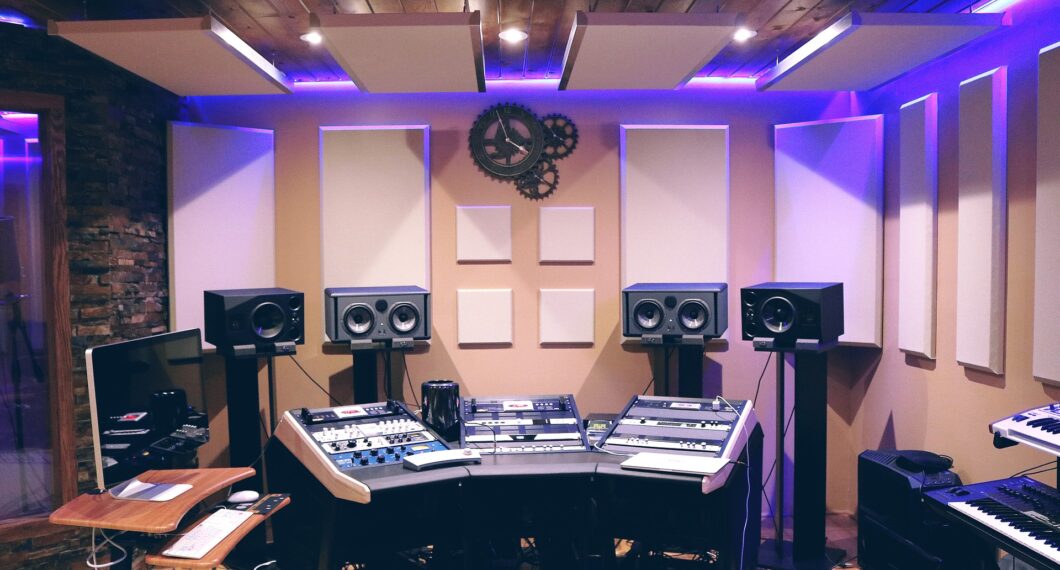
- Breathe, Making music can be overwhelming…
- Keys To Making music at Home
- Remember, There is a Recipe to Making Music

It’s safe to say that a lot of us go through a phase in our lives where we explore making music, and for some of us making music at home presents itself as the safest way we can practice our craft, save some money and potentially spare us some of the embarrassment of finding our musical voice in front of others.
Breathe, Making music can be overwhelming…
To the average person, its often easy to critique the music that you hear over the radio or the songs saved to your playlists. There is often little to no thought given about the music-making process behind all the voices, sounds, compositions, and experiences you hear coming out of your speakers.
Regardless of the listener’s musical ability, the insane amount of knowledge it takes to create a body of work is often only judged by what people hear. Knowing how much work it can take for people to actually respond positively to your work is what I would say is the first step on your journey and about 80% of what it will take for you to succeed.
The reality is that making music is about stacking skills on each other. Depending on how well you can learn, retain, and integrate each of those skills into your workflow, will dictate how good of a musician you become. In my experience, I was only able to get better at my craft by breaking down my learning process into smaller segments and eventually I reached a level I felt comfortable in my abilities. Naturally, everyone’s learning experience will be different, but there were some foundational lessons that showed me the most jumps in growth.
Keys to Making Music at Home
Below, I’ve put together a list of the most important lessons that I learned and thought would help ease some of your growing pains. These lessons served as the foundational recipe that changed the way I looked at making music and allowed me to eventually feel confident with making music at home.
1. Invest in Knowledge
One of the most important factors about music and just about anything in life is that you should take advantage of the wealth of knowledge you can gain on any given topic. I know what you’re thinking, “This should be easy, right? I’ll just go listen to some music then…I’ll get it.” While studying by listening to music most-definitely helps, focusing all of your efforts on listening oldies from the 40’s won’t necessarily teach you how to make the next pop-trap track from the comfort of your Livingroom.
It’s important to know the balance in how you research topics in music and making sure to put effort into exactly what you should be looking for. From there you can build foundational lessons. When you’re able to establish a foundational level of knowledge, it becomes so much easier to surf the web for additional ways to spice up your musical process.
For me, Making music from home became so much more attainable when I began to master these things:
- Contrary to popular belief, you absolutely do not need to know Music theory to be great at making music or even making music at home.
- Find a blog or forum and use it as database that you can pull information from. It always helped to talk to real people about the technical issues I went through, or even join a community that was supportive of similar struggles when making music at home.
- Find a space in music to start off your learning with; Technical, lyric-writing, arrangement, composition
2. Research How to Build a Home Studio
Building a home studio can be both a very stressful experience or a really fun project, but it will be one of the core aspects in this article. Considering that you have researched all you could within the realm of all your musical needs, you should be ready to implement the tools to get the job done.
To begin, you will need
- A Laptop (MAC or PC) with at least 8GB of RAM
- A Reliable Condensor Mic
- An Interface
- Studio Headphones
- Monitor Speakers
One key thing to remember, as well as what is referenced in the video below, is that your equipment can be purchased gradually. You can shop around slowly for pieces you think are better than others, or catch sales on programs and studio equipment so keep your eyes peeled!
Another caveat is that your studio does not have to look like this for high quality:
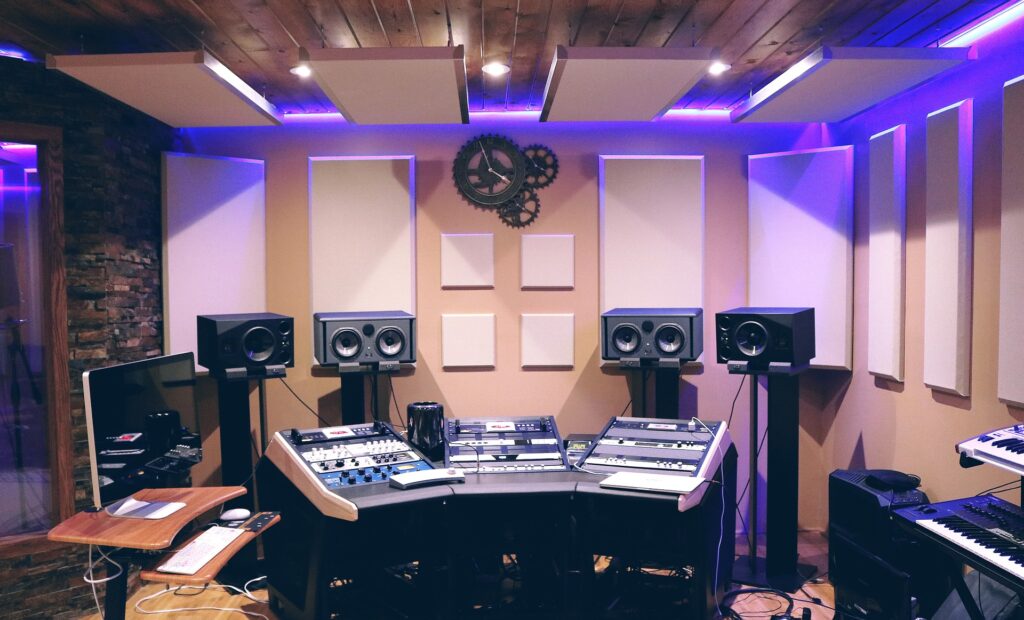
Majority of the professional qualities in your process of making music at home will come from your ability to work well with your abilities. This means, your dedication to learning as much as you can, will make your projects sound like you record at a studio that looks like the above image.

It’s more likely that your home studio will look like this at first, but you’d be surprised at that kind of legendary projects that have come out of an ameature home studio setup.
3. Spend Time Making Music with the DAW of your Liking
As a loose reference to Malcolm Gladwell’s 10,000 Hour rule, time is a valuable asset in building strength in a skill. In the beginning, I remember setting a routine where I would spend about 8 hours a day, 7 days a week, for almost 3 months playing around with hardware pieces and DAWs (Digital Audio Workstations) like Logic Pro X. At this point in my recording career, I recall running into so many instances when I had absolutely no idea how to get things working at all-quitting to no avail. My anxiety was through the roof, and any small win felt like the biggest accomplishment of my life.
I remember some eureka moments where 60 hours of dabbling in my DAW would get me to a small milestone that I cherished amongst all of the frustration and doubt. Not to mention, I had to stop listening to music so that I didn’t compare myself to professional quality sound. For me, it was important that I find out what Digital Audio Workstation worked best for my workflow, and equally important that I put in time to learn how it works.
4. Don’t Be Afraid to Use Templates
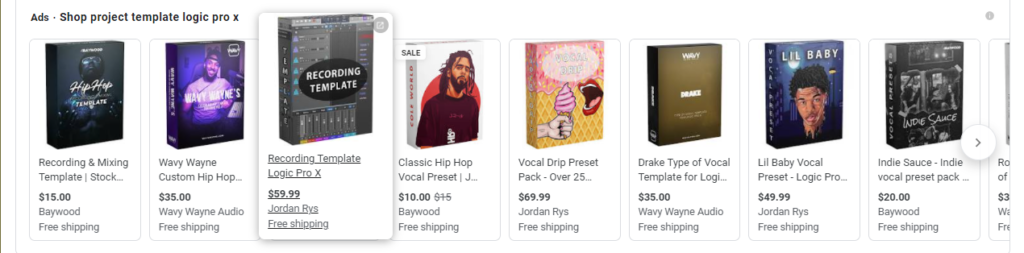
One thing about making music at home or recording music at home is that there are so many other people currently in your shoes and who are going through the same feelings you are. Because of the vast community, there are resources out there that are literally made to make your life easier. For example, one thing that I learned late in my recording career was that there are templates for just about everything.
There is no shame in purchasing a project template for you to base your workflow off of. More likely than not, the template that you work from will be formatted in a professional way and will save you a ton of time in figuring out how to get every piece of your software and hardware to work together. Additionally, there are tons of vocal templates that will lay out all of the plugins and vocal chains you need to achieve that crisp vocal sound.
5. Try Your Best to Not Get Discouraged
Remember that making music at home will be a process and that every step in your journey will yield some form success. Whether you learn to manipulate sound in a new way, or your vocals sound a little more professionally recorded than they did in your previous process, you will get better. You will find that, your process in making music at home will start to get smoother and smoother, to the point where you can identify exactly what problems you are going through, and the multiple ways you can go about tackling them to achieve the sound you need.
Remember, There Is a Recipe to Making Music
One thing that I always talk about with my colleagues is the idea of a sure-fire “Recipe” to make a hit. Now, I can’t guarantee that there is a recipe that exists for hit-making, but I do know that I believe in recipes for processes. In this debate about “Recipes”, I tend to assure my colleagues that my process in making music is the recipe. With my recipe, I can technically be in any studio in the world, and perform well, but I’ve built a recipe based on solid foundational knowledge. But If I had to choose where I had to record, I would always choose, making music at home.