- The History of Salmon Farming: From Past to Present
- Environmental Impact of Farm-Raised Salmon: Sorting Facts from Fiction
- The Ecological Footprint of Salmon Farming: Examining the Evidence
- The Health Benefits and Risks of Consuming Farm-Raised Salmon
- The Truth About PCB and Mercury Levels in Farm-raised Salmon
- Choosing Sustainable Farm-Raised Salmon: Certifications and Labels
- From Salmon Feed to Waste Management: The Complexities of Sustainable Salmon Farming
- A Sustainable Future for Salmon and Our Oceans
Salmon, with its vibrant pink hue and rich flavor, is a beloved seafood choice worldwide. Whether grilled, baked, or smoked, it never fails to tantalize the taste buds. However, have you ever stopped to wonder how that delicious salmon on your plate gets there?

Salmon is a popular seafood choice around the world, and with good reason! It’s packed with protein and healthy omega-3 fatty acids, but did you know that contrary to popular belief, most of the salmon we eat today isn’t caught swimming wild in the ocean? It’s actually raised on fish farms! Farm-raised salmon has become a big part of the seafood industry, but there’s a lot to learn about how it’s raised and what impact it has on our oceans.
This guide will be your one-stop shop for understanding farm-raised salmon, from its history to the latest innovations. So, grab your snorkel (figuratively, of course) and let’s dive deep!
The History of Salmon Farming: From Past to Present

When I was a kid, I remember going on a family vacation to the coast of Maine. We loved exploring the tide pools and seeing all the amazing creatures living there. One day, we kayaked out to a nearby island and saw a huge salmon farm in the distance. It was a massive complex with rows and rows of pens. Back then, I didn’t know much about salmon farming, but I remember wondering how it affected the ocean environment. That experience sparked my curiosity about how our food choices can impact the natural world.
When you think of salmon, you might imagine them leaping up rivers and battling strong currents. While wild salmon populations are crucial for healthy ecosystems, the reality is that farm-raised salmon is now the primary source of salmon for consumption. Believe it or not, the idea of raising fish isn’t new! People in China have been farming carp for thousands of years but salmon farming is a much more recent invention. The first successful salmon farm popped up was in Norway in the 1960s.
People liked the idea of having a reliable source of salmon, and salmon farming started to grow around the world. Today, countries like Chile, Scotland, and Canada are major producers of farm-raised salmon.
Environmental Impact of Farm-Raised Salmon: Sorting Facts from Fiction
There’s a lot of talk about the environmental impact of salmon farming. Some people worry that it might be harming the ocean. Let’s explore some of these concerns and see what science tells us.
The Ecological Footprint of Salmon Farming: Examining the Evidence

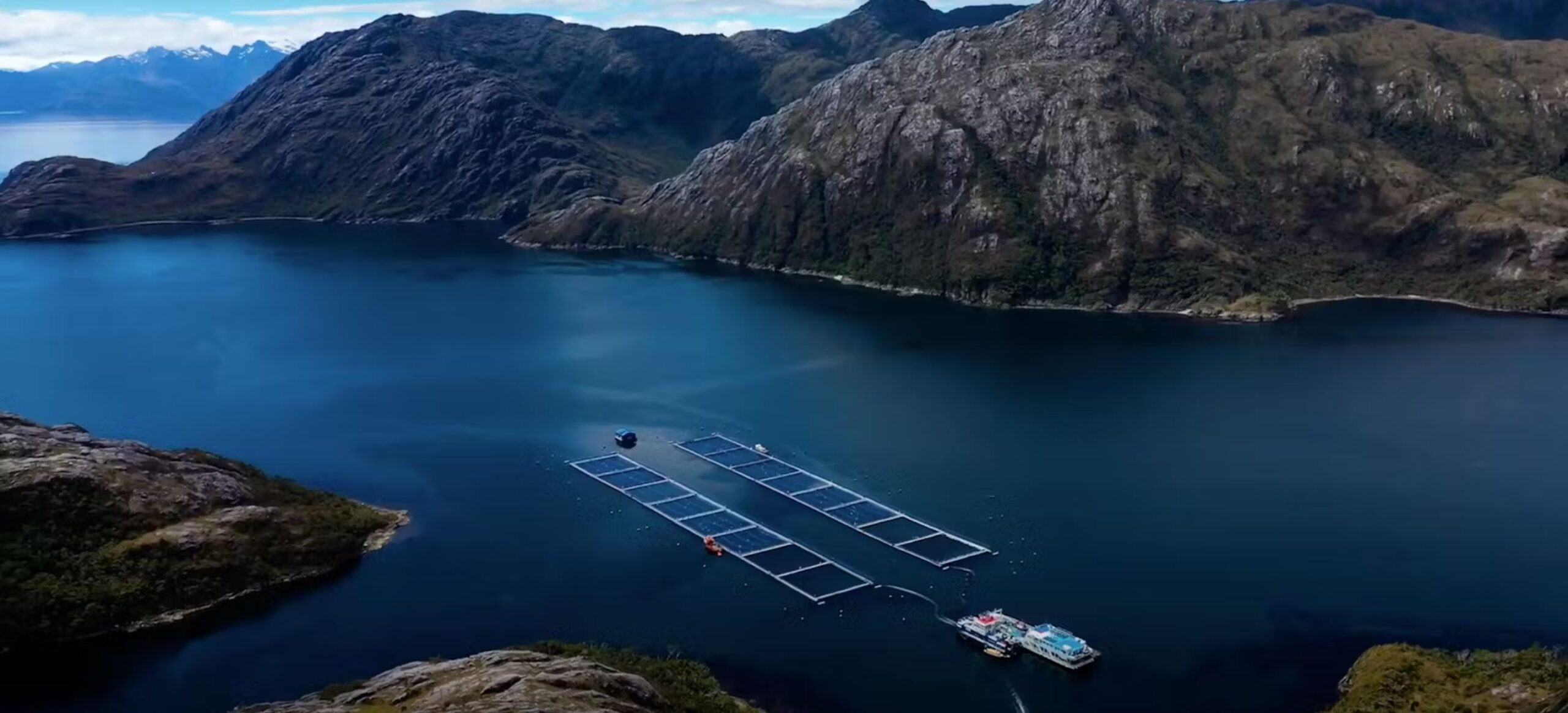
One prevalent concern is that fish farms take up space in the ocean and can disrupt the natural environment. Fish farms do need space for the pens that hold the salmon, but they’re much smaller than the vast areas wild salmon roam in. Scientists are also working on ways to create offshore farms that would have less impact on the ocean floor!
Another worry is that salmon farms pollute the water with waste from the fish and the food they eat. This is a valid concern. Fish waste can contribute to algae blooms, which can harm other ocean life. The good news is that the salmon farming industry is working on better ways to manage waste.
Some farms are even collecting the waste and turning it into fertilizer!
The Health Benefits and Risks of Consuming Farm-Raised Salmon
Farm-raised salmon is a good source of protein and healthy omega-3 fatty acids, which are essential for our cardiovascular health. However, there are some things to consider that cause concerns regarding potential pollutants in farm-raised salmon.
The Truth About PCB and Mercury Levels in Farm-raised Salmon
You might have heard that farm-raised salmon has higher levels of pollutants like PCBs and mercury. While it’s true that wild salmon gets its omega-3s from eating small fish in the ocean, farm-raised salmon gets its omega-3s from fishmeal added to its food. This fishmeal can sometimes contain small amounts of contaminants. However, studies have shown that the levels of contaminants in farm-raised salmon are very low and generally considered safe for human consumption.
Choosing Sustainable Farm-Raised Salmon: Certifications and Labels
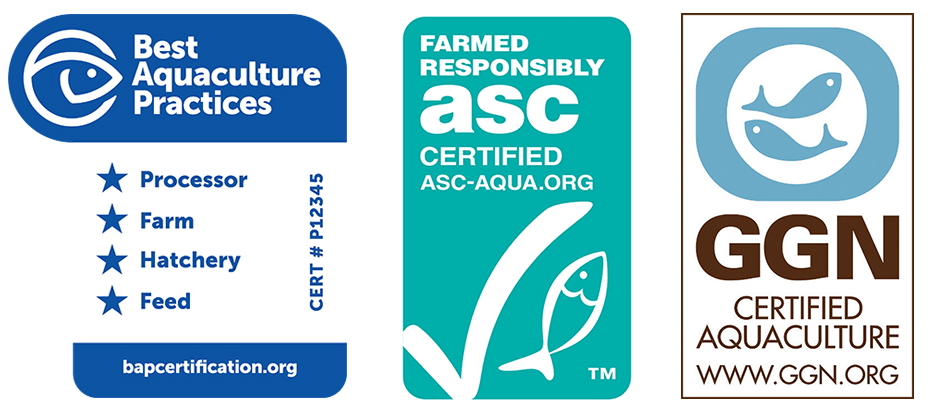
With so much information available, it can be challenging to know which farm-raised salmon to choose. Here’s where certifications come in. Look for salmon with labels from organizations like the Aquaculture Stewardship Council (ASC), Best Aquaculture Practices (BAP), or GLOBALG.A.P. (GGN) certification.
These certifications indicate that the salmon was raised according to environmental and social responsibility standards.
From Salmon Feed to Waste Management: The Complexities of Sustainable Salmon Farming

Here’s another thing to think about: the fishmeal used in salmon feed often comes from wild fish. This means that raising farm-raised salmon can put pressure on wild fish populations.
The good news is that the salmon farming industry is looking for ways to make fishmeal more sustainable. Some farms are using alternative protein sources like soy or insects in their salmon feed.
A Sustainable Future for Salmon and Our Oceans
As consumers, the choices we make have a powerful impact on the environment. By opting for farm-raised salmon from sustainable sources, we can support practices that minimize environmental impact and promote healthy fish populations.
As I contemplate the world of farm-raised salmon, I am reminded of the significant impact our daily choices can have on the environment. My childhood experiences and continued research have contributed to my understanding of sustainable living. In navigating the complexities of our modern food system, I am driven by a sense of purpose to support practices that prioritize environmental conservation and ethical stewardship. Farm-raised salmon, with its rich history and promising innovations, serves as a symbol of our collective responsibility to safeguard our oceans for future generations.
Through education, advocacy, and conscious consumption, I am committed to playing my part in fostering a more sustainable and harmonious relationship between humanity and the natural world. As I conclude this journey, I am filled with hope for a future where farm-raised salmon and other seafood delicacies will continue to be sources of nourishment for both our bodies and the planet.