Have you ever gotten sucked into a video game, completely forgetting about time? Maybe you’ve even heard someone say, “Put down that controller and go do something productive!”. Or perhaps you find video games relaxing, but others may not see it the same way you do. I know I’ve been told that many times by my relatives, but what if I told you that there are many benefits of video games that can actually improve your mental well-being? Lock in, because we’re about to unveil the benefits of video games and challenge some of the stereotypes surrounding gamers!
Overview
Challenging Stereotypes about Gamers
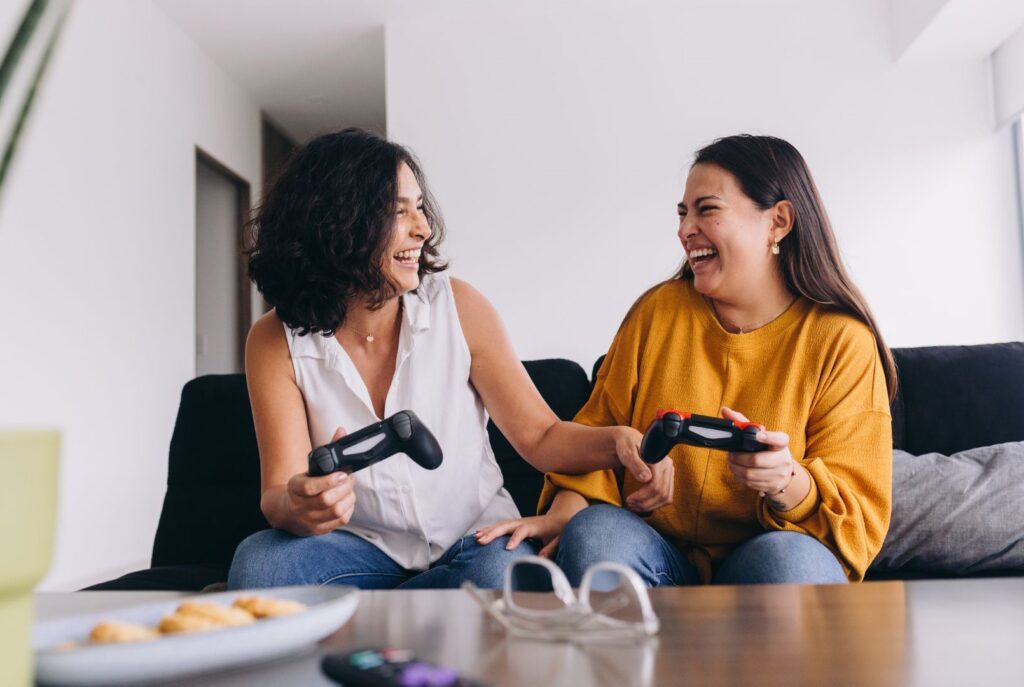
Forget the image of a teenager glued to a screen in a dark basement. Gamers come in all shapes, sizes, and ages. Doctors, teachers, lawyers – you name it, they probably game too! Video games require focus, strategy, and quick thinking. They can be social experiences, connecting you with friends online or even bringing families closer together. There are many benefits of video games that most people do not realize.
Mental Well-being Benefits of Video Games
Imagine a world where video games could help you relax and unwind after a long day. Believe it or not, that world exists! Many games offer calming, immersive experiences that can help reduce stress and anxiety. Just like reading a book or watching a movie, video games can provide a welcome escape from reality.
But the mental health benefits go beyond relaxation. Some games can actually improve your memory and concentration. Puzzle games challenge your brain to think creatively and solve problems. Strategy games require you to plan ahead and make quick decisions. Think of your brain like a muscle – the more you work it out with video games, the stronger it gets!
Still in disbelief? According to a Cosmos Magazine article, a global survey conducted by the Entertainment Software Association, in partnership with the Interactive games and Entertainment Association, found that “a majority of the 12,847 players surveyed across 12 countries say video games help reduce stress (71%), anxiety (61%), and feelings of isolation (55%)”. With the numbers outlined, here are some real-world ways gaming can contribute to a healthier mind:
Stress Relief and Relaxation
After a long day, immersing yourself in a captivating game world can be a fantastic stress reliever. Whether it’s exploring a calming landscape in a role-playing game or getting lost in a captivating story, video games can offer a much-needed escape from daily pressures.
Boosting Mood and Reducing Anxiety
Studies suggest that playing video games can increase dopamine levels in the brain, a neurotransmitter associated with feelings of pleasure and reward. This can elevate mood and reduce symptoms of anxiety. Games that involve social interaction or creative expression can further enhance feelings of connection and belonging, offering a sense of community and purpose.
Building Confidence and Self-Esteem
Overcoming challenges in video games can be a rewarding experience. Completing a difficult level, mastering a new skill, or achieving a high score instills a sense of accomplishment and boosts confidence. This feeling of success can translate into other areas of life, motivating you to tackle challenges and set new goals.
These benefits are particularly relevant for children and teenagers. Video games can provide a safe space to explore emotions, build resilience, and develop coping mechanisms for dealing with stress and anxiety.
The Role of Gamification in Education
Gaming in itself has always been seen as a private form of entertainment, but there are other ways we can use gaming to better ourselves. Have you ever wished learning could be more fun? Well, guess what? Teachers are using video games in classrooms to make learning more engaging.
Gerilyn Williams is a middle school math teacher in New Jersey. She was looking for more fun and engaging ways of teaching her students. In an EducationWeek article, Williams states that “students performed better on their final exam that [first year I gamified] than in previous years … I haven’t changed anything about the assessments. They’re still the same. The bottom line is it works”. Imagine studying history by exploring ancient civilizations in a virtual world, or practicing math by solving problems in the style of a board game.
Gamification takes the elements that make video games fun – like points, badges, and leaderboards – and applies them to learning. This can make studying more interactive and motivating, helping you remember information better.
Addressing Concerns about Video Game Violence
Just like with movies and TV shows, there are video games with different age ratings. It’s important to choose games that are appropriate for your age or your child’s age. There are tons of amazing games out there that are completely appropriate for younger players, filled with adventure, creativity, and problem-solving.
If you’re a parent concerned about violence, there are plenty of games that focus on other things entirely. Building games, sports games, and even cooking games can all be fun and engaging without any violence. However, there are studies to back up the fact that violent video games are not associated with violence in teens or children.
An Oxford University article states that “‘The idea that violent video games drive real-world aggression is a popular one, but it hasn’t tested very well over time,’ says lead researcher Professor Andrew Przybylski, Director of Research at the Oxford Internet Institute. ‘Despite interest in the topic by parents and policy-makers, the research has not demonstrated that there is cause for concern’”.
Additionally, a study conducted by The Royal Society concluded that there is no correlation between violence in video games and aggressive behavior in teens. The report states that “There was no evidence for a critical tipping point relating violent game engagement to aggressive behaviour”. As with any activity, it is best done in moderation. Parents should be mindful of how long and what type of video game content their kids engage in.
The Evolving Cultural Landscape
Video games are no longer just a hobby for kids. They’ve become a massive part of popular culture. There are professional gamers who compete for millions of dollars in prize money! People watch others play video games online, just like they might watch sports. According to Yahoo Finance, “Esports is growing at a fast pace and is one of the industries that has made millionaires out of young people”. They give the example of Illya Mulyarchuk, a 20 year old DOTA 2 player who won $3.7 million from a single gaming event at the age of 18!
This growing popularity shows that video games are more than just mindless entertainment. They can be creative, artistic, and even educational. The next time you pick up a controller, you might be surprised at the amazing experiences waiting for you.

Personal Note
As an avid gamer myself, I know what it feels like to be judged for spending a considerable amount of my free time playing video games. My parents were concerned with my interests in first person shooter titles like Call of Duty, Battlefield and Counter Strike. I saw these games as stress relievers and the violent nature of these titles never affected my behaviors with my family. My parents realized these games had no impact on my behaviors and their concerns were alleviated. I am here to encourage you and your family to engage in video games (whether they be violent titles or not) to find a new way of not only having fun, but improving your mental health!
Beneficial Video Game Recommendations
With so many games out there, it can be tough to know where to start. Here are a few recommendations to get you going, depending on what you’re looking for:
Relaxation and Creativity
Try exploring a beautiful open world in a game like Minecraft or Journey.
Problem-Solving
Puzzle games like Portal or The Witness will challenge your brain in a fun way.
Strategy and Teamwork
Team up with friends in online games like Fortnite or League of Legends (remember, these are best for older players!).
Learning and History
Educational games like Civilization or Assassin’s Creed can teach you about different cultures and time periods.
Brain Teasers
Try puzzle games like “Monument Valley” or “Portal” that will challenge your thinking skills!
Teamwork and Communication
Multiplayer games like “Overcooked” or “Keep Talking and Nobody Explodes” require teamwork and communication to succeed – perfect for playing with friends or family!
Curated Video Game Services
Keep in mind, there are also subscription based offerings, like Apple Arcade, where you or your kids can have access to a curated games library free of ads and violent themes. Apple Arcade works closely with developers who align with their core values to deliver a family friendly gaming experience free of potentially explicit advertising.
This is just a small sampling of the incredible games available. With a little research, you’re sure to find the perfect game for you, whether you’re a seasoned gamer or just starting out.
So next time you hear someone criticize video games, share this article with them! Video games can be a fun, rewarding, and even educational way to spend your time. And who knows, you might even discover a hidden talent or passion along the way. Happy gaming!