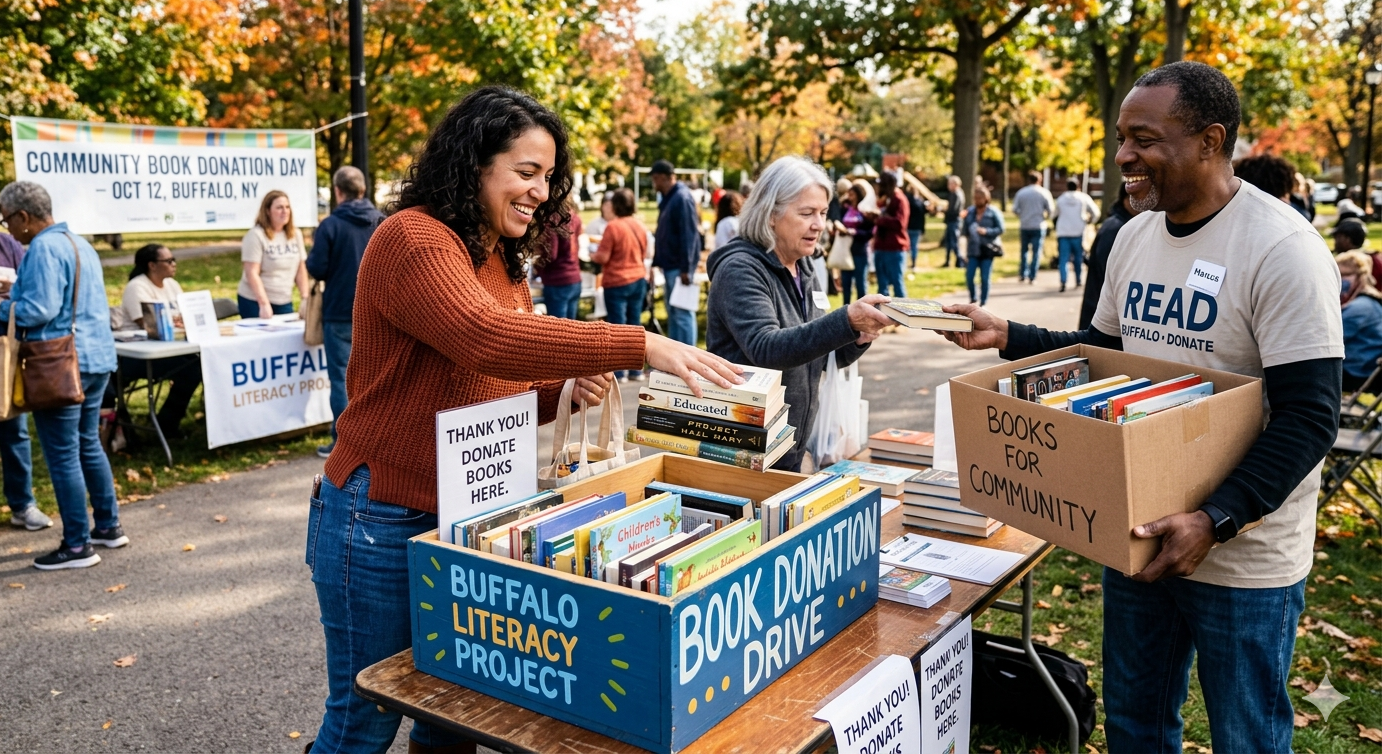
Books are far more than just ink on paper; they are gateways to new cultures, customs, and concepts. For many, the question of where to donate books isn’t just about clearing shelf space—it’s about passing on a sense of discovery and entertainment to those who might otherwise face financial barriers to accessing literature. In a world where information is power, sharing our personal libraries is a vital act of upcycling that reduces waste and fosters global equity. This guide will help you navigate the best options for book donation, ensuring your contributions make a real difference.
Table of Contents
- Addressing the Literacy Crisis Through Book Donation
- The Best Places Where to Donate Books Locally
- The Golden Rule of Book Donation: Respecting Dignity
- Overcoming the “Fear of the Unread” in Book Donation
- Frequently Asked Questions (FAQs) about Donating Books
Addressing the Literacy Crisis Through Book Donation
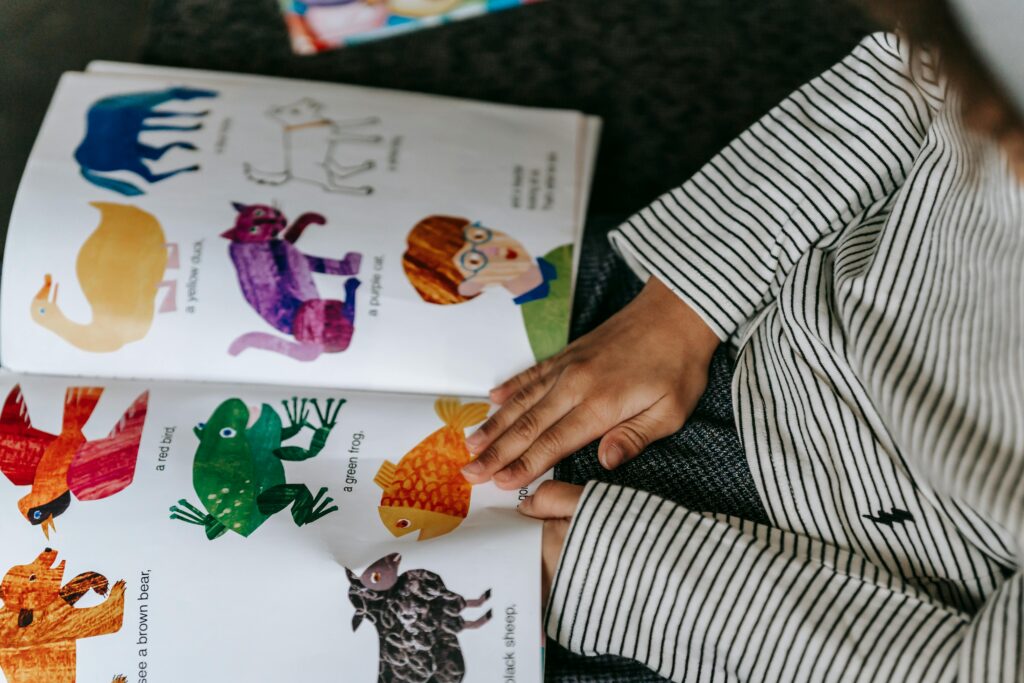
We are currently facing a global literacy crisis that affects millions of people’s ability to participate fully in society. In many regions, access to books is a luxury that remains out of reach for the most vulnerable. When we choose to donate books, we aren’t just moving objects; we are providing the tools for education and empowerment. Living in a community where books can be shared freely is a privilege that carries the responsibility to ensure these resources reach those who need them most. Your act of book donation directly contributes to bridging this gap.
If you’re looking for more ways to make a difference beyond just books, you might find this guide on how to help refugees particularly insightful, as it covers practical aid and long-term belonging for those in urgent need.
“Just because someone is in a vulnerable situation does not mean they don’t deserve quality. Every book we pass on should be a gift, not a burden.”
The Best Places Where to Donate Books Locally
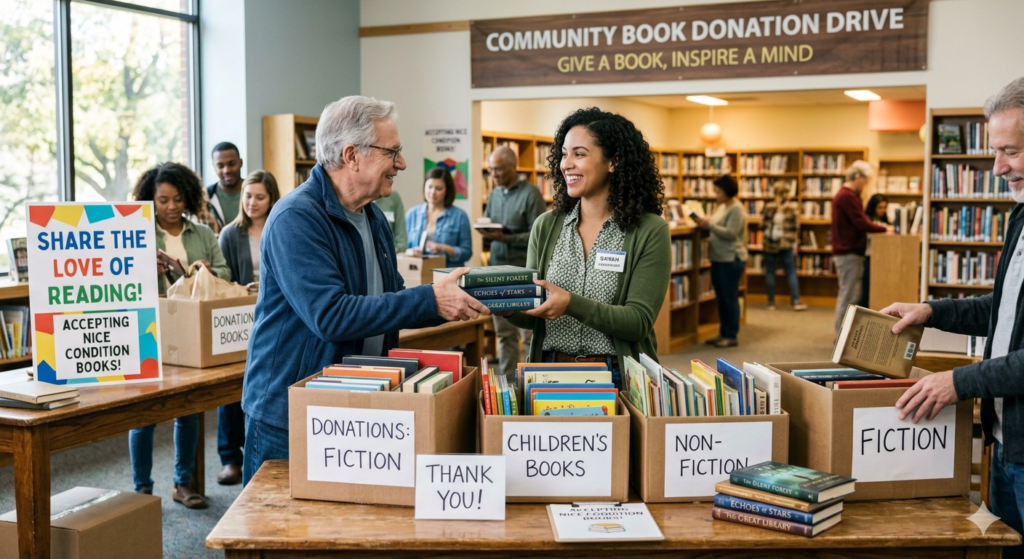
When people ask where to donate books, the standard advice usually points toward large thrift stores or national charities. While those are valid options, I strongly advocate for a more hyper-local, community-driven approach to book donation.
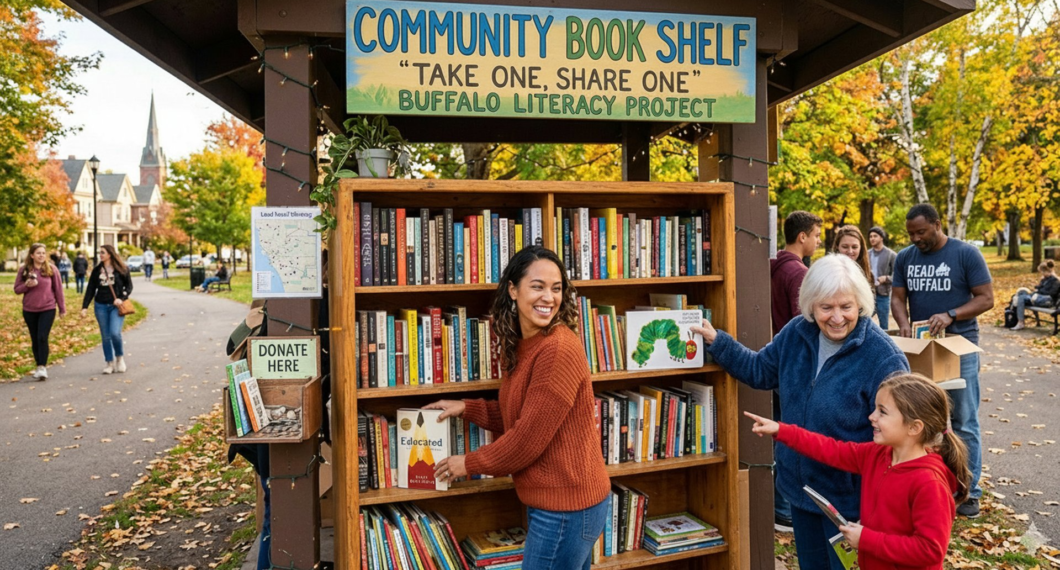
The Power of Community Bookshelves for Book Donation
Local community bookshelves (often called “Little Free Libraries”) are my personal “hidden gem” for donations. This method of book donation is incredibly low-effort and requires minimal transportation. More importantly, it keeps the resources directly within your neighborhood, making literature accessible to everyone regardless of their financial situation.
To find these gems for your next book donation, I recommend checking:
- Community Facebook Groups: Neighbors often post the locations of new or under-stocked bookshelves here.
- Neighborhood Apps (like Nextdoor): These are excellent for real-time communication about where books are needed most.
- Local Coffee Shops or Laundromats: Many local businesses host small “take one, leave one” shelves that serve the immediate community.
For those who enjoy the thrill of finding quality items while supporting a good cause, learning how to shop at the thrift store like a pro can help you identify which books are truly “gift-ready” for your next donation.
The Golden Rule of Book Donation: Respecting Dignity
If there is one “golden rule” I swear by for book donation, it is this: Always donate books in good condition. It is easy to get caught up in the excitement of helping, but we must remember that the recipients are human beings who deserve respect.
A vulnerable situation should not be an excuse for us to offload items that are torn, moldy, or missing pages. If a book is in a condition that you wouldn’t give to a friend, it’s likely better off being recycled than donated. Respecting the recipient’s dignity means providing them with a reading experience that is enjoyable and complete. This thoughtful approach to donation ensures your generosity is truly appreciated.
This commitment to quality is a form of responsible consumption. By ensuring our donations are in excellent shape, we follow the principles of reducing waste as a consumer, treating every item we pass on with the care it deserves. This applies equally to book donation as it does to clothing.
Overcoming the “Fear of the Unread” in Book Donation
A common misconception that discourages people from donating books is the fear that “no one will actually read it.” We often hesitate, wondering if our specific taste in genres or niche topics will find an audience.
My advice? Once you make a donation, leave the concerns where they are. Readers come from all walks of life and have incredibly diverse interests. That one book you’re unsure about might be the exact thing someone else needs to see today. It could become a pivotal part of their life, sparking a new interest or providing much-needed comfort. Don’t let the fear of a book sitting on a shelf stop you from giving it the chance to find its next reader through your generous donation.
Frequently Asked Questions (FAQs) about Donating Books
Where is the best place to donate books for immediate community impact?
The best place for immediate impact is a local community bookshelf or a “Little Free Library.” These allow your neighbors to access books directly without any red tape or cost, fostering a culture of reading right where you live. This form of book donation is highly effective.
What should I never donate when giving books?
Never donate books that are significantly damaged, have water damage/mold, or are missing pages. Additionally, outdated materials like old encyclopedias or outdated software manuals are often better recycled than donated, as they may provide incorrect information to the reader. Always prioritize quality in your donation.
How do I find community bookshelves near me for book donation?
Check local community Facebook groups, neighborhood apps like Nextdoor, or the official Little Free Library map online. Often, these are located in residential areas, near parks, or outside local small businesses, making book donation convenient.
Is it better to donate books to a library or a thrift store?
Both are good, but they serve different purposes for book donation. Libraries often sell donated books to fund their programs, while thrift stores sell them to support their charitable missions. If you want the book to go directly into a reader’s hands for free, community bookshelves are often the best choice for your donation.
© 2026 Book Donation Insights. Empowering communities through literacy and purposeful giving.