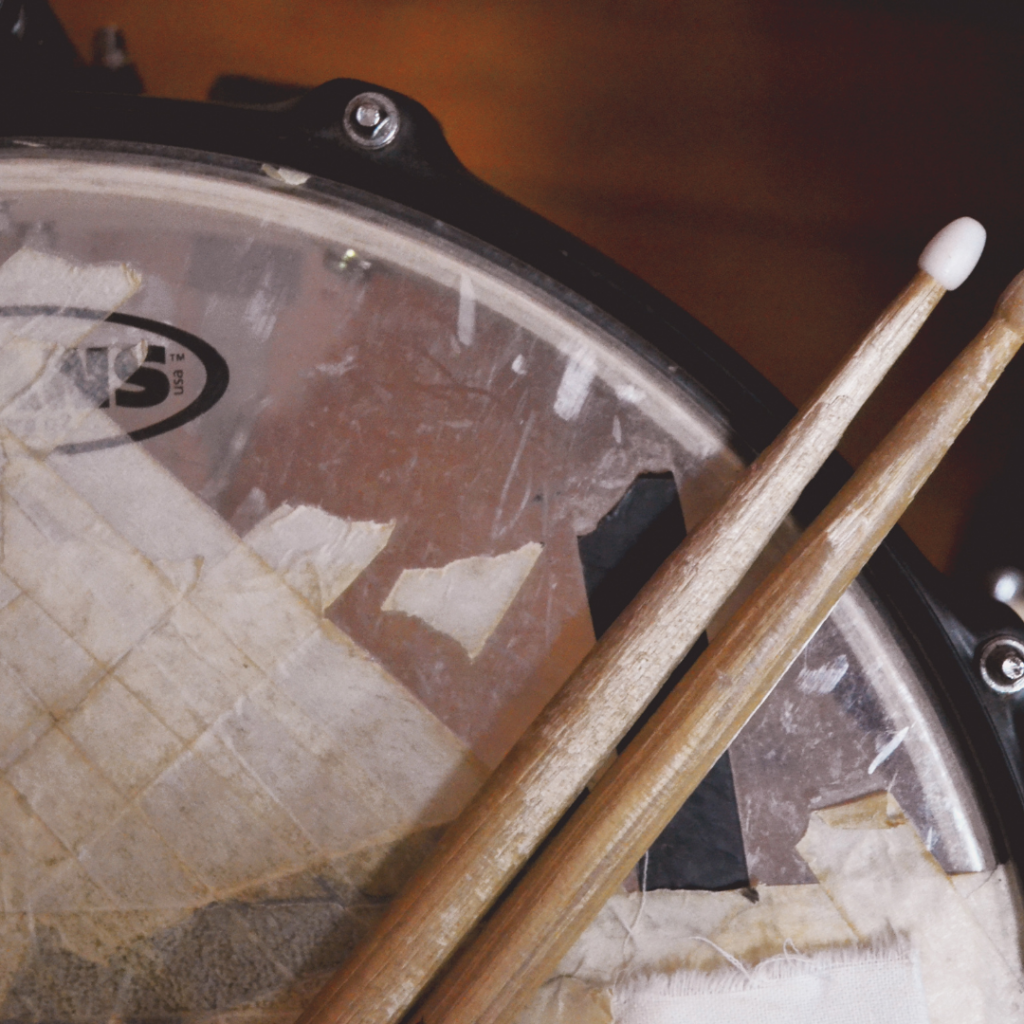
There are numerous advantages to playing an instrument for physical and mental health.
People have played instruments for centuries without knowing how the practice has positively affected them. Modern studies have showcased the amazing benefits that playing an instrument has on every aspect of the body including physical, mental, and health. Practicing a musical instrument can reduce stress, increase brain activity, and even strengthen your immune system!
Benefits for your Health and Immune System
Stress Relief
A study on the usefulness of music in reducing stress was recently published by the National Center for Biotechnology Information. Volunteers were divided into three groups for the experiment. Each group was given a distinct stimulus before being exposed to a stressor. Group 1 includes relaxing music, Group 2 includes the sound of rippling water, and Group 3 includes resting with no sound. Their stress levels were then assessed. The researchers discovered that those who listened to soothing music before being exposed to the stressor had much lower cortisol (the stress hormone) levels than the other two groups. If you’re like me and find it easy to become agitated, listening to music may help you relax. Furthermore, to be successful at the piano, holding a violin, or the guitar, you must be entirely focused. As a result, you gain half an hour, an hour, or even more of free time during which you don’t have to worry or think about anything else. When practicing or performing, many professional musicians describe themselves as “in the zone.” This fascinating phenomena is known as a “flow state” in modern psychology. A flow state is a good mental state in which a person participating in an activity is completely engrossed in it while also enjoying it and losing track of time. This allows people who play instruments to feel completely at ease and keeps anxiety levels at a low.

Benefits for the Brain
Playing an instrument can have several benefits for your brain as well. A study discovered an increase in gray matter in numerous locations of professional musicians’ brains. In some locations, amateur musicians had less grey matter, whereas non-musicians had the least gray matter. Gray matter, according to Via Radiology, supplies us with the ability to process information. The higher the volume of gray matter in your brain, the more advanced you are in music. Furthermore, practicing an instrument can increase your memory! Recent studies have discovered that people who had received musical training had much stronger verbal memory than people who had not had musical training. The more musical training individuals received, the more words they could recall. Playing a musical instrument not only increases blood flow in the brain, which can help an individual who is low on energy, but it also contributes to brain development and long-term memory capacity, according to research. Playing a musical instrument necessitates a high-working memory load, which aids in the expansion of the student’s working memory capacity. Improvements in cognitive ability follow as a result of this. Therefore, it can increase test scores and overall performance in school. Studies suggests that reading music regularly can read faster and even do better in math.

Benefits for your Health and Immune System
Most people are surprised to find out that having musical skills can even strengthen your immune system. However, researchers have recently discovered that listening to and playing music boosts the immune system’s efficacy by increasing the creation of the antibody immunoglobulin A and natural killer cells, which target invading viruses. The stress hormone cortisol is also reduced by music. Physiologists Daniel J. Levitin and Mona Lisa Chanda discovered that listening to music and playing an instrument improved the immune system while researching the benefits of music. The antibody immunoglobulin-A is produced as a result of these actions. Immunoglobulin-A is a virus-killing natural killer cell. Pick up the guitar and start playing if you start to feel under the weather!
Learning an instrument not only benefits your physical health, but it can also benefit your mental health. According to the ADAA, depression is the leading cause of disability among people aged 15 to 44 years old in the United States. It affects almost 16 million adults in the United States, or around 6.7 percent of the adult population. These figures should come as no surprise, given how prevalent it is for someone with an anxiety illness to also be depressed. In fact, about half of all people who are diagnosed with depression also have anxiety problems.
Learning an instrument, fortunately, aids in the treatment of depression in the same manner as it aids in the treatment of worry and stress.

The effects of instrumental use has been heavily studied and each instrument seems to have its own benefits while also sharing similar benefits with each other.
The instruments are listed below:

One of the most beneficial aspects of playing a wind instrument is that it allows you to breathe more easily. Your inhalation and exhalation improve as you play, which helps to open up your lungs.