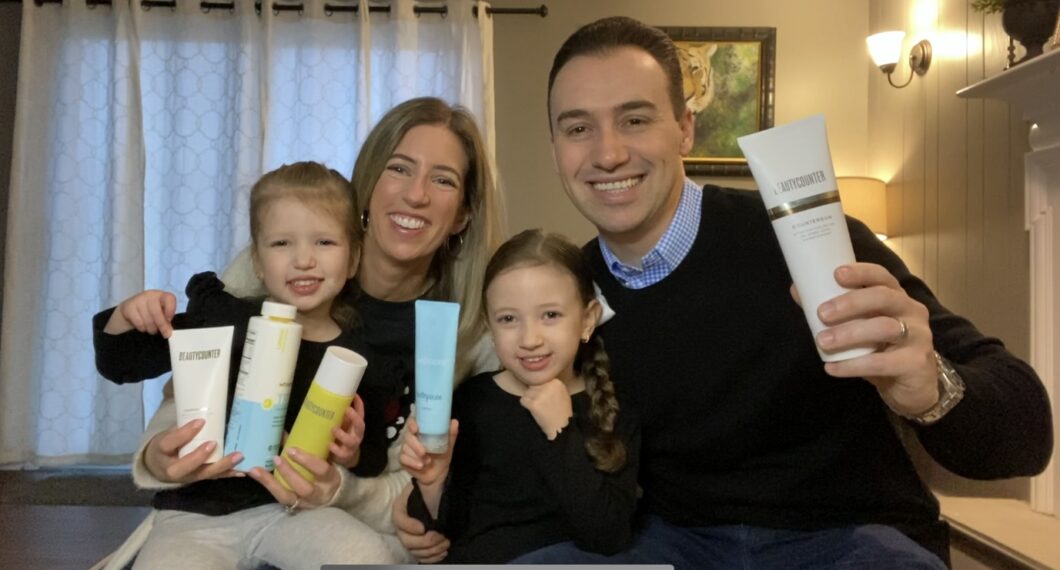
Welcome and congratulations on taking the first step towards living a cleaner nontoxic lifestyle! In this webpage, you will learn about the hazardous products you and your family are likely consuming today and don’t even know it. You will also learn about safer product alternatives and be given access to resources to educate you on your journey. I will warn you, once you know about the dangers of toxic products you are using, and how easy and affordable it can be to switch to nontoxic ones, it will be difficult for you to go back to your old ways. Are you ready to get started? Please keep reading.
Jump To:
- First, is it even possible to live a completely nontoxic lifestyle?
- If you see “fragrance,” RUN!
- How can I tell if my products are hazardous or toxic?
- Where should I start? Check out these 3 products first.
- What companies can I trust?
- Want to learn more and stay connected to our nontoxic lifestyle journey?
First, is it even possible to live a completely nontoxic lifestyle?
The short answer is “no.” Every day toxins enter our body through ingestion, inhalation, or skin contact and there is no way to completely avoid them. However, by being intentional and avoiding products that are known to be harmful, we can do our bodies a great service in the long run. A toxin is a poisonous substance that interferes with cellular functions and causes damage to human tissues, organs, or bodily systems. Toxins affect each of our bodies in various ways, depending on their type and levels of exposure. Some toxins can cause immediate symptoms such as skin irritation, nausea, and vomiting, while others may cause potentially fatal health problems such as cancer, neurological damage, or reproductive disorders.
The Center for Disease Control and Prevention (CDC.gov) has a lot of educational materials, like the information above, on toxicology that you may find helpful, including an Introduction to Toxicology module. To live a more nontoxic lifestyle I encourage you to continue educating yourself, ask for ingredient lists, research the products you consume, and advocate for more regulations in the cosmetic and food industries.
If you see “fragrance,” RUN!
Flip a nearby cosmetic product over and read the ingredients label. If you see the words “fragrance” or “parfum” it means your product has an undisclosed mixture of scent chemicals and ingredients used as a fragrance. These terms act as a “catch-all,” or a black hole depending on how you feel about it, for companies to load potentially hazardous and toxic chemicals into the product without having to disclose exactly what’s in it. It’s a loophole preventing you from living a nontoxic lifestyle. Fragrance mixes have been tied to allergies, dermatitis, respiratory distress, and potential effects on the reproductive system. So, if you see these terms, buyer beware! Plenty of products are now available on the market with transparent ingredients, so shop around and find a safe product.
How can I tell if my products are hazardous or toxic?
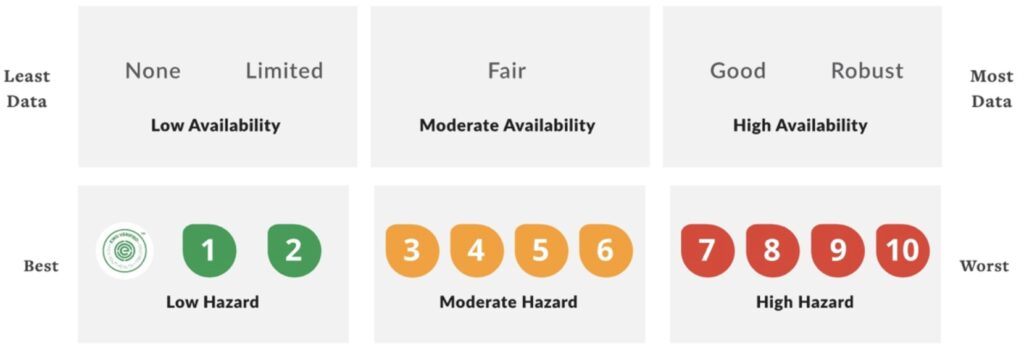
As we just discussed, cosmetics and personal care products can hide ingredients in their products, but did you also know that they are not required to be tested for safety before selling to consumers? The good news is that the EWG.org website and its Skin Deep database have done the work for you. Its scoring system was designed to help consumers like you understand whether a product is safe to use or whether it contains ingredients of concern. There are two scores for each product tested; one for hazard rating, and one for data availability rating. The safest scores have a low hazard rating (1-10) and a fair or better data availability rating. The best rating a product can receive is an EWG-verified stamp of approval. See the grading scale below to help you live a nontoxic lifestyle. You can also download their mobile application so you can easily access the Skin Deep database anywhere from your cell phone.
“To live a more nontoxic lifestyle I encourage you to continue educating yourself, ask for ingredient lists, research the products you consume, and advocate for more regulations in the cosmetic and food industries.”
Where should I start? Check out these 3 products first
Are you feeling overwhelmed? I know this can be a ton of information and I may have just started to pull back the onion layers as you frantically run to your bathroom, or medicine closet, and begin checking product labels on the EWG.org website! Before jumping off the deep end let me offer a place to start your nontoxic lifestyle.
Deodorants
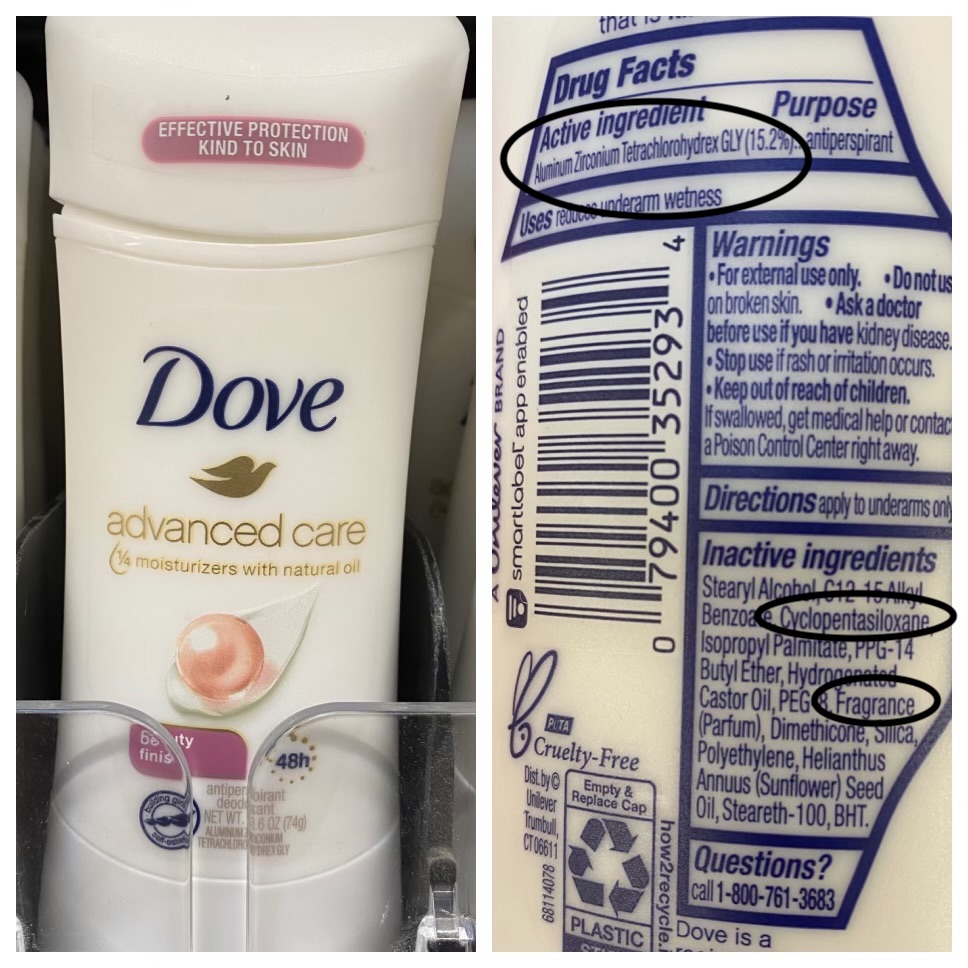
Deodorants, especially antiperspirants, contain aluminum which helps to limit sweating. Exposure to aluminum has been tied to breast cancer and Alzheimer’s disease. Cyclopentasiloxane is another common ingredient in deodorants. It is used for its hair conditioning and skin softening abilities; however, its persistence and bioaccumulation qualities are concerning. Persistence and bioaccumulation, in simplest terms, means cyclopentasiloxane does not easily break down over time and builds up in our healthy tissues which can potentially cause harm. Persistence and bioaccumulation chemicals are heavily regulated in larger quantities and different industries, but not in cosmetics.
Face washes
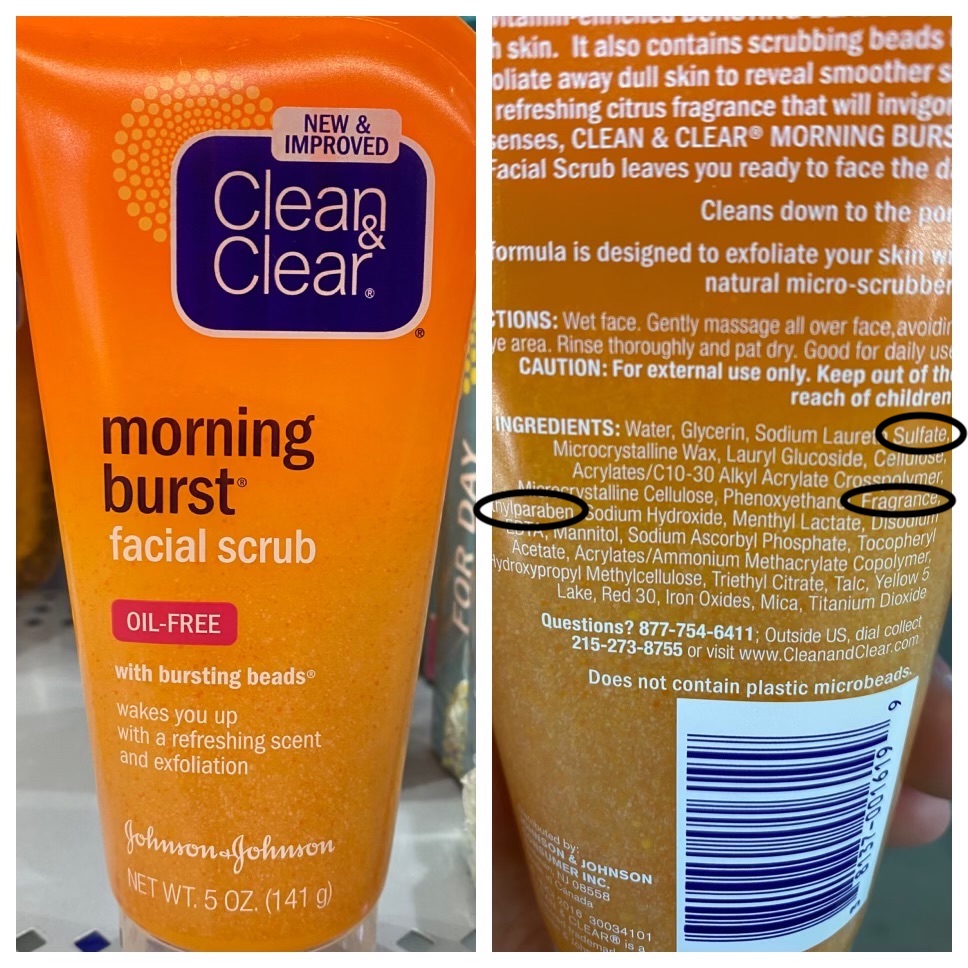
Face washes can contain parabens which are used as an inexpensive preservative. Parabens mimic estrogen and can act as potential hormone system disruptors. Some studies have suggested that exposure to parabens may be linked to a variety of health problems, including breast cancer, reproductive problems like infertility and menstrual cycle irregularities, and developmental disorders such as ADHD and autism. Another common hazardous ingredient to watch out for includes sulfates. Sulfates are added to aid in the removal of oils and dirt from the skin but can irritate your skin and eyes. Some have been found to be contaminated with cancerous carcinogens too.
Sunscreens
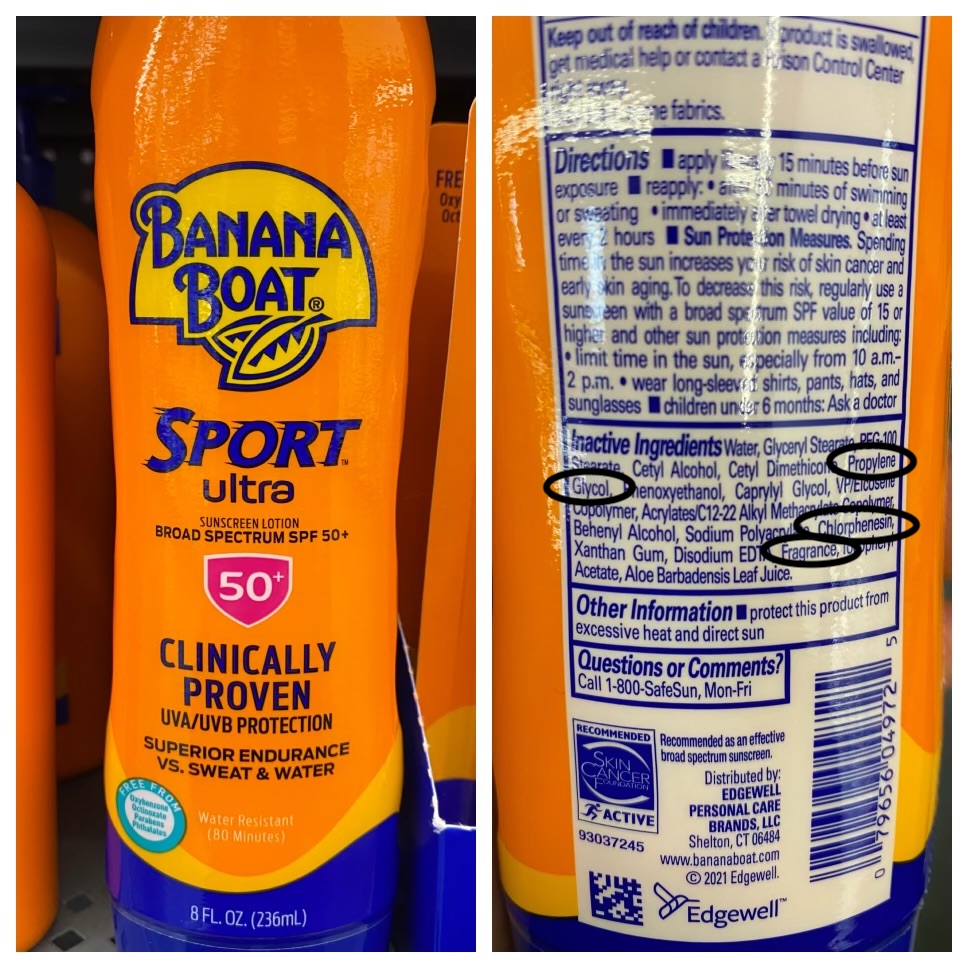
Some sunscreens contain a chemical called chlorphenesin which serves as a synthetic preservative. Chlorphenesin can cause skin irritation and allergic reactions in some people including redness, itching, hives, swelling, and even difficulty breathing. Sunscreens can also include an ingredient called propylene glycol which serves as a skin conditioning agent. There is some evidence that suggests propylene glycol may be toxic to the nervous system causing symptoms such as headaches, dizziness, nausea, and fatigue.
“It’s a loophole preventing you from living a nontoxic lifestyle”
What companies can I trust?
Without a catalyst to change (e.g., regulation), the cosmetics industry has been slowly becoming more transparent, safer, and nontoxic. There are more companies and products operating in this space than say 5 years ago, but there is still a long way to go. My family and I have found quality products come from the below two companies, which we endorse as a great place to start your nontoxic lifestyle.
Beautycounter
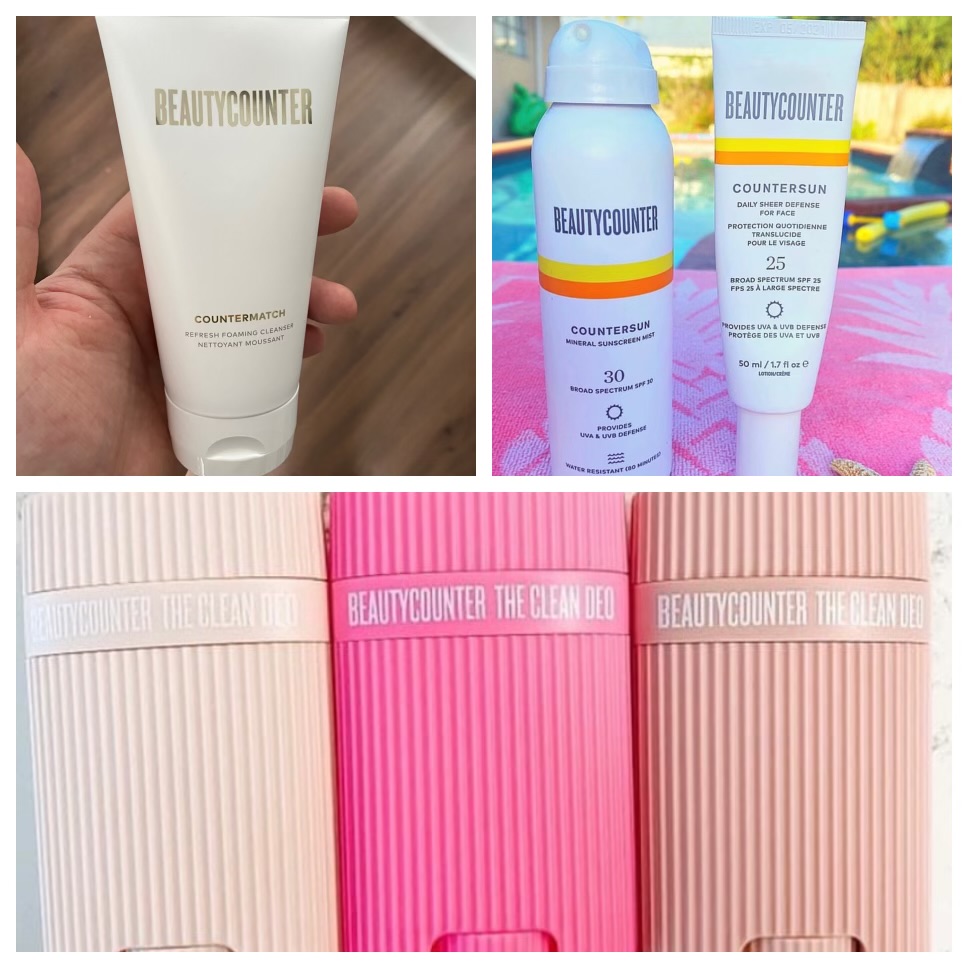
Beauty Counter sells predominately in three segments: Skin Care, Makeup, and Bath & Body. All of its products are verified clean by EWG. The products we personally use and purchase the most include:
- The Clean Deo Deodorant: No aluminum, doesn’t clog lymph nodes, and uses a reusable dispenser that is refillable with new deodorant cartridges so we use less plastic.
- Countersun Sunscreen: Great protection from the sun with a variety of SPFs available and dries quickly with a non-greasy feel.
- Countermatch Refreshing Forming Cleanser: Strong enough to remove dirt, oils, and makeup but sensitive enough to use daily without drying out our skin.
Modere
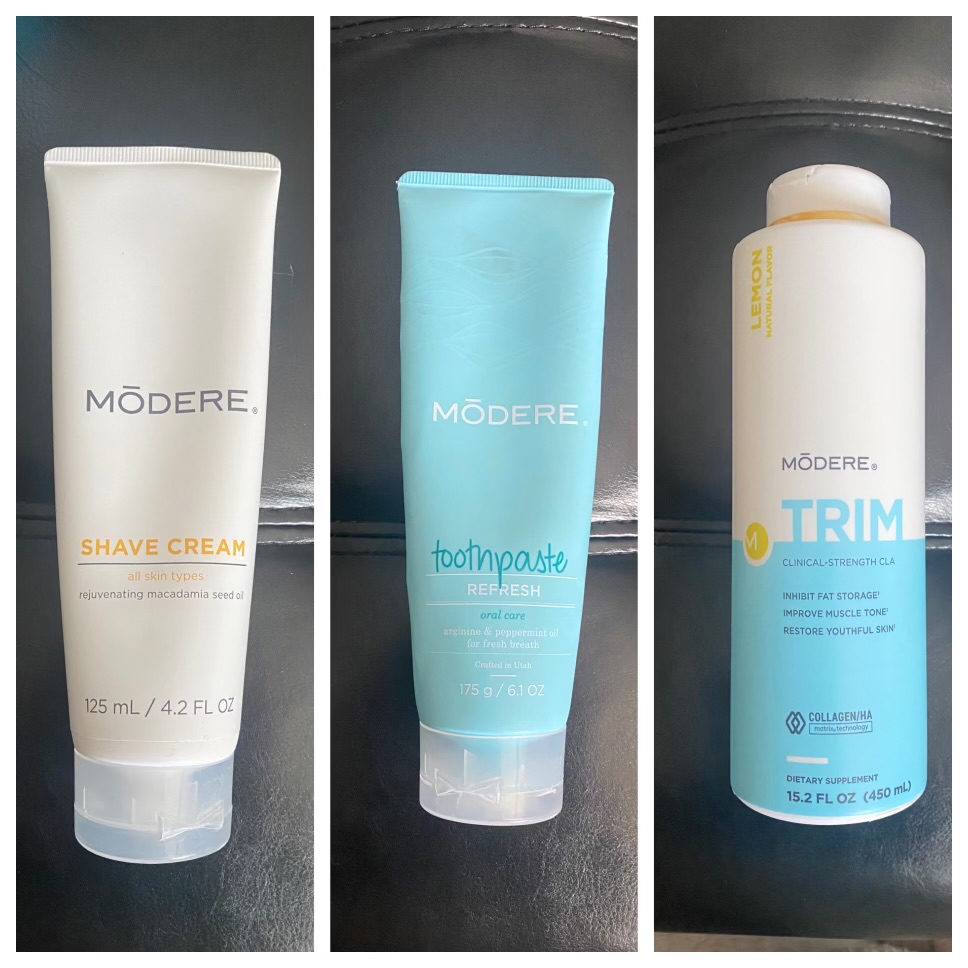
Modere sells in four segments: Lean Body (think collagen), Personal Care, Health & Wellness, and Household Care. The products we personally use and purchase the most include:
- Shave Cream: Lathers nicely so you only need a small portion and is semi-opaque allowing you to see where you are shaving.
- Toothpaste Refresh: Fluoride-free and mild flavor so it doesn’t have the burning sensation that other mouthwashes and kinds of toothpaste have. Fluoride can accumulate in the sections of the brain responsible for memory and learning, especially in children.
- Trim Collagen: Liquid collagens perform better than powder or pill forms. This one in particular is boosted with conjugated linoleic acid (CLA) which helps inhibit fat storage, improve muscle tone, and restore youthful skin.
Please note, we are so passionate about our nontoxic lifestyle that we have formally partnered with these companies as affiliate marketers. If you are interested in becoming an affiliate marketer like us, and joining our mission of getting more safer and nontoxic products into the hands of consumers, please send us a direct message.
Want to learn more and stay connected to our nontoxic lifestyle journey?
Here again, is the EWG.org website and Skin Deep database to help you search your cosmetic products and learn about their ingredients and hazard rating.
Please give our Instagram page a follow to learn more about our journey and new safer product innovations as they are released. Is Instagram not for you? We also send out a monthly e-newsletter that you can subscribe to. Lastly, there are nontoxic lifestyle suggestions on our YouTube channel like this video below on clean product swaps.