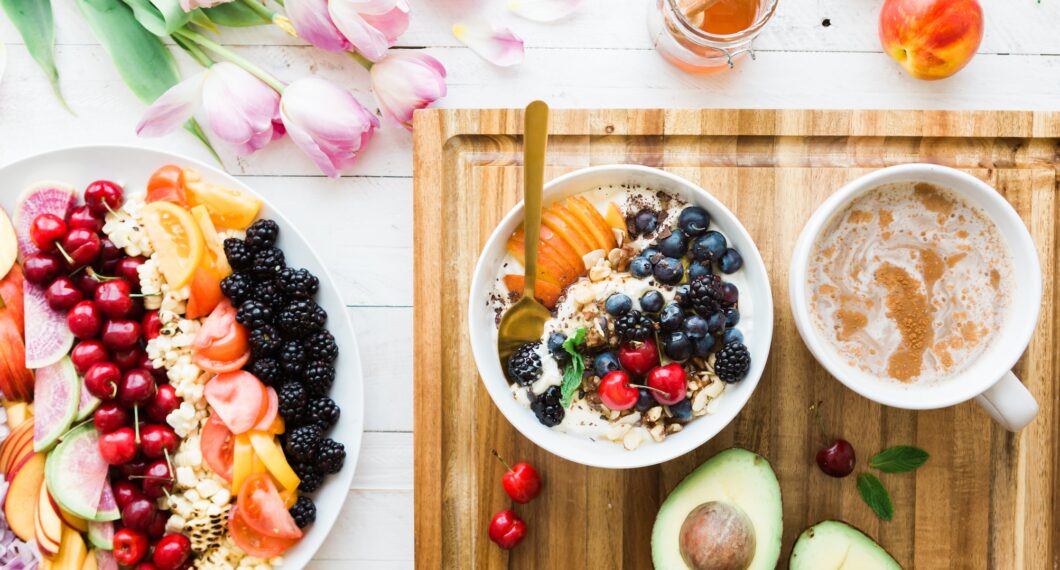
They say you are what you eat. Your diet and nutrition play a major role on your mental health. The goal of this article is encourage eating better, not less! Here is your guide to healthy eating habits to take care of your mind, to boost your mood, and to be the best version of yourself.
What’s On The Table
- Why We Should “Mind” Nutrition
- Add These To Your Plate
- Foods to Stay Away From
- Tips for Healthy Eating
- Summary

https://unsplash.com/photos/otyxnXPBtOQ
Why We Should “Mind” Nutrition
There is so much stigma around eating healthy to look your best, but what about feeling your best? Proper diet and nutrition play an important role in positive mental health and overall wellbeing. In fact, nutritional psychiatry studies just that- it is the field that studies how your diet affects your mental health. Dr. Deborah Fernandez-Turner, Deputy Chief Psychiatric Officer at Aetna, says “Good health describes a condition of optimal wellbeing. That means your body and the mind, operating in harmony. Both are equally important when defining your health journey”. According to Aetna, there is a certain science for how our eating affects our mood, and it deals with our brain and our gastrointestinal (GI) tract. Billions of bacteria are in our GI tracts, which produce chemicals that bring messages to the brain. Two well known of these chemicals are serotonin and dopamine. When we eat nutritious foods, it stimulates the growth of good bacteria, which helps the production of these chemicals and brings positive messages to the brain. Nutritious foods increase alertness, concentration, and attention span, and positively affect our mood. When we eat unhealthy foods, it creates inflammation and the growth of bad bacteria. This bad bacteria can lead to issues in mental health and a negatively affected mood. It also may bring along fatigue, slow reaction time, and symptoms of depression and anxiety. By paying attention to what we eat, we can have power over the way we think and feel.

https://www.pexels.com/photo/woman-holding-a-smiley-balloon-1236678/
Add These To Your Plate
So what exactly are those nutritious foods that positively affect our mental health? There are many answers beyond this, but here is a great start.
Whole foods: These are foods that are not processed, or that are processed very little. Think whole fruits and vegetables- these naturally colorful foods are high in nutrients and vitamins. Dark leafy greens, citrus fruits, and berries all particularly aid in positive mental health.We should strive to “eat the rainbow”, that is, try to eat a wide variety of colorful foods each day.
Whole grains and complex carbs: Foods like brown rice, quinoa, barley, oats, sweet potatoes, and beets all give us energy through protein and fiber and are very filling. Healthline states “one recent study including more than 3,000 adults found that a higher dietary fiber intake was linked with lower risk of anxiety, depression, and psychological distress”.
Legumes: These are all kinds of beans, peas, and lentils. These are packed with protein and fiber, and often are used as meat substitutes. Many nutritionists believe that eating a lot of beans in your diet can even help you to live longer!
Nuts and seeds: These contain healthy oils and fats, such as omega-3 fatty acids. It is healthy to have a handful of these a day, but eat in moderation due to their high fat content.
Fermented foods: These are foods that are good for your gut and can lessen your body’s reaction to stress. These might be yogurt, kimchi, kombucha, and sauerkraut. Eat these in moderation as well as they can be high in sodium.
A well-balanced diet of these types of foods will not only positively affect your gut and your physical wellbeing, but also your mental health and mood.
Foods to Stay Away From
Although they are a part of nearly everyone’s diet, there are many foods that nutritionists warn we should avoid. These foods are high in calories, salt, and sugar. Here are three foods that may harm your mental health as highlighted by Healthline.
Processed foods including processed meats: These foods contain chemicals like preservatives, food dyes, and other artificial additives that can worsen depressive and hyperactivity. They also don’t hold much nutritional value which our bodies require. Unfortunately, many of these types of foods are designed to be addictive through their strong and enhanced flavors, especially junk food.
Sugary foods and drinks: Sweets are great, but what’s not so sweet are the negative effects of it. Sugar causes inflammatory issues in digestion and encourages the bad bacteria in our GI tracts. It creates an imbalance in the chemicals in our brain and can fuel anxiety. If consumed in excess, it can lead to sugar rushes from spikes of dopamine. These mood swings are not definitely not ideal for our systems.
Fried foods: Everyone loves french fries, but they don’t love you. Fried foods are cooked in and contain high amounts of hydrogenated oils. They have been connected to higher risk of Alzheimers and Dementia, as well as symptoms of depression.
Tips For Eating Healthy
For all those looking to make a change towards proper nutrition and a happy mind, it can be a bit of an adjustment at first. Here are three solid recommendations to ease that transition.
1.) Start a food journal
One recommendation is to start a food journal. In this log, keep track of what you are eating and how you feel mentally and physically afterwards. This will help you to narrow down what foods are doing you good and which ones aren’t having a good effect. Many people don’t pay too much attention to what they are eating all the time, so this exercise will help you to see patterns and to make the right adjustments going forward.
2.) Prep healthy snacks ahead of time.
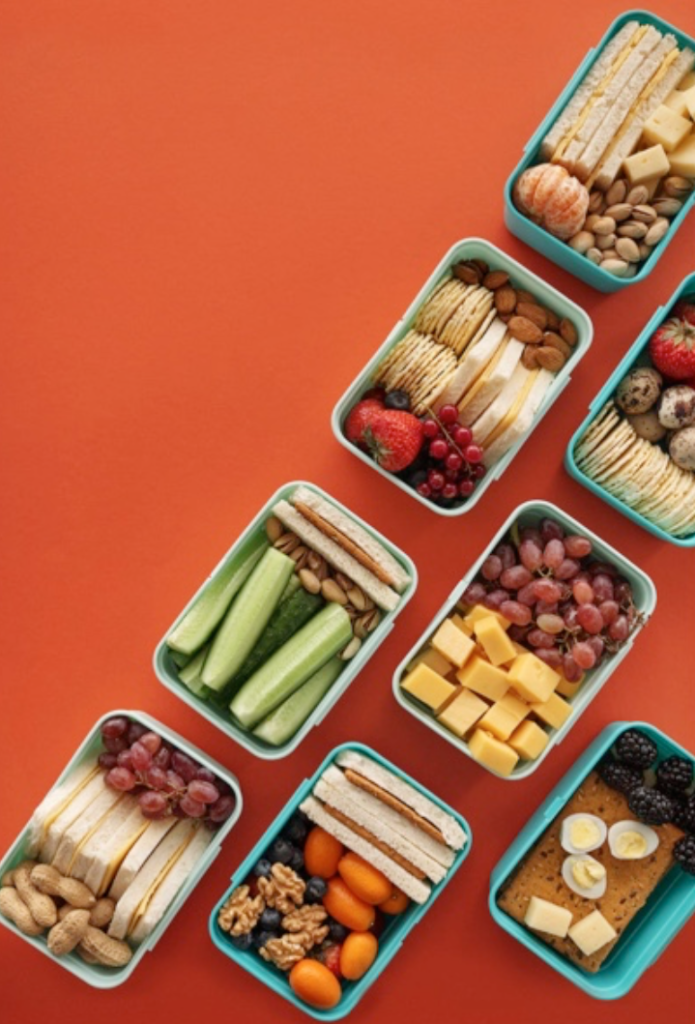
It’s so easy to reach for a bag of chips when we’re hungry because it’s convenient and it’s a fast way to hold us over to the next meal. You aren’t as likely to go into the fridge and take the time to peel some carrots when you’re starving. Instead, try prepping any vegetables and fruit that require peeling or cutting at the beginning of the week. You can also portion out some nuts, seeds, trail mix, crackers or granola ahead of time for when you’re on the go. If it’s there and ready to go, you’ll be more likely to eat it. You will get more nutrition and energy from these snacks versus the junk food alternative.
3.) Get more sleep.
Sleep plays a role in our diet choices, which in return impact our mental health. If we aren’t getting enough sleep, we resort to caffeine through coffee, energy drinks, teas, and even caffeine pills. A heavy caffeine intake can lead to anxiety, depression, and more mildly, irritation in mood. Caffeine also speeds up our metabolism, which increases appetite and is more likely to lead to unhealthy eating habits.
https://www.pexels.com/photo/foods-in-lunch-boxes-5972003/
Summary
To conclude, if you are looking to improve your mental health, one step you can take is treating yourself to the best foods for you. Healthier foods = a healthier you. If you want to try a cleaner diet, but feel like it’s impossible, start with small adjustments and work your way up to greater ones. Everyone is different and any progress is good! Practice mindful eating when you are able to, know what you are eating and make it a structured meal. It will take some time to feel the results, but your brain and body will thank you. You got this!
https://unsplash.com/photos/ukzHlkoz1IE
Here are 2 additional resources that I recommend you check out!
Read this blog by Brittney Moses
“The 5 Latest Books I’ve Read About Food and Mental Health That Will Change Your Life”
Watch this TedTalk by Julia Rucklidge
“The surprisingly dramatic role of nutrition in mental health”