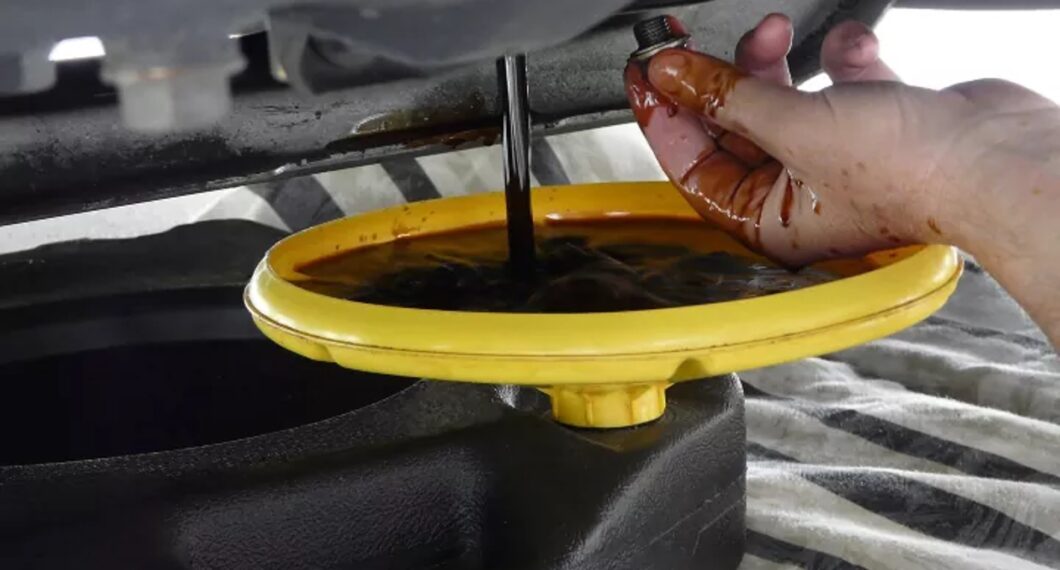
Hey there! Are you a car enthusiast who prefers working on their own vehicle? Or are you a resilient DIYer wanting to add another trick to their sleeve? Well, when it comes to your vehicle, a good place for any beginner to start is by tackling an oil change. If so, you probably know that cars require regular oil changes that are crucial in keeping your engine running smoothly. Keeping your vehicles oil regularly maintained will help with the efficiency and longevity of your engine.
However, have you ever wondered what to do with the old motor oil once you’re done with it? It might be tempting to dump it down the drain or in the trash, but that’s big no-no! Improper motor oil disposal can wreak havoc on the environment, contaminating soil and waterways and harmful for wildlife. In this article, we’ll explore the importance of proper motor oil disposal and provide some practical tips how to do it. So, lets do our part in protecting our planet.
What this article will cover:
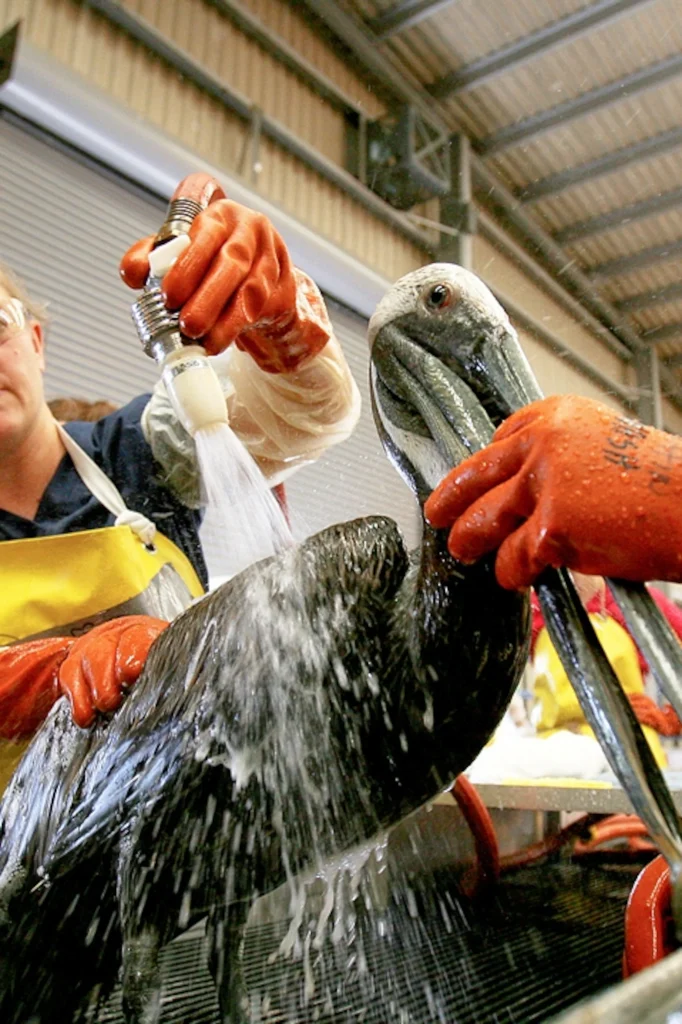
Why should you Properly contain Motor Oil?
Now that you have successfully completed an oil change, you are probably wondering what you should do with the old oil. Before you favor dumping it into a drain or tossing it in the garbage, consider these effects when coming to a decision:
- Water pollution: The amount of oil that comes out of your engine during an oil change has the ability to pollute one million gallons of fresh water! Think about that the next time you have a glass of water.
- Soil contamination: Used motor oil contains hazardous waste that contains substances such as heavy metals and toxic chemicals that can contaminate soil and groundwater, leading to serious environmental damage and health risks.
- Wildlife and aquatic life harm: Improper motor oil disposal can directly and indirectly have serious long-lasting effects on wildlife in an already fragile ecosystem.
- Air pollution: Burning used motor oil or disposing of it in landfills can release harmful pollutants into the air, leading to air pollution and contributing to climate change.
- Damage to vehicles: Improper oil disposal could lead to accidentally reusing the oil which can cause severe mechanical damage to your engine.
Great! You have probably decided to do the moral thing to not pollute the Earth and cause harm. Properly containing your oil is the next step in the process and very imporant. You should not use certain containers such as an old milk jug or juice carton to store oil as they may not be suitable or safe. Ideally, the container that should be most convenient is the one that held the new oil you just poured into your engine. However, if this is not available, source a thick plastic or metal container that can be thoroughly sealed and easily handled for transport.
How do you Recycle Oil?
Following these steps is not only environmentally responsible and beneficial towards people’s livelihoods, but helps to reduce the amount of waste that ends up in landfills. Oil is a non-renewable resource which means that it is finite and will eventually run out. Therefore, the ability to have oil recycled and refined to be used again will help combat an energy crisis and depletion in oil reserves. Here are some steps to follow when recycling used oil:
- Prior to changing your oil, you should prepare your work area by laying shop towels or chemical absorbent sand under the oil pan to catch any oil that may have splashed out of the drain pan.
- Carefully pour the used oil into a suitable container that may be properly sealed and transported
- If changing your oil filter, puncture a hole in the dome of the old filter and drain the excess oil into the container.
- Put the filter in a plastic bag as it will be recycled along with the oil as well…Nothing goes to waste!
- Check with your local government or waste management agency to find out where you can recycle used motor oil in your area, as regulations and guidelines may vary.
- Safely and effectively transport your used oil and filter to the facility to be dealt with accordingly.
You are done! You have successfully performed an oil change and helped the environment and the life in it. Win-Win!
Did you know that refining used oil only takes one-third the energy it does to refine crude oil? And did you know that it takes 42 gallons of crude oil to make two and a half quarts of oil, where as you only need one gallon of used oil to make the same amount? That statistic alone should spark some fire in you to do your part and recycle oil. Such a small amount of oil can have a significant impact on our planet and the life in it; it is up to you to make this small amount of oil into a positive impact and not a negative one.
Final Note on Motor Oil Disposal
Improper disposal of motor oil can have serious consequences for the environment and public health. Used motor oil is considered a hazardous waste because it contains contaminants such as heavy metals, toxic chemicals, and other impurities that can harm our soil, water, and air quality. The mistreatment of oil handling procedures can cause oil to seep into the soil, polluting groundwater and ruining vegetation.
On the other hand, recycling used motor oil helps reduce environmental pollution and conserve a scarce natural resource. By recycling, the oil is cleaned of impurities and is re-fined giving it the ability to be reused again. This helps reduce our reliance on new oil sources and gives us an incentive to find alternative eco-friendly means of energy. By doing so, we can help protect the environment and public health as well as aiding those who are working vigorously in ensuring the well-being of future generations to come.