- Growing Urban Cities and Runoff Pollution
- With Growing Cities Comes Water Stress
- Urbanization Disrupts Ecosystems
- Support Urban Water Planning
- The Windy City Prioritizes Water Quality
Ever wondered how our bustling urban cities affect something as cool as water quality? Let’s dive in and find out how urbanization affects water quality. Put very simply, the growth of cities and towns, messes with our water! Urban areas growing bigger and busier are a big part of how our world is moving forward. But, as cities grow, there’s a not-so-great side effect: it messes with nature, especially our water. Think about it: more buildings mean less green space, and that affects the water we rely on. As cities get more packed, the connection between how cities grow and the quality of our water becomes clearer. This gets us thinking about how all this affects our environment. This discussion takes a closer look at how city life impacts the purity and how much water we have around.

Growing Urban Cities and Runoff Pollution
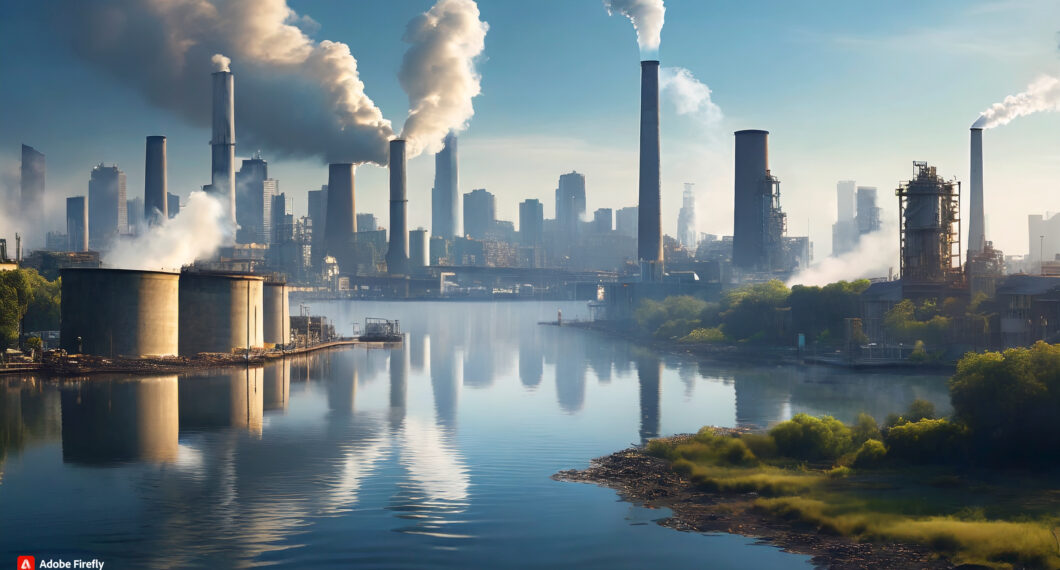
Imagine cities growing and taking up more space. They replace nature’s scenes—like parks or forests—with hard stuff like roads and buildings. As cities expand, natural landscapes give way to impermeable surfaces like roads, pavements, and buildings. When rain falls on these surfaces, it can’t seep into the ground as it would in natural environments. Instead, it collects pollutants such as oil, chemicals, and debris, forming what’s known as “stormwater runoff.”
This runoff becomes a carrier for various pollutants, swiftly flowing into nearby water bodies like rivers, lakes, and streams. The sudden influx of pollutants significantly degrades water quality, affecting aquatic ecosystems and even contaminating drinking water sources. The alteration of natural landscapes due to urbanization thus becomes a major contributor to water pollution, posing threats to both aquatic life and human health. Cities need to equip themselves with the necessary infrastructure to withstand this. Things like specialized drains and systems that catch and clean the dirty runoff before it jumps into our water homes can help keep things cleaner.
With Growing Cities Comes Water Stress
When thinking of how urbanization affects water quality, imagine more people moving into a city. That’s more taps turned on, more showers running, and more water for cooking and drinking! Rapid urbanization brings creates a surge in population, which in turn creates a spike water demand So, to keep up, cities dig into rivers, lakes, and underground water stores a lot more. But here’s the tricky part: we’re using water faster than nature can replace it. It’s like trying to drink from a cup that’s not filling up fast enough. This puts a huge strain on water sources and can even lead to not having enough clean water around. This amplified demand puts an immense pressure on these resources, surpassing their natural replenishment rates.
Some cities are getting smarter on solving how urbanization affects water quality. They’re finding ways to use water more wisely, like fixing leaks in pipes, reusing water for gardens, or even collecting rainwater to use in homes and parks. These ideas help ease the pressure on water and keep more of it for everyone. Furthermore, urban development requires extensive infrastructure, including water treatment plants and distribution systems. The construction and maintenance of these systems need massive amounts of energy and resources, which further harms the environment. The strain on water resources not only affects availability but also worsens issues of water scarcity, especially in regions already managing with limited access to clean water.

Urbanization Disrupts Ecosystems
Another way on how urbanization affects water quality, is our ecosystems. When cities grow, they don’t just add buildings—they change nature itself, including how water works. This cause nature to sometimes gets bulldozed. Areas like wetlands, which are like nature’s water cleaners, getting wiped out for buildings or roads. This messes up where animals live and messes with the balance of nature. Animals that rely on certain water spots or homes can struggle to survive, and that causes a ripple effect through their whole ecosystem.
But hey, there’s hope! Some cities are trying to make spaces for nature within the city. They’re making parks, planting trees, and even creating mini wetlands. These green spaces not only look nice but also help creatures find homes and keep our water clean.
Support Urban Water Planning
Individuals can make a big difference on how urbanization affects water quality, by taking small but impactful actions. Simple steps like reducing the use of single-use plastics, properly disposing of household chemicals, and minimizing littering can prevent pollutants from ending up in water systems. Conserving water at home by fixing leaks, using water-efficient appliances, and being mindful of water usage during daily activities like washing dishes or brushing teeth helps reduce the strain on water resources. Supporting local initiatives for green spaces, participating in community clean-ups near water bodies, and planting native trees and plants can contribute to preserving natural habitats that filter water and provide homes for various species. Moreover, advocating for sustainable urban planning and supporting policies that prioritize eco-friendly infrastructure can lead to long-term positive changes in managing urban growth without compromising water quality
The Windy City Prioritizes Water Quality
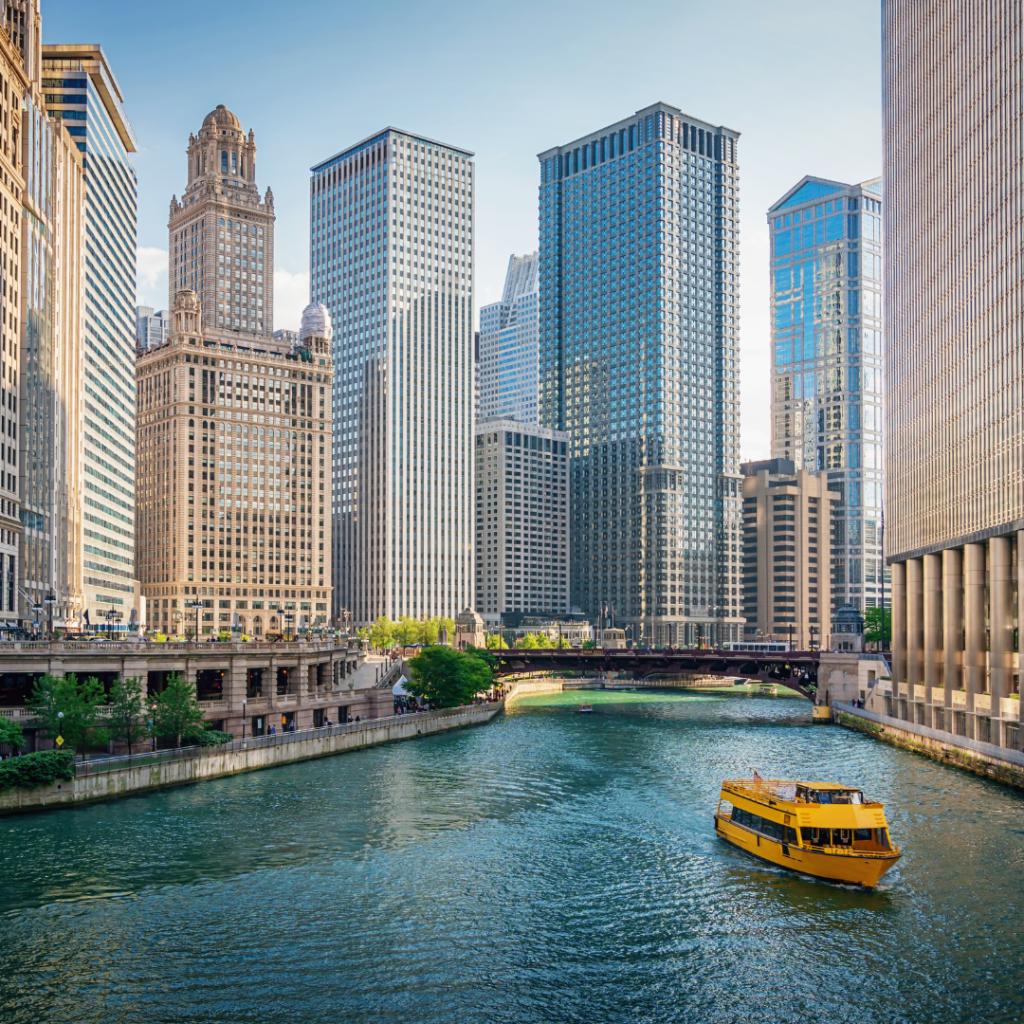
The Chicago Metropolitan Agency for Planning found the Chicagoland area alone is losing 22 billion gallons of treated water per year through leaky pipes — enough to fill the needs of 700,000 residential homes a year. A prime example of how urbanization affects water quality. Chicago has made remarkable strides in improving its water quality over the years. Once known for its heavily polluted waterways due to industrialization and urban growth, the city has taken significant steps to turn things around. The reversal began with initiatives like the Clean Water Act and investments in wastewater treatment plants. Chicago also pioneered the construction of the Metropolitan Water Reclamation District, an innovative system that manages stormwater and treats sewage, preventing pollution from reaching Lake Michigan. Moreover, the city has prioritized green infrastructure projects, such as permeable pavements and green roofs, which help absorb rainwater and reduce runoff pollution. Efforts to restore and protect natural habitats, including wetland restoration along the Chicago River, have further contributed to the improvement of water quality. Through a combination of policies, infrastructure upgrades, and community involvement, Chicago has shown that dedication to cleaner water is not only achievable but also essential for the well-being of its residents and the environment.
Chicagoland area alone is losing 22 billion gallons of treated water per year through leaky pipes — enough to fill the needs of 700,000 residential homes a year
The Chicago Metropolitan Agency for Planning
Let’s Spread The Word
Urbanization’s effects on water quality are a big deal for the environment and our lives. Fixing this needs some smart thinking! We have to start planning cities in a way that doesn’t harm water, make cool systems to manage rainwater, and build infrastructure that’s friendly to nature. Additionally, we need to spread the word and team up to keep our water clean and our habitats safe. Understanding and fixing how cities affect water quality isn’t just about water—it’s about looking after our planet and making sure it stays awesome for us and all the critters living here.
So, while cities grow and change, let’s make sure they do it in a way that keeps our water fresh, our nature happy, and our planet thriving! Let’s continue to spread the word on how urbanization affects water quality.