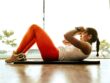
Have you ever found yourself scrolling through your gym’s class schedule, torn between Pilates and yoga? Both promise a sculpted body and a calmer mind, but the details can sometimes feel foggy. Don’t worry, you’re not alone! This comprehensive guide is here to unveil the differences between Pilates and Yoga, shedding light on their unique philosophies, techniques, and benefits. Whether you’re seeking core strength or inner peace, we’ll help you navigate these practices to discover which one ignites your fitness journey. Say goodbye to confusion and hello to clarity with our expert insights.
My Back Betrayal and the Quest for Relief
Let me tell you, back pain is no joke. As someone with a disc issue between my L4 and L5 vertebrae, I can personally attest to the struggles of everyday movement. Sitting at a desk all day became a battle, and even the simplest tasks like picking something up felt like a potential disaster zone for my spine. I knew I needed to find an exercise routine that would not only strengthen my core but also improve my flexibility and overall movement. That’s when I decided to explore the the differences between Pilates and Yoga.
The Alluring World of Pilates: Strengthening My Core, Realigning My Spine
Imagine a workout that strengthens your core like a superhero’s, improves your posture like a majestic giraffe, and leaves you feeling confident and stable. That’s the magic of Pilates! Developed by Joseph Pilates over a century ago, Pilates uses controlled exercises to challenge your body in a precise way.
Think of it like this: Pilates is like a dance party for your muscles, but instead of flailing around wildly, you’re doing controlled, precise movements that target your core – the powerhouse of your body. This focus on core strength, especially in my lower back, has been a game-changer. Pilates exercises specifically target those deep abdominal and back muscles that support my spine. After a few sessions, I noticed a significant difference. My core felt stronger, and my posture improved dramatically. The constant dull ache in my lower back began to fade, replaced by a newfound sense of stability.
Pilates also offers incredible versatility. I started with mat Pilates at home, which was perfect for my initial recovery phase. As I progressed, I ventured into reformer Pilates classes at the gym. The use of springs and other equipment added a whole new level of challenge and helped me build even more core strength.
The Ancient Journey of Yoga: Finding Flexibility and Inner Peace (with a Back in Mind)
Yoga is more than just exercise; it’s an ancient practice that originated in India thousands of years ago. It’s a philosophy that connects your mind, body, and spirit, creating a sense of well-being that goes beyond physical fitness. Through a combination of poses (holding certain positions) and flowing movements, Yoga helps you improve your flexibility, build strength, and find inner peace.
Imagine yourself bending like a willow tree, reaching for the sky, and feeling a sense of calm wash over you as you focus on your breath. That’s the beauty of Yoga. Each pose, called an asana, is designed to stretch and strengthen different muscle groups, while your breath acts as an anchor, keeping you present in the moment. Yoga isn’t about forcing yourself into impossible positions; it’s about honoring your body and finding your own unique expression of each pose.
While Yoga may not be as laser-focused on core strength as Pilates, it’s definitely played a crucial role in my back journey. Certain poses, like gentle backbends and twists, helped improve my overall flexibility and spinal mobility. This, in turn, reduced tension and stiffness in my lower back. Additionally, the focus on breathwork in Yoga has been incredibly calming, helping me manage stress – a major contributor to my back pain.
The Key Differences: Unveiling the Uniqueness
Now that you’ve peeked into the worlds of Pilates and Yoga, let’s explore some of the differences between Pilates and Yoga:
- Movement Style: Pilates focuses on controlled, precise movements that target your core muscles. Every action is deliberate and intentional. Yoga uses a wider range of movements, including flowing transitions between poses.
- Equipment: While Pilates can be done on a mat, it also utilizes specialized machines to add resistance. Yoga primarily uses a mat, although some classes might incorporate props like blocks and straps to help you achieve specific poses.
- Focus: Pilates is all about building core strength and improving posture. Yoga incorporates strength training, but it also places a strong emphasis on flexibility, mindfulness, and relaxation.
Finding Your Perfect Match: Pilates vs Yoga
The best workout for you is the one that makes you feel happy and accomplished! Here’s a cheat sheet to help you decide which practice might be a better fit:
Choose Pilates if:
- You want a workout that challenges your core and posture.
- You enjoy controlled, precise movements with clear instructions.
- Building strength and stability are your top priorities, especially for your lower back.
Choose Yoga if:
- You’re looking for a way to improve your flexibility and reduce stress, both of which can benefit back pain.
- Connecting with your breath and finding inner peace is important to you.
- You enjoy flowing movements and a more holistic approach to exercise.
Remember, You Can Have Both!
The good news is that you don’t have to pick just one! Pilates and Yoga complement each other beautifully. Pilates can help you build the core strength that benefits your yoga practice, while Yoga can improve your flexibility, aiding in deeper Pilates poses. Additionally, many studios offer combination classes that blend elements of both disciplines, giving you the best of both worlds!
The most important thing is to find an exercise routine that you enjoy and that makes you feel good. So, don’t be afraid to step outside your comfort zone and try both Pilates and Yoga. You might just discover a newfound passion for movement and a deeper connection with your body and mind, just like I did!
Ready to Start Your Journey?
Here are some tips to get you started:
- Research Studios and Classes: Look for studios that offer introductory classes for both Pilates and Yoga.
- Talk to Instructors: Don’t hesitate to ask instructors about their teaching styles and class formats, especially mentioning your L4/L5 disc issue. They can help you modify poses or choose classes that are appropriate for your needs.
- Listen to Your Body: Start slow and pay attention to your body. If you experience any pain, stop the pose and consult a healthcare professional before continuing.