The Unheard Voices of Climate Change: Amplifying Frontline Communities
The urgency for climate action has never been more critical. The climate crisis is not a distant threat; it’s a reality for many, especially those in frontline communities. These people face the most severe impacts of climate change, often contributing the least to the problem. There are many people out there who don’t even believe that these things could be real but they are. We must amplify the voices of people in need and prioritize their experiences in our fight for a sustainable future. The urgency of this situation demands immediate attention and action from individuals, communities, and global leaders alike. Understanding the nuances of these frontline experiences is crucial for developing effective and equitable climate solutions.
1. Your Neighborhood’s Climate Crisis: Local Stories, Real Impacts, and Community Solutions
Understanding Local Vulnerabilities
Consider your area: more storms, hotter summers, bad winters? Now, imagine places where these changes are far worse, where floods destroy homes and droughts prevent farming. These are the stories we need. Coastal erosion, for instance, is impacting island nations and low-lying coastal cities, forcing communities to relocate. Heatwaves are becoming more frequent and intense, affecting vulnerable populations like the elderly and those without access to cooling. The impact on local agriculture, water resources, and public health is also significant, and these changes threaten the very fabric of community life.
Taking Action in Your Community
We can learn, support, and act in our communities. This could involve advocating for local climate action policies, participating in community clean-up initiatives, or supporting local businesses that prioritize sustainability. Educating ourselves and others about local climate challenges is also vital. As the United Nations emphasizes, “Climate change is a global challenge that does not respect national borders. Emissions anywhere affect people everywhere.” (https://www.un.org/sustainabledevelopment/climate-action/). Engaging in local governance and supporting community-based initiatives can foster resilience and empower residents to address the challenges they face.
2. Climate Justice Now: Why the Fight for the Planet Must Center Social Equality
The Inequities of Climate Change
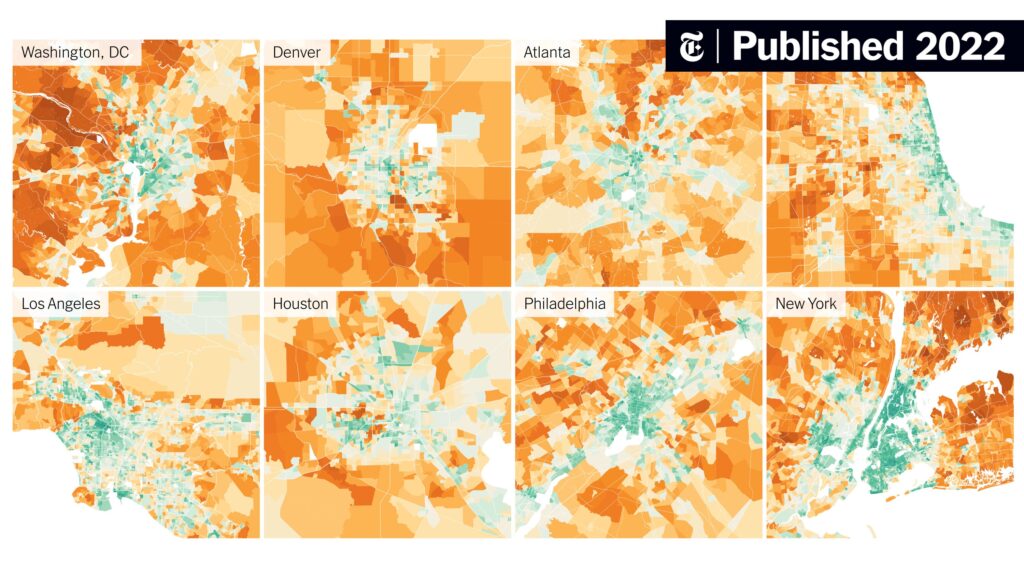
Climate change is unjust. It disproportionately affects the poor and vulnerable. Who struggles most after a disaster? Who lacks access to clean water and shelter? Often, it’s those who contribute least to the problem. For example, communities of color are often located near polluting industries, leading to higher rates of respiratory illnesses and other health problems. These communities also face systemic barriers to accessing resources and support, exacerbating their vulnerability.
Empowering Marginalized Voices
We must amplify the voices of those most affected to guide effective and just climate action solutions. This means supporting community-led initiatives, ensuring representation in decision-making processes, and addressing historical injustices that contribute to vulnerability. “We need to connect businesses, governments, and NGOs to accelerate sustainable solutions.” (https://www.climateaction.org/). By centering the voices of marginalized communities, we can ensure that climate policies are equitable and address the root causes of vulnerability.
3. Decoding Climate Chaos: How to Spot Misinformation and Become a Climate-Smart Citizen
Recognizing Misinformation
There’s much misinformation. Some deny climate change; others say it’s too late. But you can discern truth from falsehood. Be wary of emotionally charged claims without evidence, and check for sources. Scrutinize the credentials of those making claims and look for consensus among experts. Most people often don’t really care about the topic and this is sort of the problem. People need to get out of their way to try to make a change, to recycle, to be more respectful of their world.
Empowering Your Decisions
Your decisions matter. Understanding the scientific consensus and the complexities of climate change allows you to make informed decisions about climate action. Seek out reputable sources of information, such as peer-reviewed scientific journals and reports from organizations like the IPCC. Seeking out is probably the most important thing to do. even if you think you are making a change to the climate there are many ways that you can probably even do better, don’t be afraid to seek out and get the information you might need to truly make a change.
4. Your Wallet vs. the World: Climate-Conscious Spending and the Power of Personal Finance
The Impact of Consumer Choices
Your money matters. If you go to your local grocery store and recycle plastic cans or metal cans to get money, it will make a change. Each dollar is a vote for the world you want. Consider the environmental impact of your purchases, from food to clothing to electronics. Support companies that prioritize sustainability and ethical practices.
Practical Steps for Sustainable Spending
Choose sustainable companies, eat less meat, walk, bike, invest in green energy. Small changes add up. Reduce, reuse, and recycle whenever possible. Support local farmers and businesses that prioritize sustainability. Explore options for ethical banking and investment, as these are forms of individual climate action.
5. From Doom to Doable: Practical Steps to Bridge the Gap Between Climate Anxiety and Action
Overcoming Climate Anxiety
Climate change is scary, but fear doesn’t solve problems. Acknowledge your feelings, but don’t let them paralyze you. Focus on what you can control. Engage in activities that promote mental well-being, such as spending time in nature and connecting with others.
Taking Action for Empowerment
Action does. Make a list, join a group, plant a tree, and write to leaders. Don’t let fear paralyze you. Start small, and celebrate your progress. Find a community of like-minded individuals to support your efforts in climate action.
Building Community Resilience
Support local initiatives that build climate resilience, such as community gardens, and emergency preparedness. Participate in community-led projects that address local climate challenges. As Climate Action 100+ points out, “Investors are working to ensure the world’s largest corporate greenhouse gas emitters take necessary action.” (https://www.climateaction100.org/) This shows that even large-scale changes are possible through collective action.
Conclusion
The challenge of climate change is immense, but it’s not insurmountable. By amplifying the voices of frontline communities, understanding the local and global impacts, and committing to both climate justice and sustainable living, we can forge a path toward a more equitable and resilient future. Your actions, no matter how small, contribute to a collective movement that can drive real change.
Let us move beyond despair and embrace the power of collective action, transforming our concern into a force for positive change. The time to act is now, and together, we can create a world where both people and the planet thrive. We must remember that every action taken towards a sustainable planet is an action towards a sustainable and just future for humanity.