Living sustainably might sound like a big task, especially if you’re in a cozy apartment, but the truth is, there are so many ways you can make a difference—and it can be exciting and fun! Sustainability at home is easier than you think! Imagine growing your own food right in your living room or balcony, reducing your waste, and doing something good for the planet—all without needing a backyard. Sustainable living isn’t just about large-scale changes; even small actions, like growing your own greens, composting, or setting up a vertical garden, can add up to make a huge impact. And the best part? You don’t need a green thumb or lots of space to start. Whether you’re a city dweller or someone just looking to live a little greener, this guide will show you how to embrace sustainable food practices in your apartment and grow a better future, one plant at a time!

When I moved into my first apartment in Buffalo NY, I honestly thought my dream of growing my own food was over. No backyard, no soil, no space. But over time—and with a few failed basil plants under my belt—I discovered how even the tiniest apartment can become a mini-farm. I started a garden on the balcony of my studio apartment and worked vertically instead of horizontally. Sustainable living doesn’t have to mean moving to a homestead or giving up modern comforts. It starts with simple, creative solutions that actually fit into your life. Whether you’re in a high-rise studio or a cozy loft, you can grow your own food, reduce your waste, and do good for the planet—all from your living room. It’s all about practicing sustainability at home, in ways that are both meaningful and manageable.
Hydroponic Havens: Growing Greens and More Without Soil
Have you ever seen plants growing without dirt? It’s like magic! It’s called hydroponics, and it’s a super cool way to grow food in your apartment. Imagine growing fresh lettuce, herbs, and even tomatoes without any soil at all!
How does it work? You put your plants in water with special food called nutrients. These nutrients are like vitamins for your plants. You can use special lights, too, so your plants get all the “sunshine” they need.
Why is this so awesome? First, you don’t have to worry about messy dirt. Second, your plants grow faster and bigger! And third, you can grow food all year round, even when it’s cold outside. You’ll feel like a super-farmer, right in your own living room!

The first time I saw a hydroponic setup was at a tech fair. Rows of leafy greens growing in glowing towers. No soil, just water and lights. I had to try it myself. I started with a small countertop hydroponic system from AeroGarden. It came with pods for basil, mint, and cherry tomatoes. I placed it in a corner of my closet (yes, really!), and within weeks, I was snipping fresh herbs for pasta and tossing cherry tomatoes into salads. I was shocked at how quickly everything grew. And how little maintenance was required. That’s a huge win for both the planet and for practicing sustainability at home in small spaces.
How it works: Hydroponics feeds plants with a nutrient-rich water solution. With LED grow lights mimicking sunshine, your plants thrive regardless of the weather outside. According to the University of Arizona’s Controlled Environment Agriculture Center, hydroponic systems can yield 11 times more than traditional soil farming using 90% less water. That’s a huge win for both sustainability and convenience.
Vertical Gardens at Home: Maximizing Your Yield in Minimal Space
Apartments can be tiny, right? But guess what? You can still grow lots of food with vertical gardens! Think of a garden that goes up instead of out. It’s like a plant skyscraper! One afternoon, I was scrolling through Pinterest when I stumbled across a photo of a vertical herb garden wall made from mason jars and reclaimed wood. That weekend, I grabbed some wall-mounted planters from a local thrift store and filled them with potting soil. I planted thyme, basil, oregano and parsley.
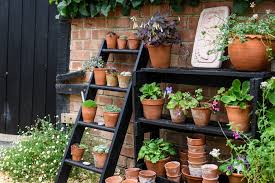
Vertical gardening isn’t just trendy—it’s practical. If your floor space is limited, go up instead of out. Hanging baskets, stackable planters, or wall-mounted containers let you grow tons of food in a small footprint.You can use shelves, hanging baskets, or even special wall planters. You can grow herbs, leafy greens, and even strawberries! It’s like having a mini-farm on your wall.
Why is this so cool? It saves a ton of space! You can grow lots of plants in a small area. Plus, it looks super neat! You’ll feel like you have a secret garden right inside your apartment. Every guest I’ve had since compliments my “living wall.” If you’re tight on space, it’s a fantastic way to boost sustainability at home without sacrificing style.
Microgreens Magic: Quick, Nutritious, and Space-Saving Crops
During the pandemic, I got into the habit of snacking more than I should. To combat that, I decided to try growing microgreens after watching a YouTube video from Epic Gardening. I was amazed by how fast they grew—within a week, I had trays of baby radish, arugula, and mustard greens ready to eat.
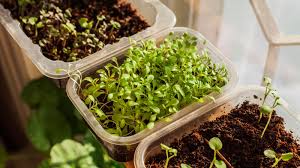
All you need is a shallow tray, some soil, and seeds. You can grow things like radish, broccoli, or sunflower microgreens. They’re perfect for salads, sandwiches, or just snacking. Why are they magic? They grow super fast! You get fresh, healthy food in no time. Plus, they take up very little space. You can grow them on your kitchen counter! The best part? You don’t need a green thumb. I’ve forgotten to water mine for a day or two, and they still thrive. It’s one of the easiest ways to practice sustainability at home while improving your diet.
Composting and Your Indoor Plants: Creating a Closed-Loop System
Did you know you can make your own plant food from kitchen scraps? It’s called composting, and it’s like magic for your plants!
You can use a small composting bin to turn food scraps like banana peels, apple cores, and coffee grounds into rich, dark soil. This soil is full of nutrients that your plants love.
When I first heard about indoor composting, I pictured a smelly mess in the corner of my kitchen. But after some research (and trial and error), I found a solution that actually worked: a bokashi bin. This compact, odor-proof composting system ferments your food waste using beneficial microbes—and it fits right under my sink.
I now compost everything from eggshells to veggie peels. After two weeks, the mixture goes into a larger container with some soil and breaks down completely into rich compost. I use this to feed my vertical garden and even sprinkle a bit into my hydroponic reservoir to boost nutrient levels.
Why does this matter? According to the EPA, food scraps make up over 20% of landfill waste in the U.S. Composting reduces methane emissions and creates a sustainable loop: food feeds plants, plants feed you, scraps go back to the soil. It’s a core principle of sustainability at home, where nothing goes to waste.
Why is this a closed-loop system? Because you are taking the waste from your food, and turning it into food for your plants! You are making a full circle.
Why is this so amazing? You’re reducing waste and making your plants super happy! Plus, you’re creating your own super soil for your plants! It’s like giving your plants a super-powered vitamin boost!
As you can see, living sustainably in an apartment is not only possible—it’s incredibly rewarding! From hydroponic setups that let you grow greens with ease to composting your kitchen scraps into rich soil, every small step you take contributes to a healthier planet and a more self-sufficient lifestyle. No matter how limited your space may seem, there’s always room to grow—both your food and your sense of connection to the earth. And trust me: once you taste a tomato you’ve grown yourself, store-bought will never compare.

So, take the plunge, start small, and watch as your apartment transforms into a thriving, sustainable haven. Your future (and your plants!) will thank you!
Sources:
- University of Arizona Controlled Environment Agriculture Center: https://ceac.arizona.edu/
- National Gardening Association: https://garden.org/
- USDA Agricultural Research Service Microgreens Study: https://www.ars.usda.gov/
- EPA Composting at Home: https://www.epa.gov/recycle/composting-home
- Epic Gardening (YouTube): https://www.youtube.com/user/EpicGardening
- AeroGarden Hydroponics: https://www.aerogarden.com/