- From Survival to Stability: Why Clean Water and Sanitation Are the Foundation of Healthy Communities
- Why Clean Water and Sanitation Need Innovation: Real Solutions from Tech
- Why Clean Water and Sanitation Are Critical for Economic Growth and Stability
- Clean Water and Sanitation—A Path to Healing, Hope, and Human Dignity
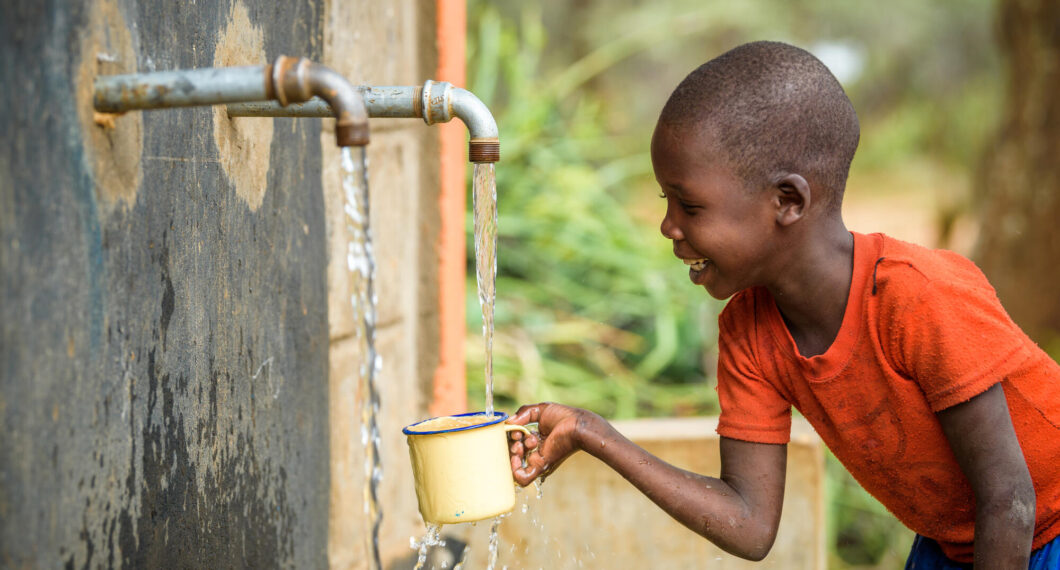
You might think, “Why should I care about sanitation or clean water in a place I’ve never been?” For me, it’s not a distant issue—it’s personal. Growing up in rural Liberia, West Africa, I witnessed firsthand the devastating impact of not having access to clean water and proper sanitation. It wasn’t just a hardship; it shaped lives and futures. This isn’t just my story—it’s a global call to action. Now, imagine a world where every child drinks clean water without fear, and where preventable diseases from dirty water are a thing of the past. That future is possible—but only if we treat clean water and sanitation as fundamental human rights, not luxuries. These issues touch everything: our health, our economies, and the environment. Even if it seems far away, we are all connected—and we all have a role to play.
From Survival to Stability: Why Clean Water and Sanitation Are the Foundation of Healthy Communities
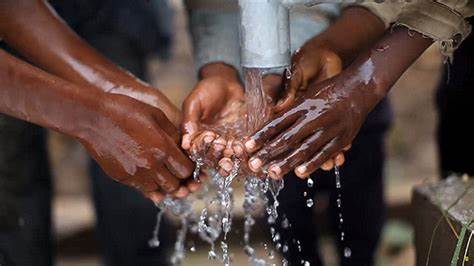
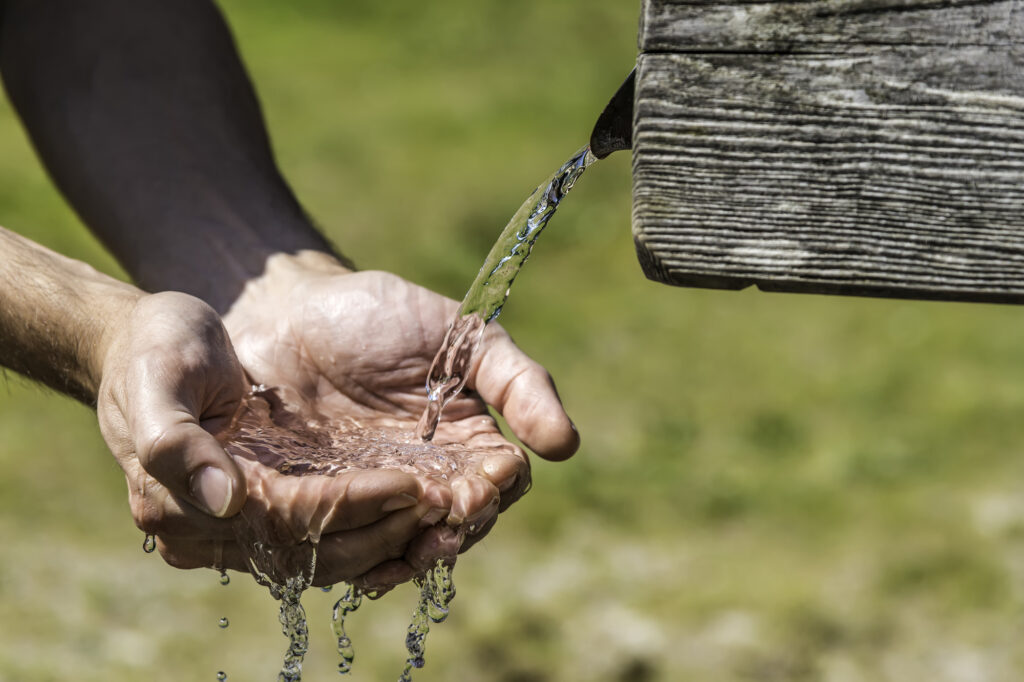
My earliest memories are tied to murky creeks in rural Liberia—not peaceful streams, but the only source of water for drinking, bathing, and washing. There were no toilets, just open defecation. It wasn’t out of ignorance—it was about survival. And survival came with a cost: constant illness. Cholera, dysentery, and typhoid weren’t rare—they were expected. I watched children suffer needlessly from diseases that clean water and proper sanitation could have prevented. These memories aren’t just part of my past—they’re a lens through which I see the urgent need for global change. Think of clean water and sanitation as more than conveniences—they’re the bedrock of public health and economic development. When children are healthy, they go to school. When adults aren’t sick, they can work and contribute to their communities. A lack of clean water isn’t just a health issue—it’s a barrier to progress. Families burdened by constant illness face not just physical strain but financial hardship, trapping them in cycles of poverty. On the flip side, access to clean water and safe sanitation breaks that cycle. It means fewer trips to the doctor, more time in classrooms and workplaces, and the ability for communities to thrive. This isn’t just a rural problem or a developing-world issue—it’s a global priority. Clean water and sanitation are not luxuries. They are human rights, and they are the foundation of a better, more equitable future.
Why Clean Water and Sanitation Need Innovation: Real Solutions from Tech
You might be wondering, “How can we solve such a massive problem?” The answer lies in innovation—and I’ve seen how powerful that can be. With a background in IT and Business Analytics, I understand how technology can bridge the gap between theory and real-life sanitation needs. This isn’t just about futuristic ideas—it’s about real tools, saving real lives. Take smart water sensors, for example. These devices detect contamination in real-time, enabling communities to act quickly before disease spreads. Or solar-powered purification systems that turn dirty water into safe drinking water—especially impactful in remote, sunny regions. These aren’t distant concepts. They’re already being implemented in underserved communities around the world. Organizations like the Bill and Melinda Gates Foundation are investing heavily in innovative technologies—from waterless toilets to advanced filtration systems—proving that data and tech can drive scalable, sustainable solutions. (Source: Bill and Melinda Gates Foundation Water, Sanitation, and Hygiene: <a href=”https://www.gatesfoundation.org/our-work/programs/water-sanitation-and-hygiene” Why is this important? Because clean water and sanitation are the foundation for a healthier, more stable future, and technology is a key to unlocking that future. When innovation meets community need, we don’t just imagine change—we make it happen. My experience helps me see how data-driven insights and practical tools can transform lives, which is exactly why clean water and sanitation solutions matter more than ever.
Why Clean Water and Sanitation Are Critical for Economic Growth and Stability
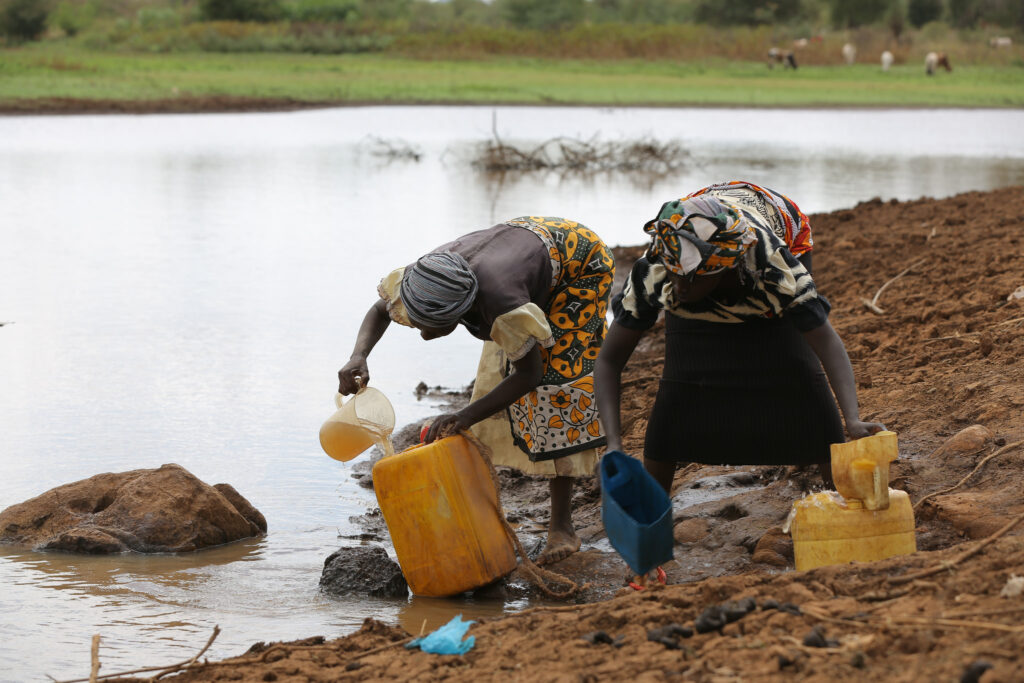
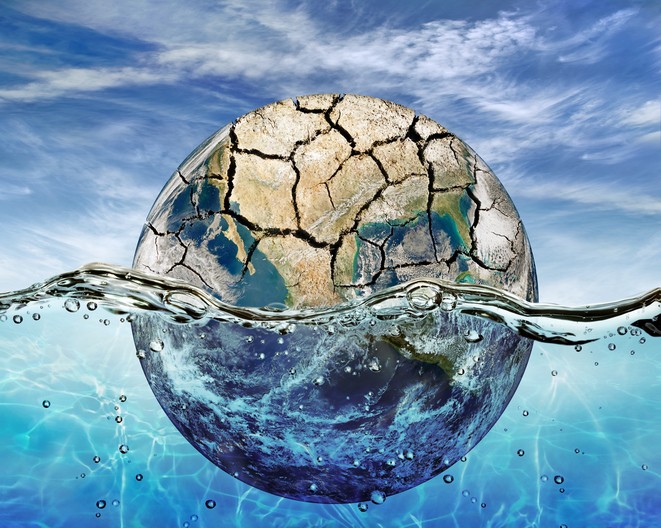
The importance of clean water and sanitation goes far beyond preventing illness—it’s about building stronger, more resilient economies. In Liberia, I witnessed how a lack of these basic necessities did more than make people sick—it paralyzed entire communities. When clean water is scarce and sanitation is poor, people can’t work, children miss school, and local businesses suffer. I saw farmers struggle with crop failures due to contaminated irrigation water, and markets shut down when waterborne diseases spread. This isn’t just a health issue—it’s a serious economic one. The financial toll of treating preventable diseases drains already fragile healthcare systems. Productivity drops, income declines, and the ripple effect slows down entire economies. Even factories and small enterprises depend on reliable, clean water to operate effectively. Without it, growth stalls. While building clean water and sanitation infrastructure requires investment, the return is undeniable. Healthier people mean a stronger workforce. Reliable access to clean water fuels agriculture, industry, and even tourism. Investing in clean water and sanitation is not a luxury—it’s one of the smartest, most cost-effective paths to long-term development and economic stability. That’s why clean water and sanitation are not just humanitarian goals—they’re economic necessities.
Clean Water and Sanitation—A Path to Healing, Hope, and Human Dignity
Clean water and sanitation are more than public health necessities—they are the foundation of human dignity, mental well-being, and lasting opportunity. Growing up in rural Liberia, I witnessed how the lack of clean water led not only to disease, but to fear, stress, and hopelessness. The daily struggle to find safe water and a private place to go to the bathroom affects more than bodies—it weighs on minds and spirits. Beyond the personal impact, the economic consequences are just as severe. Illness keeps people from working, students from learning, and entire communities from progressing. Yet, with the right investment in infrastructure, technology, and policy, we can reverse this cycle. Solar-powered filtration systems, waterless toilets, and smart sensors are already changing lives in underserved areas. But real change requires all of us. Whether you donate, advocate, or simply spread awareness, your actions matter. Clean water and sanitation are not privileges—they are rights. By ensuring access for all, we create healthier families, stronger economies, and more united communities. This is how we move from survival to stability—and from hardship to hope.