If you’ve been frantically searching the internet trying to find a solution to your skin’s dryness, breakouts, or inflammation, I know exactly how you feel. I’ve been in your shoes— spending way too much money on the latest skincare, trying all the new trends, and yet remaining wondering why my skin wasn’t improving despite all my efforts.
It all started three years ago when I woke up one morning with one of the worst breakouts I’ve ever had. I thought it was unusual, but I went to the store and bought a maximum strength benzoyl peroxide treatment and lathered it all over my face. I figured that would dry everything out overnight. To my surprise, it was even worse the next day. My skin was red, peeling, and the breakouts seemed to have gotten even worse.
I spent the next year or so trying to find the “right” cleanser, serum, or treatment that would magically “fix” my skin. It wasn’t until I visited a holistic doctor that things began to change. She introduced me to a completely new perspective: can your diet affect your skin? As it turns out, the answer is yes. The food you put into your body has the ability to directly impact your skin’s health. Oftentimes, no amount of skincare can undo the results of a poor diet.
From that day forward, I decided to start from scratch by getting rid of all my skincare products and making changes to my diet. I learned all about the foods that could repair my skin from within and the ones that could be doing harm. Slowly but surely, I started to notice huge differences. My skin began to clear up and dry patches and redness turned into a glowing complexion.
Although the experience of dealing with acne was difficult, it taught me the importance of eating to nourish your body and heal the underlying causes of skin concerns, rather than just treating what’s happening on the surface. I hope to share my knowledge with you to help you understand how diet impacts your skin and empower you to make changes that can change your skin (and life) for the better.
- Gut Health and Skin
- The Role of Water
- Nutrients That Matter
- The Impact of Food Intolerances and Sensitivities
- Listening to Your Body
- Finding Balance: Nourishing Your Skin While Enjoying Your Diet
Gut Health and Skin

The condition of our skin and its microbiome is closely connected to the health of our gut, with both influencing each other. When the gut microbiome becomes disrupted, it can trigger chronic inflammation, which may appear in skin conditions like acne, eczema, or psoriasis.
According to an article by UChicago Medicine, processed foods, artificial sweeteners, high-sugar foods, fried foods, and other unhealthy options are known to contribute to poor gut health by triggering inflammatory responses in your body. If you’ve been struggling with persistent skin issues, it’s worth considering if your diet can be affecting your skin. These inflammatory foods could be playing a bigger role than you think.
In contrast, maintaining a well-balanced diet can support gut health and promote healthier skin. This includes:
- Fiber-rich foods (like leafy greens, legumes, and whole grains) feed good gut bacteria.
- Fruits and vegetables have crucial vitamins and antioxidants that fight inflammation
- Fermented foods (like yogurt, sauerkraut, and kombucha) provide probiotics that strengthen gut health through containing live beneficial bacteria.
- Foods that contain prebiotics (like bananas, asparagus, and onions) help nourish beneficial gut bacteria.
The Role of Water

It’s crucial to incorporate a sufficient amount of water into your diet daily. For the majority of people, a daily intake of approximately 8-10 cups a day is generally recommended for proper hydration. You can also get additional water by consuming foods rich in it, such as watermelon, cucumbers, and oranges.
For your skin, water helps support:
- Hydration; Proper water intake helps maintain skin moisture, promoting elasticity and a plump, healthy look.
- Detoxification; Water aids in flushing out toxins and impurities from the body, which can help reduce inflammation and clear up skin.
- Oil balance; Staying hydrated supports the regulation of oil production, minimizing clogged pores and acne.
As you can see, water is an important component of your diet that may be impacting your skin.
Nutrients That Matter
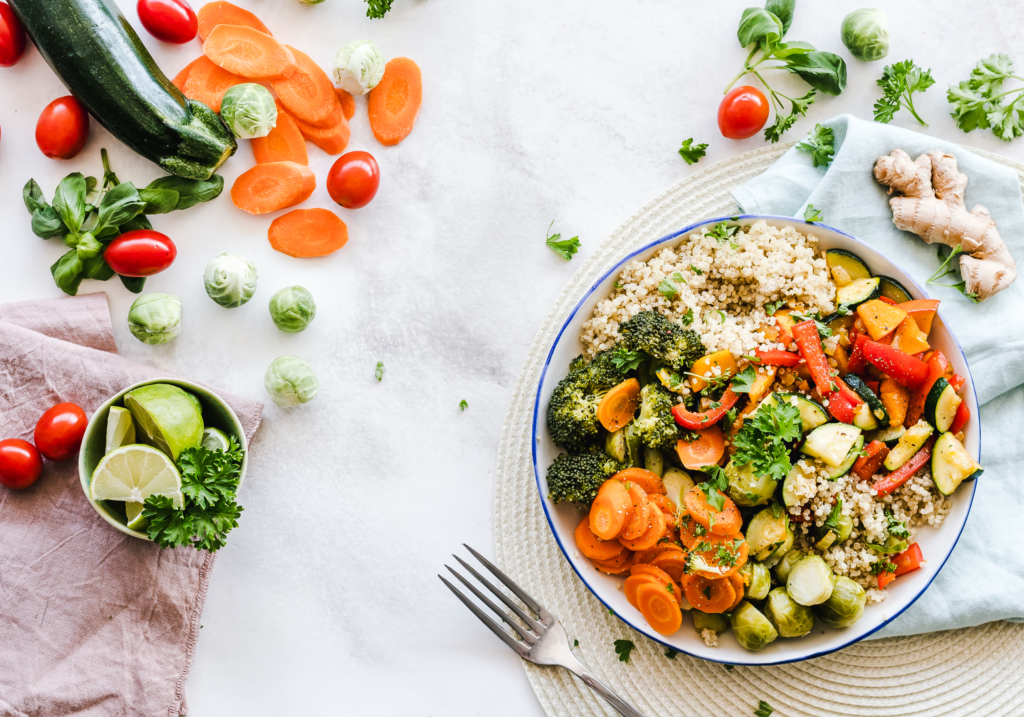
To achieve clear, healthy skin, it’s essential to nourish your body with the right nutrients. According to the WebMD article Nutrients for Healthy Skin, here are some of the vitamins and minerals that encourage skin health:
- Vitamin C (found in oranges, strawberries, tomatoes, peppers) boosts collagen production, which improves skin elasticity and wound healing.
- Vitamin A (sweet potatoes, carrots, spinach, tuna) reduces acne and promotes skin cell turnover.
- Omega-3 Fatty Acids (salmon, flax seeds, chia seeds) lowers inflammation and boosts hydration.
- Zinc (red meat, seafood, nuts, seeds) reduces inflammation, has wound-healing properties, and regulates oil production.
- Vitamin E (nuts, seeds, avocado, olive oil) moisturizes and protects skin cells from damage.
Not getting enough of these important nutrients can lead to various skin issues. A vitamin C deficiency may cause weakened collagen, making the skin more susceptible to fine lines. If you’re lacking vitamin A or zinc, you may notice acne and poor skin texture. If you’ve ever questioned whether your diet plays a role in your skin’s condition, consider how a deficiency in any of these nutrients could show up on your face.
The Impact of Food Intolerances and Sensitivities

Sometimes, food sensitivities may be the culprit for unwanted skin problems. When the body reacts negatively to certain foods, it triggers inflammation, potentially causing acne, psoriasis, or eczema. If you’re noticing patterns, it’s a good time to ask yourself if certain foods you are eating may be worsening your skin issues. Your answer may be hidden in the foods you eat every day.
To uncover any potential food intolerances, many people follow an elimination diet where they cut out certain food groups at a time and monitor any changes or improvements in their skin. Food sensitivity tests are also offered.
The most common dietary sensitivities associated with skin concerns include:
- Dairy
- Gluten
- Sugar
- Soy
Listening to Your Body
There’s no one-size-fits-all solution to improving your skin through diet. Everyone’s body is different and everyone reacts differently to certain foods. Because of this, it’s important to listen to your body and find out what works best for you. You can tell when something is off by paying attention to how your skin reacts to different foods. If you notice dryness, acne, or irritation, it may be a sign that something you’re eating isn’t agreeing with your body.
One thing I did in my skin health journey was keeping track of what I ate. I had a journal where I wrote down any changes in my skin alongside my diet. Pretty quickly, I was able to pinpoint patterns in how certain foods affected my skin. For example, I would break out more after eating foods high in sugar. I also found that eggs were a pretty significant acne trigger for me. When I prioritized eating clean, whole foods, my skin drastically improved. That’s when I fully understood that my diet, without a doubt, played a major role in the health of my skin.
Finding Balance: Nourishing Your Skin While Enjoying Your Diet
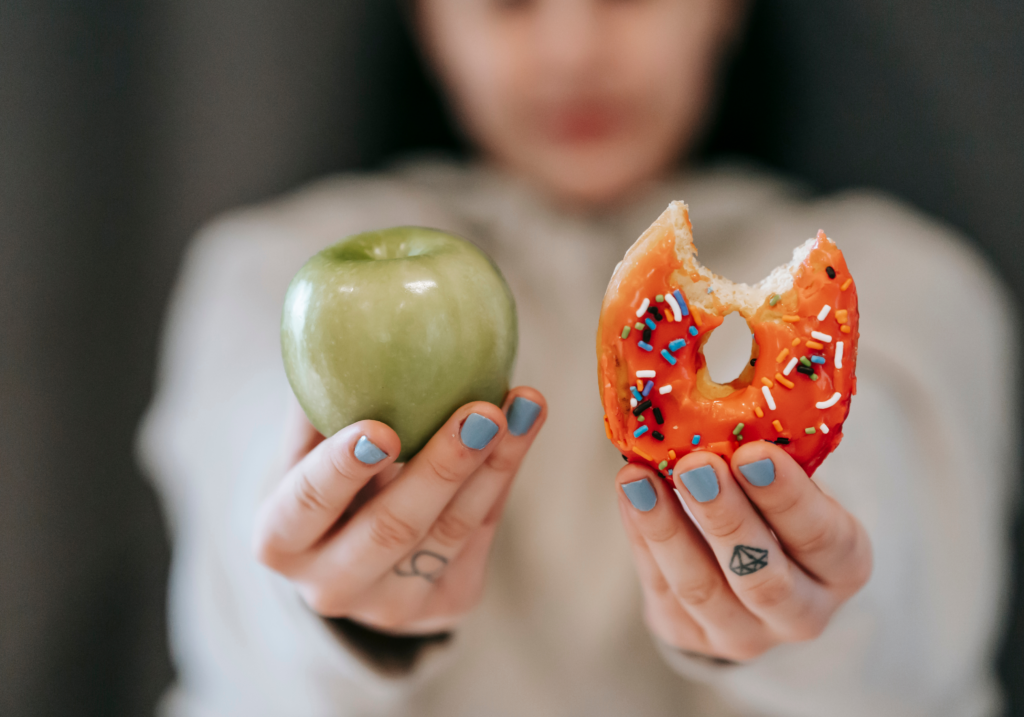
If you’re reading this and feeling slightly overwhelmed, I’m here to reassure you that you don’t have to be perfect to see improvements in your skin. You don’t have to obsess over every ingredient or eliminate all “bad” foods overnight. Instead, pay attention to what makes you feel your best overall and include more nutrient-dense, skin-supporting foods into your diet. The goal is consistency, not perfection.
For me, I still love to indulge in ice cream or fast food from time to time. I acknowledge that although there’s a possibility I may wake up with a new breakout, it’s not worth it to deprive myself or beat myself up over every little thing I eat. Besides, you can always get back on track the next day. I focus on eating clean 80% of the time allowing flexibility for the other 20%. This kind of balance has allowed me to maintain good skin health without feeling restricted.