

When we talk about “global humanitarian crises,” our minds usually jump to images of war zones, extreme poverty, or the climate crisis. These are massive, visible, and terrifying. But there’s another crisis happening right now—one that’s just as devastating but often stays hidden behind closed doors or polite “I’m fine” responses. I’m talking about answering questions about mental health.
This topic isn’t just something I read about in a textbook. It’s personal. My mom is a high school psychologist, so I grew up hearing about the challenges students face every day. I’ve been in therapy for a long time myself, and I’ve seen firsthand how my dad struggled with his own mental health when I was younger. This is why I think it is crucial that we begin to answer questions about mental health. Even though I’m not a professional clinician, these experiences—combined with my own research and psychology classes—have made one thing crystal clear: mental health isn’t just a “personal problem.” It’s a global humanitarian issue that we’re all failing to address.
Why Mental Health is a Global Humanitarian Concern: It’s All Connected
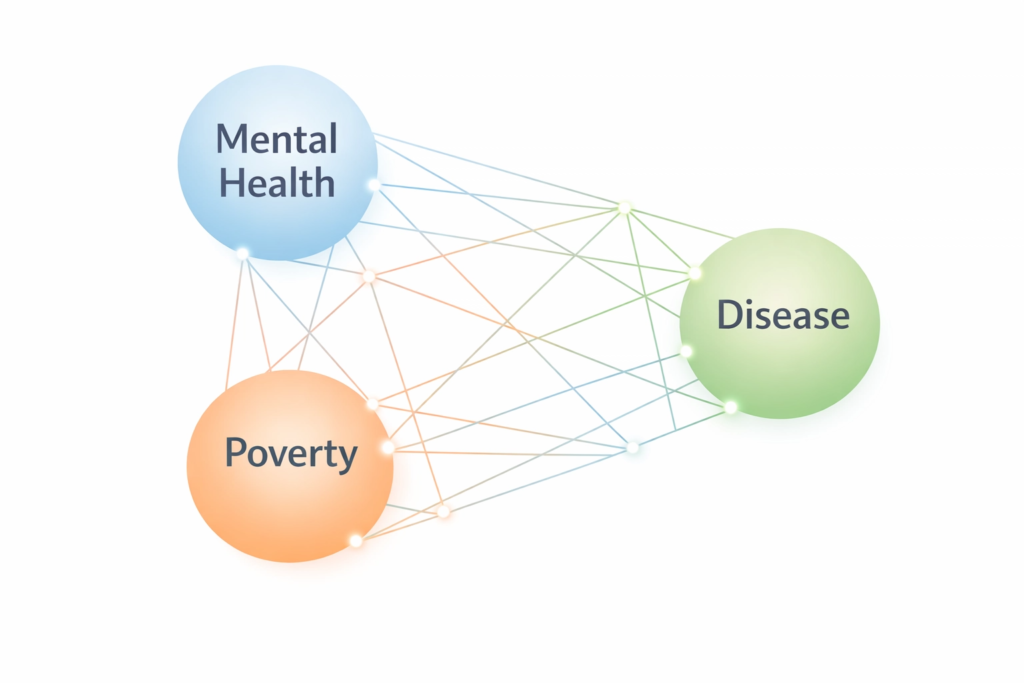
One of the biggest misconceptions out there is that mental health is a “first-world problem” or a luxury for people who have everything else figured out. But that couldn’t be further from the truth. In reality, mental health is deeply tied to things like poverty and disease. It’s not a separate issue; it’s a foundational one.
The Vicious Cycle: Mental Health and Poverty
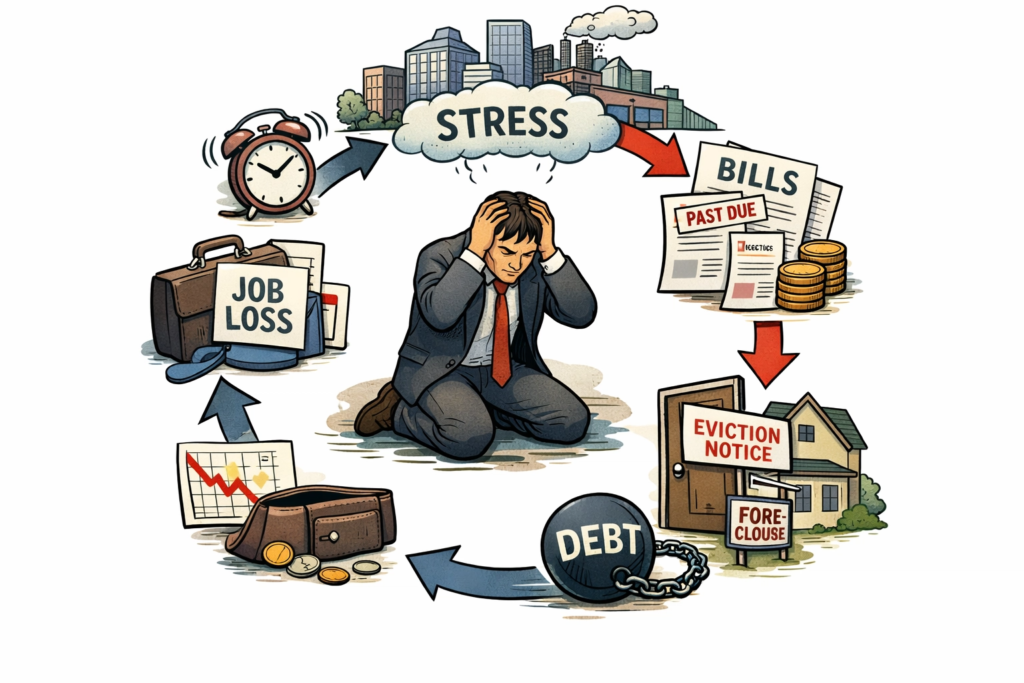
Think about a kid growing up in an under-resourced neighborhood or a conflict zone. The constant stress, lack of security, and trauma don’t just “go away”—they fundamentally change how that child sees the world. Research shows that poverty is both a cause and a consequence of mental health issues . It’s a vicious cycle: struggling with your mental health makes it harder to stay in school or keep a job, which keeps you trapped in poverty. And the stress of being broke? That only makes your mental health worse.
Mental Health in Crisis Zones: A Silent Epidemic
In humanitarian emergencies, the numbers are even more staggering. About 1 in 5 people living in conflict zones or disaster areas has a mental health condition . We’re talking about 67 million people who are dealing with PTSD, depression, or anxiety while also trying to survive a war or a natural disaster . When we ignore mental health in these settings, we’re essentially telling millions of people that their internal world doesn’t matter—only their physical survival does.
Case Study: The Syrian Mental Health Crisis
The ongoing conflict in Syria provides a heartbreaking example. Years of war, displacement, and violence have left an entire population grappling with profound psychological trauma. Studies show high prevalence rates of PTSD (26%–45%), depression (40%–45%), and anxiety (30%–32%) among Syrian refugees . The mental health infrastructure has been decimated, and access to care is severely limited. This isn’t just about individual suffering; it’s about the long-term stability and recovery of a nation. When mental health needs are neglected, the ability of communities to rebuild and thrive is severely hampered.
The Post-Pandemic Youth Mental Health Surge

Even outside of traditional conflict zones, we’ve seen a dramatic rise in mental health challenges, particularly among young people. The COVID-19 pandemic, with its lockdowns, social isolation, and uncertainty, acted as a global stressor, accelerating an already concerning trend. Data from various countries indicates a significant surge in severe emotional distress among adolescents and young adults .
While some studies suggest mental health gains after schools reopened , the underlying vulnerabilities exposed by the pandemic continue to impact a generation. This surge highlights how quickly global events can trigger widespread mental health crises, affecting even seemingly stable populations. For more on navigating these challenges, check out this guide on 4 Practices to Manage Mental Health and Stress for Better Everyday Life and understanding How Art Can Help Mental Health: The Healing Power of Creativity.
The Stigma is Killing Us (And Our Economy)
So, why aren’t we talking about this more? A big part of it is the stigma. We’ve all seen it—the politicians or celebrities who act like depression or ADHD aren’t “real” issues. Or the fact that in places like the U.S., standard health insurance often treats therapy like an optional add-on rather than a basic necessity.
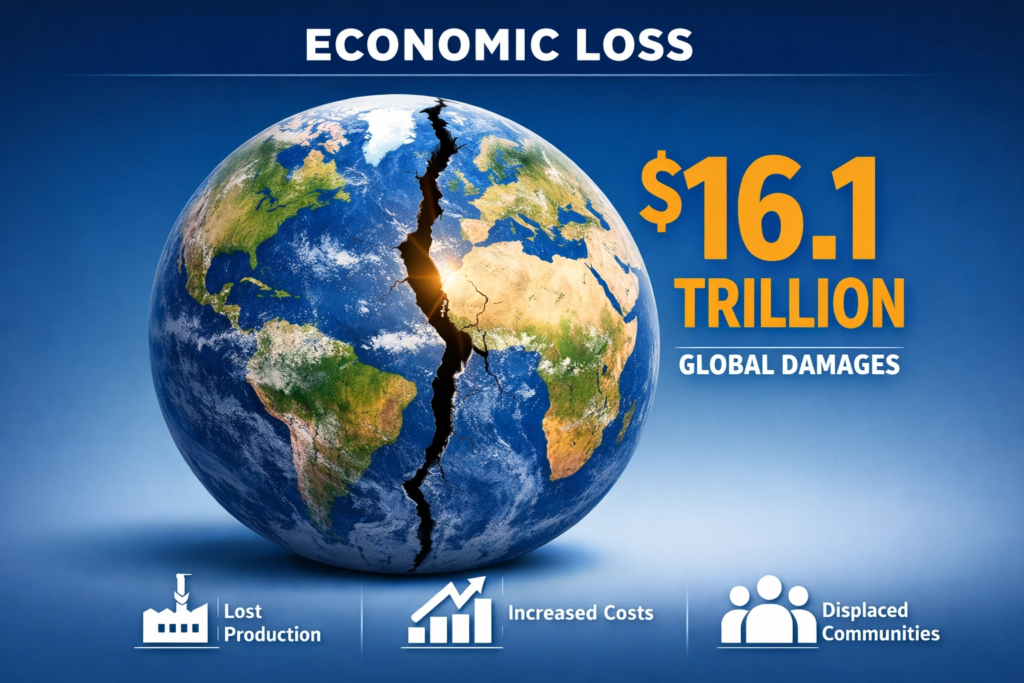
This stigma doesn’t just hurt individuals; it hurts the entire world. Depression and anxiety alone cost the global economy an estimated $1 trillion every year in lost productivity . But the true economic impact is even more staggering: mental illnesses are projected to cost the global economy $16.1 trillion between 2010 and 2030 . That’s a massive number that should make any world leader or CEO pay attention. But more importantly, it represents a massive human cost. About 15% of the world’s population experienced a mental disorder in 2023 . That’s over a billion people.
The Funding Gap: Physical vs. Mental Health
To truly understand the neglect, consider the disparity in funding and attention:
| Aspect | Physical Health Initiatives | Mental Health Initiatives |
| Global Funding | Significantly higher | Woefully inadequate |
| Public Awareness | High (e.g., cancer, heart disease) | Lower, often stigmatized |
| Insurance Coverage | Often comprehensive | Often limited or excluded |
| Workplace Support | Common (e.g., sick leave for physical illness) | Less common, often tokenistic |
| Research Investment | Substantial | Comparatively lower |
This table clearly illustrates that despite the immense human and economic burden, mental health continues to be treated as a secondary concern.
What Needs to Change? (Hint: Almost Everything)
If we want to make mental health a true global priority, we need to change how we think about it—from the halls of government to our own workplaces.
Policy Level: Accessibility Over Everything
Therapy shouldn’t “cost an arm and a leg.” We need policies that treat mental health care as a basic human right, covered by insurance and available to everyone, regardless of their bank account. When influential figures dismiss the importance of mental health conditions, they reinforce stigma. We need a collective realization that mental health is as crucial as physical health, and its care should be equally accessible and affordable for everyone.
Community Level: Normalizing the Conversation
We need to keep talking about it. The more we share our stories—like mine, or my family’s—the harder it becomes for people to ignore the reality of this crisis. Community-based initiatives, peer support networks, and educational programs can help break down barriers and foster environments where asking questions about mental health and even seeking help are seen as a strength, not a weakness.
Cultural Level: Taking it Seriously at Work
We need to move past the “grind culture” that ignores human needs. We need real mental health days, flexible schedules, and a culture that recognizes that employees are human beings with lives outside of their spreadsheets. Recognizing that people are individuals who navigate diverse life experiences and require support is not just compassionate; it’s a pragmatic approach to ensuring a thriving society. When individuals are given the resources, care, and understanding they need, they are better equipped to contribute meaningfully to their communities and the global economy. For more on this, read about How Exercise Improves Mental Health.
Your Toolbox: How You Can Make a Difference
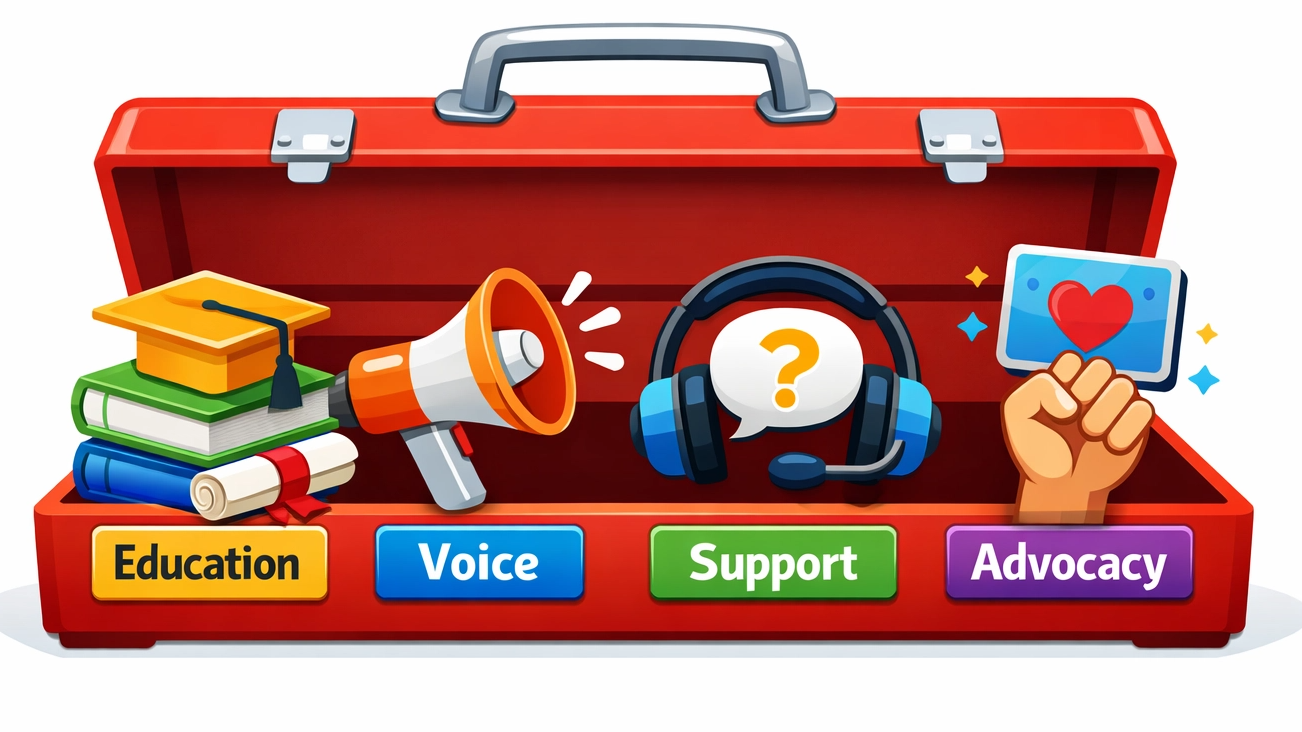
Feeling overwhelmed? You’re not alone. But there are concrete steps you can take to advocate for mental health in your own life and community:
•Educate Yourself & Others: Share articles like this one. Challenge misconceptions. The more informed we are, the better we can advocate.
•Speak Up: Share your story (if you’re comfortable). Support friends and family who are struggling. Your voice matters.
•Advocate for Policy Change: Contact your elected officials. Support organizations pushing for better mental health legislation and insurance coverage.
•Promote Workplace Wellness: If you’re in a position to influence workplace culture, push for mental health days, EAPs (Employee Assistance Programs), and a supportive environment.
•Support Mental Health Organizations: Donate, volunteer, or simply follow and share content from organizations doing vital work in mental health advocacy and support.
The Bottom Line: A Better World for Everyone
If I could sit down with a global leader today, I’d tell them this: Investing in mental health is an investment in humanity.
The spreadsheets might not explicitly show the cost of despair, the lost innovation due to burnout, or the societal fragmentation caused by unaddressed trauma, but these are very real, very tangible drains on human potential and global progress.
At the heart of this message is a simple yet profound truth: when individuals are supported in their mental well-being, they benefit themselves, they benefit society, and they benefit others. By allowing for necessary breaks, providing accessible resources, and offering the care that every human being needs at some point in their life, we unlock a collective capacity for growth, innovation, and empathy. We become better people, work harder, and achieve more as a society. Ignoring mental health is not just a humanitarian oversight; it is a fundamental barrier to achieving any meaningful global objective, from economic stability to lasting peace.
It is time to move beyond the silence and the stigma and start answering the questions about mental health. It is time to recognize mental health as the foundational pillar it is for individual well-being and global prosperity. The call to action is clear: let us collectively commit to making mental health a true global humanitarian priority, not just for the sake of those who suffer, but for the betterment of all humanity.
Frequently Asked Questions (FAQ)
Q: Is mental health a human right?
A: Yes, increasingly, mental health is recognized as a universal human right and an essential foundation of human development. Access to mental health care should not be a privilege but a right.
Q: How does mental health impact global poverty?
A: Mental health and poverty are deeply intertwined. Poor mental health can hinder education, employment, and social integration, perpetuating poverty. Conversely, the stresses of poverty can exacerbate mental health conditions, creating a vicious cycle.
Q: What is the economic cost of neglecting mental health globally?
A: Depression and anxiety alone cost the global economy an estimated $1 trillion each year in lost productivity. The total economic impact of mental illnesses is projected to reach $16.1 trillion between 2010 and 2030.
Q: What can individuals do to help address the global mental health crisis?
A: Individuals can educate themselves and others, share their stories, advocate for policy changes, promote workplace wellness, and support mental health organizations. Every action, big or small, contributes to breaking down stigma and increasing accessibility.
References
[2] WHO. (2025). Mental health in emergencies.
[3] WHO. (n.d.). Mental health in emergencies: a lifeline, not a luxury.
[7] WHO. (2025, September 2). Over a billion people living with mental health conditions.
[8] Mental Health First Aid International. (n.d.). Mental Health is a Global Priority.
[9] Institute for Health Metrics and Evaluation. (n.d.). Mental health.