My Experience With Performance Anxiety as a Student Athlete
What is Performance Anxiety in Sports?
The Mental Playbook: 5 Tips to Conquer Performance Anxiety in Sports
Resources for Additional Support
Have you ever felt like you were going to be sick before a big game? Like your heart is about to jump out of your chest and your legs turn to jelly? Maybe you felt like you were not present or could blackout at any moment. If you play sports, this feeling may be all too familiar. It’s better known as performance anxiety, and it’s more common than you’d think.
My Experience With Performance Anxiety as a Student Athlete
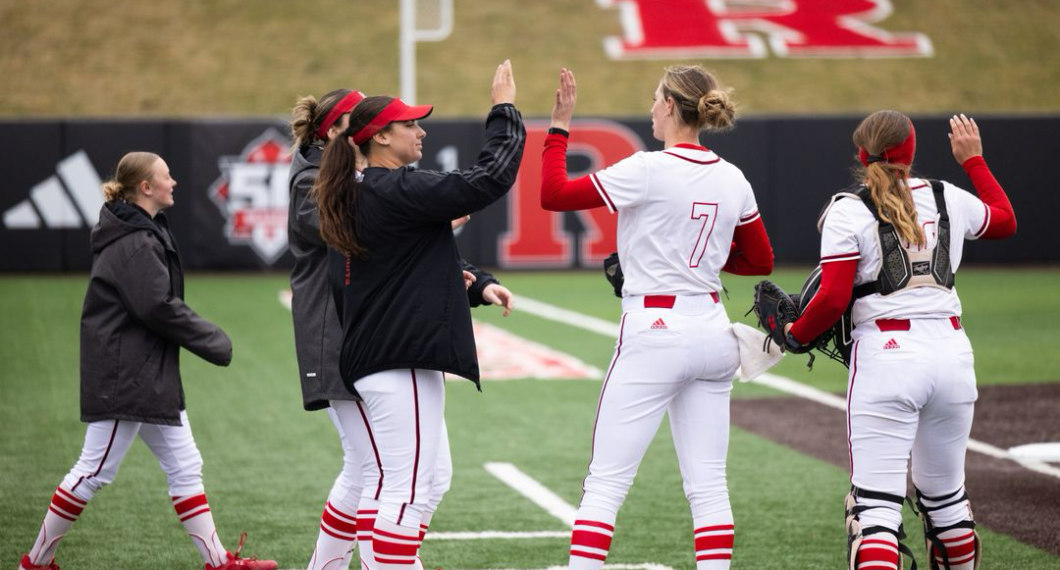
Performance anxiety in sports can effect even the best athletes. As an NCAA Division I athlete, I am no stranger to the mental and physical effects of performance anxiety. Imagine having a mental block so strong that it feels like your brain and body are disconnected, where you are physically unable to perform the task you have practiced over and over countless times. That is what I experienced while playing collegiate softball. In my early years as a college pitcher, the performance anxiety I experienced when playing became so overwhelming and discouraging that I chose to step away from the game and cut my career short.
But guess what? My story did not end there. After finding the right tools and committing myself to taking control of my mental game, I decided to play my final year of eligibility at Rutgers. I discovered how to deal with performance anxiety in sports head-on, and you can too! This guide will be your game plan for conquering performance anxiety. We’ll explore what it is, why it happens, and most importantly, how to overcome your mental battle so that you can perform your best.
What is Performance Anxiety in Sports?
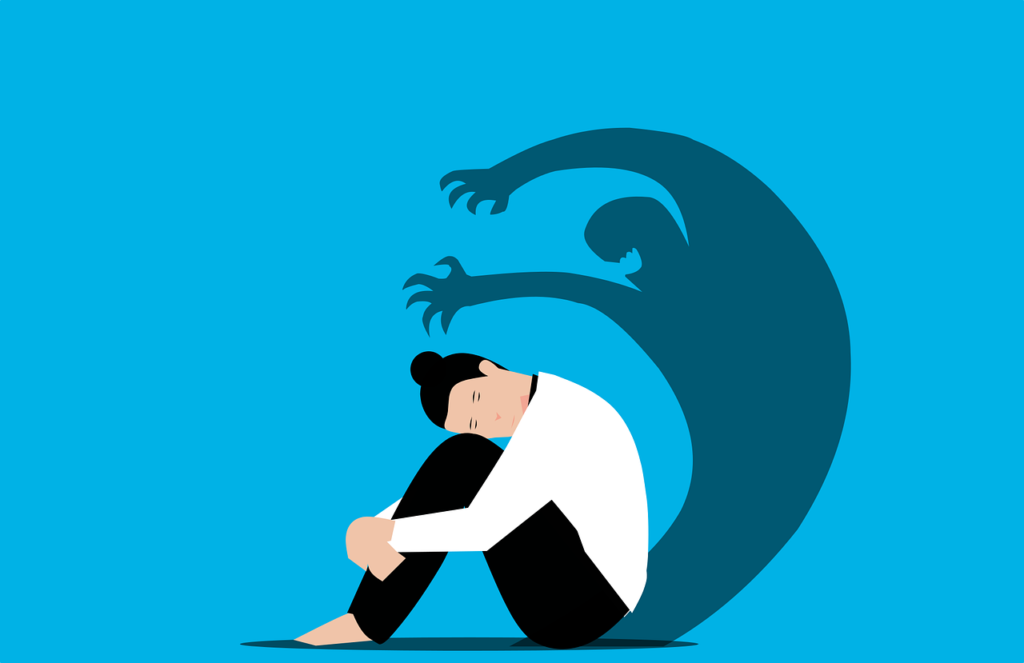
Performance anxiety is a form of anxiety or an intense, overwhelming sense of fear or concern connected to the ability to complete a certain task. Fear of the repercussions of performing poorly may also contribute to feelings of performance anxiety. There are many instances where a person may experience performance anxiety in sports, a job interview, taking a test, etc. Imagine you’re lined up for a penalty kick in soccer, or about to throw the winning touchdown pass in football. Your palms are sweaty, your breath is coming in short bursts, and your mind is racing. You feel at a loss of control of your mind and body. That’s performance anxiety at work. Don’t get me wrong, having nerves or jitters before a performance is normal. However, your body has a natural way of getting ready for action, sometimes perceiving situations as more stressful or frightening than they truly are. But this “fight-or-flight” response may go into overdrive, making it hard to focus and perform your best.
Why Does it Happen?
There are a few reasons why athletes might feel performance anxiety in sports. Maybe you’re worried about letting your team down, or afraid of making a mistake. You might even feel pressure from parents, coaches, or even yourself to perform perfectly. All these things can trigger that anxious feeling. Yet, you may not even understand why you are having physical signs of anxiety when performing, but your body continues to kick into fight-or-flight.
The Mental Playbook: 5 Tips to Conquer Performance Anxiety in Sports

Here’s the good news: overcoming performance anxiety is totally possible! Sure, taking deep breaths can help calm you down in the moment, but there’s more to the story. Let’s explore some of the strategies that helped me conquer my performance anxiety, how I applied them, and how you can too.
1. Identify Your Trigger as an Opportunity:
The first step to fighting anything is to understand it. Think about and identify what situations usually trigger your anxiety. Is it before big games, when you’re learning a new skill, or in certain competition settings? Once you know your triggers, you can start to develop a plan to deal with them.
I found that my performance anxiety primarily showed up in competitive settings, or anytime there was something to lose. When practicing I would perform at a high level, but there was a disconnect between my performance in practice and competition settings. Knowing this, I had to find a way to reshape the way I viewed competitive settings. I changed my point of view to look at competition as an opportunity rather than as something to lose. Shifting my views on competition allowed me to approach performances with gratitude for a new opportunity, instead of piling pressure on myself to be perfect.
Studies have shown that gratitude can reduce stress and anxiety and increase happiness. Gratitude can also be a protective factor against mental health challenges. I found that consciously practicing gratitude for competition significantly reduced my feelings of stress and anxiety about my performance.
2. Positive Self-Talk: Quiet Negative Thinking
We all have that inner voice that sometimes likes to be a bully. Before a game, that voice might whisper doubts like “You’re going to mess up” or “They’re better than you.” But here’s the secret: you are in control of that voice! Instead, shut down your negative thoughts before they become a spiral and replace those negative thoughts with positive affirmations like “I’ve trained hard for this” or “I believe in myself and my skills.”
I used to constantly catch myself saying “what if” statements during my performance. Before throwing a pitch, I would anticipate the negative possibilities of the pitch being a ball or the batter hitting a home run, etc. Rather than questioning all of the possible negative outcomes, I had to constantly remind myself to speak positive words to myself. Instead of anticipating my failure, I chose to anticipate my success. As soon as I caught myself in a negative thought spiral, I would actively decide to quiet my negative thoughts and replace them with positive affirmations.
3. Visualization and Preparation:
Imagine yourself succeeding. Close your eyes and picture yourself making that perfect shot, catching the winning pass, or running a smooth race. The more you visualize success, the more confident you’ll feel when the real moment arrives. Visualize all of the positive possibilities that competition has to offer. Rather than taking time to imagine all the ways your performance could go wrong, visualize yourself performing well.
4. Relaxation Techniques: Clear Your Mind
Sometimes, you just need to chill out! While it is easier said than done, techniques like progressive muscle relaxation (tensing and relaxing different muscle groups) or mindfulness meditation (focusing on your breath and staying present in the moment) can help calm your nerves before a game. Try closing your eyes and focus on scanning your body, paying attention to what you feel in your toes, fingertips, arms, legs, etc.
Before performing, practice relaxation and mindfulness. One of my struggles with performance anxiety is an increased heart rate at rest. Knowing this, before every game I pitch, I go on a short run to get my heart rate up even higher and to release some of the pre-game jitters. Going on a run allows me to clear my head and raise my heart rate in a way that I feel in control and am accustomed to. After running, I sit down, close my eyes, and begin box breathing techniques to control bringing my heart rate back down. This is a way for me to feel in control of my body and mask the fight-or-flight responses that I feel.
5. Create a Routine: How You Prepare is How You Perform
How you prepare to perform is of extreme importance. Creating good habits such as getting a good night’s sleep, fueling your body with nutritious foods, and practicing mindfulness before performance can help you be better prepared. Confidence is developed through preparation. The more you practice and prepare for your performance, the more confident you will feel when the competition time comes.
A competition routine can act as a trigger for your mind and body, allowing you to not perceive the moment as something bigger than it is because you’ve done it before. I make it a point to prepare the same way before every game. This includes nutrition, stretching, mental prep, etc. When you begin warming up physically, you are also warming up mentally. When it’s time for you to perform, trust in the hours of preparation you have put in, and success with be inevitable.
Resources for Additional Support:
It is OKAY to seek professional help. You don’t have to go through this alone! Talk to your coach, teammates, parents, or even a therapist about your anxiety. They can offer encouragement, advice, and strategies to help you manage your feelings. Remember, a strong support system can be your biggest cheerleader!
There are numerous resources to aid you in your journey with performance anxiety in sports. Professional help is a great place to start if your anxiety is becoming too overwhelming. It may also help to attend mindfulness and wellness classes or try practicing yoga or going on a walk before performances.
Overcoming performance anxiety in sports is a conscious decision. Choosing to see a sports psychologist was one of the best decisions I made for myself when aiming to conquer performance anxiety. My doctor gave me various techniques to support me and most importantly helped me understand that who I am as a person will always be more important than any performance. No sport or performance can dictate your value as a person.
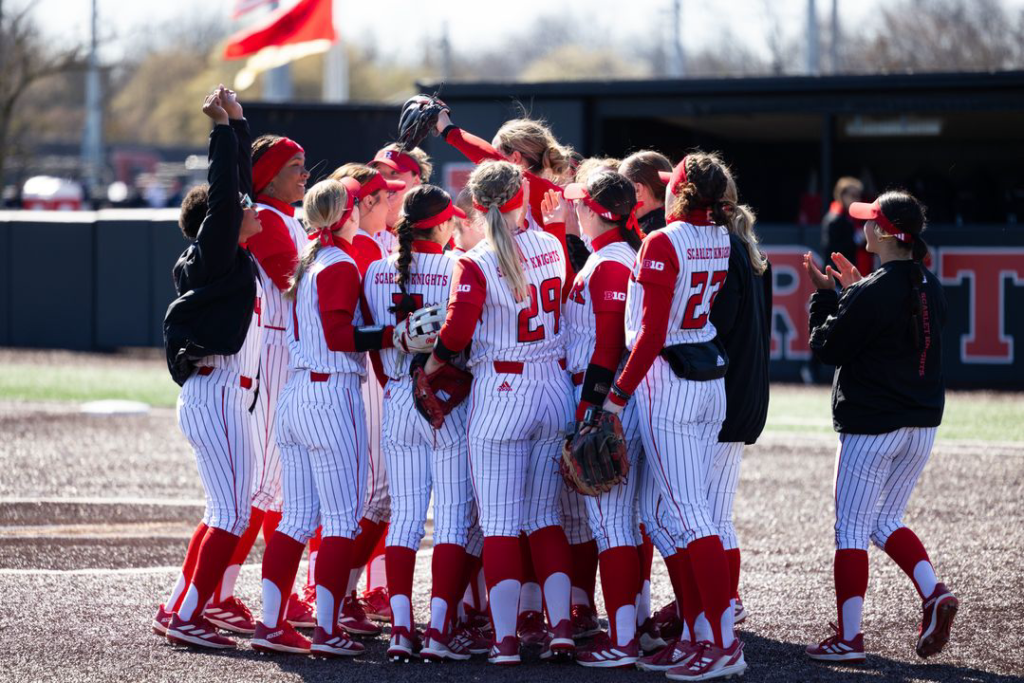
Performance anxiety might feel like a monster under your bed, but it doesn’t have to control you. Remember, many athletes experience it at times, even the pros! With the right tools and support, you can learn to manage your anxiety and turn it into a positive force. The sooner you learn to take control of your mental game, the sooner you take control of performance anxiety. So, take a deep breath, believe in yourself, and go out there and win – not just the game, but the battle against performance anxiety too!