Introduction: Your Wardrobe, a Window to the Economy
Have you ever stopped to think that your closet might be telling a story about the global economy? The link between economics in fashion is much more than just a passing trend. From the length of skirts to the explosion of resale apps, economic forces shape what we wear, how we shop, and how we see ourselves. As an MBA student who studies both economic theory and the fast-paced world of fashion, I’ve seen these connections up close. This post looks at these links, moving past old theories like the Hemline Index to help you understand your shopping habits in a new, economically smart way.
Table of Contents
- The Hemline Index: A Historical Perspective
- Modern Economic Trends in Fashion: A New Lens
- The Lipstick Index: Small Luxuries in a High-Cost World
- Case Study: The Rise of Secondhand Shopping and Label Loyalty
- Quiet Luxury vs. Office Siren: Dressing for the Current Climate
- Predictive or Reflective? Fashion’s Economic Mirror
- The Big Takeaway: Why Your Wardrobe Matters
- Frequently Asked Questions (FAQs)
The Hemline Index: A Historical Perspective
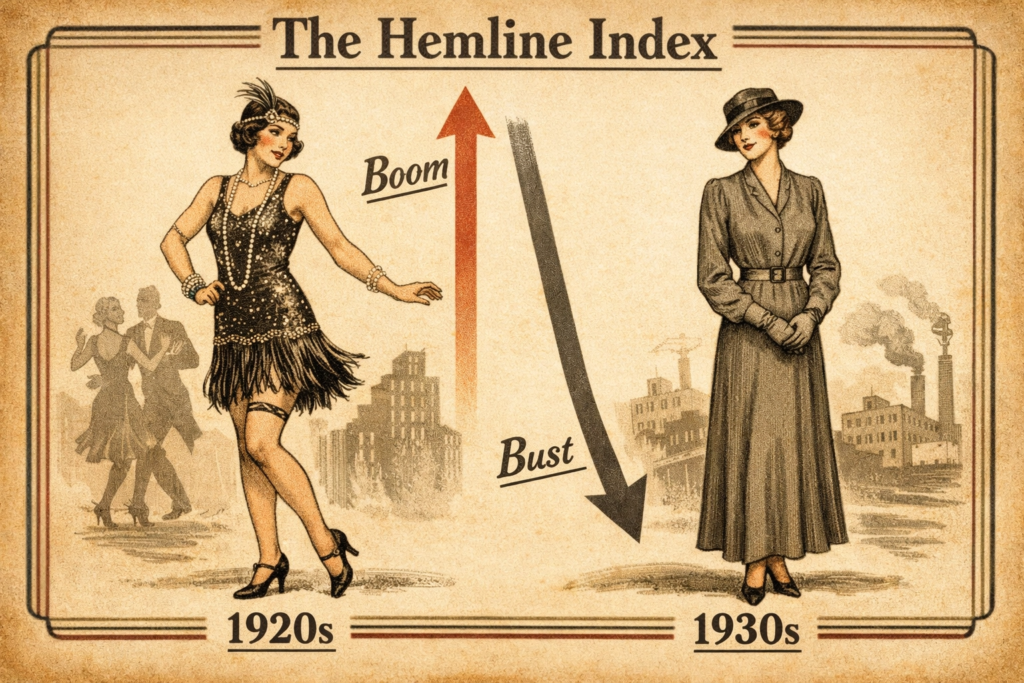
The most famous theory connecting fashion and money is the Hemline Index. This idea suggests a simple rule: when the economy is booming, skirts get shorter, and when times are tough, they get longer. While it’s mostly based on historical observations rather than hard science, it’s been a popular topic since the 1920s. Back then, people noticed that during prosperous times like the “Roaring Twenties,” flapper dresses had short hemlines. But during the Great Depression, skirts became longer and more modest. This history gives us a starting point, but does this old rule still apply in today’s world?
Modern Economic Trends in Fashion: A New Lens
In the 21st century, the connection between economics in fashion has changed. Social media, global trade, and technology have added new layers to the story. We aren’t just watching hemlines anymore; we are seeing the rise of fast fashion, the massive growth of secondhand markets, and the super-fast cycles of micro-trends.
My own observations, especially during uncertain times like the COVID-19 pandemic, show a clear shift in how people shop. With rising gas prices, soaring home costs, and general financial stress, many people—including myself—changed their buying habits. We often chose clothes that were more practical or budget-friendly, showing that our personal style is often a reaction to bigger economic shifts. For a deeper look at how these choices impact the planet, you can read more about why fast fashion is a problem and why the industry needs to slow down.
The Lipstick Index: Small Luxuries in a High-Cost World
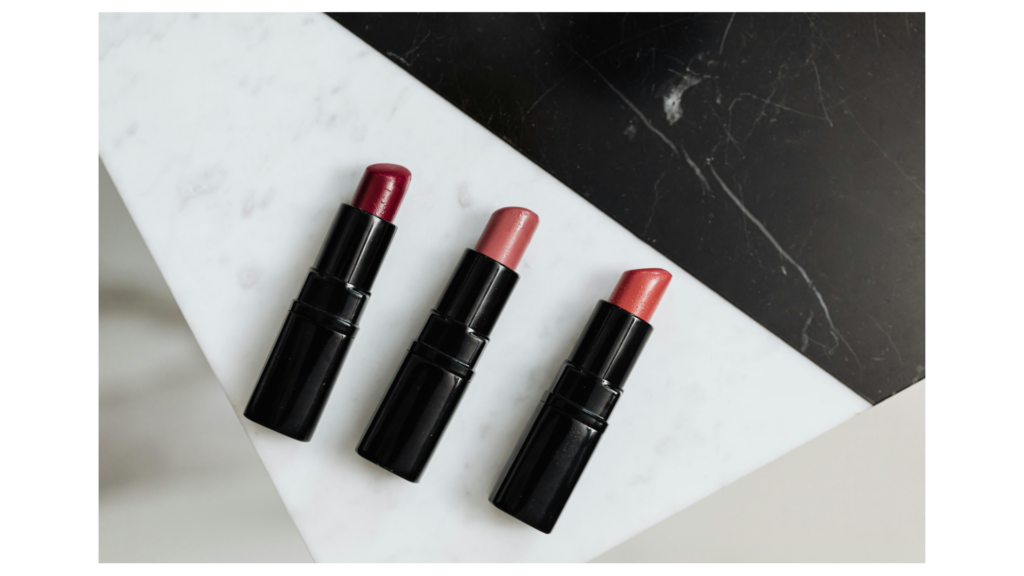
While the Hemline Index focuses on what we wear on our bodies, the Lipstick Index looks at what we put on our faces. This theory, popularized during the 2001 recession, suggests that when people can’t afford big-ticket items like a new home or a car, they turn to small, affordable luxuries like a high-end lipstick. In today’s economy, where home prices and gas prices are a major concern, we see this playing out again. You might not be able to buy a house, but you can still treat yourself to a $40 designer lipstick or a luxury candle. It’s a way to maintain a sense of normalcy and treat yourself when the bigger economic picture feels overwhelming.
Case Study: The Rise of Secondhand Shopping and Label Loyalty
One of the best examples of economics in fashion today is the huge surge in secondhand shopping. Apps like Depop, Poshmark, and thredUP have turned what used to be a niche hobby into a mainstream movement. In fact, the resale market is expected to account for 10% of the global apparel market by 2026. This trend is driven by two main factors:
- Economic Uncertainty and Label Loyalty: When money is tight, people don’t just stop wanting high-quality labels. Instead of buying generic, affordable clothing, many shoppers turn to secondhand sites to find their favorite designer brands for a fraction of the price. This allows them to maintain their style and status even when gas or rent prices are rising. It’s about getting a $500 luxury brand for $50—a smart economic move that keeps you looking good. To help manage your overall budget while staying stylish, check out these 6 money-saving steps for a sustainable lifestyle.
- Environmental Awareness: Beyond saving money, more people care about the planet. Shopping secondhand is seen as a sustainable choice that extends the life of a garment and reduces the waste caused by fast fashion. If you’re ready to start your own hunt, this thrift shopping guide will show you how to find hidden gems and save money.
This mix of financial smarts and environmental care shows a major change in what shoppers value today.
Quiet Luxury vs. Office Siren: Dressing for the Current Climate
Two of the most talked-about trends recently are Quiet Luxury and the Office Siren aesthetic, and both have deep economic roots.
- Quiet Luxury (Stealth Wealth): When the economy feels shaky, wealthy people often move away from flashy logos and loud designs. Instead, they opt for high-quality, understated pieces that don’t scream “rich.” This is a classic move during downturns to avoid looking out of touch while others are struggling. It’s about investing in one high-quality, long-lasting piece rather than many cheap, trendy ones.
- Office Siren: This trend features sharp, professional, 90s-inspired office wear—think structured blazers and pencil skirts. In a tough job market or as more people return to the office, this style reflects a desire to look serious and employable. It’s the modern way to “dress for the job you want” when jobs feel like a scarce resource.
Both trends show how we use fashion to navigate and respond to the economic mood of the moment.
Predictive or Reflective? Fashion’s Economic Mirror

When we talk about economics in fashion, a big question is whether fashion predicts the economy or just reflects what is already happening. The old Hemline Index was all about prediction. However, I believe today’s world is more complex. Because of social media and micro-trends, fashion moves at lightning speed. Trends pop up and disappear almost overnight, spreading like wildfire online. This suggests that modern fashion is often a reflection of our current economic reality and mood, rather than a signal of what’s coming next. It’s a “chicken or the egg” puzzle where the speed of the internet blurs the lines between cause and effect.
The Big Takeaway: Why Your Wardrobe Matters
Understanding the economics in fashion isn’t about becoming a financial expert. It’s about helping you, the fashion lover, make smarter choices and see the deeper stories in your clothes. Your shopping habits aren’t just about personal taste; they are shaped by the world around you. By pausing to think about why you buy what you do, you can better understand our current economic state and how you fit into it. Fashion is more than just clothes—it’s a living, breathing indicator of our times.

Frequently Asked Questions (FAQs)
The Hemline Index is a theory that skirt hemlines rise during good economic times and fall during downturns. It’s a historical observation, not a definitive economic tool.
When money is tight, people often look for cheaper options, which boosts fast fashion. However, many people are now balancing this with a desire for more sustainable, secondhand choices.
It’s a direct response to economic pressure and environmental concerns. It allows shoppers to find high-end labels they love without paying full retail prices.
In the age of social media, fashion trends usually move too fast to be predictive. Instead, they act as a rapid reflection of the current economic mood.
Understanding this link helps you become a more conscious consumer. It allows you to see the bigger forces behind your shopping habits and appreciate fashion as a sign of the times.
The Lipstick Index is a theory that sales of small luxuries, like lipstick, increase during economic downturns as consumers opt for affordable treats instead of large purchases.
Quiet Luxury, or “stealth wealth,” often emerges during economic uncertainty as a way to signal quality and stability without being flashy or ostentatious.