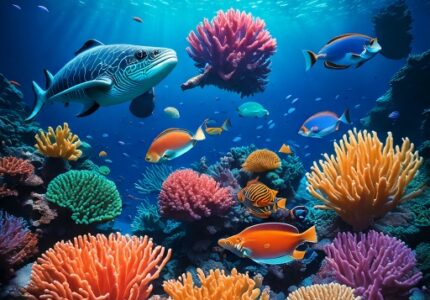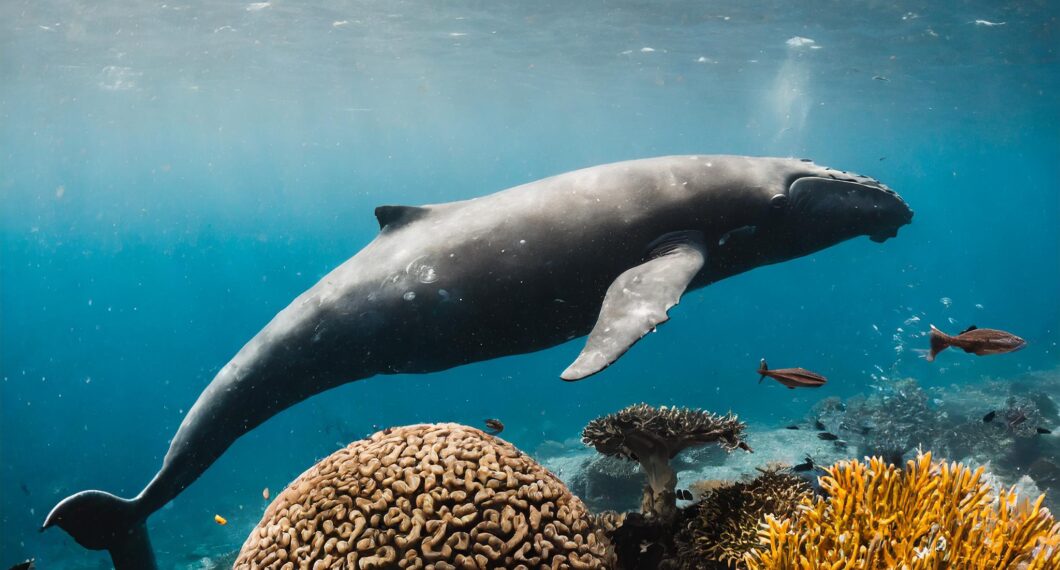
Deep beneath the ocean waves, countless creatures swim and glide, creating a vibrant underwater world. But sadly, many of these amazing animals are in danger of disappearing forever. They are called endangered sea animals, and they need our help!
Endangered Sea Animal Information:
On the Edge: Protecting Endangered Sea Turtles from Extinction
Sea turtles are fascinating creatures. They have been swimming the seas for millions of years, even before dinosaurs roamed the Earth! But today, many types of sea turtles are in danger of going extinct. This means they could disappear completely, leaving the oceans a little emptier.
Why are sea turtles endangered? There are a few reasons:
- Habitat Loss: Sea turtles lay their eggs on beaches, but beaches are getting crowded with houses, hotels, and people. This makes it harder for turtles to find safe places to lay their eggs
- Pollution: Plastic bags and other trash can float in the ocean, looking like food to turtles. This trash can be sickly, and even fatal for the turtles.
- Fishing Nets: Sometimes, sea turtles get caught in fishing nets meant for other fish. This can trap and drown them.
- Illegal Trade: Despite international protection, sea turtles are still trafficked for their meat, eggs, shells, and other products. Poaching of eggs and adults for consumption or for sale in illegal wildlife markets continues to threaten sea turtle populations, particularly in regions with weak law enforcement and governance.

Vanishing Vaquitas: Endangered Sea Animal on the Gulf of California
Have you ever heard of a vaquita? They are the smallest and rarest porpoises in the world, living only in the Gulf of California, a warm sea between Mexico and Baja California. Sadly, there are only around 10 vaquitas left! This makes them critically endangered, meaning they are one of the most endangered animals in the world.
Why are vaquitas so endangered? Vaquitas are often accidentally caught in fishing nets used to catch another animal called the totoaba. The totoaba, a marine fish species (that also faces endangerment) are invested in substantial sums for its swim bladder, an important part of their body. According to the World Wildlife Fund, nearly 1 out of every 5 Vaquitas are caught in the nets meant for totoabas. This illegal fishing is putting them on the brink of extinction.
A Symphony of Silence: The Plight of Coral Reefs
Coral reefs are like underwater cities, teeming with colorful fish, playful dolphins, and fascinating sea creatures. They are also very important for the health of our oceans. But just like rainforests on land, coral reefs are facing threats too.
What’s harming coral reefs?
- Climate change: As the Earth warms, the ocean water gets warmer too. This warming can bleach coral reefs, which is when the coral loses their vibrant colors due to stress. This makes them very sick and susceptible to death.
- Pollution: Like sea turtles, coral reefs can also suffer from pollution, which can make them weak and unable to thrive. Pollution can cause tissue damage, inhibited growth, or bleaching. To learn more about pollution in our ocean, read the article: “Plastic Bottle Ocean Pollution: Its Effects on the World’s Oceans and How We Can Change This.
- Overfishing: When too many fish and other sea creatures are taken from the ocean, it can disrupt the balance of the ecosystem and harm the coral reefs.
Bus-Sized Buddies in Danger: The North Atlantic Right Whale
Imagine a friendly giant swimming in the icy Arctic waters, as long as a school bus! That’s the North Atlantic right whale, but these amazing creatures are in big trouble. There are only about 360 left, which is way fewer than there used to be.
Why are these gentle giants disappearing? For one, North Atlantic right whales get tangled up in fishing nets and lines meant for other fish. This can be like getting caught in a giant underwater spiderweb, causing serious injuries or even death.
Secondly, climate change may be affecting the distribution and abundance of the right whale’s food source, making it even harder for them to find enough to eat. The creature needs clean, cold water to find its favorite food – tiny shrimp-like creatures. The ocean’s pollution dirties the water, making it difficult for them to see and hunt for their food. It’s like trying to find a needle in a haystack!
Hawaiian Monk Seals: Endangered Guardians of the Pacific
The Hawaiian monk seal is another sea animal that is quite endangered. Their population, which has been declining for decades, sits at around 1,500 individuals – a mere fraction of their historical numbers.
This precarious situation is attributed to various threats. Entanglement in fishing gear and marine debris poses a significant danger. Limited food sources due to habitat degradation and competition further endanger their survival. Additionally, diseases and shark predation contribute to the monk seal’s struggles.
While conservation efforts are underway, these fascinating creatures remain critically dependent on continued protection and habitat restoration for their future.
Taking Action: Simple Ways Individuals Can Help Prevent Animal Endangerment
Even though the situation seems scary, there is still hope! We can all take action to help protect endangered sea animals and their underwater homes. Here are some ways you can help:
- Reduce your use of plastic: By saying “no” to plastic straws, bags, and other single-use items, you can help keep our oceans clean for sea turtles and other endangered sea animals.
- Be a mindful consumer: When buying seafood, choose brands that are committed to sustainable fishing practices. This helps ensure that fish are caught in ways that don’t harm endangered animals like vaquitas
- Support organizations working to protect the ocean: Many amazing organizations are dedicated to protecting endangered sea animals and their habitats. Donate or volunteer your time to help them continue their important work.
- Spread awareness: Talk to your friends and family about endangered sea animals. The more people who know about the problem, the more likely we are to find solutions. I myself learned about the problems of animal endangerment from informative social media posts.
By working together, we can make a difference for the amazing creatures of the ocean. Remember, even small actions can have a big impact!
A World Worth Protecting
The ocean is a vast and wondrous place, filled with incredible creatures that deserve our respect and protection. By understanding the threats they face and taking action, we can help ensure that these endangered sea animals continue to swim, glide, and thrive in the ocean waves for generations to come. As somebody who has always felt a deep connection to our ocean, I am driven to protect this vital part of our planet and the amazing creatures that call it home.