Have you ever looked out at the ocean and wondered what secrets the life below water holds? It’s a vast, blue world, full of amazing creatures. But beneath the sparkling surface, a silent danger lurks: pollution. We often think of pollution as something far away, but it’s closer than you think, affecting the very seafood on our plates and the health of our communities. Let’s dive deep and see how pollution is changing the lives of sea creatures and what we can do to help.
The Invisible Threat: What Pollutants Are We Talking About?
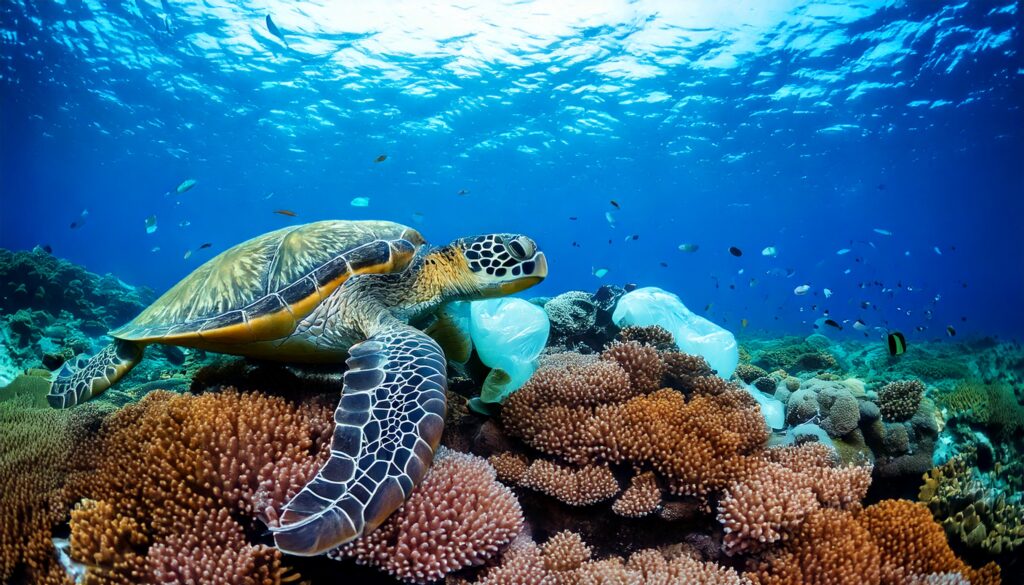
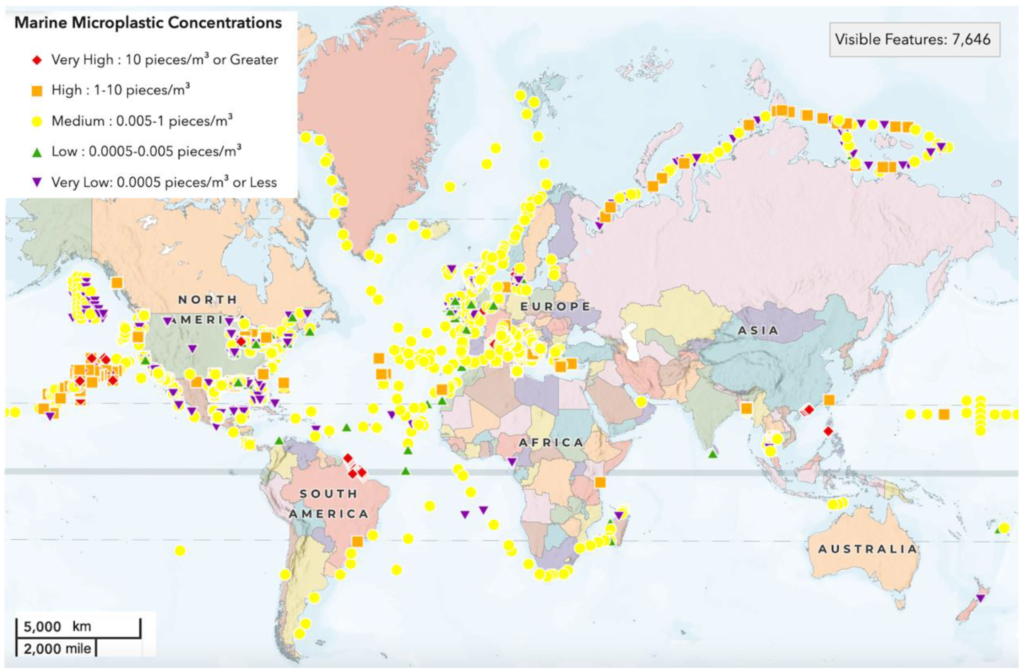
Imagine your favorite fish trying to swim through a thick, cloudy mess. That’s what many sea animals face every day. I remember one summer, visiting a beach I loved as a child. The life below water, once crystal clear, was murky, and I saw plastic bags floating alongside the waves. It wasn’t just an eyesore; it was a stark reminder of our actions’ impact. We’re talking about things like plastic, chemicals from factories, oil spills, and even trash we throw away. Plastic, especially tiny pieces called microplastics, gets eaten by fish and other sea animals. These plastics can make them sick or even kill them. Chemicals from farms and factories flow into the ocean, poisoning the water and animals. Oil spills coat the ocean surface, making it hard for animals to breathe and find food. According to a study by the National Oceanic and Atmospheric Administration (NOAA) (cite: https://oceanservice.noaa.gov/facts/pollution.html), plastic debris alone injures or kills hundreds of thousands of marine animals each year.
The Hidden Costs of Cheap Shrimp: Unveiling the Economic Collapse Beneath Our Waves.
You might not realize it, but pollution is hurting the businesses that rely on the ocean. Fishermen are catching fewer fish because pollution has made their habitats unsafe. This means less seafood for us and fewer jobs for people in coastal towns. Tourism also suffers. People don’t want to visit dirty beaches or swim in polluted water. When the ocean is sick, our communities get sick too. I have a friend who’s a third-generation fisherman. He tells me stories of how his grandfather’s nets were always full, but now, he struggles to make ends meet. He attributes a lot of this to the increasing pollution he’s seen firsthand. Negatively impact life below water and the life above feels it too.
Microplastics in Your Bloodstream: The Shocking Link Between Ocean Pollution and Your Health.
Here’s something to think about: the seafood we eat might be carrying pollution. Fish eat plastic and absorb chemicals, and when we eat those fish, those harmful substances can end up in our bodies. Scientists are finding microplastics in our blood, and they’re worried about the long-term effects. This isn’t just about the fish; it’s about us. I recently watched a documentary that showed scientists analyzing fish samples, and the amount of microplastics they found was staggering. It made me reconsider every piece of seafood I eat. According to a study published in Environmental Science & Technology (cite: https://pubs.acs.org/doi/10.1021/acs.est.9b01516), humans are ingesting thousands of microplastic particles annually.
Ocean Tech Revolution: The Innovations Cleaning Our Seas and Rescuing Coastal Economies.
But it’s not all bad news. Smart people are working on solutions. There are new technologies that can clean up plastic from the ocean and prevent pollution from happening in the first place. For example, some devices are designed to collect plastic waste before it reaches the deep ocean. Other innovations focus on making farming and factories cleaner, so they don’t pollute the water. These technologies can help restore our oceans and protect the livelihoods of people who depend on them. I even read about a company that developed biodegradable fishing nets, significantly reducing plastic waste in the fishing industry.
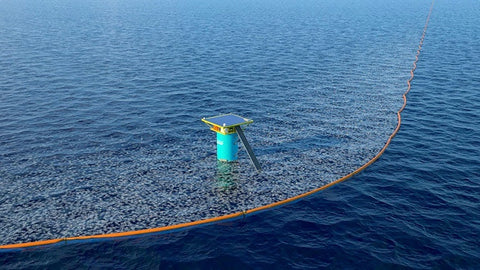
Innovative ocean cleanup technologies, such as the Ocean Cleanup project, have worked very hard to reverse the damage of pollution on the life below water.
From Protest to Policy: How Your Voice Can Actually Save the Ocean (and Where to Start).
You might think you’re just one person, but your voice matters. We can all make a difference by talking to our friends and family about ocean pollution. We can also support businesses that are trying to be eco-friendly. Reach out to your local leaders and ask them what they are doing to protect the ocean. You can also join local beach cleanups and spread awareness through social media. Every little bit helps. I recently joined a local beach cleanup, and it was eye-opening to see the sheer volume of trash we collected in just a few hours.
Link to EPA information about local water quality: https://www.epa.gov/waterdata/hows-my-waterway
The Whispers of the Tide: Artists and Activists Using Culture to Fight for Our Oceans.
Artists and activists are using their talents to raise awareness about ocean pollution. They’re creating beautiful paintings, powerful songs, and thought-provoking films that show us the beauty of the ocean and the dangers it faces. These creative voices help us connect with the ocean on an emotional level and inspire us to take action. I remember seeing a moving art installation made entirely of plastic waste collected from the ocean. It was a powerful visual reminder of the problem.
They Said It’s Too Late: The Local Heroes Proving Ocean Recovery IS Possible.
Even though the problem is big, there are stories of hope. In many communities, people are working together to clean up beaches, restore habitats, and protect marine animals. These local heroes show us that change is possible when we work together. We can learn from their examples and start making changes in our own lives. I recently learned about a community that successfully restored a mangrove forest, which not only helped clean the water but also provided a habitat for many marine species.
Link to Oceana, a global ocean conservation organization: https://oceana.org/
The ocean is a precious gift, and it’s our responsibility to protect it. By understanding the effects of pollution, we can start to make a difference. We can choose to use less plastic, support eco-friendly businesses, and raise our voices for change. Remember, even small actions can have a big impact. Let’s work together to keep our oceans clean and healthy for all the amazing creatures that call them home. You have the power to make a difference, and together, we can ensure that the blue depths remain a place of wonder and life for generations to come.