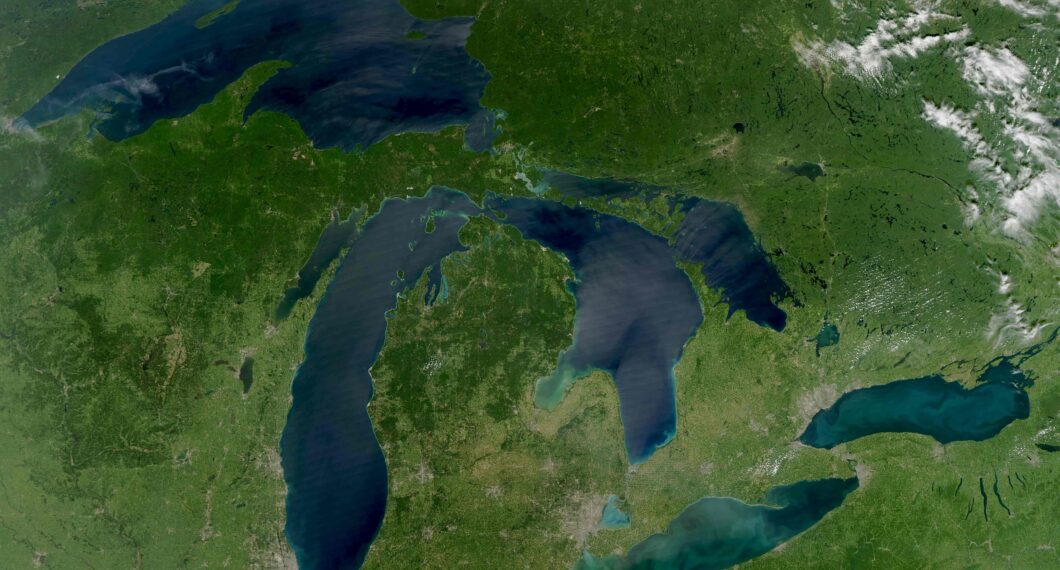
For most of us who grew up around the Great Lakes, we understand the importance of maintaining these awe-inspiring waters. However, for many who have not experienced the Great Lakes firsthand, it can be hard to comprehend the importance of these freshwater seas. Degradation of the Great Lakes ecosystem can result in negative impacts for the entire globe. Fish play a crucial role in maintaining underwater ecosystems, so learning about the different fish species that inhabit our Great Lakes is your first step in helping preserve these treasured waterways.
Have you ever wondered what fish are in the Great Lakes? You’re in for a treat! These massive lakes are home to a wide variety of fish, each with a unique story. Today, we’re going to explore these underwater worlds together. We’ll learn about the fish that have always lived here, the ones that arrived and stayed, and those that were brought in by people. Get ready to dive into the incredible world of Great Lakes fish!
“A normal lake is knowable. A Great Lake can hold all the mysteries of an ocean, and then some.”
Dan Egan, The Death and Life of the Great Lakes
What Fish Are In The Great Lakes Natively?
Let’s dive into the world of fish that have called the Great Lakes home for thousands of years. These native species have adapted to the unique environment of the lakes, playing crucial roles in maintaining the balance of the ecosystem.
Lake Trout

Picture a fish that loves cold, deep water. That’s the lake trout! They have a sleek, elongated body with light spots on a dark background. These fish play a vital role in the Great Lakes ecosystem. They help maintain balance by eating smaller fish.
Trout are an iconic fish species in the Great Lakes. This species is so beloved by the people around the area where I grew up in Northern Michigan that there is an annual five-day festival dedicated entirely to trout!
Unfortunately, pollution and invasive species have made it difficult for lake trout to survive, but people are working hard to bring them back by improving water quality and creating safe breeding areas.
Yellow Perch
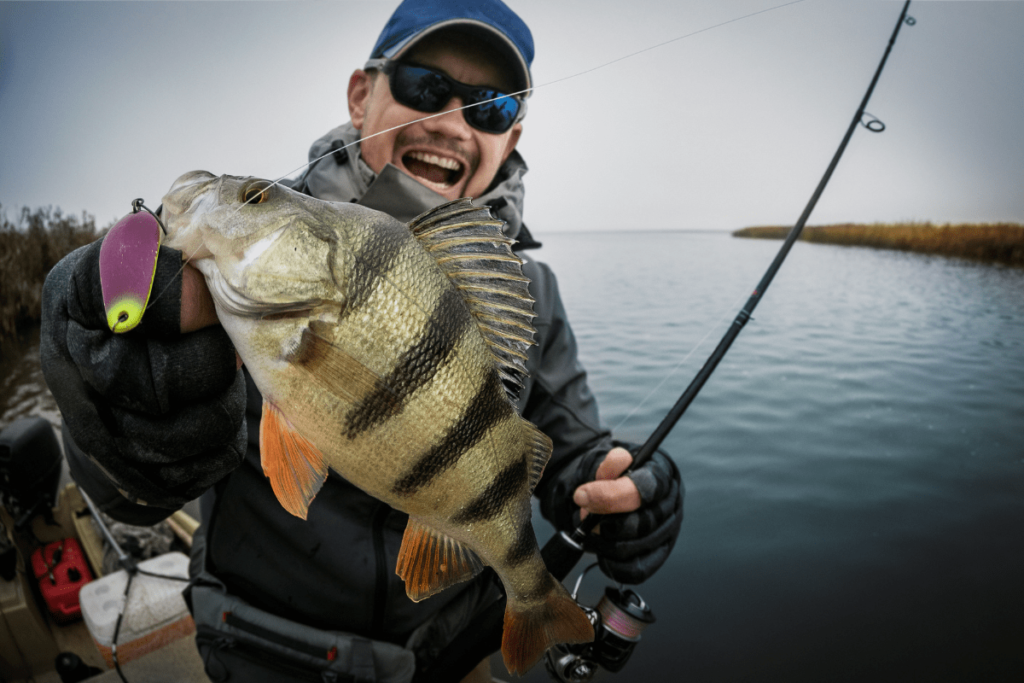
These little fish are everywhere in the Great Lakes! You might have even seen them on a plate. Yellow perch have bright yellow bodies with dark vertical stripes. They are a favorite among anglers and play an important role in the food chain.
Many people enjoy fishing for yellow perch, which also helps local businesses. I can recall vivid childhood memories of fishing for yellow perch in Lake Michigan off the local piers of my hometown.
Lake Whitefish
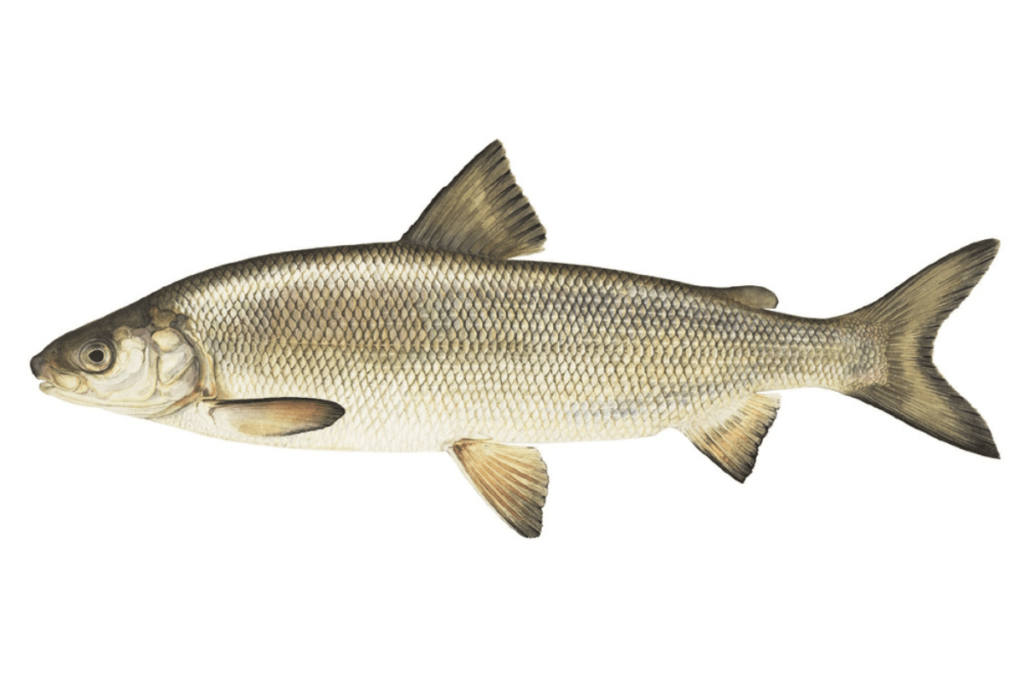
Lake whitefish have a silvery body and a small mouth. For centuries, Native Americans and early settlers depended on them for food. Their name comes from their pale coloring. These fish thrive in cold water and are a sign of a healthy lake.
Whitefish, along with the aforementioned lake trout, are the staple fish species in the Great Lakes region culinary scene. When I think of a small town fish store, I instantly think of rows of fresh caught whitefish and trout hanging outside of Carlson’s Fishery (no relation to the author) in Leland, Michigan.
Northern Pike
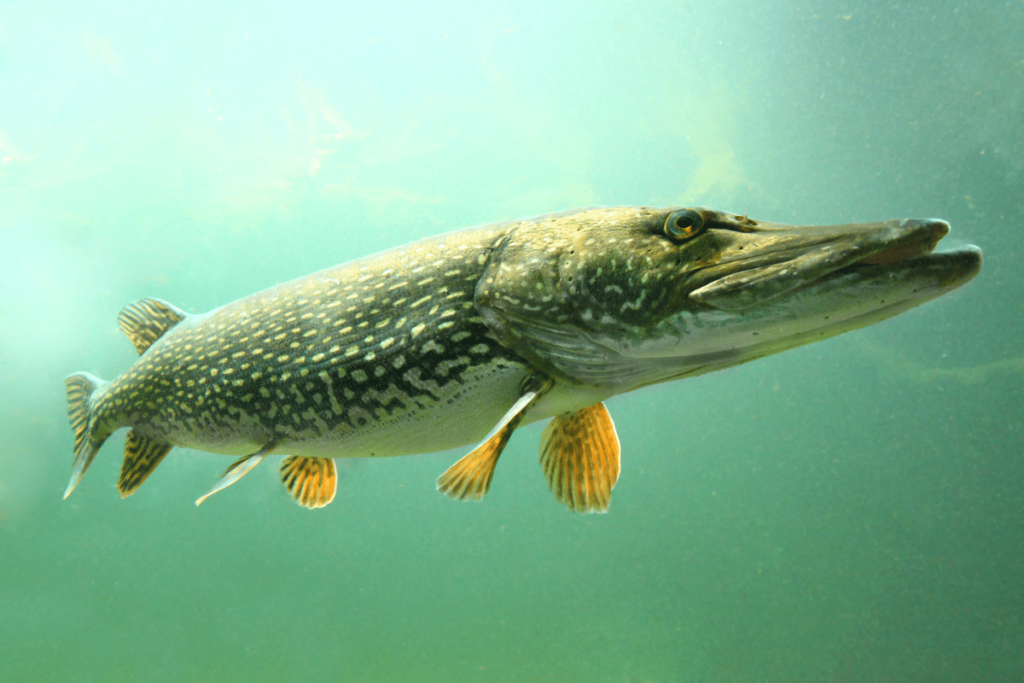
Imagine a long, green torpedo with sharp teeth! That’s the northern pike. They hide in underwater plants and ambush their prey. As one of the top predators of all fish in the Great Lakes, they help keep the ecosystem balanced.
Northern pike are a favorite among sport fishermen and can grow quite large. Following fishing rules is essential to keep their numbers healthy. By adhering to the daily possession limit for these fish, and releasing any caught outside of the designated fishing season, anglers can help to ensure that this iconic species continues to thrive and can be enjoyed by many generations to come.
Lake Sturgeon
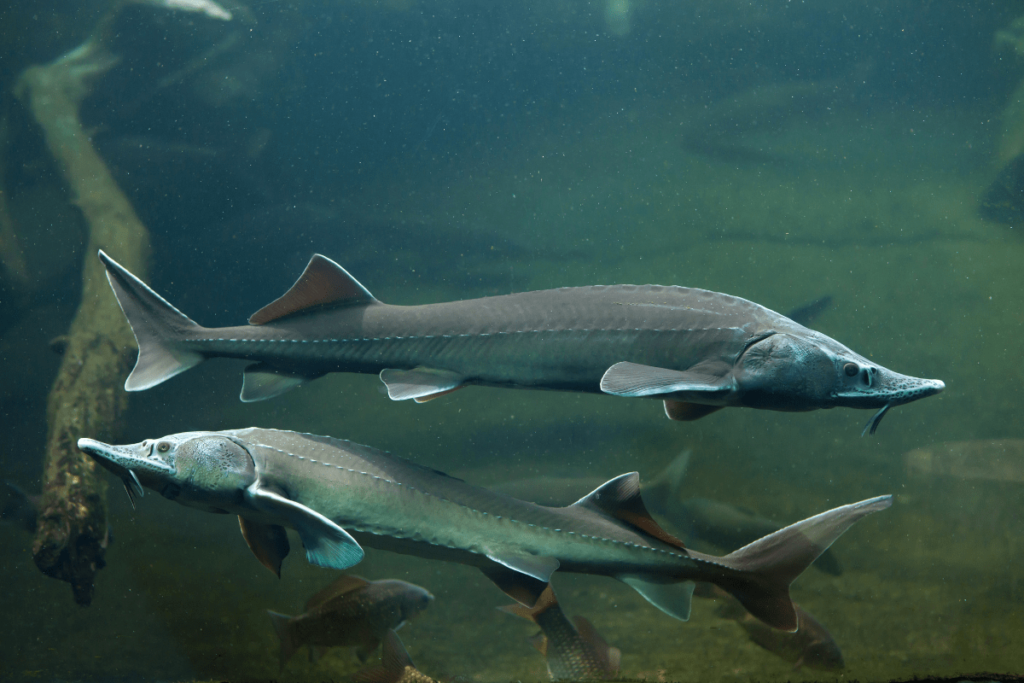
These fish are living dinosaurs who can trace their origins back 150 million years! They can grow to impressive sizes, up to seven feet in length, and can weigh between 200 to 300 pounds; Lake sturgeon are the largest of all the fish in the Great Lakes. They can also live up to 150 years in the wild. With their long, bony bodies covered in tough plates, they are a key part of the Great Lakes’ natural history.
In addition to their importance in the ecosystem, lake sturgeon are also valued for their eggs, which are harvested to make caviar—a delicacy enjoyed around the world.
Once so numerous that they were discarded as a nuisance, lake sturgeon have now become one of the rarest fish species in the Great Lakes. Because they take a long time to mature, they are especially vulnerable to overfishing. Recent conservation efforts have managed to keep lake sturgeon off the endangered species list, signaling a promising future for this Great Lakes icon.
While I have personally never had the privilege of witnessing this elusive ancient fish in the wild, it is certainly on my bucket list!
Muskellunge (Muskie)
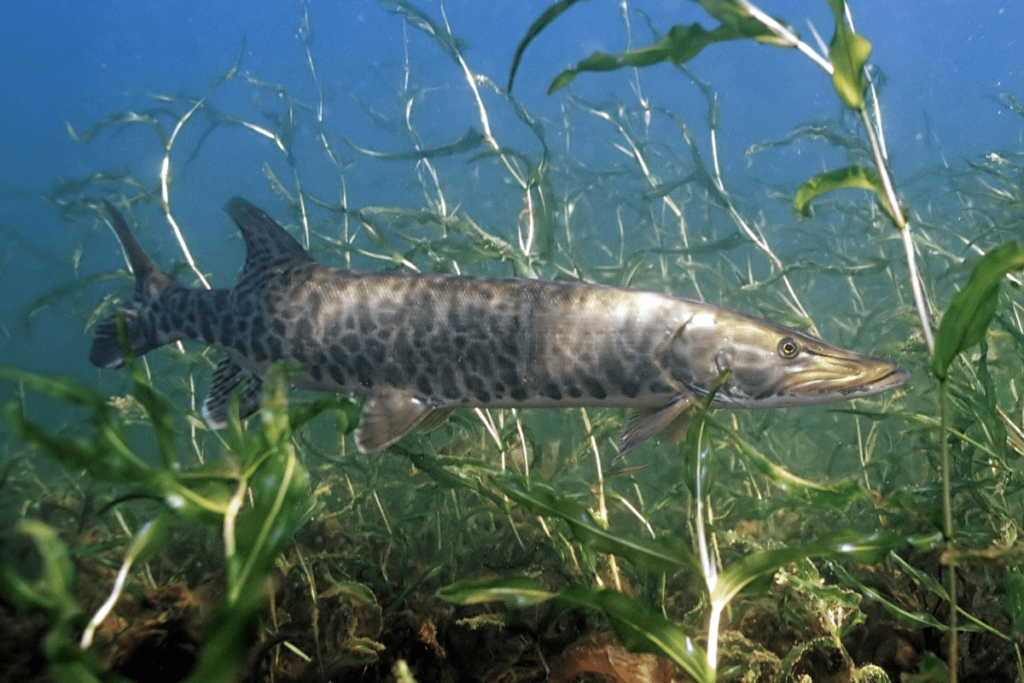
The muskellunge, or muskie, is another top predator fish in the Great Lakes. This fish is similar in appearance to the Northern Pike, but can grow significantly bigger. A distinguishing factor for the muskie is dark spots on a light background, versus the northern pike’s light spots on a dark background. Given the similarity between these two fish, you might think they’re related; if this is the case, then you are correct! Both fish belong to the pike family (Esocidae) and the genus Esox.
Known for their large size and strength, they are prized by anglers. Their long bodies are covered in patterns that help them blend into their surroundings, allowing them to ambush their prey. Muskies prefer clear water with lots of plants to hide in.
Smallmouth Bass
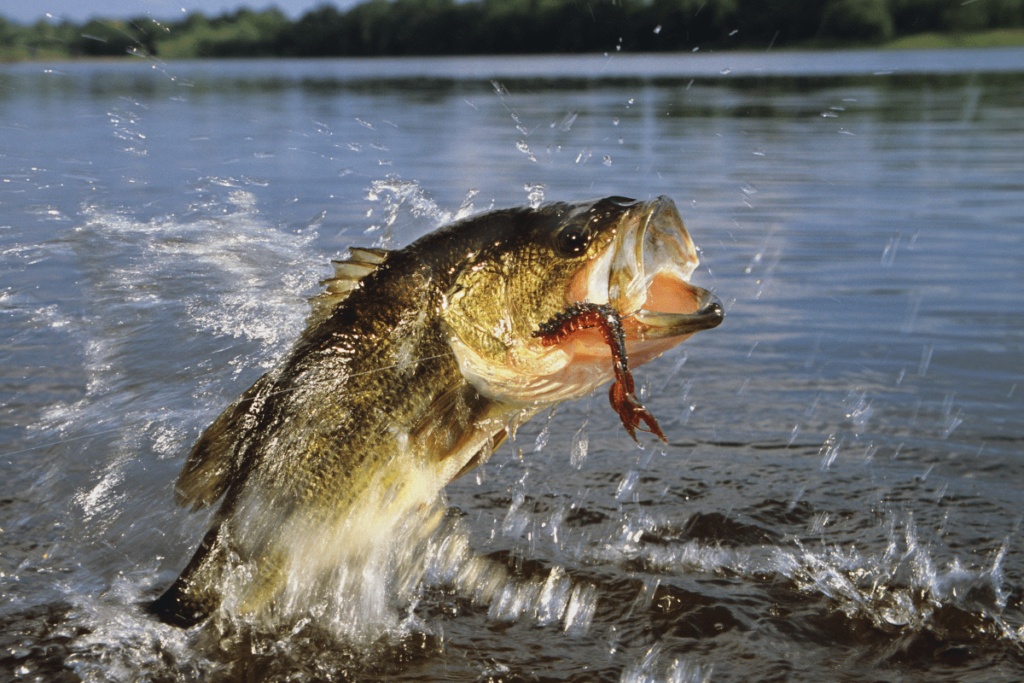
Smallmouth bass are popular among anglers because they are strong fighters and are very abundant fish in the Great Lakes. A smallmouth bass was the first fish I ever caught and I can still recall the fight it put up! They prefer rocky areas and have a bronze-colored body with a smaller mouth than their largemouth relatives, hence the name.
While these fish can be found throughout the United States, don’t underestimate their importance to the Great Lakes ecosystem! Smallmouth bass help control smaller fish populations, including many invasive species, which we’ll touch on soon.
Walleye

Walleye are one of the most sought-after fish in the Great Lakes, both for their sport fishing appeal and delicious taste. They have a long, slender body with olive-green coloring and a white belly. Their most distinctive feature is their large, glassy eyes, which help them see in low-light conditions, making them excellent night hunters.
Walleye are known for their unique ability to thrive in a variety of environments, from deep, open waters to shallow river systems. Walleye are crepuscular, meaning they are most active at dawn and dusk, which is when anglers have the best chance of catching them.
“Earth provides enough to satisfy every man’s needs, but not every man’s greed”
Mahatma Gandhi
What Fish Are In The Great Lakes Invasively?
Next, let’s explore the fish that have made their way into the Great Lakes but don’t belong here. These invasive species can disrupt the natural balance, often outcompeting native fish and causing serious harm to the ecosystem.
Sea Lamprey
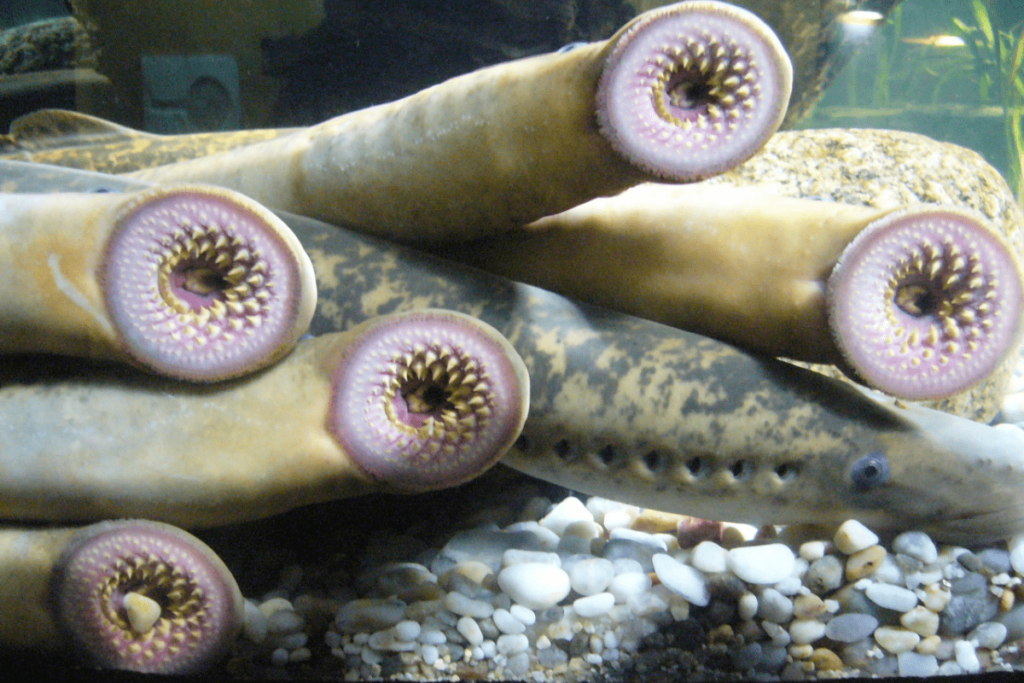
These creatures are like underwater vampires! They have long, eel-like bodies and round, sucker-like mouths filled with sharp teeth. They attach to fish and suck their blood, often resulting in the death of their victim.
Sea lamprey entered the Great Lakes when ocean going ships emptied their ballast seawater, which contained sea lamprey larvae, into the Great Lakes. Because they have no natural predator fish in the Great Lakes, they have been able to thrive in these waters and wreak havoc on native fish populations. Scientists use special methods to control sea lampreys, including a specialized chemical called lampricide that specifically targets sea lamprey, without harming other fish species, and prevents them from reproducing.
It is important to note that there are several species of smaller lamprey that are native to the Great Lakes and do not pose a significant threat to native fish populations. Though I can attest from firsthand experience that these native lamprey are still pretty gross looking; they look like giant leeches!
Round Goby

These small fish, with their stubby bodies and large eyes, have changed the food web of the fish in the Great Lakes. They eat the eggs of native fish and take over prime living spaces. Since Round Gobies are hard to remove, the best way to help is by not moving fish from one lake to another.
Like the Sea Lamprey, these small fish also arrived in the Great Lakes via seawater ballast discharge. However, unlike the Sea Lamprey, Round Gobies can be prey for many native Great Lakes fish species, including the aforementioned common but mighty Smallmouth Bass. Protecting native fish species is one of the keys to controlling the spread of small invasive fish like the round goby.
Alewife
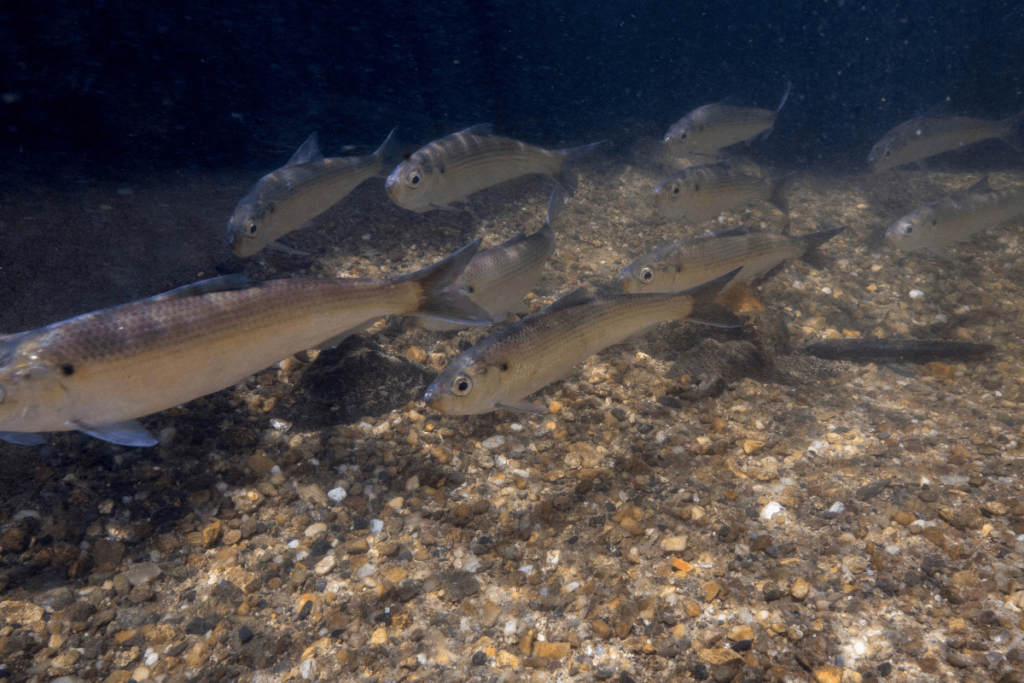
These small, silver fish arrived in the Great Lakes and quickly caused major disruptions. They multiply quickly and compete with native fish for food, making survival harder for some native species. Alewives are now among the most numerous fish in the Great Lakes.
When they die in large numbers, they create a mess along shorelines. In certain summers, after a particularly productive alewife breeding season, the local beaches will be covered in dead alewives, with the accompanying unpleasant smell of rotting. This was a complaint frequently heard from tourists visiting my hometown in Northern Michigan a couple of summers ago.
Eurasian Ruffe
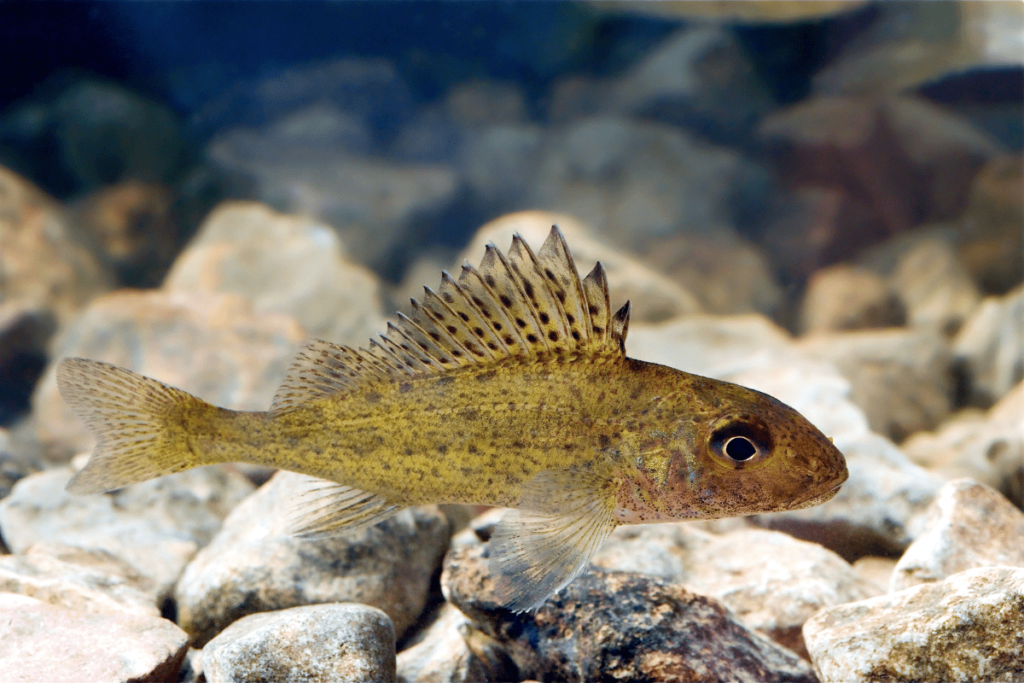
This small but aggressive fish competes with native species for food and habitat. It has a spiny dorsal fin, making it difficult for predators to eat. The Eurasian ruffe reproduces rapidly and has negatively impacted populations of important native fish in the Great Lakes, like yellow perch and walleye.
Scientists are monitoring its spread and looking for ways to manage its impact on the Great Lakes ecosystem. There is not a set management plan for this invasive species yet, but many chemical and biological control methods are being explored. However, any long term management strategies need to be carefully studied to ensure they don’t do more harm than good for native fish species. In the meantime, the best way to slow their spread is to take preventative measures such as washing watercraft before transferring between two bodies of water, and to avoid emptying any water that may contain eurasian ruffe larvae into local water systems.
“Plans to protect air and water, wilderness and wildlife are in fact plans to protect man.”
Stewart Udall
What Fish Are In The Great Lakes Through Intentional Introduction?
At times, fish have been deliberately introduced into the Great Lakes to address specific challenges or enhance fishing opportunities. Let’s take a closer look at why these fish were brought here and how they’ve impacted the ecosystem.
Chinook & Coho Salmon
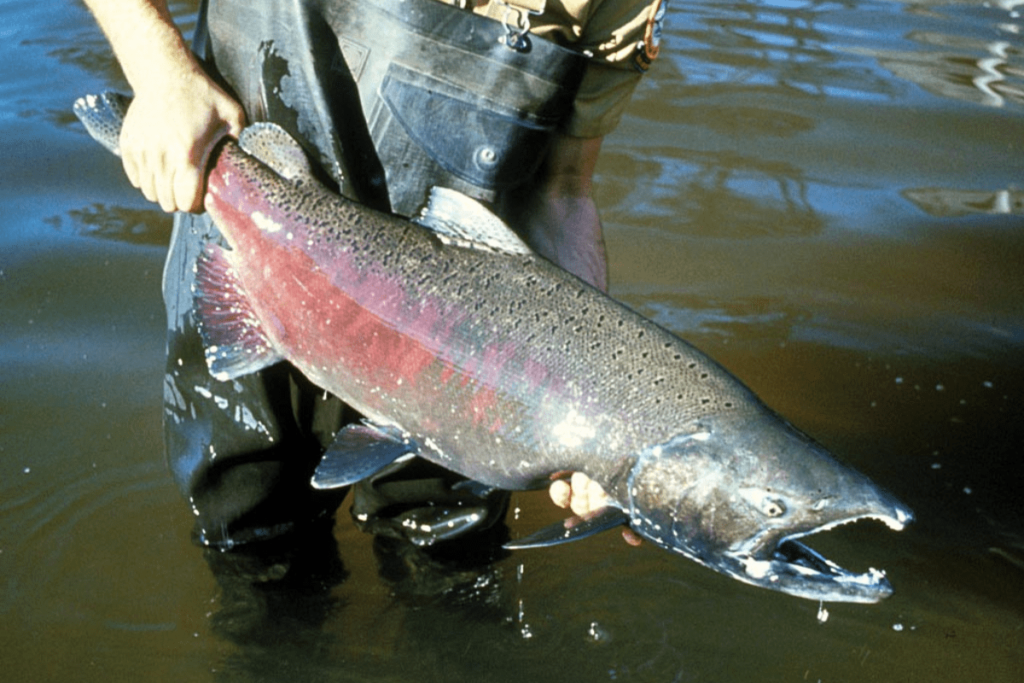
While these big fish are favorites among sport fishermen in the Great Lakes, many are likely unaware that salmon are not native to the Great Lakes! Salmon were first introduced to the Great Lakes to help control the invasive alewife populations.
Chinook salmon, also known as king salmon, are the largest of the Pacific salmon species, often reaching over 50 pounds, while Coho salmon, or silver salmon, are smaller, typically weighing 8-12 pounds. Chinook have a bluish-green back with black spots on both the back and tail, whereas Coho have a more silver body with spots only on the upper part of the tail. Chinook prefer deeper, colder waters and have a higher fat content, making them prized for their rich flavor, while Coho are more aggressive fighters and are popular in sport fishing. Additionally, Chinook have a longer lifespan (3-7 years) compared to Coho (3-5 years) and tend to migrate farther upstream to spawn.
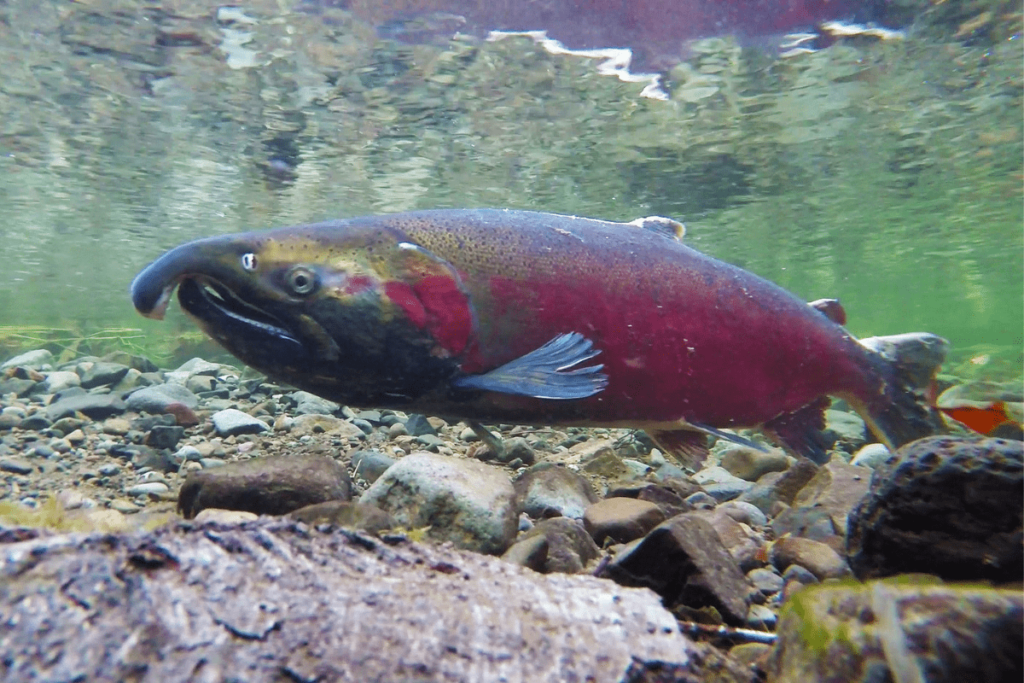
Salmon populations in the Great Lakes are monitored and restocked on a yearly basis to keep up with alewife populations. However, as we have seen a steady decline in alewife populations in the Great Lakes, we have seen a corresponding reduction in the number of salmon needing to be stocked in the lakes.
Rainbow Trout
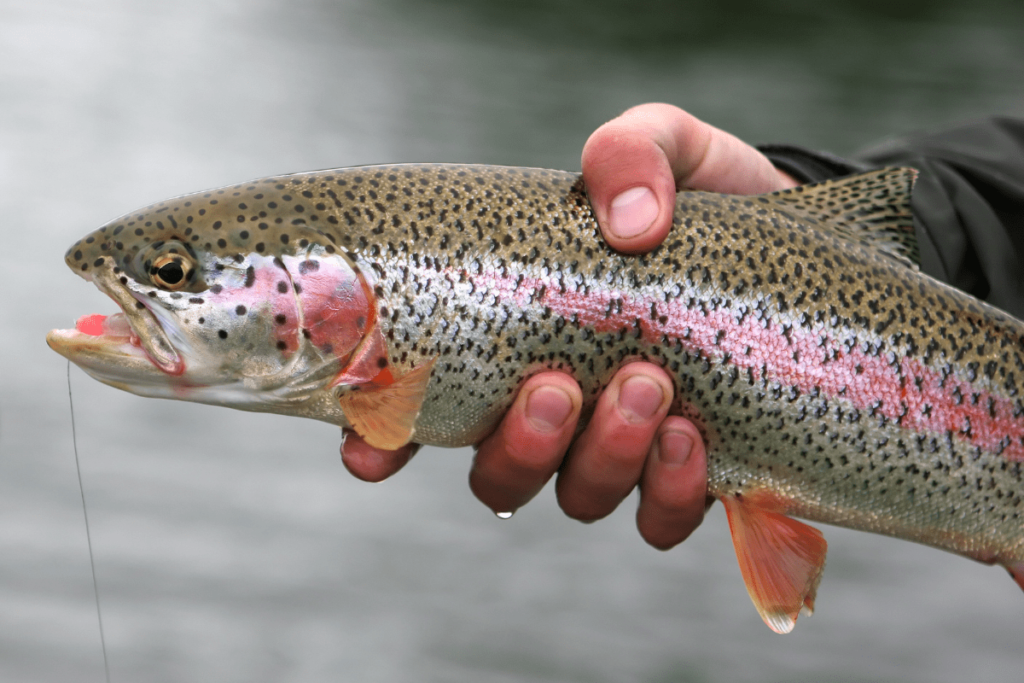
Rainbow trout were introduced to the Great Lakes in the 1870s and quickly became a favorite among sport fishers. Their silvery bodies feature a bright pink stripe along the side, with some blue coloration, which is where the name comes from. Anglers love them not only for their beauty but also for their energetic fight when caught on a fishing line.
Despite not being a native fish to the Great Lakes, rainbow trout are not considered invasive because they do not outcompete native species and are able to coexist without causing significant damage to local ecosystems.
The Future of Great Lakes Fisheries
We’ve explored the amazing fish of the Great Lakes—native residents, unwanted invaders, and intentional newcomers. Now, it’s up to us to protect these incredible ecosystems.
The Great Lakes fisheries face many challenges, including climate change, pollution and invasive species. By learning about these fish and their importance, we can all help make a difference. Following fishing regulations, reducing pollution, and supporting conservation efforts are great ways to help.
Together, we can ensure that the Great Lakes remain a thriving home for fish for generations to come. Thanks for joining me on this underwater adventure!
“Unless someone like you cares a whole awful lot, nothing is going to get better. It’s not.”
Dr. Seuss, The Lorax