You may have begun to notice that plastic straws are becoming harder and harder to come by. In the last few years, huge companies like Disney, Starbucks, American Airlines, Hilton, Hyatt, and Marriott International have pledged to no longer use single-use plastic straws.
Why are we banning single-use plastic straws? Single-use plastic straws are harmful and damaging to the environment. According to Earth.org, “Plastic straws are one of the top 10 most commonly found items in coastal litter cleanups in the world.” There are millions of tons of plastic waste that ends up in our ocean every single year. Plastic pollution has become a direct threat to ocean life, and while straws may seem so small, think about the millions of people that use single-use plastic straws each day, whether they’re in a restaurant or getting a fountain drink or iced coffee while on the go. Therefore, straws are a great place to start because limiting the consumption of single-use plastic straws is a way to raise awareness of how plastic waste is affecting our oceans.

In this blog post, I will go more in depth about the environmental impact of single-use plastic straws and the easy alternatives you can use instead of single-use plastic straws.
Environmental impact
Pursuing this further, plastic straws impact our environment in a few different ways. I found a really great infographic from trvst that I have shared below. The infographic indicates how straws are impacting our environment and helps inform readers of the environmental impacts. The infographic shows that 500 million straws are used every single day in the United States. As I mentioned before, plastic straws are among the top 10 found items on beaches. They’re number seven, to be exact, and cigarette butts, plastic bottles, bottle caps, food wrappers, and plastic bags all come above that. As a result of all of this plastic waste being swept up by the ocean, 100,000 marine life animals die each year.
One of the key environmental issues with plastic straws is that they are not biodegradable. It can take up to 200 years for them to degrade. Natural materials like paper, wood, and plastic are biodegradable, but because of the polypropylene used to make single-use plastic straws they can’t decompose like these natural materials. And when they do finally decompose, single-use plastic straws release harmful chemicals that have been connected to health issues and pollution.

By: TRVST
If we don’t start making a change, by 2050, there will be more plastic in the ocean than fish. See below for some alternative, environmentally friendly options to make a difference.
Easy alternatives to plastic straws
While not everyone uses a straw in their day to day lives, there are a lot of alternatives for those who do.
- Say NO when you go out. When you order a drink at a restaurant, simply request ‘no plastic straw’.
- Use a different kind of straw. There are straws made from plant-based plastics (PLA), which are marketed as compostable/biodegradable and even bamboo straws.
- Use your own reusable straws. There are so many reusable straw options out there. They’re inexpensive and beneficial to the environment. There are many different kinds like steel, silicone, glass or metal. Companies are making it super convenient and even selling foldable plastic straws with their own little traveling case, so you could just drop the case into your purse or even your pocket and take it with you on the go! See the TikTok below from @ourfavoritefinds for one option.
There are plenty of reusable straws available for purchase like these clear glass ones on Amazon. 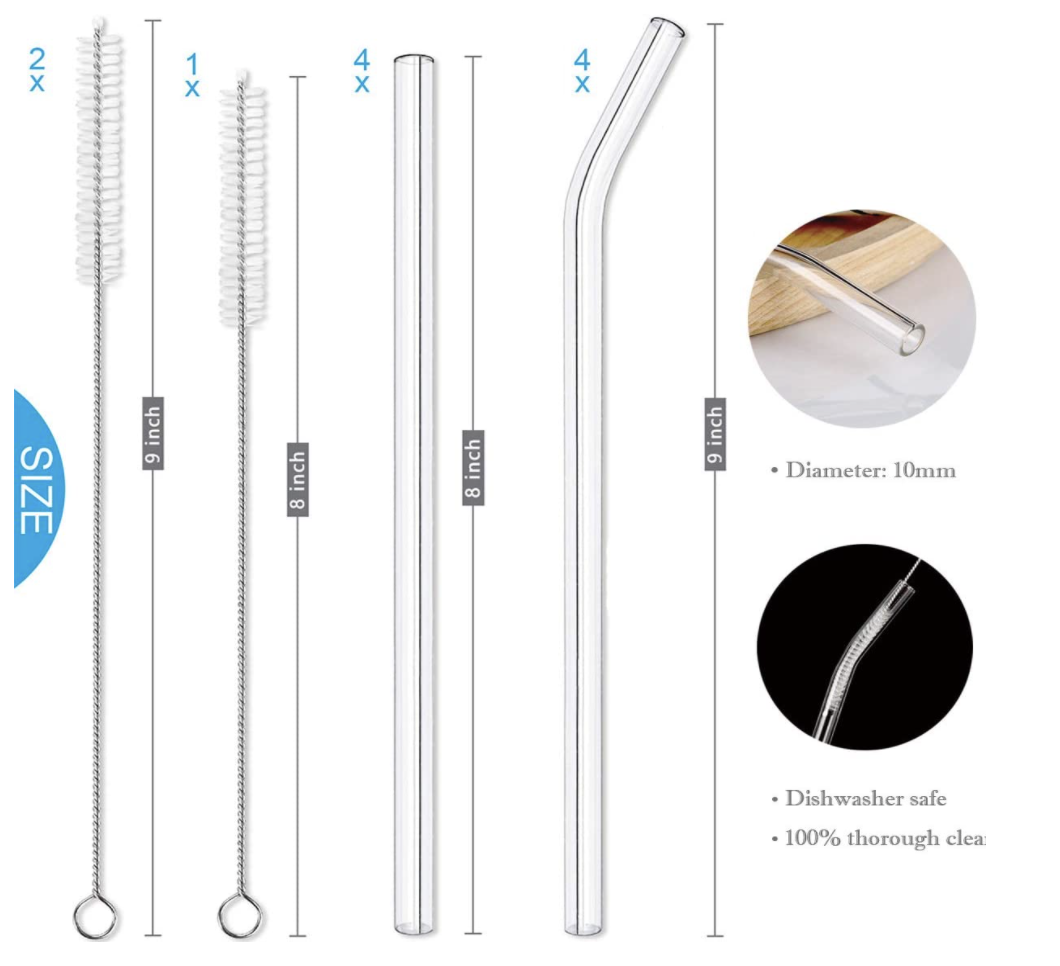
It’s really inspiring to see people and companies starting to make a change, even if it’s small. Banning or limiting the use of single-use straws will help our environment greatly, and there are so many eco-friendly options now. This is the first step to cleaning up our oceans, supporting the ocean wildlife, and leaving our beaches clean for people to enjoy.