This mini-guide is here to provide some helpful tips for new vegans that will hopefully assist you with transitioning to a vegan diet and help with navigating some of the challenges life might present to you. There are a lot of resources out there, but I hope you’ll find that this little guide to going vegan compiles a great assortment of tips for new vegans all in one place.
Contents
- Why Go Vegan?
- Tips for New Vegans Transitioning to a Vegan Diet
- Vegan Lifestyle Changes
- Resources & Links
Why Go Vegan?
Health Benefits
Generally speaking, a vegan diet is really good for your body! Here are some of the perks of following a balanced vegan diet:
- Vegan diets are naturally very low in cholesterol and can reduce the risk of heart disease.
- Vegan diets can lower the chances of getting certain types of cancer that are typically associated with heavy consumption of animal products. (5)
- A vegan diet that includes plenty of whole foods and fortified foods can provide more essential nutrients than their omnivorous counterparts, including fiber, antioxidants, potassium, magnesium, folate, and vitamins A, C, and E. (1)
- A vegan diet can help level out blood sugar and insulin sensitivity, potentially providing benefits for type 2 diabetics and people with hypoglycemia. (1)
- A vegan diet has the potential to be naturally lower in calories and can benefit individuals who have trouble maintaining a healthy weight.
It’s worth noting that regardless of what you’re eating, everyone’s body is different. Not everyone will see the same benefits from the same diet.
Environmental Benefits
“Eating a vegan diet could be the single biggest way to reduce your environmental impact on Earth…”
The United Nations has claimed that reducing or eliminating animal products from our diets is the most effective way to combat climate change.
In an article from Independent, Olivia Petter writes that, “Eating a vegan diet could be the ‘single biggest way’ to reduce your environmental impact on Earth, a new study suggests. Researchers at the University of Oxford found that cutting meat and dairy products from your diet could reduce an individual’s carbon footprint from food by up to 73 percent.”
How does meat and dairy impact the environment?
- Meat and dairy production is responsible for up to 60% of greenhouse gases from agriculture but only contributes to about 18% of total calories consumed around the world. (2)
- The EPA has reported that in the United States, nearly 80% of ammonia emissions come from animal waste, and agricultural run-off is the #1 source of water pollution. (4)
- While much of the world does not have access to clean drinking water, animal agriculture uses up to ⅓ of the drinking water available on Earth. (7)
- If all of the grain used to feed livestock was used to feed humans, we could nearly prevent world hunger. (7)
- The California State Senate found that emissions from animal waste can cause health issues and neurological problems in humans who live near areas with heavy waste run-off. (4)
Animal & Human Welfare
If the health benefits and environmental issues aren’t enough, there’s no way around animal cruelty in the meat and dairy industry. Even animals who are treated better than others (e.g. “free range”) still have their lives cut short to provide food that we don’t need to consume in order to thrive.
- Animals are often kept in cramped conditions, where they are barely able to move or turn around.
- Male chicks are often “disposed of” via a grinder because they’re not useful as egg producers.
- Female cows are artificially inseminated to continue producing milk. Remember, cows don’t make milk without being impregnated. Male calves are then taken away from their mothers and kept in tiny crates to prevent exercise and later slaughtered as veal. Mother cows will cry aloud for their missing babies.
- Slaughterhouse workers have an unusually high rate of PTSD and depression when compared to the general population. (6)
These are just a few of the industry standards and barely scrape the surface of the cruelty involved in meat and dairy production. For more information on animal cruelty, check out some of the resources listed at the bottom of this page.
Tips for New Vegans Transitioning to a Vegan Diet
Are you ready to go vegan? There’s no one process that works for everyone, but here are some options to consider.
- Go cold turkey (or cold tofurky, ba-dum-tss). This is what worked for me, but something else might work for you. I struggled with giving up meat throughout my teens, as I tried to cut out one animal at a time. It was hard for me, mentally, to justify why I could eat a fish but not a pig, so I’d order that pepperoni on my pizza instead of just getting cheese or veggies. Years later, this is what finally worked. I decided — for real this time — to go completely vegetarian. Veganism was not even on my radar yet. I donated all of the meat from my fridge to family and friends, shopped for vegetarian groceries, and that was that. About six months later, I repeated the process with dairy, eggs, and other animal products and started eating vegan.
- Take it slow. Some people find it easier to go step by step. Maybe you first start eating vegan at home, but allow yourself to eat anything out at a restaurant. You could try eliminating one meat at a time, then eggs, then dairy. Even a slow transition is progress.
- Take it extra slow. Still not sure? Try Meatless Mondays. If you’re just not ready to take the plunge, this is a great way to get acquainted with vegan food. And if lots of families try Meatless Mondays, it’s basically the equivalent of a whole vegan, right?
Shopping Tips for New Vegans
The good news is that you can eat vegetables, fruits, grains, legumes, and nuts and stop right there, but there are so many great packaged vegan products available to make your life easier. Food companies are really doing the work for us nowadays. So many food labels have vegan certifications, so you don’t even have to skim the ingredients on everything! Here are some of my favorite brands and some products they make (all of the products listed are the vegan equivalents of their meat and dairy counterparts):
- Amy’s Kitchen – frozen meals, burritos, canned soups
- Beyond Meat – burgers, meatballs, sausages
- Daiya – cheese, frozen cheesecakes, frozen pizzas, yogurt, packaged mac & cheese
- Earth Balance – butter, snacks like crackers and chips
- Field Roast – sausages, pepperoni, sandwich meats, cheese, holiday roasts
- Follow Your Heart – mayo, salad dressings, cheese
- Forager Project – milk, yogurt, sour cream
- Gardein – frozen faux meats, frozen meals, canned soups
- Just – mayo, egg, cake mix
- Kite Hill – ricotta, cream cheese, creamy dips, cheese-filled pasta
- Lightlife – sandwich meats, tempeh, sausages, meat crumbles
- Miyoko’s – cured cheeses made from nuts, butter, dips, and more
- Oatly – milk, ice cream
- Silk – soy and almond milk, coffee creamer, yogurt
- Tofurky – deli slices, sausages, holiday roasts
- Tofutti – sour cream, cream cheese, ice cream
- Upton’s Naturals – seitan, refrigerated and shelf stable packaged meals
- Violife – cheese, cream cheese spreads
This is a pretty hefty list, and it’s still such a small sampling of what’s available. Non-vegan mainstream brands are even making great vegan products. Consider Ben & Jerry’s non-dairy ice cream and Hellman’s vegan mayo. Remember, a lot of things you already enjoy might be accidentally vegan, from fries to pies! PETA has a great list of accidentally vegan products that you can find just about anywhere.
Cutting out meat, dairy, and eggs is a big step, but there are a lot of tricky ingredients with weird names out there — think bugs in your candy (cochineal) and fish in your wine (isinglass). Once you’re ready to start looking for the more elusive ingredients, check out this ingredient checker. You’ll be a professional label reader in no time.
Nutrition Tips for New Vegans
There is a lot of concern about not getting enough nutrients on a vegan diet. While you can absolutely get all of the necessary vitamins, minerals, and amino acids on a balanced vegan diet, it’s never a bad idea to include a multivitamin just in case. Be sure to talk to a nutritionist if you’re concerned about your own diet or have any special dietary needs. This is just some basic guidance from a seasoned vegan to help you get started.
Something I hear a lot from new vegans is that they’re finding themselves still hungry after eating. Consider that most plant food is naturally lower in calories, so you’re likely going to need to eat a larger volume of food to get the same caloric intake. Eat if you’re hungry!
What about protein?
There is a big misconception that vegans don’t get enough protein, but the truth is that if you’re eating enough calories and a balanced diet, it’s very tough not to get enough protein in your diet.
Science time! Proteins are made up of amino acids. Your body needs 9 essential amino acids to function properly. All of these amino acids are available through plant-based foods. Some foods contain all 9 — those are called complete proteins. Quinoa is an example of a complete protein. Some foods only contain a few amino acids. What’s great is that your body is able to combine amino acids consumed from different sources, so it’s not necessary to make sure one meal contains all of them, as long as you’re eating a solid balance of amino acids throughout the day. (3) Rice and beans is a classic combination that results in a complete protein.
Here are some sources of other nutrients that you might be wondering about.

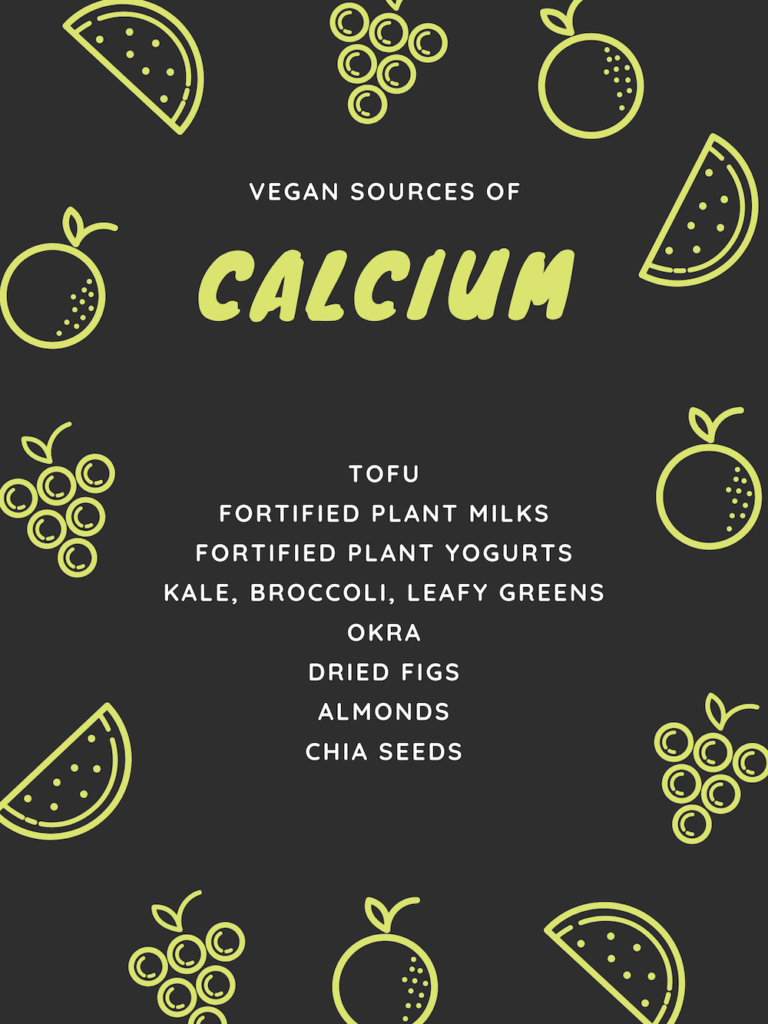
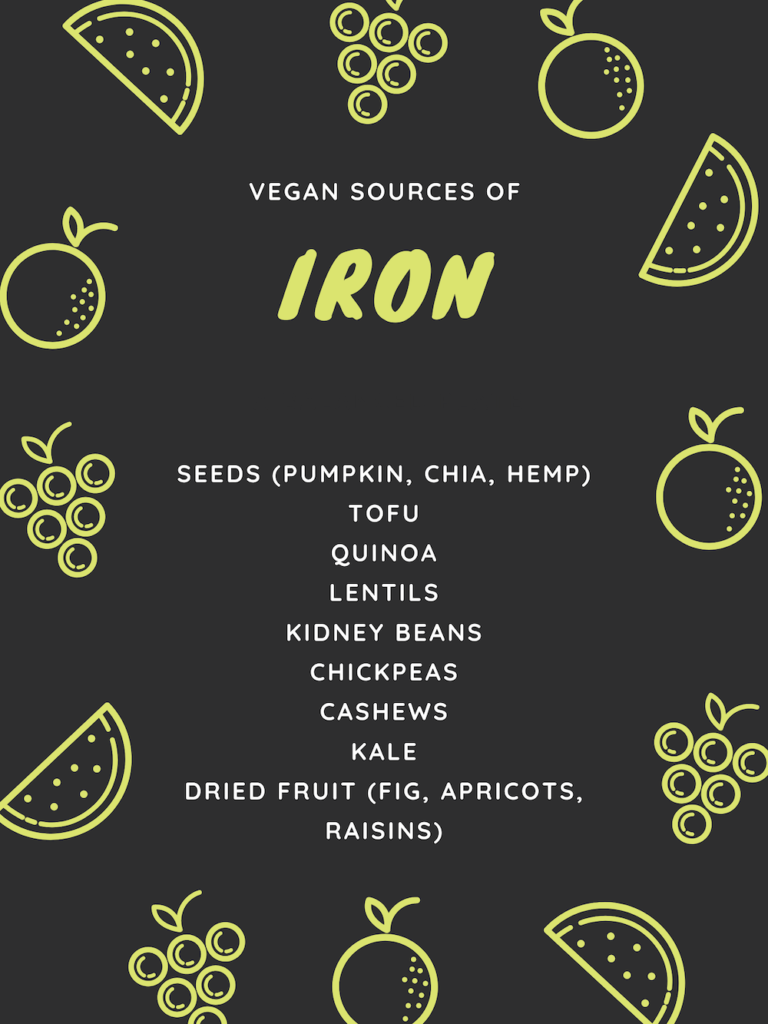
Eating Out Tips for New Vegans
Most major cities have fully vegan restaurants! And as veganism becomes more mainstream, more and more restaurants are including vegan dishes on their menus. As of this writing, the block where I live in Jersey City has five restaurants, and four of them have the word “vegan” on their menu.
Happy Cow is a great website and app that can help you find vegan and vegetarian restaurants, as well as restaurants and stores that just have solid vegan options. This app is a lifesaver during road trips!
That said, it can be challenging to find somewhere to eat if you live in a small town, travel a lot, or don’t have control over the restaurant being chosen. Many restaurants that don’t have a vegan menu item will be willing to make you something if you’re able to plan ahead. Sometimes this is the best plan when you need to visit a non-vegan restaurant with a group — try calling ahead if the restaurant doesn’t have a clear vegan menu option.
There are a few reliable chain restaurants as well. These may not be the pinnacle of haute vegan cuisine, but they have vegan options that are great in a pinch:
Vegan Lifestyle Changes
We’ve covered food, but what about everything else? Household cleaning supplies, make-up, personal care supplies, and clothing can all contain animal products or may be tested on animals. I suggest transitioning these items in whatever way makes you most comfortable. The vegan police won’t come for you if you choose to finish up that last quarter of your shampoo, use your leather belt until it’s worn out, or donate everything immediately.
Ingredient Tips for New Vegans
This animal ingredients list can be a lifesaver for figuring out if your favorite products are accidentally vegan, but here are some reliable brands that are always vegan and don’t require the legwork.
Household Supplies:
Make-up & Personal Care:
Clothing & Fashion:
Resources
Now that you’ve got the basics down and you’re ready to get started, these are some of my favorite resources to help you dig deeper. There is so much great information out there with tons of tips for new vegans, so don’t limit yourself to what I’ve provided.
Books
- Eating Animals by Jonathan Safron Foer
- Mad Cowboy: Plain Truth from the Cattle Rancher Who Won’t Eat Meat by Howard F. Lyman
- Vegan Freak: Being Vegan in a Non-Vegan World by Bob Torres & Jenna Torres
- The Vegan Girl’s Guide to Life by Melisser Elliott
Cookbooks
- Afro Vegan by Bryant Terry
- Betty Goes Vegan by Annie & Dan Shannon
- Chloe’s Kitchen by Chloe Coscarelli
- Veganomicon by Isa Chandra Moskowitz & Terry Hope Romero
Sources referenced:
- https://www.healthline.com/nutrition/vegan-diet-benefits#TOC_TITLE_HDR_2
- https://www.independent.co.uk/life-style/health-and-families/veganism-environmental-impact-planet-reduced-plant-based-diet-humans-study-a8378631.html
- https://medlineplus.gov/ency/article/002222.htm
- https://www.peta.org/issues/animals-used-for-food/animals-used-food-factsheets/vegetarianism-environment/
- https://www.rush.edu/news/health-benefits-vegan-diet
- https://www.surgeactivism.org/articles/slaughterhouse-workers-and-ptsd
- https://veganoutreach.org/environment/