“If you fail to plan, you are planning to fail!” -Benjamin Franklin
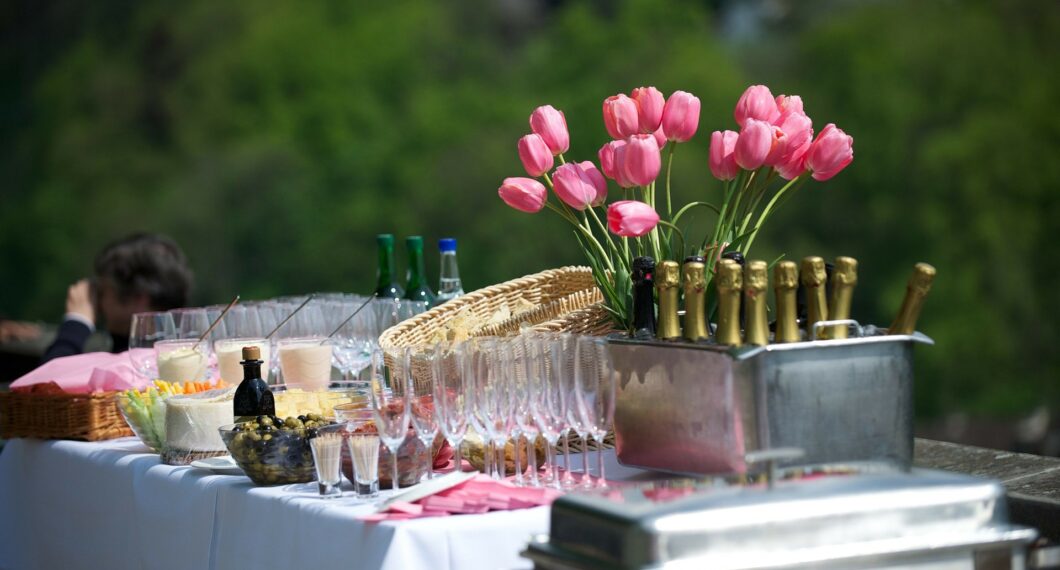
How to plan an event that will wow your guests. This event planning guide will remove the stress from events of any size. Here are 5 easy steps to plan your next event without stress.
- Know Your Event Planning Budget
- Check Your Event Planning Email Regularly
- Get Feedback About Your Event Plan From Others
- Set Reminders For Event Deadlines
- Always Be Prepared And Flexible
- Best Practices And Pro Tips
5 Proven Stress Reducing Event Planning Tips:
1. Know Your Event Planning Budget

Before contacting any vendors or booking a venue, it’s important to know what your event planning budget is and to stick to it. It might be beneficial to create a spreadsheet in order to keep track of your spending, so you don’t risk going over budget. I recommend creating a table in a spreadsheet, and include your budget at the bottom. It is very helpful to include the following items:
- For the first column in the table, list all the things you’re planning on purchasing for your event (the venue, vendors, etc.)
- In the second column, list the price
- In the third column list contact information for each vendor
- In the fourth column list dates for deadlines
- In the fifth column list follow up notes
This is a great way to stay organized and stick to your event planning budget in order to avoid any unnecessary stress.
2. Check Your Event Planning Email Regularly

Make sure you check your email regularly, especially if this is the main form of communication between you and a vendor. Nothing is more stressful than realizing a vendor reached out to you in order to get get something approved, and they were unable to continue since they were relying on your approval to move forward. You don’t want to end up missing valuable event planning information from a vendor that could end up negatively impacting your party. That’s why each morning you should check your emails on your phone or your computer. That way if a vendor has any questions, needs something approved in order to move forward, or is running late, you will be able to solve the issue and plan ahead before it’s too late.
3. Get Feedback About Your Event Plan From Others
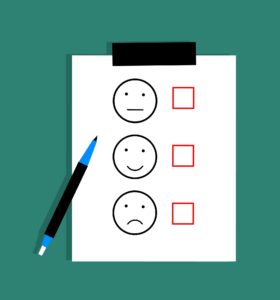
When planning an event, it’s important to ask others for their opinion and feedback. Here are some fun and easy ways to get feedback:
- Create a poll that you can send out through social media to get immediate feedback
- Create a paper survey that you hand out to friends, colleagues, and your planning team
- Hand out a post event survey and have all attendees fill out the feedback form
- Encourage event attendees to leave a review
Collecting feedback is a critical part of event planning because it shows your guests that you care a lot about their feedback, and that you’re willing to do whatever is necessary in order to better their experience. Listening to feedback also gives you insight on how to make your next event even better.
4. Set Reminders For Event Deadlines
A lot goes into event planning, and there’s a lot to keep track of. You’re only human, and you shouldn’t be expected to remember everything. I recommend using the reminder app on your phone or even on your laptop. This way you can set reminders that will notify you when you’re supposed to be somewhere, pick something up, call someone back, etc. This app is a great way to stay organized and on top of everything. By setting reminds you’re more likely to not forget anything which will then prevent any unnecessary stress.
5. Always Be Prepared And Flexible
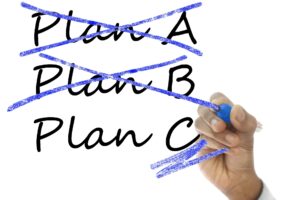
A lot is going on the day of an event, and you can’t expect everything to go perfectly. A vendor might show up late, the weather might not cooperate, etc. So with that said, it’s good to always have a plan B as part of your event planning. For example, you could have tents on stand by if the event is outdoors and there’s a chance it could rain. I recommend making a list or chart of some alternatives in case something falls through. Overall, make sure you’re responding and communicating with your team and your vendors, and everything is sure to go smoothly. You worked hard putting the event together, and most of the time, your guests aren’t going to pick up on small inconveniences that are obvious to you, the event planner. As long as you do your best and communicate with your vendors and team, everything will work out and your guests will be sure to have a great time.
Here is a sample Plan B Event Plan:
| Rain | Too Hot | Too Cold | No Power |
| Tent | Fans | Heaters | Generator |
| Tent Sidewalls | Misters | Tent Sidewalls | Extension Cords |
Best Practices And Pro Tips
In addition to following the steps above, here are some best practices and tips that will help to create a successful event:
- Tents help plan for the weather – consider a tent with sidewall for any outdoor event. Tents help protect your guests from the sun and the rain. A pro tip would be to always take the sidewall add on package so you have the removable walls to put up to protect from rain that may be blowing into the tent. Decorating your tent can be fun and easy. Most rental companies offer a lighting kit for your tent. There are also pole covers and tent drapes that can help create a more elegant look. Let your rental company know how many guests you expect and if they will be standing or sitting so they can help you rent the perfect tent size for your event.
- Tables and chairs will help to accommodate more guests. When you are planning your tent it will help to know how many guests will be standing or sitting. There are two main types of tables for sit down meals. Rectangular tables are called Banquet Tables. They typically come in 6 foot long and 8 foot long sizes. They will be the best use of your space under a tent. They are both great options but 8 foot tables are harder to move around because of their length and weight. Round tables are another great option. They are not as space efficient as banquet tables but many guests appreciate being able to see everyone at the table. They come in 4 foot, 5 foot, and 6 foot round sizes. 5 foot round tables are the most popular size for events. Don’t forget to consider cocktail tables. Cocktail tables are a great way to add more space for your guests in the tent area. They allow guests a place to set their plate or drinks while enjoying the event. Cocktail tables come in 30 inch and 36 inch round sizes and their heights are typically adjustable. A pro tip would be to go for the 30 inch table top. 36 inch tables are a bit unstable and much easier for guests to tip if they put any weight on the edge.
- Fast moving inflatables will keep your younger guests happy. Inflatables are a great addition to any event that will include kids and the young at heart! While bounce houses are a classic, they are slow moving. You can only fit 4-6 people in a bounce house at a time. You usually have to have someone at the entrance to time the bounce session and get the guests out so others can get it. This creates quite a line waiting for the attraction. Consider slides and obstacle courses for your event. They are fast moving inflatables and can put through many more guests per hour than a bounce. When available, opt for dual lane slides or obstacle courses so guests can race each other.
Most importantly, have fun!
After planning an event, it’s important that you also take the time to enjoy the event yourself. You’ve earned it! Event planning can be crazy and feel stressful in the beginning, but once it’s all over nothing is better than seeing all your hard work come together and the smiles on your guests faces. At the end of the day, you contributed to something great, and worked hard to create a fun and memorable experience for others. So just remember when planning that it’s important to be organized, patient, and to not panic when something goes wrong.

FAQ About Event Planning
How do you keep budgets on track?
It might be beneficial to create a spreadsheet in order to keep track of your spending, so you don’t risk going over budget.
How early do we need to start planning an event?
Regardless of the size of your event, we recommend planning and reaching out to vendors as early as possible. It’s best to make sure everything is booked in advance, and to find out early on if one of the vendors you were planning on reaching out to is unavailable.
What factors do you consider when selecting a venue?
It’s important to consider the size and capacity of a venue, considering it has to be able to hold however many guests that will be attending your event. It’s also a good idea to make sure there’s convenient forms of transportation, parking, and also make sure you figure out any technical needs and budget constraints.