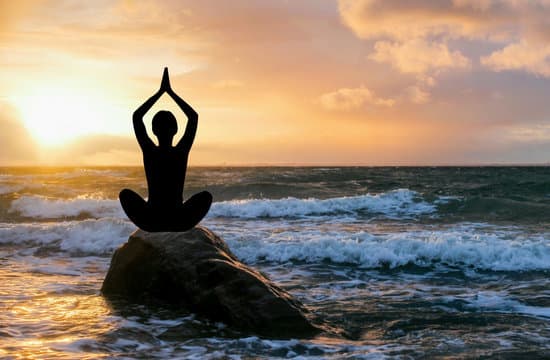
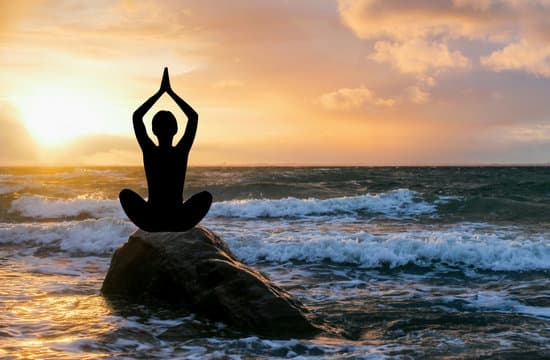
Meditation is the process of practicing mindfulness, to emit ones awareness of the self within. Why should I meditate? Meditation is shown to help with symptoms of anxiety and depression, as well as stress. There are countless benefits of performing meditation. No matter what time of day, meditation can be performed with no additional tools, other than your presence and unity.
How have you learned about meditation? Through a friend? Odds are someone in your circle is experimenting and trying out meditating, as it is getting far more popular in Western culture in the past decade. The technique of meditation and yoga is growing in popularity due to the results of its participants. This is an amazingly simple practice to understand and can be greatly beneficial for everyone’s life!
Benefits of Meditation
Benefits of meditation include many life-changing positives, such as, the reduction of stress, the ability to be able to control anxiety, although it will not fully diminish, meditation can be a great way to ground yourself and be more rational with your internal thoughts. More benefits include heightened self-awareness, which can lead to self-purpose and self-importance, the reduction of age-related memory loss, the improvement of one’s sleep cycle when meditating, and can lead to a reduction in blood pressure. Overall, there are countless health benefits to meditation, resulting in a boost in mental health, which could be beneficial to everyone.
Specific Benefits Found

- Potentiality to decrease blood pressure: Studies show that meditation has a positive effect on high blood pressure. high blood pressure, if not taken control of, can make the heart work harder to pump blood for your whole body, the more difficult this gets for your heart, the poorer the function of your heart.
- Beneficial for pain management: The perception of pain is connected through your state of mind, this can even be intensified under stressful scenarios. Fortunately, meditation studies conducted has shown an overwhelming amount of evidence that people who meditate showed a greater ability to cope with pain, this can also correlate to mental health in general as well. Such as a study where nearly 3500 participants claimed that meditation was correlated with decreased pain.
- Pain Management continued: One of the most interesting things I have ever come across in my life has to come through the tragic but brave story of Thích Quảng Đức, Thích Quảng Đức was a Mahayana Buddhist monk who dedicated his life towards Buddhism and learning to meditate. During the 1960’s, there was a tragic persecution of Buddhists in South Vietnam. As a brave act of human willpower and dedication and sacrifice, Thích Quảng Đức proceeded to make one last statement on his behalf to the South Vietnamese government, “Before closing my eyes and moving towards the vision of the Buddha, I respectfully plead to President Ngô Đình Diệm to take a mind of compassion towards the people of the nation and implement religious equality to maintain the strength of the homeland eternally. I call the venerables, reverends, members of the sangha and the lay Buddhists to organize in solidarity to make sacrifices to protect Buddhism” Thích Quảng Đức then proceeded to ignite himself on fire. It is said by journalists in the area that he did not move a muscle, make a sound, he was so focused and dedicated and deep into his meditation he completely excluded himself from his body.
How To Meditate
There is a simple list of steps to follow, although all meditation and yoga have their own specific aspects of its techniques for multi-purpose meditational sessions.
The steps are as follows:
- Take a seat wherever you feel comfortable to meditate
- Set a time limit to meditate(optional)
- Notice your body on the inside, notice the watcher of your emotions
- Feel the sensation of your breath as you breathe inwards and outwards
- If noticing a wandering mind, that’s okay, your attention will inevitably wander off to other things, but with practice, you can learn how to push these automatic thoughts to the side and continue meditation.
- Understand that everything we experience Is felt within and with the correct management methods we can hold ourselves accountable to, we can improve as human beings to be more compassionate.
- Notice Subtle Feelings/Progress
What You’ll Need To Meditate
Fortunately, you need little to no equipment to meditate, it can be performed anywhere at anytime. The only cases where you may actually want to purchase additional equipment are in those circumstances where the person suffers from arthritis, or is sitting on a rugged surface. It is recommended to purchase a padded mat for comfort if this may be the case. Costing around $20-40 depending on where you look. And this is only if you need the mat in the first place, overall, this is a very inexpensive activity to perform that can drastically change your mood for the day, week, month, or however long you stick to a routine.
Sources
- High Blood Pressure https://pubmed.ncbi.nlm.nih.gov/25673114/
- Pain Management https://www.ncbi.nlm.nih.gov/pmc/articles/PMC5368208/
- Thích Quảng Đức https://en.wikipedia.org/wiki/Th%C3%ADch_Qu%E1%BA%A3ng_%C4%90%E1%BB%A9c#Self-immolation
Frequently Asked Questions Regarding Meditation:
How Do Beginners Learn Meditation?
It is difficult at first to focus on yourself and your mind, to try and steer clear of toxic thoughts, or any thoughts at all for that matter.
How Do I Clear A Thought Out Of My Head?
Imagine a leaf flowing down the stream of a calm stream of water, that leaf is your thought, many leafs will pass you and so will thoughts, Its important to decipher what thoughts need your attention and what thoughts are wasting your energy.
How Many Minutes Should I Meditate Per Day?
Studies show that people should aim for an average of 10 minutes per meditation session per day, but increasing this limit will be beneficial as well.