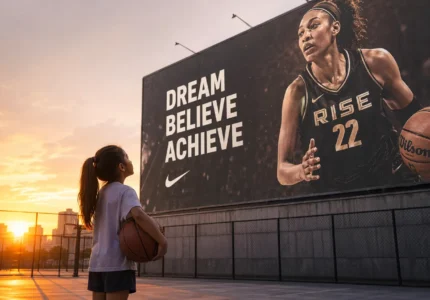
Have you ever stopped to think about why is gender equality important in our everyday lives? It’s a big question, and honestly, it’s one that gets talked about a lot in news headlines and government offices. But for me, this isn’t just a political debate or a set of statistics. It’s something I’ve lived, breathed, and seen firsthand—from the way I was raised to the time I spent competing as a college athlete. In this post, I want to share why is gender equality important and how I believe equality is the key to unlocking our best selves. Most importantly, why the real change might start a lot closer to home than you think.
Gender equality isn’t just a moral ideal; it’s a practical necessity for a thriving society. From fostering individual potential and enhancing team performance to driving economic growth and building resilient communities, valuing every person regardless of gender unlocks immense benefits. This article shares a personal journey of why is gender equality important to me. It will highlight how equality starts at home, impacts athletic fields, and ultimately leads to a more just and prosperous world for everyone.
The Childhood Foundation: Why Equality Starts Early
I was lucky. From the time I was little, I was taught a simple but powerful truth: women can do anything men can do—and sometimes, we can even do it better! I wasn’t raised to look at the world through the lens of what I “couldn’t” do because of my gender. Instead, I was encouraged to just go for it. This foundation is exactly why is gender equality important to me. When we stop telling people what they can’t do based on a label, we open the door for them to show us exactly what they *can* do. It’s about giving everyone the same starting line and letting their talent take them the rest of the way. This early exposure to gender-neutral expectations is crucial, as studies show that gender stereotypes can begin to influence children’s aspirations as early as age six [1]. Today, we see the power of Generation Z and gender equality as they continue to challenge these traditional norms and advocate for why is gender equality important for a more inclusive society.
The Passion Paradox: Gender, Emotion, and Athletics
If you’ve ever been around competitive sports, you know how intense it gets. But as a female college athlete, I noticed something that really bothered me that adds to the point of why is gender equality important. When a guy on the team gets fired up—maybe he’s shouting, pumping his fists, or showing some frustration—everyone calls it “dedication” or “competitive fire.” They love to see that he’s “playing with heart.”
But when a woman shows that exact same intensity? Suddenly, she’s being “too emotional” or told she’s letting her feelings run the game. It’s a frustrating double standard that I’ve seen play out time and time again. Why is a man’s passion a strength, but a woman’s passion a weakness? This is a huge part of why is gender equality important in our culture. We need to stop labeling female passion as “emotion” and start respecting it for what it really is: a deep, fierce love for the game and a drive to win. This bias isn’t just anecdotal; research indicates that women in sports leadership roles often face greater scrutiny and are perceived as less competent when displaying strong emotions compared to their male counterparts [2]. For many, this pressure can lead to an invisible opponent: the long-term impact of untreated mental health in student athletes, which is why creating a supportive and equal environment is so vital.
Equality vs. Equity in Athletics
Concept
Definition
Impact in Athletics
Equality
Treating everyone the same, providing identical resources and opportunities.
While seemingly fair, it might not address historical disadvantages. E.g., giving all athletes the same size uniform, regardless of fit.
Equity
Providing resources and opportunities tailored to individual needs to achieve fair outcomes.
Ensures everyone has what they need to succeed. E.g., providing sports bras for female athletes and appropriate gear for all body types, ensuring access to facilities and coaching that address specific needs.
Home as the Catalyst: Where Real Change Begins
Here’s my “hot take” on the whole situation: I don’t think true equality is going to come from a new law or a government mandate. Don’t get me wrong, those things matter, but they aren’t the root of the solution. I believe real change starts at home. It starts with how we raise our kids and the conversations we have around the dinner table about why is gender equality important. If we raise the next generation to understand right from wrong and to see people as equals from day one, they’ll be the ones to finally make the world a more equal place. It’s a bottom-up change, not a top-down one. This emphasis on early socialization is supported by findings that parental attitudes towards gender roles significantly influence children’s perceptions and future behaviors [3].
Challenge Stereotypes Actively: Point out and discuss gender stereotypes in media, books, and everyday life. Encourage all children to explore diverse interests, toys, and activities regardless of traditional gender associations.
Share Responsibilities Equitably: Ensure household chores and caregiving tasks are distributed based on ability and availability, not gender. Model equal partnership and mutual respect in your own relationships. Educate children as early as possible as to why is gender equality important.
Foster Empathy and Respect: Teach children to listen to and value diverse perspectives. Encourage them to stand up against unfair treatment and to understand that everyone deserves dignity, regardless of their gender.
3-Step Action Plan for Parents: Cultivating Equality at Home
The Performance Dividend: Loyalty, Comfort, and Shared Values
When you’re part of a team or a school that truly values gender equality, everything changes. You don’t just feel like a number; you feel secure and comfortable. You feel like you’re playing for the name on the front of your jersey, not just the one on the back. That sense of belonging is powerful. It makes you want to stay, it makes you want to play better, and it builds a loyalty that you just can’t fake. This is a practical reason why is gender equality important—it builds better teams, better schools, and better workplaces where people actually want to show up and give their best every single day. Companies with strong gender diversity on their executive teams are 25% more likely to have above-average profitability than those with less diversity [4]. For those looking to thrive in this environment, there are many tips for student-athletes to excel on and off the fieldthat emphasize the importance of a balanced and supportive culture.
Beyond Stereotypes: Valuing Merit, Character, and Humanity
If I could give one piece of advice to any coach, parent, or leader out there who is trying to teach why is gender equality important, it would be this: throw all your prejudices to the side. Just look at people as *people*. It shouldn’t matter if they’re male or female; at the end of the day, they’re there to learn, to grow, and to compete.
“We need to value people for their unique merits, their character, and their humanity, rather than trying to fit them into a box based on their gender.”
When we stop looking at gender roles and start looking at the person standing in front of us, we realize that we all need the same basics to succeed. By focusing on the individual and their unique potential, we create a world where everyone has the freedom to be exactly who they are. And honestly? That’s the most important reason of all. This shift in mindset is the ultimate answer to why is gender equality important—it allows us to build a world where every human being is free to be their most authentic and capable self.
Frequently Asked Questions
Why is gender equality important for everyone, not just women?
Because it breaks down stereotypes that limit everyone! When we have equality, men feel more free to express themselves and women have more opportunities to lead. When everyone understands why is gender equality important, it creates a healthier society where your gender doesn’t define your path.
How does equality help a sports team perform better?
It builds trust and loyalty. When athletes feel respected and valued regardless of their gender, they are more committed to the team’s goals. It also ensures the best talent is being used effectively without bias getting in the way.
What can I do at home to promote gender equality?
Start by challenging gender roles in everyday chores and conversations. Encourage your kids to pursue their interests based on what they love, not what “boys” or “girls” are supposed to do. Lead by example with respect and fairness.
Does gender equality mean everyone has to be the same?
Not at all! Understanding why is gender equality important means understanding it’s about having the same rights, responsibilities, and opportunities. It’s about valuing our differences while ensuring that those differences don’t lead to unfair treatment or limited potential.
What is the difference between gender equality and gender equity?
Gender equality means treating everyone the same, giving them identical resources and opportunities. Gender equity means providing resources and opportunities tailored to individual needs to achieve fair outcomes. Equity recognizes that different people may need different support to reach the same level of success.
References
[1] Cimpian, A., & Leslie, S. J. (2017). The Origins of Gender Stereotypes About Intellectual Ability. *Psychological Science*, 28(5), 623–633.
[2] Eagly, A. H., & Karau, S. J. (2002). Role Congruity Theory of Prejudice Toward Female Leaders. *Psychological Review*, 109(3), 573–598.
[3] Endendijk, J. J., & Stattin, H. (2018). Parents’ Gender-Role Attitudes and Children’s Gender-Typed Play: A Longitudinal Study. *Journal of Family Psychology*, 32(6), 777–787.
[4] McKinsey & Company. (2020). *Diversity Wins: How Inclusion Matters*.
Why is Gender Equality Important? A Personal Perspective from the Field
Hi, I'm Kara. I am passionate about writing about gender equality because it is a cause that is deeply important to me. As a strong, independent female and a former Division 1 athlete, I understand the value of strength, resilience, and fairness. In my personal time, I enjoy traveling, working out, and reading, which helps me stay inspired and committed to making a positive impact.