If you’re searching for how to deal with depression in college, I want you to know something before we go any further: I have been exactly where you are. I spent four years at Yale University, and for three of those years, I was severely depressed.
I didn’t just feel “sad” or “stressed out.” I was trapped in a cycle of paralyzing lows that made it nearly impossible to get out of bed, attend class, or maintain friendships. I would procrastinate until the last possible minute, then spiral into anxiety because everything was due at once – which only deepened the depression. It was a vicious cycle of stress and mental illness that I couldn’t think or willpower my way out of.
What I didn’t know at the time was that my bipolar disorder was emerging. Each semester would begin with a burst of energy and confidence (“This is finally my year!”) followed by a crash into a depression so deep I couldn’t see the surface. It wasn’t until years after graduation, when I finally sought professional help, that I understood what had been happening to me. Medication and therapy changed my life. And now, looking back with that clarity, I want to share the strategies I wish someone had told me when I was a 19-year-old sitting alone in my dorm room, wondering why I couldn’t just be “normal.”
This isn’t generic advice. This is what I learned the hard way—and what the research supports.
Table of Contents
- What Is Depression? (And Why It Hits Different in College)
- Recognize That What You’re Feeling May Be Clinical Depression
- Seek Professional Help Early – Don’t Wait Like I Did
- How to Deal with Depression in College When Your Grades Are Suffering
- Become the Generational Curse Breaker
- Use “Low-Stakes Socializing” as Medicine
- Daily Habits That Help: Evidence-Based Self-Care
- Give Yourself Permission to Focus on One Thing
- What I Would Do Differently: A Case Study from Yale
- Mental Health Resources for College Students
- Frequently Asked Questions
1. What Is Depression? (And Why It Hits Different in College)
The American Psychiatric Association defines depression as a mood disorder that causes persistent feelings of sadness and loss of interest lasting at least two weeks. It is not the same as having a bad day or feeling stressed during finals. Depression is a medical condition that affects how you think, feel, and function, and it requires treatment, just like any other illness.
College is a uniquely vulnerable time for depression to emerge. The National Institute of Mental Health reports that young adults aged 18–25 have the highest prevalence of major depressive episodes of any age group. You’re navigating academic pressure, social upheaval, financial stress, and identity formation, often while living away from your support system for the first time. For me, college was when my bipolar disorder first surfaced, though I wouldn’t understand that until years later.
2. Recognize That What You’re Feeling May Be Clinical Depression
One of the biggest obstacles to getting help is not recognizing that what you’re experiencing is a medical condition. I spent years thinking I was just lazy, unmotivated, or not cut out for an elite university. I wasn’t any of those things. I was sick.
According to the 2024–2025 Healthy Minds Study, approximately 37% of college students reported moderate to severe depressive symptoms. That means if you’re sitting in a lecture hall of 100 students, roughly 37 of them may be going through something similar to what you’re experiencing. You are not alone, and you are not weak.
Depression in college can look different from what you might expect. It’s not always crying in your room (though it can be). It can also look like:
- Procrastinating on assignments not because you don’t care, but because you physically cannot start them
- Sleeping 12+ hours and still feeling exhausted
- Losing interest in activities, clubs, or friendships that used to excite you
- Feeling a burst of energy at the start of a semester that quickly crashes (which could indicate bipolar disorder, as it did for me)
- Going through the motions of college life while feeling completely numb inside
If any of this resonates with you, please keep reading. The fact that you searched for how to deal with depression in college tells me you’re already taking the first step.
3. Seek Professional Help Early – Don’t Wait Like I Did
This is the single most important piece of advice I can give you, and it comes from deep personal regret: get professional help now. Not next semester. Not after finals. Now.
During my time at Yale, I waited far too long to seek help. For the first three years, I would call my parents crying, and they would tell me to pray through it. I don’t say this to disrespect my family. They were doing the best they could with what they knew. But prayer alone did not treat my clinical depression, and it did not treat the bipolar disorder that was silently emerging.
I did eventually visit the campus mental health center in my senior year—but the psychiatrist I was assigned was not a good fit, and the care I received didn’t make a meaningful impact on my mental health. The problem was that I didn’t know enough at the time to advocate for myself. I didn’t know I could push for better care, ask for a different provider, or recognize when a treatment approach simply wasn’t working for me.
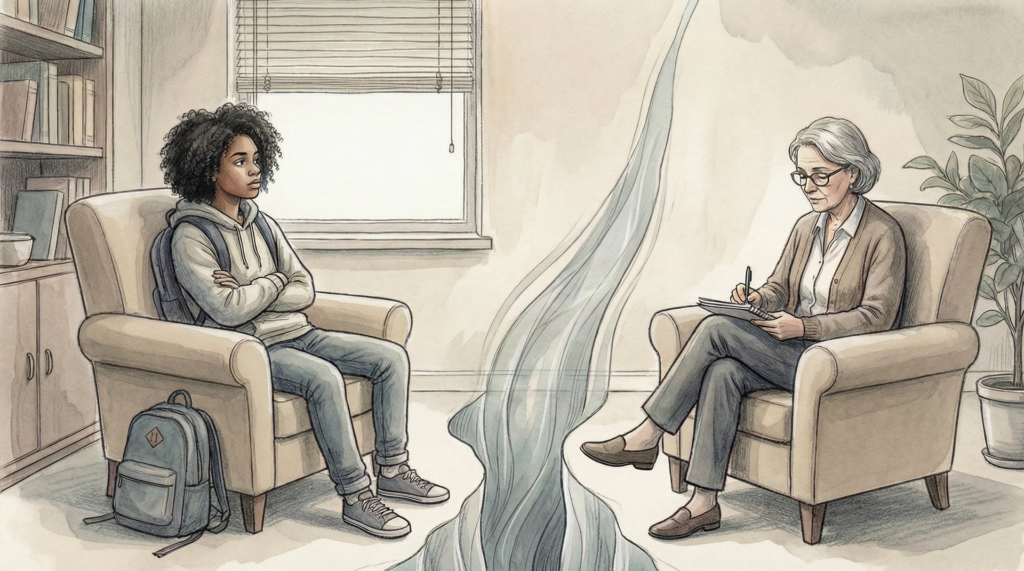
It wasn’t until many years after graduation that I found a competent therapist and a skilled psychiatrist, and my mental health finally changed for the better. That turning point didn’t just come from finding the right professionals. It came from learning to advocate for myself, to recognize when care from a certain provider wasn’t working, and to move on to someone better suited to my needs and personality.
The Healthy Minds Study found that the top barriers to mental health treatment among college students are lack of time (23%), financial reasons (22%), and preferring to handle issues independently. Your campus counseling center addresses all three: it’s on campus, it’s typically free, and the professionals there understand that “handling it independently” hasn’t been working.
Here’s what I want you to do this week:
- Call or visit your campus counseling center. Nearly every accredited college offers free or low-cost mental health services. If there’s a waitlist, get on it immediately. Ask about interim resources like group therapy or crisis support while you wait.
- Be honest about what you’re feeling. Don’t minimize your symptoms. If you’re sleeping all day, say that. If you’re having dark thoughts, say that. The professionals are trained for this.
- Ask about a psychiatric evaluation. Therapy is essential, but some forms of depression—especially those linked to conditions like bipolar disorder—also require medication. A psychiatrist can help determine if that’s the case for you.
4. How to Deal with Depression in College When Your Grades Are Suffering
One of my biggest regrets is that I never told a single professor or academic dean what I was going through. I suffered in silence, turned in assignments late (or not at all), and let the shame of falling behind compound my depression. I didn’t know that there were systems in place specifically designed to help students like me.
You have more options than you think. Under Section 504 of the Rehabilitation Act and the Americans with Disabilities Act (ADA), depression is a recognized condition that can qualify you for academic accommodations. These can include:
| Accommodation | How It Helps |
|---|---|
| Extended deadlines on assignments | Reduces the anxiety spiral caused by last-minute work |
| Excused absences for mental health appointments | Removes the guilt of missing class for therapy |
| Reduced course load | Prevents burnout without impacting financial aid (in many cases) |
| Testing in a separate, quiet environment | Minimizes anxiety triggers during high-stakes exams |
| Flexible attendance policies | Accounts for days when getting out of bed feels impossible |
How to get started: Contact your school’s disability services office (sometimes called “accessibility services” or “student accommodations”). You’ll need documentation from a licensed mental health professional, which is another reason to see a therapist or psychiatrist as soon as possible. These accommodations are provided at no cost to you.
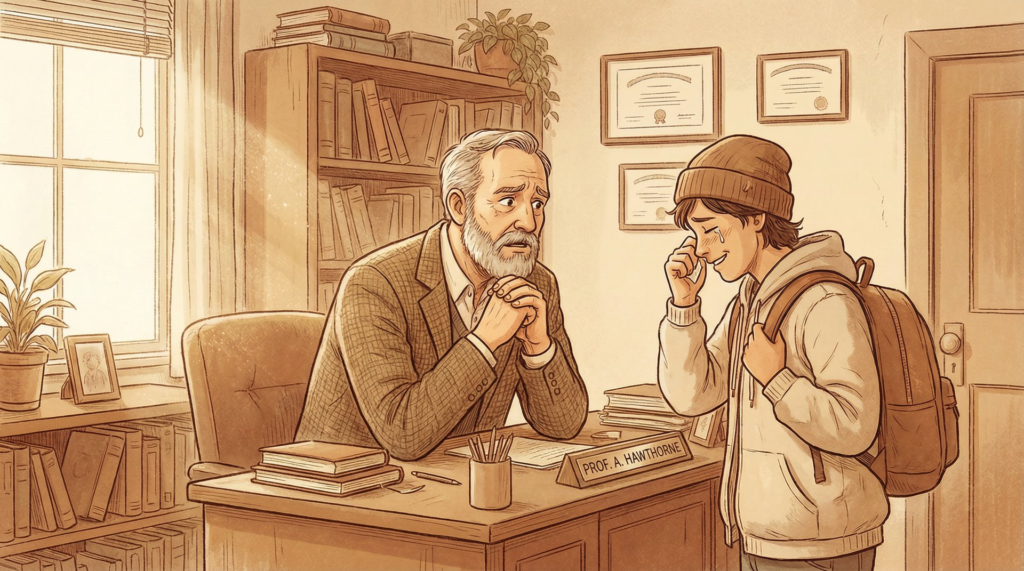
Beyond formal accommodations, I also strongly recommend having a direct conversation with your academic dean and your professors. You don’t have to share every detail of your diagnosis. A simple, honest statement like “I’m dealing with a mental health condition that is affecting my ability to keep up with coursework, and I’m actively seeking treatment” can open doors to extensions, alternative assignments, and a level of understanding that you might not expect. Most professors have seen this before. Most of them want to help.
5. Become the Generational Curse Breaker
This section is especially for students whose families don’t understand or support their mental health journey. If your parents have told you to “just pray about it,” “toughen up,” or “stop being so dramatic,” I understand that pain on a deeply personal level.
Here is the mindset shift that changed everything for me: You have the potential to be the generational curse breaker in your family.
I know that sounds like a heavy burden. But ask yourself this: Would you rather keep doing things your family’s way – a way that has clearly not been working for them or for you – and continue to feel miserable? Or would you rather do something different and actually feel better, even if your family doesn’t understand it?
Mental illness often runs in families. According to Stanford Medicine’s Genetics of Brain Function lab, if someone has a parent or sibling with major depression, that person has a two to three times greater risk of developing depression compared with the average person. Older generations frequently had different ways of coping—ways shaped by societal pressures, stigma, and a lack of accessible mental health care. Many of our parents and grandparents stuffed down their emotions, self-medicated, or simply endured. We live in a society that is now much more open about mental health, and we don’t have to repeat those patterns.

Prioritizing your mental health is not a betrayal of your family. It is an act of honor. You are doing something that your parents and grandparents may not have had the opportunity or the permission to do. And if you have children someday, you will be breaking the cycle for them, too. The generational trauma can stop with you – but only if you choose to seek help.
6. Use “Low-Stakes Socializing” as Medicine
Depression made me self-isolate. I would stay in my room for days, only leaving for class (when I could manage it). The isolation made the depression worse, which made me isolate more. It was another vicious cycle.
Research consistently shows that social connection is a critical factor in managing depression. The CDC reports that social connection can improve our ability to manage stress, anxiety, and depression. The World Health Organization has identified social connection as a major factor in reducing inflammation and fostering mental health across the lifespan.
But here’s the problem: when you’re clinically depressed, you have zero energy for socializing. The thought of going to a party or joining a competitive extracurricular feels impossible. That’s why I recommend what I call “low-stakes socializing.”
Join a friendly, informal campus group that doesn’t require attendance every single week and doesn’t feel like more homework. Some examples:
- An on-campus ministry or faith group (if faith is important to you)
- A cooking, knitting, or crafting club
- A casual student-run music ensemble
- A nationality, cultural, or ethnic student organization
- An intramural sports team with a “just for fun” vibe
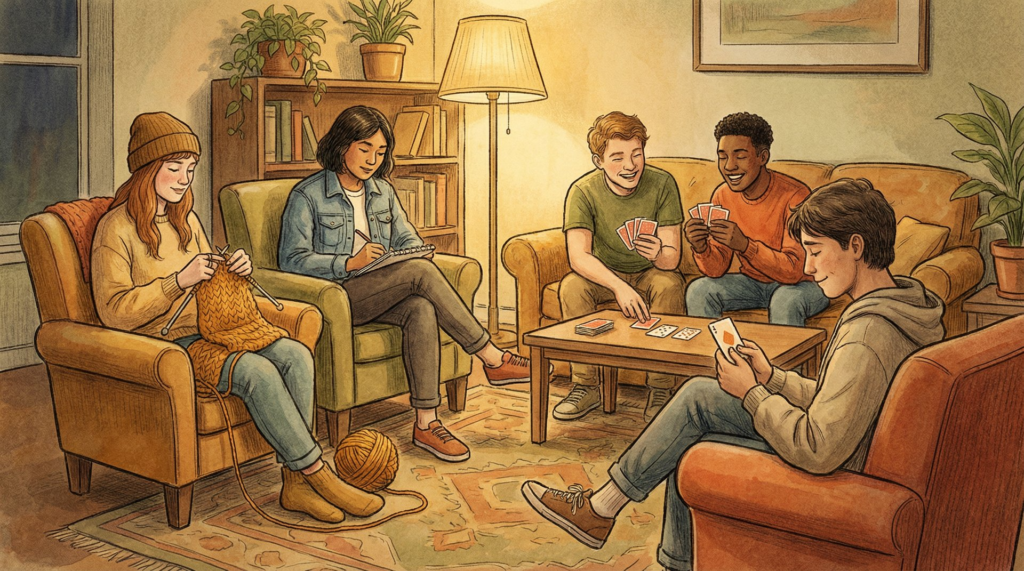
The key – and this is the hard part – is to go even when you don’t feel like it. When you’re clinically depressed, you will almost never feel like it. But if you never go, you’ll never have a chance to form the connections that can help pull you out of the darkness. Think of low-stakes socializing as part of your treatment plan. It’s as important as taking your medication. It’s not optional—it’s medicine.
7. Daily Habits That Help: Evidence-Based Self-Care
Professional treatment is the foundation, but these daily habits can meaningfully support your recovery. Think of them as supplements to therapy and medication—not replacements.
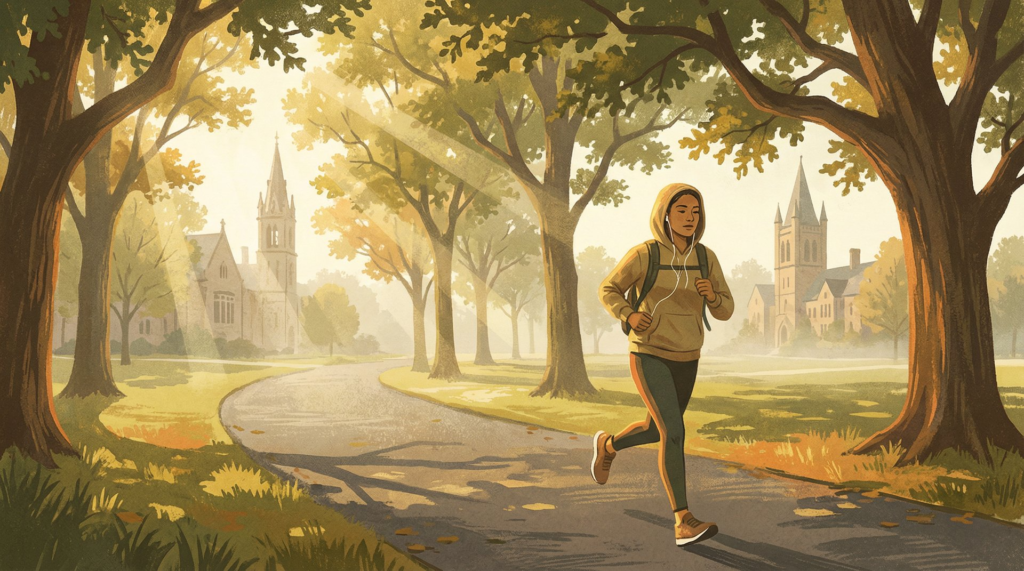
Move your body, even a little. The CDC recommends at least 150 minutes of moderate-intensity exercise per week. But when you’re depressed, even a 15-minute walk around campus counts. Research consistently links physical activity to reduced depressive symptoms in young adults. (For a deeper look at the science, see How Exercise Improves Mental Health.)
Protect your sleep. The National Sleep Foundation recommends 7–9 hours per night for young adults. Depression can make you sleep too much or too little—both of which worsen symptoms. Try to keep a consistent sleep and wake time, even on weekends.
Watch your substance use. Alcohol is a depressant, and college binge-drinking culture can significantly worsen depression. The National Institute on Alcohol Abuse and Alcoholism reports that about 1 in 3 college students engage in binge drinking. If you’re managing depression, reducing or eliminating alcohol can make a noticeable difference.
Eat regularly. You don’t need a perfect diet; just consistent meals. Skipping meals destabilizes blood sugar and mood. For evidence-based guidance on the connection between nutrition and mental health, the Harvard Health Blog offers a helpful overview.
For more college-specific self-care strategies beyond these basics, Healing Ways to Practice Self Care as a College Student is a practical guide worth bookmarking.
8. Give Yourself Permission to Focus on One Thing
There’s a saying in college: “Schoolwork, sleep, social life – pick two.” At elite, high-pressure schools, most students pick schoolwork and social life and give 110% to both. They study long hours for perfect GPAs, pack their schedules with extracurriculars, and party hard on weekends – all at the expense of sleep.
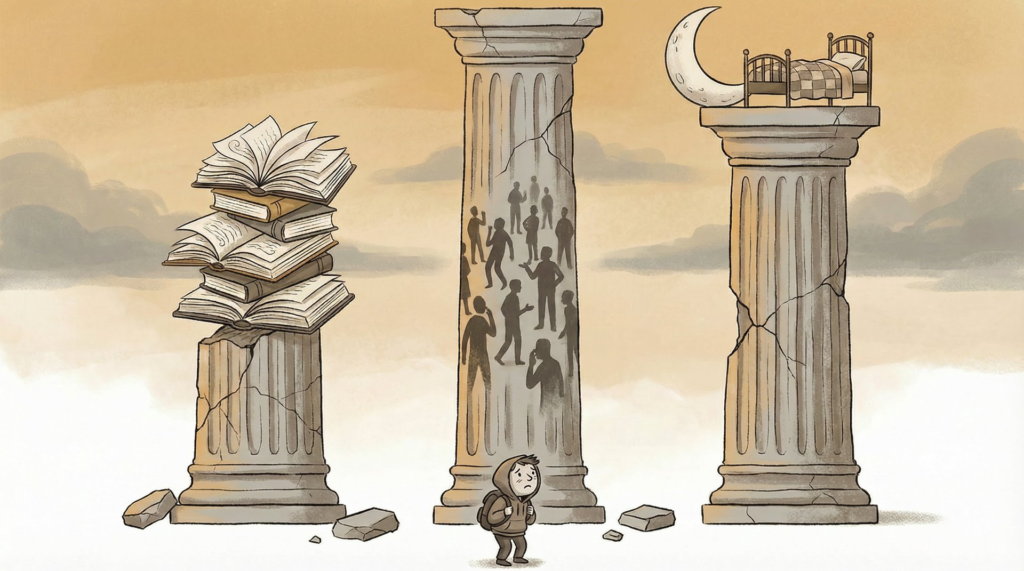
When you are battling severe depression, you may not be able to give even 50% to even one of the three. And that is okay.
The ACHA-NCHA Spring 2025 Undergraduate Survey found that stress negatively impacted 38.3% of students’ academic performance, and anxiety negatively impacted 31.5%. When depression is layered on top, the capacity to perform across multiple domains shrinks dramatically.
During my time at Yale, I put most of my energy into my schoolwork because it gave me a sense of control when everything else felt chaotic. The depression was telling me my life was heading nowhere, and maintaining my grades was the one thing that pushed back against that narrative. Through a few happy accidents and some intentional efforts, I ended up with a small social circle. I slept as much as the depression would let me. I graduated with a 3.8 GPA.
But I didn’t have nearly as many social connections as my classmates. I barely did any extracurriculars. And for a long time, I felt ashamed of that.
I don’t feel ashamed anymore. Here is the truth that most generic advice about how to deal with depression in college won’t tell you: It’s okay to focus on just one domain of college life until you are better. Don’t try to be the “super student” who is acing every class, leading four clubs, and has a million friends. Those people may seem happy and accomplished, but many of them are battling their own struggles beneath the surface. And even if they aren’t, their capacity is not your yardstick.
Focus on what you are capable of doing in a given moment. If all you can do today is attend one class and eat one real meal, you have succeeded. Recovery is not linear, and your only job right now is to keep going.
9. What I Would Do Differently: A Case Study from Yale
If I could go back to my freshman year at Yale knowing what I know now, here is exactly what I would do differently. I’m sharing this as a case study because I think it’s helpful to see what a concrete action plan looks like—not just vague advice.
| What I Actually Did | What I Would Do Instead |
|---|---|
| Called my parents crying; was told to “just pray through it” | Gone to the campus mental health center in my first semester and started therapy and a psychiatric evaluation |
| Struggled silently with coursework, procrastinated, skipped assignments | Contacted my academic dean and professors early to discuss accommodations and a realistic workload plan |
| Self-isolated in my dorm room for days at a time | Joined one low-stakes campus group and committed to attending even on bad days |
| Tried to keep up with peers who seemed to “do it all” | Given myself permission to focus primarily on academics and sleep, and let go of the comparison |
| Didn’t understand why I had bursts of energy followed by deep crashes | Described those specific symptoms to a psychiatrist, which could have led to an earlier bipolar disorder diagnosis |
I graduated from Yale. I survived. But I didn’t thrive during those four years, and I largely did not enjoy my college experience. I don’t want that for you. The resources exist. The help is available. The only thing standing between you and a better college experience might be one phone call to your campus counseling center.
10. Mental Health Resources for College Students
You don’t have to navigate this alone. These organizations offer free or low-cost support specifically for students and young adults:
| Resource | What They Offer |
|---|---|
| The Jed Foundation (JED) | Mental health resources, guides, and programs specifically for teens and young adults |
| National Alliance on Mental Illness (NAMI) | Young adult support, peer groups, and a HelpLine (call 800-950-6264 or text “NAMI” to 62640) |
| Depression and Bipolar Support Alliance (DBSA) | Online support groups, wellness tools, and educational resources for depression and bipolar disorder |
| Anxiety and Depression Association of America (ADAA) | Free, anonymous online peer-to-peer support communities for depression and anxiety |
| Headway.co | Find therapists and psychiatrists who accept your insurance plan |
| Crisis Text Line | Text HOME to 741741 for free, 24/7 crisis support |

11. Frequently Asked Questions About How to Deal with Depression in College
What are the signs of depression in college students?
Common signs include:
- Persistent sadness or hopelessness
- Loss of interest in activities you once enjoyed
- Changes in sleep patterns (sleeping too much or too little)
- Difficulty concentrating on coursework
- Withdrawing from friends and social activities
- Increased irritability
- Changes in appetite or weight
- Chronic fatigue

Be especially watchful for:
- A pattern of procrastination that feels paralyzing rather than lazy
- Skipping classes regularly
- A noticeable decline in academic performance
- Bursts of high energy followed by deep crashes—as I experienced, this could indicate bipolar disorder, and you should mention this pattern to a mental health professional
How common is depression among college students?
Depression among college students is extremely common. According to the 2024–2025 Healthy Minds Study, approximately 37% of college students reported moderate to severe depressive symptoms. A separate survey found that over half (51%) of college students have skipped class due to mental health struggles, and nearly 1 in 3 have failed a test as a result. You are far from alone.
Can I get academic accommodations for depression in college?
Yes. Under Section 504 of the Rehabilitation Act and the Americans with Disabilities Act (ADA), depression is recognized as a condition that can qualify for academic accommodations. Common accommodations include extended deadlines, excused absences for mental health appointments, a reduced course load, testing in a separate and quiet environment, and flexible attendance policies. Contact your school’s disability services office with documentation from a licensed mental health professional to begin the process. These accommodations are provided at no cost to you.
What should I do if my family doesn’t understand my depression?
If your family dismisses your depression or tells you to “just push through it,” know that their response often comes from generational stigma around mental health—not a lack of love. You can still seek help independently through your college’s counseling center, which typically offers free or low-cost therapy. Consider reframing your decision to seek help not as going against your family, but as breaking a generational cycle. You are doing something your parents or grandparents may not have had the opportunity or permission to do. You are honoring them by healing.
How do I find a therapist or counselor in college?
Start with your campus counseling or mental health center, which nearly every accredited college offers. These services are usually free or included in your tuition and fees. If the waitlist is long, ask about group therapy options, crisis services, or referrals to off-campus providers. Many colleges also offer telehealth therapy. If you need a psychiatrist for medication management, your campus health center can typically provide a referral. Don’t let a long waitlist stop you—put your name on it immediately.

If you have access to your parents’ health insurance, you can also use resources like Headway.co to search for therapists and psychiatrists in your area who accept your specific insurance plan. This can be especially helpful if your campus counseling center has a long wait or limited availability, and it gives you more control over finding a provider who is the right fit for your needs and personality.
Is it normal to feel depressed in college even if things are going well academically?
Absolutely. Depression is a clinical condition that does not require a “reason” to exist. Many high-achieving students maintain strong GPAs while battling severe depression internally. I graduated from Yale with a 3.8 GPA while being severely depressed for three out of four years. Academic success does not immunize you from mental illness. If you feel persistently sad, empty, or hopeless, regardless of your GPA, that is a valid reason to seek help.
Should I take a semester off for depression?
This is a deeply personal decision, and there is no one-size-fits-all answer, but I will say this: I wish I had done it. Looking back, I think taking a semester off, or even a full year, would have given me the time and space to find the right mental health providers, get stable on the right medications, and begin real recovery without the relentless pressure of academics weighing me down.
If you’re considering a leave of absence, the most important thing is to have a concrete plan for your time off. A semester at home without structure can deepen depression rather than relieve it. Before you leave, work with a therapist or counselor to create a plan that includes: finding a therapist and/or psychiatrist in your home area, establishing a daily routine, setting specific mental health goals, and identifying what “ready to return” looks like for you.
Many colleges have formal medical leave policies that protect your enrollment and financial aid; talk to your academic dean or student affairs office to understand your options. For more on navigating a leave of absence, Mental Health America’s guide is a helpful starting point.
If You’re in Crisis Right Now
If you or someone you know is in immediate danger, please reach out to one of these resources:
- 988 Suicide & Crisis Lifeline: Call or text 988 (available 24/7)
- Crisis Text Line: Text HOME to 741741
- Your campus counseling center’s emergency line (check your school’s website for the number)
You are not a burden. You deserve help. Please reach out.