- What is Plastic Pollution?
- How Many Plastic Bottles Are in the Ocean?
- How Much Plastic Overall Ends Up in Our Oceans?
- A Sea of Plastic : Unveiling the Scope of the Problem
- The Effects of Plastic Pollution on Oceans
- The Devastating Journey of Plastic : From Land to Sea
- Beyond the Surface: The Ripple Effect of Plastic Pollution
- Turning the Tide on Plastic Pollution: Taking Action for a Brighter Future
- Embracing Innovation: Exploring Technological Solutions
- A Plan for Limiting Plastic Waste
- An Ideal Future for Oceans
There is something I really hope to inform and inspire my readers about in this article: Plastic Bottle Ocean Pollution. My family and I have gone to Ocean City, New Jersey every summer for as long as I can remember. We’ve had so many wonderful memories on the beach and boardwalk there. However, what I’ve always enjoyed the most is the ocean there. Ocean City is on the coast of the Atlantic Ocean and it is so amazing to swim in the cool water on a hot summer day.
Seeing all of the sea life is my favorite part of it all. We’ve seen jellyfish, dolphins, sharks, crabs, stingrays, clams, mussels, seahorses, seabass, rockfish, and flounder, among many others. The ocean is where they all live in harmony. People are blessed to be able to admire the beauties and intricacies of the vast marine life in the world’s oceans.
There is one thing that I’ve noticed though, that seems to worsen as the years go by. I’ve been extremely disheartened by the mounting plastic bottle ocean pollution I’ve seen that looks to be more and more abundant each year. Whether it’s plastic bottles floating in the water, piles of assorted plastic washed onto shore, or plastic wrapped around seabirds and other marine life, I have unfortunately bore witness to it all.
Instead of enjoying the beautiful ocean around me, I’m often left pondering how many plastic bottles are in the ocean. This brings me to the point of this article, what we can do about it to make the oceans a safer, cleaner, and ultimately more enjoyable place for all forms of life.

How Many Plastic Bottles Pollute the Ocean? : A Call to Action for a Cleaner Future
Imagine a world covered mostly by water, teeming with life beneath the waves. That’s our amazing ocean! It’s like a giant underwater jungle, full of colorful fish, playful dolphins, and even giant whales. But just like our parks and playgrounds can get messy if we don’t take care of them, the ocean faces a big problem: plastic bottle ocean pollution.
The vast and vibrant expanse of the ocean, covering about 70% of our planet, plays a crucial role in life on Earth. It regulates our climate, provides most of the oxygen we breathe, and teems with incredible diversity of life. Sadly, this vital ecosystem faces a significant threat: pollution, and specifically, plastic bottle ocean pollution. Every year, millions of tons of plastic waste end up in our oceans, posing a serious threat to its health and the creatures that call it home.
What is Plastic Pollution?
Have you ever seen a plastic bag floating in the wind or a plastic bottle lying on the beach? That’s plastic pollution! Plastic is a material used in many things, like bottles, bags, and toys. It’s strong and lightweight, but the problem is it doesn’t disappear easily. When we throw it away, it can end up in places it shouldn’t be, like our beautiful oceans.
Plastic Bottle Ocean Pollution: How Many Plastic Bottles are in the Ocean?
Scientists are still working on figuring out exactly how many plastic bottles are in the ocean. It’s a really big place, and counting them all is a tough job! But one thing is for sure: there are way too many, which accounts for the rampant plastic bottle ocean pollution. Estimates suggest there could be millions, even billions, of plastic bottles floating around in the ocean, creating a big mess for our underwater friends.
How Much Plastic Overall Ends Up in Our Oceans?
Every year, millions of tons of plastic waste end up in our oceans. That’s the same weight as a whole bunch of school buses! This plastic comes from many places, like plastic bottles and bags on beaches, overflowing trash cans, plastic bottle ocean pollution, and even tiny bits that break off from bigger pieces of plastic.
A Sea of Plastic: Unveiling the Scope of the Problem
Imagine a garbage truck full of plastic being dumped into the ocean every minute. That’s the alarming reality, translating to millions of tons of plastic entering our oceans annually. This plastic pollution originates from various sources, including litter discarded on beaches, plastic bottles that weren’t properly recycled, improperly disposed of plastic bags, and even tiny microfibers released from synthetic clothing during washing.
The Effects of Plastic Bottle Ocean Pollution on Oceans
All this plastic in the ocean is causing big problems for the creatures who live there. Here are some ways it hurts the ocean:
- Animals mistake plastic for food: Fish, turtles, and even whales can mistake plastic bottles and bags for real food, like jellyfish or shrimp. This can make them sick or even cause them to starve, ultimately leading to possibly fatal results. It is said that almost 90% of all seabirds have consumed at least some sort of plastic in their lifetimes.
- Plastic traps harmful chemicals: Like tiny sponges, plastic can soak up dangerous chemicals from the water. When animals eat plastic with these chemicals, they get sick too.
- Plastic damages ocean habitats: Big pieces of plastic, like bags and fishing nets, can get tangled up in coral reefs. Coral reefs are like underwater cities for many ocean creatures, and plastic can damage them, making it hard for animals to live there.

The Devastating Journey of Plastic: From Land to Sea
Once plastic enters the ocean, it doesn’t simply disappear. Instead, it embarks on a detrimental journey, breaking down into smaller and smaller fragments called microplastics, invisible to the naked eye. These microplastics persist for years, posing a significant threat to marine life in various ways.
Beyond the Surface: The Ripple Effect of Plastic Pollution
The detrimental effects of plastic pollution extend far beyond the harm it inflicts on individual marine creatures. It disrupts entire ecosystems, impacting the delicate balance of the ocean environment. Here’s how:
- Disrupted Food Chains: When plastic enters the food chain, it can harm animals at various levels, impacting their growth, reproduction, and overall population health. This disruption can lead to imbalances within the food web, affecting the entire ecosystem. Plastic bottle ocean pollution creates a serious issue for any and all marine life, even if it’s in an indirect way.
- Reduced Biodiversity: Plastic pollution can contribute to the decline of ocean biodiversity. Damaged habitats and contaminated food sources can render the ocean unsuitable for some species, leading to a decrease in variety and abundance of marine life.
- Economic Impacts: A healthy ocean is vital for various human activities, including fisheries, tourism, and coastal communities. Plastic pollution harms these industries, impacting livelihoods and economies that depend on a healthy marine environment.
Turning the Tide on Plastic Bottle Ocean Pollution: Taking Action for a Brighter Future
While the situation may seem dire, it’s important to remember that there is hope. By taking action collectively, we can significantly reduce plastic pollution and protect our precious oceans. Here are some ways we can all contribute:
- Reduce Single-Use Plastics: Opt for reusable alternatives whenever possible. Replace plastic water bottles with reusable ones, ditch plastic bags in favor of reusable shopping bags, and avoid single-use plastic straws, utensils, and containers. This will help minimize plastic bottle ocean pollution greatly.
- Embrace Responsible Consumption: Make informed choices when purchasing products. Look for items with minimal or recyclable packaging, and choose products made from recycled materials whenever possible.
- Dispose of Waste Properly: Recycle all recyclable plastic materials in your area and ensure proper disposal of non-recyclable plastic waste to prevent it from entering landfills and potentially reaching the ocean through various pathways.
- Spread Awareness: Educate your friends, family, and community about the issue of plastic pollution. Share information, encourage them to make sustainable choices, and inspire others to join the fight against plastic pollution.
- Support the Cause: Numerous organizations dedicate their efforts to cleaning up plastic pollution from the oceans. Consider supporting their work through donations or volunteering your time to contribute directly to the solution.
- Use reusable water bottles: Instead of throwing away plastic bottles after one use, carry a reusable water bottle and refill it throughout the day. You can personalize it with stickers or cool designs!
- Say no to plastic bags: When shopping, bring your own reusable bag instead of taking plastic bags from the store. You can even decorate your reusable bag with your favorite drawings or pictures!
- Recycle properly: When you do use plastic, make sure to recycle it if possible. Look for the recycling symbol on the packaging and follow the instructions for your area
Embracing Innovation: Exploring Technological Solutions
While individual actions are crucial, scientific advancements and technological innovations also play a vital role in solving the plastic pollution problem. Here are some promising initiatives:
- Biodegradable Materials: Research and development of biodegradable alternatives to traditional plastics offer a potential solution. These materials decompose naturally, significantly reducing their long-term environmental impact.
- Advanced Recycling Technologies: Innovative approaches to recycling plastic waste are being developed, allowing for the recycling of previously non-recyclable plastics and preventing them from ending up in landfills or the ocean.
- Ocean Cleanup Technologies: Organizations are developing specialized technologies to remove existing plastic pollution from the oceans.
A Plan for Limiting Plastic Waste
By taking small actions together, we can make a big difference. Here’s a plan for limiting plastic waste:
- Reduce: Use less plastic in your daily life. Think before you use a plastic straw, bag, or cup, and see if you have a reusable option instead. Consider reusable bottles and bags as opposed to plastic ones.
- Reuse: Give new life to plastic items! Use old plastic containers to store things or turn them into fun crafts.
- Recycle: When you do use plastic, make sure to recycle it properly. Check your local recycling guidelines and only put acceptable items in the recycling bin.
Following this simple plan can help us reduce plastic waste and protect our amazing oceans.
An Ideal Future for Oceans
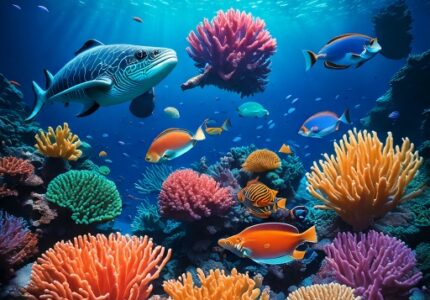
Imagine a future where the ocean is clean and healthy, with colorful fish swimming freely and playful dolphins leaping through the waves. This future is possible if we all work together to reduce plastic pollution and protect our underwater world. By making small changes in our daily lives, and minimizing plastic bottle ocean pollution, we can ensure that the ocean remains a beautiful and healthy place for generations to come.
Remember, even small actions can make a big difference! Let’s join hands and protect our precious oceans for a brighter future!