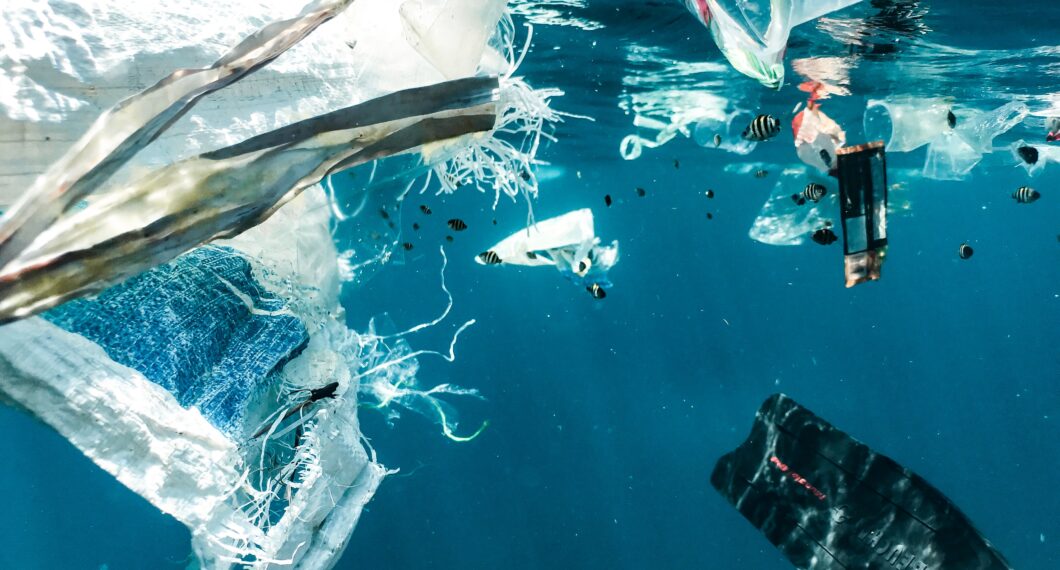
Over the past few decades, the issue of plastic pollution in the oceans has become a major global concern. Plastics are cheap, durable and versatile, making them the material of choice for the manufacture of a wide range of products, from single-use packaging to car parts. Unfortunately, the way we make, use and dispose of plastic products has resulted in a massive accumulation of plastic waste in the oceans, harming marine life, ecosystems and even human health. It is estimated that as much as 8 million tons of plastic enter the ocean every year, a figure that is expected to double by 2040 unless drastic action is taken. The number of plastics in the ocean is growing exponentially. Here you can see the number of plastic pieces in the ocean.
Table of content
Why in the ocean?
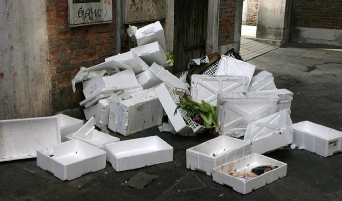
Plastic end in the ocean very frequently as it is claimed before. The main causes of this issue are:
Improper waste management: Plastics are often not disposed of properly by many people, causing them to be washed away by wind, rain or rivers and end up in the ocean.
Littering: People often throw plastic waste on the beach or from cars, causing it to end up in the sea.
Industrial and commercial activities: Large-scale industrial and commercial activities generate large amounts of plastic waste, which often ends up in the sea due to improper disposal methods.
Fishing activities: Discarded fishing gear such as nets and lines is one of the most important sources of plastic pollution in the oceans.
Stormwater runoff: Stormwater runoff carries plastic waste from urban and agricultural areas into the ocean.
Tourism: Tourism activities such as boat trips, beach excursions and water sports lead to the accumulation of plastic waste in the sea.
Lack of recycling: Inadequate recycling infrastructure and low recycling rates lead to more plastic being discarded and ending up in the ocean.
Consumerism: The overproduction and consumption of single-use plastic items such as straws, bottles and bags contributes to the plastic pollution crisis, much of which ends up in the ocean.
How does it affect?
Plastic pollution is one of the most relevant environmental concerns facing the planet today. The effects of plastic pollution on both marine animals and humans are gigantic. These are several of the sequels:
Sea animals
Sequelae for marine animals:
1. Entanglements: Animals such as sea turtles, whales, dolphins, and other marine mammals, which use the ocean area for breathing or swimming, commonly become entangled in plastic debris.
2. Ingestion: Plastic does not biodegrade, however it breaks down into small pieces, known as microplastics. Marine animals have the potential to mistake these microplastics for food, which can lead to ingestion, suffocation, and ultimately death.
3. Habitat Devastation: Plastic pollution can cover and eliminate critical habitats. Coral reefs and seagrass beds, for example, provide vital nurseries and feeding grounds for countless species of fish and invertebrates.
Humans

Aftermath for humans the consumption of fish and shellfish contaminated with microplastics can cause serious health problems in humans, such as cancer, liver disease, and immune system compromise. Sometimes we do not know if the food we are purchasing, and then eating, is affected by this several problem. In addition, the tourism industry creates an enormous amount of millions of dollars for coastal societies all over the planet. Surfaces damaged by plastic pollution will see a decrease in tourism, which will result in decreased profits and job losses.
In summary, plastic pollution, if not addressed, is going to have serious consequences for marine animals as well as for humans. It is critical to take steps to minimize the production of plastic waste, increase recycling, and educate the public about the value of defending our own seas.
How can we tackle the problem?
I can give several recommendations that individuals can do to minimize plastic waste and help solve the problem of plastic in the sea:
1. Decrease plastic use by replacing disposable plastic items with reusable ones, such as cloth bags, water bottles, and straws made from eco-friendly materials.
2. Dispose of plastic waste properly through recycling or composting if feasible.
3. Avoid using single-use plastics, such as plastic bags, straws, utensils, and food containers.
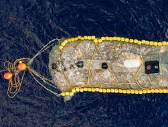
4. Participate in beach cleanups and garbage collection to prevent plastic waste from reaching the sea.
5. Benefit companies and initiatives dedicated to minimizing plastic pollution and defending the sea.
6. Spread awareness among friends, relatives and the society and encourage them to take action to minimize plastic waste.
7. Buy products that are packaged in ecological or biodegradable materials.
8. Benefit from legislation and policies that ban single-use plastics and promote sustainable alternatives.
In addition, there are more institutions such as the goverment or the companies that are trying to reduce the ecological impact and also they try to tackle this problem. They play a crucial role in reducing the plastic. Laws, implementing cleanup efforts, promoting recycling, etc, are some examples of practices that this institutions take in order to reduce the impact of the plastic in the ocean.
Summary

The plastic problem in the ocean involves the accumulation of various forms of plastic (microplastics, plastic bottles, bags, straws, fishing nets, …) waste that end up in the ocean, threatening marine life and ecosystems. Contributing factors to this problem include poor waste management, inadequate recycling and disposal infrastructure, and consumer behaviors that prefer convenience over sustainability. The consequences of plastic pollution in the oceans are severe, from entrapment, ingestion and suffocation of marine life to disruption of food chains, habitat destruction and release of toxic chemicals. Fortunately, there are several possible solutions to mitigate the impact of plastic on the oceans, such as: reduce plastic production and consumption, improve waste management and recycling, promote environmentally friendly alternatives and raise awareness among consumers and policy makers. Although there is still a long way to go to completely solve this problem, our daily actions to reduce the plastic can make the difference.