By Taylor Baldwin
A Personal Journey with Red Meat
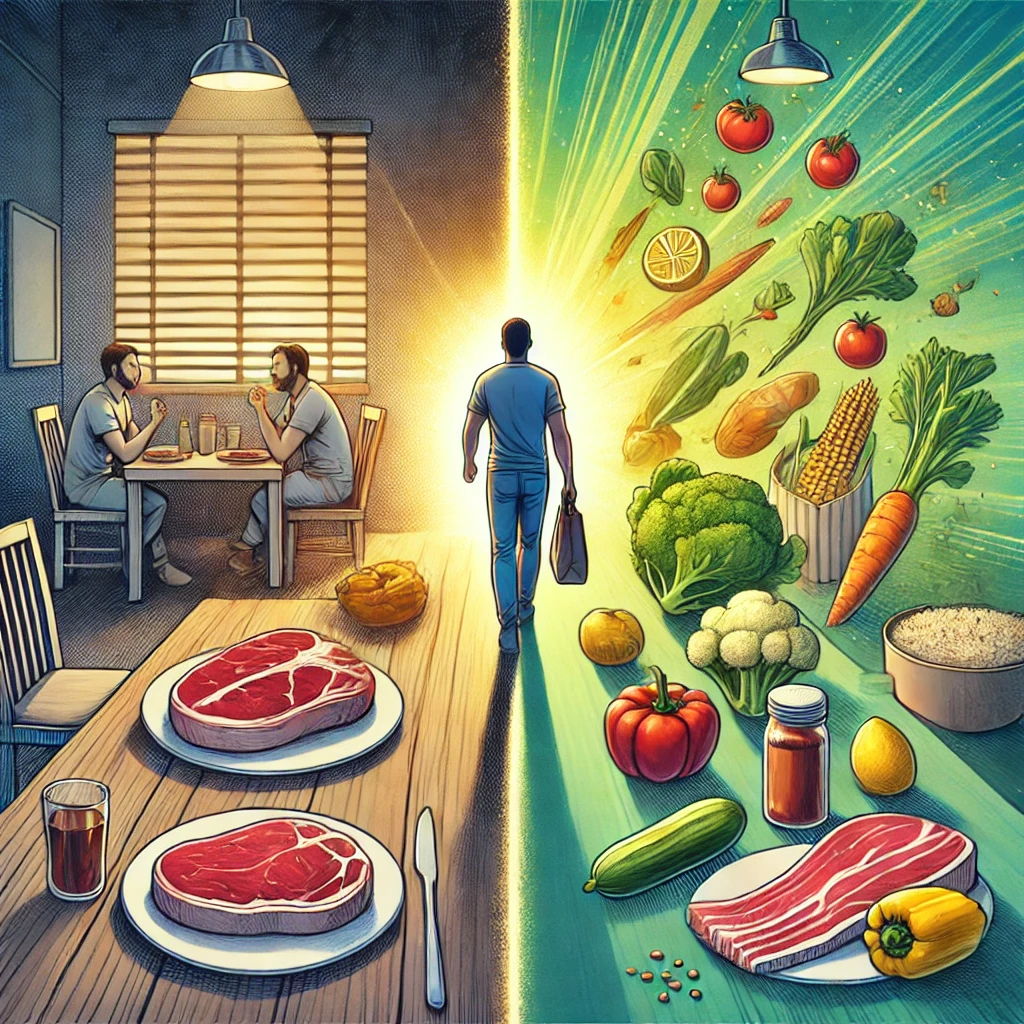
Growing up, red meat was a regular part of my meals. I didn’t think twice about eating burgers, steaks, or bacon—it was just what we ate. But despite how common it was, I often dealt with stomach discomfort, sluggishness, and occasional constipation. It wasn’t something I directly blamed on meat at the time, but the connection became clearer later.
In high school, my dad and I decided to try something different: we went vegetarian for four months. The results were undeniable. Our digestion improved, we felt more energized, and overall, we just felt healthier. That experience was a turning point. Since then, we’ve both cut out red meat completely.
The experience also brought us closer together. We spent more time cooking, trying new recipes, and reading labels at the grocery store. It gave us a shared purpose and helped us understand the link between nutrition and how we feel. I started reading more about food, watching documentaries, and following the latest health research. It made me think more critically about the food industry and how certain habits get passed down without much thought.
That personal shift sparked a bigger question: is red meat actually bad for you? Or is it unfairly blamed for health problems that have more to do with lifestyle than one specific food? To find out, I dug into the data and insights from major health organizations like the NIH, WHO, and Harvard’s School of Public Health.
Nutritional Benefits of Red Meat

Let’s start with what red meat does right. Beef, lamb, and pork are rich sources of several essential nutrients. One of the most important is protein, which is critical for maintaining muscle, repairing tissues, and keeping you feeling full after meals.
Red meat also provides heme iron, which the body absorbs much more efficiently than non-heme iron found in plants. This is especially valuable for people at risk of iron deficiency, like menstruating individuals, children, and athletes. According to Healthline, “Red meat is a great source of protein, iron, vitamin B12, zinc, and other important nutrients” that are essential for overall health.
Vitamin B12—something you can only get from animal-based foods—is also found in high amounts in red meat. It supports nerve function and helps produce red blood cells. Zinc, another key nutrient in red meat, plays a major role in immune health and wound healing.
When Red Meat Becomes a Problem
Many of the concerns around red meat come down to quantity and processing. Numerous studies have found that high consumption—especially of processed meats like bacon, hot dogs, and deli slices—is associated with health risks over time.
The World Health Organization stated, “An analysis of data from 10 studies estimated that every 50 gram portion of processed meat eaten daily increases the risk of colorectal cancer by about 18%.” That’s roughly two slices of bacon a day.
Even unprocessed red meat, when eaten in large amounts, has raised concerns. According to the NIH, “Past research has tied red meat to increased risks of diabetes, cardiovascular disease and certain cancers.” These links don’t prove that red meat causes these diseases directly, but they do suggest a strong association worth paying attention to.
A 2023 study from Harvard T.H. Chan School of Public Health added to this picture. The study found that people who ate just two servings of red meat per week had a significantly increased risk of developing type 2 diabetes over time. Dr. Walter Willett, one of the lead researchers, stated that “our findings strongly support dietary guidance to limit red meat consumption.”
A Healthier Way to Approach Red Meat
So how do you strike a balance?
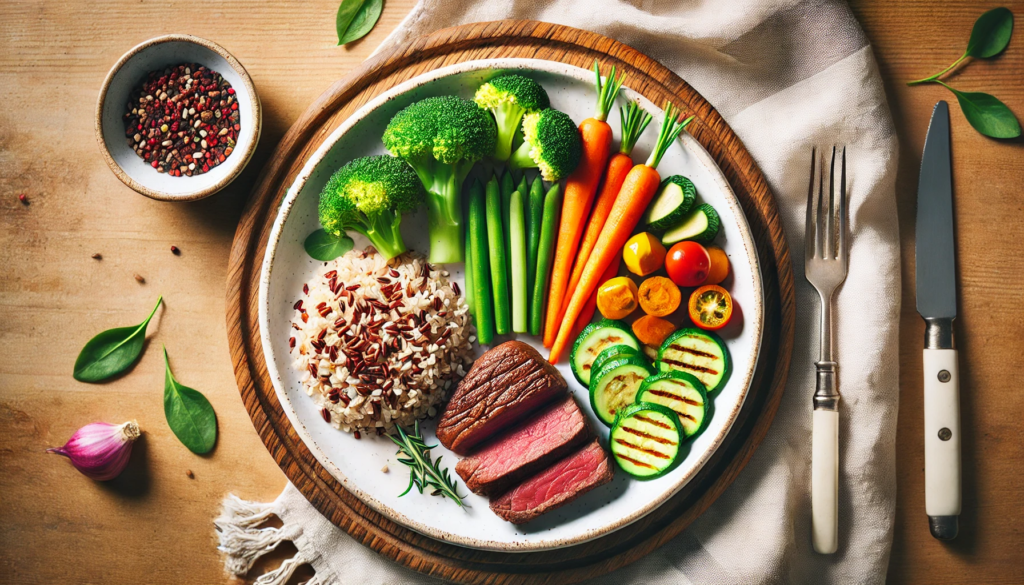
One approach is to treat red meat like a supporting character in your meals, not the star. Many health experts, including the American Institute for Cancer Research, recommend eating no more than 18 ounces of cooked red meat per week. That’s about three 6-ounce servings—more than enough to enjoy without overdoing it.
Choosing lean cuts (like sirloin or tenderloin) and cooking them with healthier methods—such as baking, broiling, or grilling—can also reduce the amount of saturated fat and potential carcinogens you’re exposed to. Meanwhile, cutting back on processed meats is strongly encouraged by nearly every major health authority.
Perhaps just as important is what you’re eating instead. When my dad and I switched to a vegetarian diet, we discovered the variety and richness of plant-based proteins. Beans, lentils, tofu, tempeh, and chickpeas became our new staples. We also leaned into fish, eggs, and occasionally poultry. These options gave us the nutrients we needed—without the discomfort we used to feel.
Final Thoughts
Red meat is neither a superfood nor a poison. It’s a nutrient-dense food that can be part of a balanced diet, but only if it’s eaten mindfully and in moderation. It’s not just about what you eat, but how often and what else you’re eating alongside it.
For me, cutting it out entirely was the right move. It helped me feel better and gave me more energy. But that doesn’t mean everyone needs to make the same choice. What matters most is being informed, paying attention to how your body responds, and making choices that support your long-term health.
If you love a good steak, enjoy it occasionally. Just don’t let red meat dominate your plate—or your week. Try tracking how often you eat red meat for a month. Notice how you feel, your digestion, your energy levels. Sometimes, even a small reduction can make a difference.
Eating well isn’t about perfection. It’s about awareness. And the more we know, the better we can make choices that work for our bodies and our lives.
Another helpful strategy is practicing ‘meatless days’—choosing one or two days each week to focus entirely on plant-based meals. This can encourage variety in your diet and expose you to new flavors, textures, and nutrients that might otherwise be overlooked. Over time, these habits can make a noticeable difference in how you feel, and they also align with broader goals like sustainability and ethical food sourcing. Plus, many plant-based meals are cost-effective and easy to prepare, making it a win for your health and your budget.
Sources
• National Institutes of Health (NIH): https://www.nih.gov/news-events/nih-research-matters/risk-red-meat
• World Health Organization (WHO): https://www.who.int/news-room/questions-and-answers/item/cancer-carcinogenicity-of-the-consumption-of-red-meat-and-processed-meat
• Harvard T.H. Chan School of Public Health: https://www.hsph.harvard.edu
• Healthline: https://www.healthline.com/nutrition/is-red-meat-bad-for-you-or-good
• American Institute for Cancer Research (AICR): https://www.aicr.org/news/diet-cancer-experts-welcome-who-report-on-meat-and-cancer