VS

- The Benefits of Cold Therapy
- The Benefits of Hot Therapy
- Steps to Implement the Contrast Therapy in YOUR Life
- Common Concerns
- Alternative Options
- Expert Opinions
Introduction
As a Division I athlete, we know that pushing our limits in training and competition is essential for success.I myself, who trained and competed for 5 straight seasons at the NCAA Division I level knows how important it is to take care of your body. Not only for athletes, but for everyone striving for a healthy lifestyle, it is extremely important to stay healthy and experiment new ways to take care of the body. However, this relentless pursuit of physical activity and pushing our bodies usually leads to muscle soreness, fatigue, and the need for effective recovery strategies. One method that has gained popularity among athletes and health enthusiasts is hot and cold contrast therapy. Let’s delve into what this therapy entails, how it works, and how it can enhance our athletic performance and recovery!
What Is Contrast Therapy?
Hot/Cold Contrast Therapy, also known as hot and cold immersion therapy involves alternating between hot and cold temperatures to promote recovery. This technique aims to enhance circulation, reduce muscle soreness, and accelerate the healing process. By exposing our bodies to varying temperatures, we can stimulate different physiological responses that aid in recovery. Allowing ourselves to experience immense heat and cold temperatures allows our bodies to become more comfortable working hard in uncomfortable circumstances.
The Science Behind Hot/Cold Contrast Therapy
The alternating temperatures in contrast therapy create a pumping effect in our circulatory system. Heat application causes blood vessels to dilate, increasing blood flow to muscles and tissues. This enhanced circulation delivers oxygen and nutrients essential for healing. According to a Whoop publication in 2023 Switching to cold causes blood vessels to constrict, reducing blood flow and minimizing inflammation. This cycle helps flush out metabolic waste products from tissues and brings in fresh blood with oxygen and nutrients, aiding in recovery. There is a feeling of relief once leaving the cold therapy after already doing a heat session at the same time, this is the reduction of inflammation in the body. Cold water therapy can also have the effect of releasing dopamine in the body.
The Benefits of Cold Therapy

Cold therapy, or cryotherapy, has long been a key element in athletic recovery due to its numerous benefits. It helps reduce muscle soreness by numbing nerve endings, alleviating discomfort after intense workouts. Additionally, Urban Ice Tribe explains cold therapy decreases inflammation by constricting blood vessels, which reduces blood flow to inflamed areas and minimizes swelling. Overall, these effects contribute to enhanced recovery, allowing athletes to bounce back more quickly and return to training sooner.The release of dopamine allows athletes and athletic people to feel a better sense of relaxation and a calm sensation when in the ice bath. Dopamine can be increased by over 250% when doing cold therapy. Often referred to as a feel good hormone, Dopamine being released in the body is part of the feel good feeling. Neurotransmitters as well as endorphins can also be released in the body following cold therapy.
The Benefits of Hot Therapy
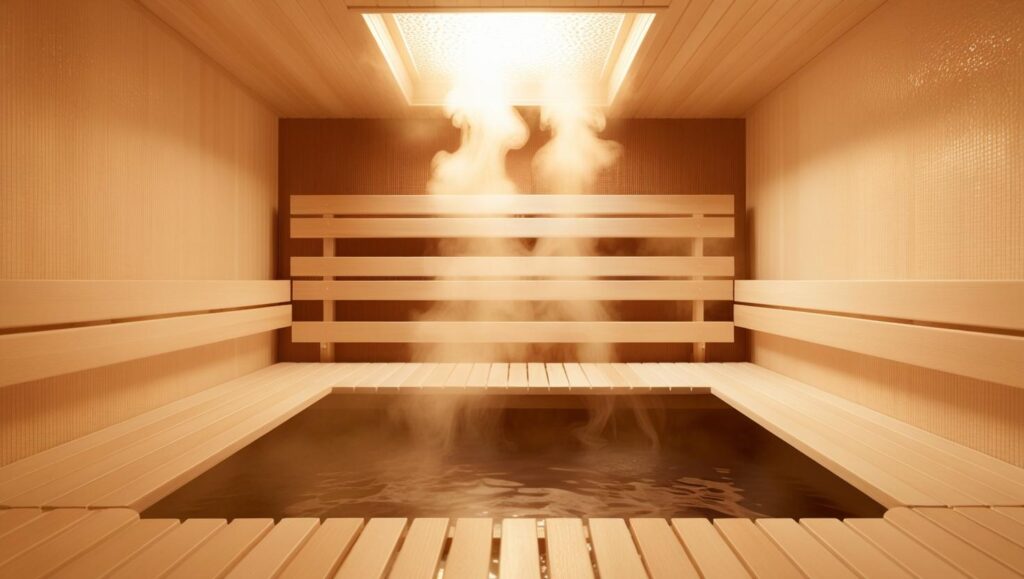
On the flip side, heat therapy offers its own set of advantages, including muscle relaxation, as it helps loosen tissues, reduces muscle stiffness, and promotes flexibility. It also improves circulation by dilating blood vessels, which increases blood flow to muscles and aids in delivering oxygen and nutrients necessary for healing. Additionally, heat therapy provides pain relief by soothing nerve endings and reducing muscle spasms.Other Heat therapy such as red light therapy and infrared usually found in saunas can help with skin cell growth and improve acne. This combination of light and heat also allow for the body to improve mitochondria cell growth within the skin. Some studies even show that starting a weekly routine of at least 5 30-minute saunas sessions a week for the rest of your life can reduce the chances of Alzheimer’s. I myself have experience in Hot therapy as I once worked for a sauna company. Learning the culture of the science, the facts, and how the mechanism works was all part of my success in learning about this great health benefit. I was able to work for a company that aided in assisting people with contrast therapy.
4 steps to Implementing Hot/Cold Contrast Therapy in Your Routine
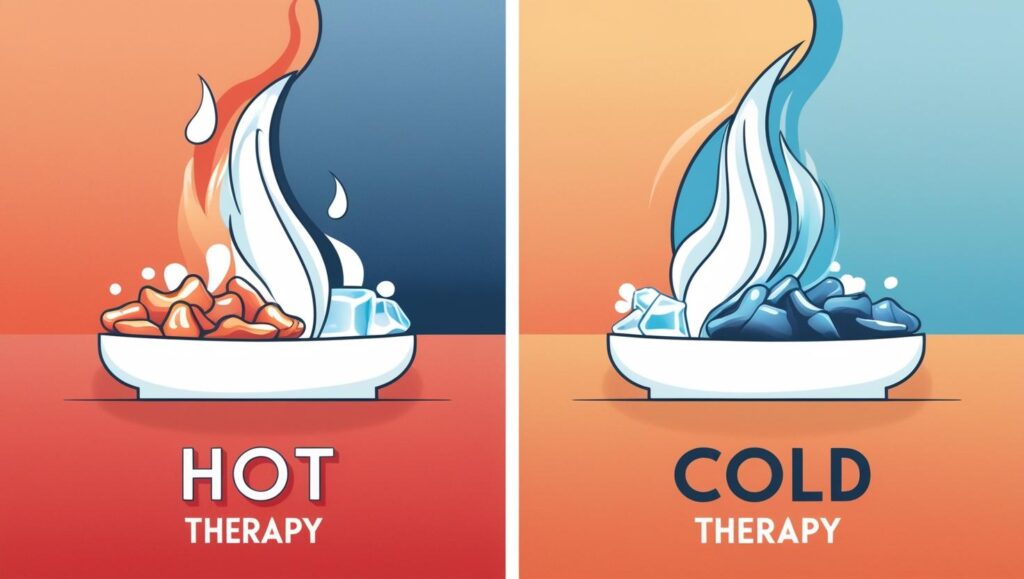
Incorporating contrast therapy into our recovery routine is straightforward:
1. Heat Application – Starting the heat therapy can be tough and exhausting. First starting off in saunas, it is best recommended to start with 5, then 10, then 15 minutes, and if you want to start a nice routine; then a consistent pattern of 20-30 minutes. The heat application in an athlete’s or health enthusiast’s life can start off simply by itself or accompanied by the cold therapy as well, the decisions are made up to the person.
2. Cold Application – The cold therapy is found to be better rooted after a hard workout or after a sauna/heat session. Cold therapy is also good with starting your day off to release dopamine and endorphins. The cold therapy at night allows the body to be least inflamed, allowing for complete relaxation and deep sleep.
3. Contrast Therapy – Combining both therapies together is key for complete body improvement. The “pumping” effect that occurs in the body by going from hot and cold therapy and vice versa is the feeling that everyone is striving towards in this process.
4. Repeat the Cycle
Safety Considerations
While Hot/Cold Contrast Therapy offers many benefits, it’s important to approach it with caution to ensure safety and effectiveness. First, it’s essential to moderate the temperatures used, ensuring they are comfortable and safe, as extremes can lead to burns or frostbite. Additionally, it’s crucial to listen to your body during the therapy; if you experience any dizziness, lightheadedness, or excessive discomfort, you should stop the therapy immediately to avoid further complications.
Overcoming Hesitation: Embracing Contrast Therapy
It’s natural to feel hesitant about trying new recovery methods, especially if we’ve experienced soreness or discomfort after initial workouts. However, embracing hot/cold contrast therapy can be a game-changer in enhancing our athletic performance and overall well-being. Many athletes have found that incorporating this technique into their routine helps them recover faster, reduce pain, and stay injury-free. As a Division I athlete, I was also hesitant towards new recovery methods that weren’t exposed to me in high school. Going through sports in my high school I was not exposed to contrast therapy. It wasn’t until my older brother, another former Division I athlete, showed me contrast therapy. We first started with 15 minutes in a sauna, then got up to 20 and then 30 minutes. I then took on ice baths while at Canisius University during my season. After a hard practice, myself and my one teammate would plunge in the cold water. On weekends at school with the same teammate, we would do contrast therapy at school. Eventually I was able to do a full day of hot/cold contrast therapy during the summer. At first, the body takes time attempting to adjust. However, after keeping a good healthy amount of contrast therapy, you will soon see differences in mental, physical, and athletic ability. Contrast therapy helps with making the human body healthier.
Addressing Common Concerns

As with any recovery method, it’s natural to have questions or concerns about contrast therapy. Let’s address some common ones:
– Is hot/cold contrast therapy suitable for everyone?
- While generally safe, individuals with certain health conditions, such as cardiovascular issues or sensory impairments, should consult a healthcare provider before starting hot/cold contrast therapy.
– How often should I use hot/cold contrast therapy?
- The frequency can vary based on individual needs and training intensity. It’s essential to listen to your body and adjust accordingly.
-Can hot/cold contrast therapy replace other recovery methods?
- hot/cold contrast therapy is a complementary method and should be used alongside other recovery strategies like proper nutrition, hydration, and rest.
Alternative Recovery Methods
Cryotherapy, also known as cold therapy, entails the application of freezing or near-freezing temperatures to the body for therapeutic purposes. This modality functions by inducing vasoconstriction, leading to a reduction in blood flow to targeted areas, which subsequently diminishes metabolic activity, lowers tissue temperature, and alleviates pain and inflammation. Typically, whole-body cryotherapy exposes individuals to temperatures ranging from -100°C to -150°C (-148°F to -238°F) for durations of two to four minutes. citeturn0search6 The proposed benefits of cryotherapy include pain relief, reduction of muscle soreness, and potential improvements in mental well-being.
- Compression therapy employs the use of controlled external pressure to enhance venous return and lymphatic drainage, thereby improving blood circulation and reducing edema in the extremities. This therapeutic technique utilizes devices such as pneumatic compression sleeves or garments that apply intermittent or sequential pressure to the affected limbs. The application of such pressure gradients facilitates the movement of interstitial fluid into the lymphatic vessels, aids in the reduction of swelling, and supports the healing process following injury or surgery.
Active recovery refers to the engagement in low-intensity, dynamic exercises performed post-exercise or competition, aimed at facilitating the recovery process. This approach contrasts with passive recovery, which involves complete rest. The incorporation of activities such as light jogging, cycling, or swimming at a low intensity serves to maintain elevated heart rates, promote continuous blood flow to fatigued muscles, and expedite the removal of metabolic waste products accumulated during strenuous activity. Engaging in active recovery has been associated with reduced muscle soreness, decreased risk of injury, and enhanced overall athletic performance.
Each method has its benefits, and combining them can lead to optimal recovery.
Expert Opinions
Sports medicine professionals recognize contrast therapy as an effective method for reducing muscle soreness and enhancing recovery. Experts highlight that alternating hot/cold contrast therapy boosts circulation, helping to remove metabolic waste and deliver nutrients to muscles, which can reduce inflammation and improve tissue healing. However, the phrase “everything in moderation” also applies to contrast therapy. In a recent publication from Healthline experts advise adjusting contrast therapy based on factors like exercise type, intensity, and the athlete’s individual recovery goals. While beneficial, it may not be ideal after strength training, as it could interfere with muscle growth. Experts recommend using hot/cold contrast therapy as part of a comprehensive recovery plan that includes proper nutrition, rest, and consultation with healthcare providers to ensure safety and effectiveness.

Contrast Therapy Conclusion
As healthy humans and athletes, we constantly strive to improve our performance and recover efficiently. Hot/cold contrast therapy offers a promising approach to achieving these goals. By understanding the benefits and considerations of this method, we can make informed decisions about incorporating it into our recovery routine. As an athlete who has tried these types of therapy, I am always willing to pass on this knowledge I have of it to others. The benefits and feelings I got from my body using contrast therapy are unmatched. Always prioritize our health and consult with professionals when introducing new therapies. Stay strong, stay healthy, and keep pushing the limits!