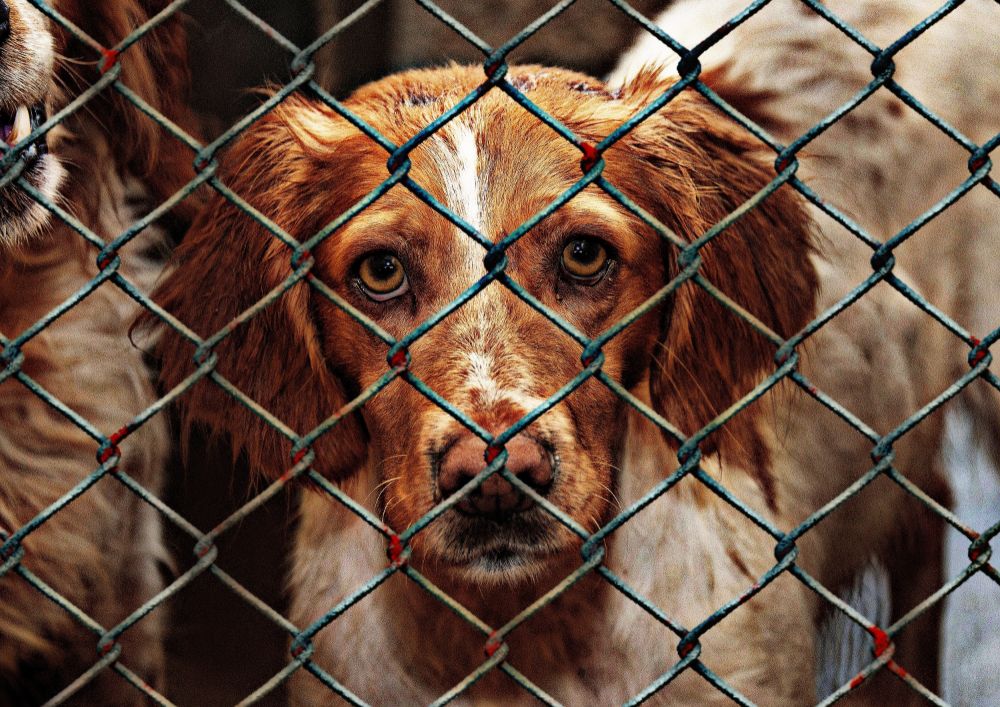
Backyard breeding is the practice of breeding dogs without taking proper precautions to prevent health and behavioral problems in the offspring. Backyard breeders do not adhere to the official breed standards set by the American Kennel Club (AKC).
What is backyard breeding?
Detriments of backyard breeding
How to avoid backyard breeders
What is backyard breeding?
While backyard breeders can have numerous motives for breeding dogs, what they have in common is the unethical and irresponsible breeding of dogs. Backyard breeders may breed dogs for financial gain, because they believe it would be a fun experience, or on accident due to irresponsibly failing to spay/neuter their dogs. They may even believe that all dogs should be bred. In reality, this is not true and all this does is contribute to the growing number of stray dogs and dogs in shelters.
On a small scale, this practice is backyard breeding where breeders sell dogs directly to buyers or online. However, on a large scale this practice turns into puppy mills where puppies are most often sold to pet stores. These puppy mills usually keep both parents and offspring in horrendous conditions. Backyard breeders may also keep unsuitable conditions for their animals.
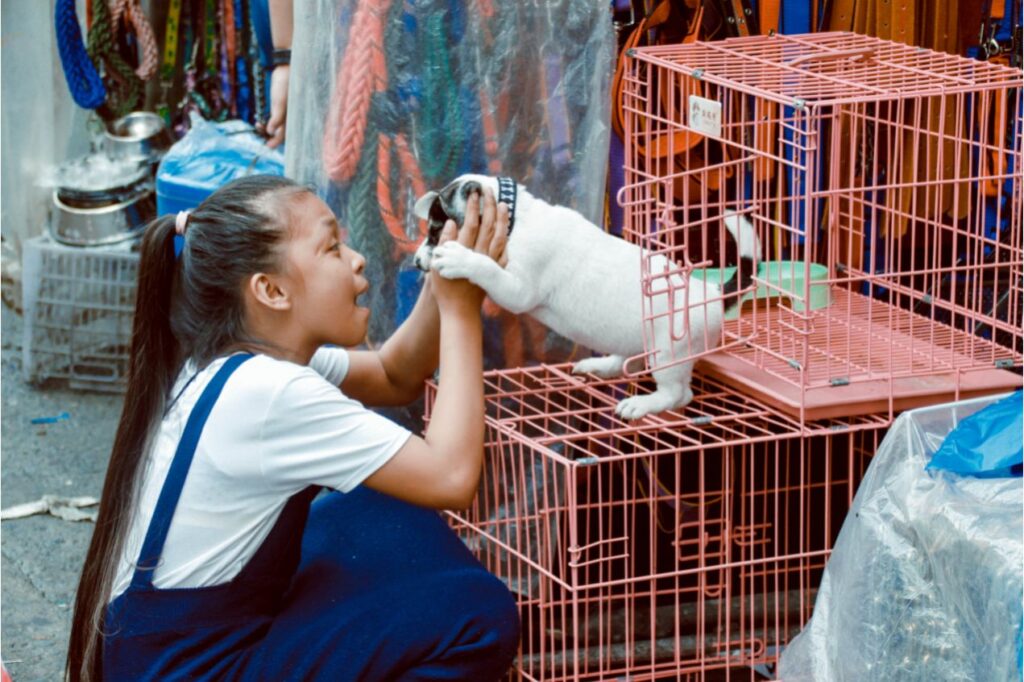
While there are many pets in shelters that need homes, adoption may not always be an option for people looking to get a dog. Adopting a dog from a shelter or rescue can be unpredictable because the dog’s background is often unknown. Purchasing a dog from an ethical breeder can be a great choice for those who want to avoid shelters. If you choose to take this route it is important to do your research and avoid purchasing a dog that was the product of backyard breeding.
Detriments of backyard breeding

The unethical backyard breeding of dogs for financial gain or other reasons can have numerous detriments. As previously mentioned, backyard breeding contributes to the number of dogs in shelters that need homes. This is because, unlike responsible breeders, backyard breeders do not carefully select dogs that will improve the breed. Rather, they irresponsibly breed dogs without considering the dogs’ lineage and health issues.
This can cause both health issues and behavioral issues in offspring. Behavioral problems in puppies due to backyard breeding can lead to puppies in shelters. In addition to health and behavioral problems in individual litters, the large number of backyard breeders perpetuates these health and behavioral issues in the dog breed as a whole. Backyard breeders also frequently inbreed dogs, which causes a lot of health issues in offspring.

Backyard breeding often involves overbreeding female dogs or breeding dogs too young. This is very harmful to these dogs and causes them unnecessary suffering. Backyard breeders are often uneducated or do not care about the well being of the animals, so they may keep their dogs in poor conditions. It is important to combat the problem of backyard breeding by supporting only ethical breeders. Ethical breeders really care about the dogs they breed. They always provide adequate conditions for their dogs and do not overbreed their female dogs like many backyard breeders do.
How to avoid backyard breeders
There are many signs that a breeder may be a backyard breeder. First, backyard breeders do not make any effort to adhere to breed standards. Ethical breeders will always breed dogs that are registered with the American Kennel Club (AKC). They do this in order to carefully track their dogs’ lineage. Tracking the lineage of the dogs allows the breeders to track any health issues that exist in any of the dogs that are considered for breeding. Ethical breeders will not breed dogs that have health issues because they practice selective breeding and only breed to maintain and improve the dog breed.

Backyard breeders completely disregard this aspect of dog breeding. They do not track the dogs’ lineage because they are uneducated about breed standards. They are usually only breeding the dogs to make a profit, regardless of the health of the offspring. If the mother and father of the puppy you are looking into buying are not registered with some sort of organization (usually the American Kennel Club (AKC)), you are most likely buying from a backyard breeder. Unregistered dogs is one sign to avoid buying from this breeder, as they are most likely not considering the breed standards and potential future health issues when they are breeding their dogs.
Another sign that you are dealing with a backyard breeder is that the breeders will sell puppies to people online without ever meeting the prospective buyers. Any dogs being sold on a website such as Craigslist or Facebook Marketplace are certainly coming from an irresponsible breeder. The internet can be used as a resource to find the contact information of reputable breeders, but ethical breeders would never sell a dog over the internet.
Ethical breeders will require plenty of contact with potential buyers. They will only sell puppies to good potential homes and usually require background or home checks before selling a dog. Responsible breeders often try to match puppies to homes based on the best fit for the puppies temperament. They do this to try to prevent the puppy from being re-homed and to provide the best life possible for the dog and the owners.

However, if the dog is not working out in its new home, ethical breeders will always accept dogs back. Responsible breeders always make themselves available as a resource to adopters in case they need any advice. They can often recommend other helpful resources owners may need such as veterinarian or dog trainers.
On the other hand, backyard breeders do not allow dogs to be returned to them because they do not have the best interests of the dog and its adopters in mind. These breeders are really only interested in making a profit, or they do not have adequate resources to accept returned puppies like ethical breeders do. They generally do not make themselves a resource that the owner can reach out to with any questions or concerns.
Ethical breeders generally require puppies to be spayed or neutered in the future to prevent them from being bred irresponsibly. It is usually not possible to spay and neuter puppies before they go to their new home because they are so young. Therefore, responsible breeders often utilize contracts that require desexing of the puppies once they reach an appropriate age. Backyard breeders have no such concerns and do not care what buyers do with their puppies.

Ethical breeders will never put their puppies in pet shops. Any puppy available for purchase in a pet shop most likely came from a puppy mill. For this reason, buying puppies from pet shops should be avoided at all costs.
Responsible breeders do not overbreed dogs and they work closely with veterinarians to provide the best care for the mother dog and the puppies. For this reason, ethical breeders usually use waitlists and only breed their dogs when they are sure there is demand for puppies to prevent overpopulation. With backyard breeding, dogs are often overbred and breeders are usually looking for buyers because they are breeding for profit, without considering demand.
In sum, to avoid supporting backyard breeding you should avoid any breeders who do not register their dogs and track the dogs’ lineage to avoid health problems in offspring. You should avoid buying any puppies that are being sold over the internet and avoid breeders that do not require any personal information or any sort of home check from a potential buyer. You should be adopting from a breeder that recommends a dog to you based on the dog’s personality and would allow the puppy to be returned to them if there were an issue. Lastly, you should not buy from a breeder that would be okay with the dog being bred in the future.
It is important to remember that while you do not want to support backyard breeding, there are already a lot of dogs in shelters or otherwise that were the product of backyard breeding and these dogs deserve homes as well.