- What to eat before a morning run with start time of 10-30 minutes after waking up
- What to eat before a morning run with start time of 45+ minutes after waking up
- What to drink before a morning run
- Early morning run and stretching
- What to eat after a morning run
Morning runs can be relative. A morning run can start 10 minutes after getting out of bed, or it can be hours upon waking up, after you have had breakfast, walked the dog, and checked emails. Although it takes the body roughly 3 hours to be fully awake, later morning is the optimal time to maximize physical performance. Not everyone can get an exercise break before lunch, so because of that, let’s focus on what to eat before a morning run.

What to eat before a morning run – start time 10-30 minutes after waking up.
There are a lot of articles out there with very elaborate recipes for pre-workout meals. More often than not, they are nutritious, easy to make, and but not adequate for running as soon as you can get out of the door. Pancakes, granola, flapjacks are all great for late morning workouts, given how long they take to digest. What are the two main electrolytes lost when exercising? Potassium and sodium.
For that reason, given the common knowledge that bananas are packed with potassium, their easily digestible properties make them your best option to not feel bloated throughout your workout. Early morning workouts already take a lot of willpower so why not learning about what to eat before a morning run so you will have adequate energy throughout the workout? You don’t have to reinvent the wheel, just follow the formula:
Going for a run in T-minus 10 minutes upon waking = 1 glass of cold water* + 1 banana
*cold water has a faster absorption rate than room temperature water.
What to eat before a morning run – start time 45+ minutes after waking up
Once you hit the pavement after 30 minutes of waking up, that is when more options open up. This timeframe is usually when I go for a run, and after years of trial and error and taking the advice from books, articles, and tips from my coaches, I narrowed it down to what works best for me in regards to what to eat before a morning run. This is a point I would like to underscore because not everyone has the same athletic level. With a 30+ window between waking up and beginning my run, what I consume is contingent upon the type of run I intend to have and what I had eaten the night before.
Running a sub-7 minute pace is very strenuous for me. When I go that fast, I follow the same routine described above because you can never go wrong with bananas and cold water for anaerobic threshold exercises. But if I am doing a longer steady-state workout (1hour-2hours), one banana isn’t enough, and after 1 hour, my sugar level plummets, compromising my pace. Enters one of the best pre-workout foods – our beloved oatmeal!
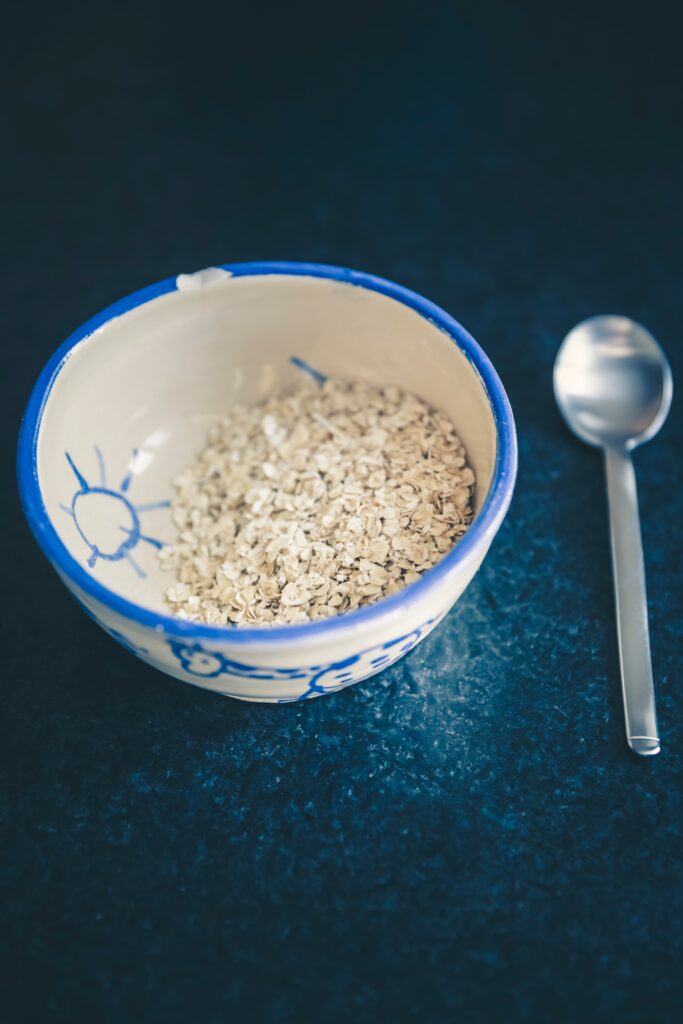
Whether I am eating prior to taking the SATs, G-MAT, a 2-hour+ meeting, or going for a long run, nothing beats oatmeal. It takes longer to digest than bananas, but once it does, it sticks like nothing else. But remember, the more processed the oatmeal, the more sugar it has. So instant oatmeal, while it may taste sweeter than oats that require 5 minutes to cook, does not give you the best fuel to run at your coveted pace. The least processed one (steel cut) is ideal, but other types of oatmeal that require some cooking time are also acceptable.
The variable to consider is the meal from the night before. Carb loading before a race was first introduced to me in High School, and it was undoubtedly encouraged in college. If you have had a big bowl of pasta, potatoes, sweet potatoes (another starch that every athlete should regularly consume) the night before your run, you will be more likely to need to consume less food the morning after. Time of the meal the night before, the quantity of food consumed, and time elapsed between waking up and going for the early morning run are all variables to should be factored into the equation.
What to drink before a morning run
Whether or not an early morning run is on your schedule hydrating with water is essential. Countless studies have shown that coffee increases endurance when running by tricking the brain into thinking it is not tired. It is tricky to utilize this effect tool from the toolbox if you start running in less than 30 minutes upon waking. In this scenario, 1 cup of water, one banana, plus a cup of black coffee may be too much for the digestive system.
However, with a 40-minute window, the body will have enough time to absorb the water, go through the initial stages of digesting the banana, and release the caffeine into the bloodstream. Once again, cold beverages are absorbed faster, so cold black coffee is the best pre-workout drink since sugar, milk, or cream do not generally sit well before running.
Early morning run and stretching
Exercising without stretching is like a time bomb waiting to happen. It’s astonishing to me how many people I have seen at gyms who never stretch. They pay close attention to their macros, when to focus on bulking season and when to lean, but unbeknownst to them, poor range of motion is waiting for an injury to happen if you amp up the weight too much and too fast. The great thing is that runners are much more in tune with this crucial exercise component than people in the weight room.

There are countless articles and videos on stretching after a workout; however, stretching before can be tricky even more so if you start running immediately after waking up. In this case, the best thing to do is dynamic stretches. Think circular movements. By that I mean, do 20 circular motions with your ankles, legs, hips, arms and neck. This way, it will help with range of motion without putting too much stress on cold muscles, which would happen with static stretches.
What to eat after a morning run
Once again, there is a plethora of information on nutrition for recovery out there. After a few articles, you can notice the same foods being repeated over and over again. However, there are a few that are true gems worth mentioning. Arguably, the best thing to consume immediately after a run (I usually start sipping as I start stretching) is chocolate milk because it has the perfect ratio of 4:1 protein to carbs, which is excellent for recovery.
I am lactose intolerant, plus I reckon that we all need to start relying less on cows due to climate change collectively, so almond milk and coconut milk are fantastic alternatives. Since it is less processed, chocolate powder (Nesquik is my favorite) is preferable over chocolate syrup. One last food post exercising that I think not enough people talk about is the power of beets! Aside from being nutrient powerhouses, they are unique because they contain nitrates, which aid in widening blood vessels – perfect for transporting oxygen to the muscles when running.