
This page seeks to educate and inform pet owners about the benefits of feeding a holistic dog food diet. It also identifies bad ingredients found in dog food, and explains why most veterinarians recommend feeding certain brands that include those bad ingredients to your pet.
Table Of Contents
- What does ‘holistic’ mean?
- The benefits to feeding a holistic diet
- What are you really feeding your dog?
- Bad ingredients in dog food
- What is extrusion?
- Types of holistic pet diets
- Which diet is right for my pet?
- How much is this going to cost me?
- Do veterinarians know anything about dog nutrition?
- Why do veterinarians recommend and sell bad food?
- Testimonials
- Frequently Asked Questions
What Does “Holistic” Mean?
The definition of “holistic’ means fixing the root of a health problem rather than getting rid of just the symptoms. In the pet food industry, it implies whole-body health. Holistic dog food is a balanced diet which not only provide dogs with optimal nutrition but it also supports their overall well-being.
An Example of How A Holistic Dog Food Diet Can Be Beneficial
If your dog’s hair is dry and flaky, there are many shampoo products out there that promise a smooth and silky coat. The shampoo may fix the symptoms but there could still be an underlying cause of your dog’s dry skin. Your dog could be allergic to an ingredient or food coloring in his food. Your dog could also be deficient in nutrients such as omega-3 fatty acids. No matter what the condition is, feeding your dog a holistic dog food diet will get to the root of the problem as it contains a wide array of vitamins and minerals for their nutritional needs.
The Benefits To Feeding A Holistic Dog Food Diet
Holistic dog food is completely balanced and provides your dog with the nutrients they need for their overall health and well-being. It is made from high-quality, human-grade, natural ingredients such as whole grain rice (which provides energy), real meat (from quality sources), antioxidants (for a strong immune system), vitamins & minerals (for strong bones and a healthy heart), probiotics (to help support the digestive system and provide easy absorption of nutrients), digestive enzymes (which help break down carbohydrates, protein, and fats), omega-3 fatty acids (for a shiny coat), natural fiber (aids in digestion and keeps stools ‘regular’), herbs (helps inflammation), and other beneficial nutrients. Although holistic dog food is much more expensive, it will save you money in the future by avoiding high veterinary bills and visits.
What are you REALLY feeding your dog?
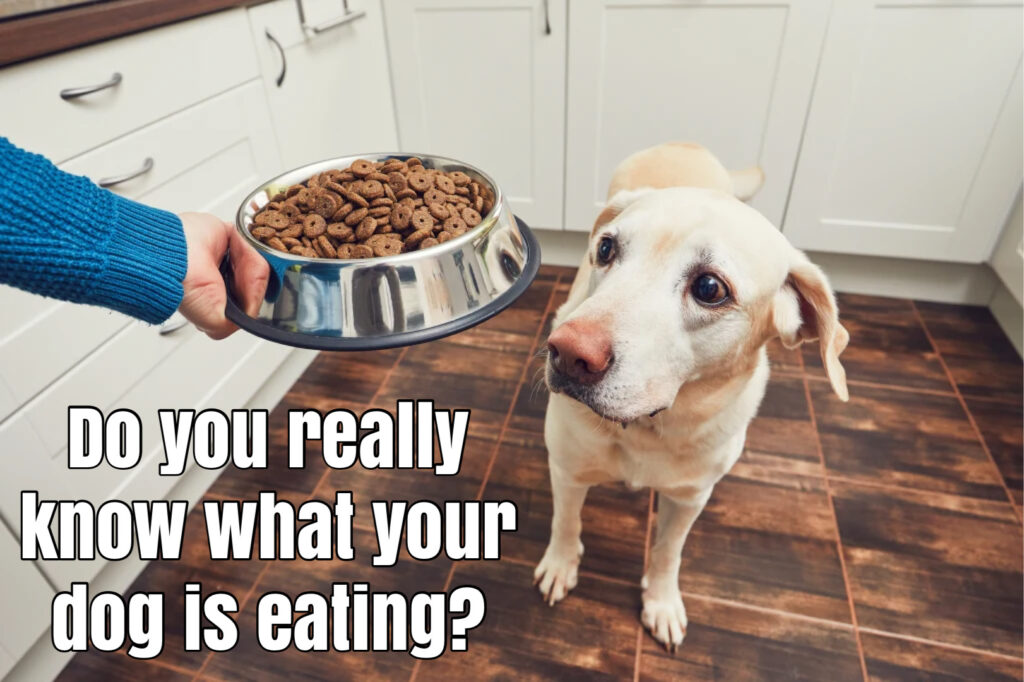
When it comes to our pet’s diet, some owners could care less as they will opt for the cheap, low-cost food before buying the expensive healthy one. The cheap food bought is loaded with super harmful ingredients like gums and meals that can be fatal to your animal. They are also loaded with carbohydrates and are super low in animal source protein. Most brands use protein from plant sources as that is the cheaper alternative to using an animal sourced protein. Both grain and grain-free diets use mostly plant source options for protein. Dogs are meat eaters and need their protein to come from animal sources. For optimal nutrition, dogs should follow a prey diet.
Why Aren’t Carbohydrates Listed On Dog Food Labels?
Dogs have no nutritional requirement for carbohydrates, yet most dog foods are nearly 50% carbohydrates. Carb content is not even listed in the guaranteed analysis of any dog food brand. AAFCO (Association of American Feed Control Officials) requires pet food makers to tell you some basic details about the food such as protein, fat, and ash (minerals) content. This is because dogs need nutrients to survive, but they do not have to tell you how much carbohydrates are in the food since dogs have no need for them. Most brands average between 40%-60% carbohydrate content. High carb content can lead to diabetes and other health issues for your pet. If you want to figure out the percentage of carbohydrates in your dog’s food, simply add up the percentages in the guaranteed analysis section and then subtract that number by 100. The resulting sum is the carb content percentage.
Bad Ingredients In Dog Food
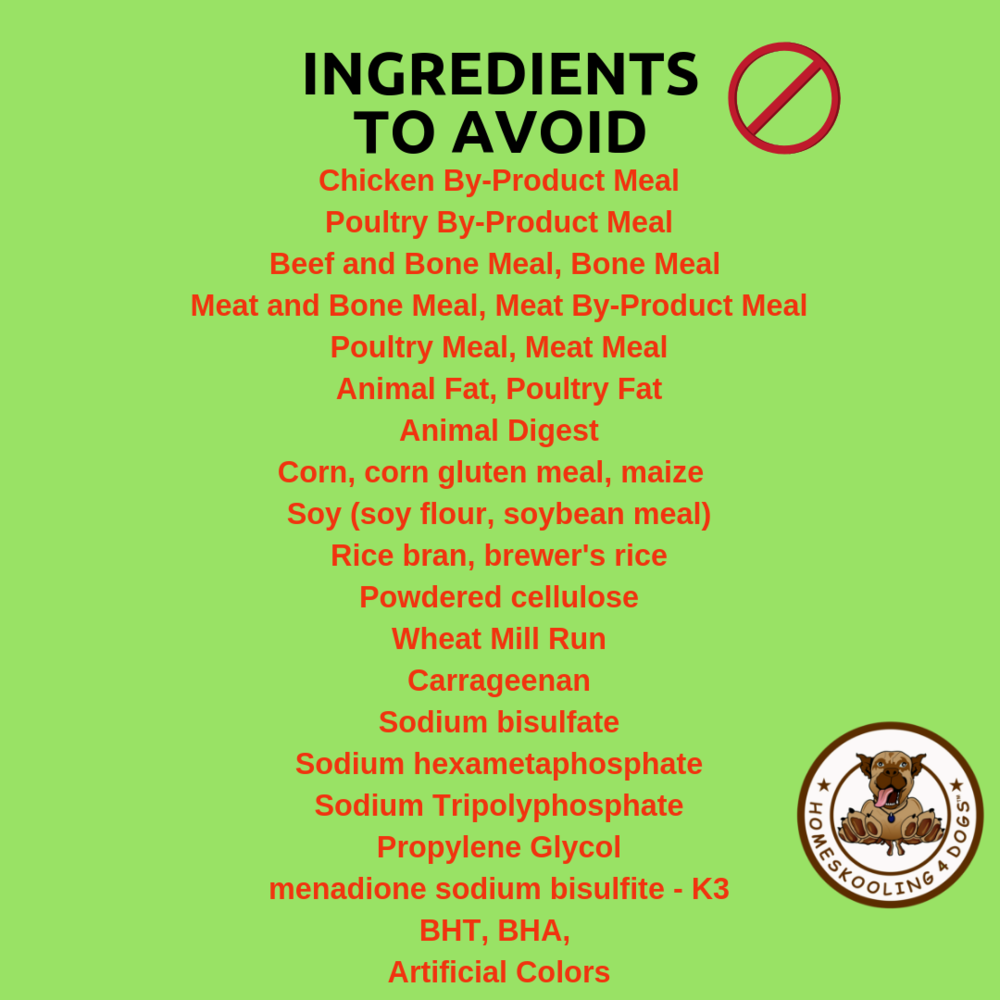
Low-cost pet food have many harmful chemicals in them that are added as preservatives such as BHA (Butylated Hydroxyanisole), BHT (Butylated Hydroxytoluene), and Ethoxyquin (found in fish meal). All of these chemicals are carcinogenic and are linked to health problems such as cancer, immune deficiencies, and kidney and liver damage. Aflatoxin B1 is another carcinogenic ingredient that is found in low-cost dog food. Food coloring is also found in low-cost food brands and is linked to causing allergies, hyperactivity, and even tumors in your pet.
Why Are Bad Ingredients In Dog Food?
Low cost brands are loaded with harmful ingredients such as bone meals, by-products, thickening agents (such as gums), food coloring, fats, and fillers (such as corn and rice.) These ingredients are cheaper for the manufacturer compared to the real nutritional ingredients which are pricier. The above bad ingredients can cause cancer and other health issues.
By-products are the result of the rendering process and contain dead animal carcasses (sometimes whole) from slaughter houses (that were not killed by slaughter), ranches, feedlots, and other facilities. Low cost brands are also regularly recalled for various reasons (none of them good.) Manufacturers include rendered animal fat for the purpose of flavor enhancement since extrusion cooking removes it. However, this additive is a source of Salmonella and other toxins such as heavy metals. Rendered products also contain meat from sick and or euthanized animals as well as expired meat from grocers. Another contaminant to be aware of is pentobarbital, which is an anesthetic used to euthanize animals. The FDA (Food and Drug Administration) has no regulation over what goes into pet food.
The Significance Of Gums And Bone Meals In Pet Food
As if toxic ingredients are not bad enough, there are also several types of gums and meals in pet food. Carrageenan gum is derived from red algae seaweed and it is the most harmful gum for your pet. It is added to pet food as a thickening agent as it maintains the form and texture of dog food. Pet owners need to steer clear of any food containing this gum as it is a carcinogen. It causes gastrointestinal inflammation, lesions, ulcers, malignant tumors. It can also cause colon cancer.
Guar gum is derived from legumes (guar beans) and it is just as bad as carrageenan gum. It is used as a thickening agent and additive to make pet food appear fresh and gelatinous. It can cause gastric distress as well as inflammation. At high doses, it can cause blockages in the esophagus and intestines.
Xanthan gum is often found in canned food. It is a thickening agent and stabilizer that keeps the ingredients from separating. It also keeps the food moist. At high doses, it can cause diarrhea.
Bone meals are ground up bones from various sources. They are dangerous because they can build up over time and cause a blockage in the digestive system. A blockage can cause various symptoms such as constipation and pain during defecation (passing stool.) The worst case scenario is that the blockage will require surgery by a veterinarian to resolve the issue. Bone meals also pose a risk of infection and contamination.
Other Toxic Ingredients
Propylene Glycol (PG) is a moistening agent found in some wet dog foods and treats. It is chemically derived from ethylene glycol (EG) which is antifreeze and extremely toxic to animals. Owners should avoid buying dog food that has any of these harmful ingredients in it. Feeding our pets sub-standard quality food with toxic ingredients in it can cause both short and long-term health issues. One should also avoid food with high amounts of corn and rice as this can cause the pet to bloat, have diarrhea, and gas.
Extrusion: The Dry Dog Food Process
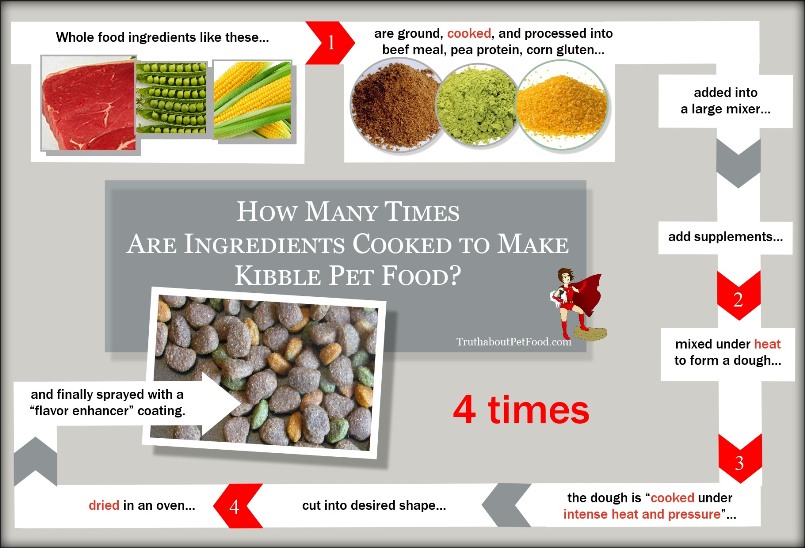
All dog food companies label and market their brand as having good-for-your-dog ingredients but most companies do not tell you how their dry dog food is made. Pet owners only see the finished product. Dry dog food is made by a process called extrusion. Ingredients are ground down and mixed to create a dough.
Extrusion is a process that takes this doughy mixture and force feeds it through a machine that exposes it to extreme pressure and extreme temperatures that cook it before being shaped and cut through a die. Once cooled, the kibble is enrobed which is a process that sprays a combination of rendered fat and flavor onto the dry food before being bagged and sealed to protect the oil from becoming rancid.
Extrusion has been around since the 1950’s. It is the cheapest and quickest way for companies to mass produce large amounts of pet food. The cost of this convenience is your pet’s overall health and well-being since extruded food damages key nutritional benefits due to the way it is processed. Ultimately, the three questions pet owners need to ask is what is in the food, how is it cooked, and what temperature is it cooked at.
Extrusion video exposed
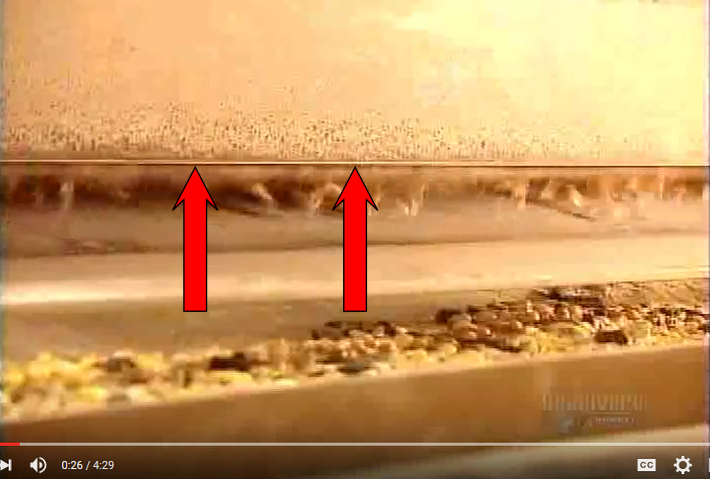
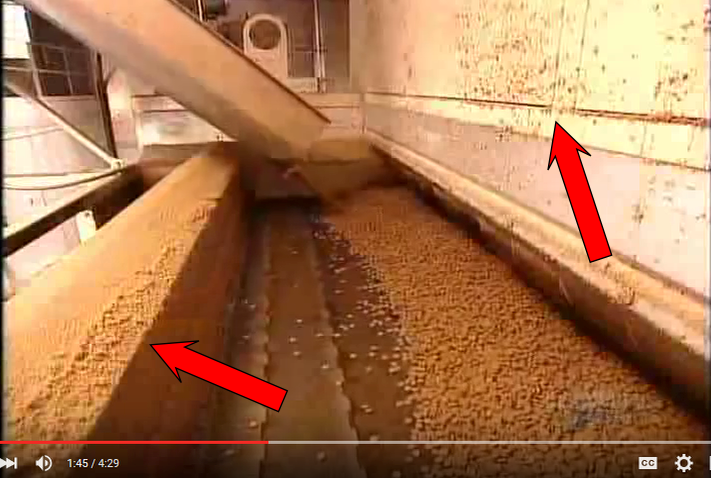

Pet food manufacturing facilities are rarely inspected but when they are, in most cases they are alerted of the inspection in advance which gives them plenty of time to clean. This video stated at the end “Pet food experts say dogs and cats prefer food with a fattier content and a combined meat and cereal formula over just cereal alone. But too much meat flavoring can turn them off.” Too much ‘meat flavoring’ WOULD ‘turn off’ a pet, however REAL meat found in a holistic dog food diet would not.
Types of Holistic Dog Food Diets
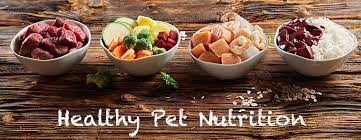
There are several different types of holistic dog food diets all of which are completely balanced unless otherwise noted. The one thing these types of holistic dog food diets have in common is that they are all comprised of natural and human-grade ingredients. None of them are feed-grade or low quality diets.
Fresh Raw Holistic Dog Food
Air-Dried Raw Holistic Dog Food
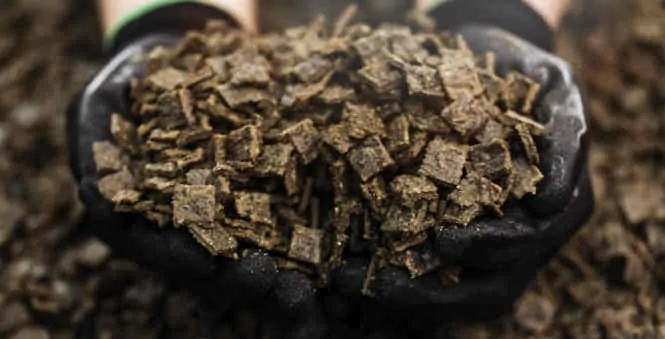
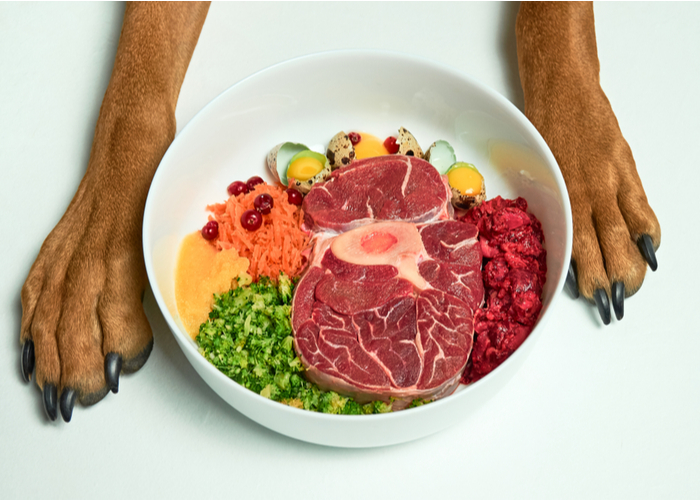
It can be expensive to feed depending on the breed size due to small quantities packaged and the brand. (Image source: Ziwipeak.)
Freeze-Dried Raw Holistic Dog Food
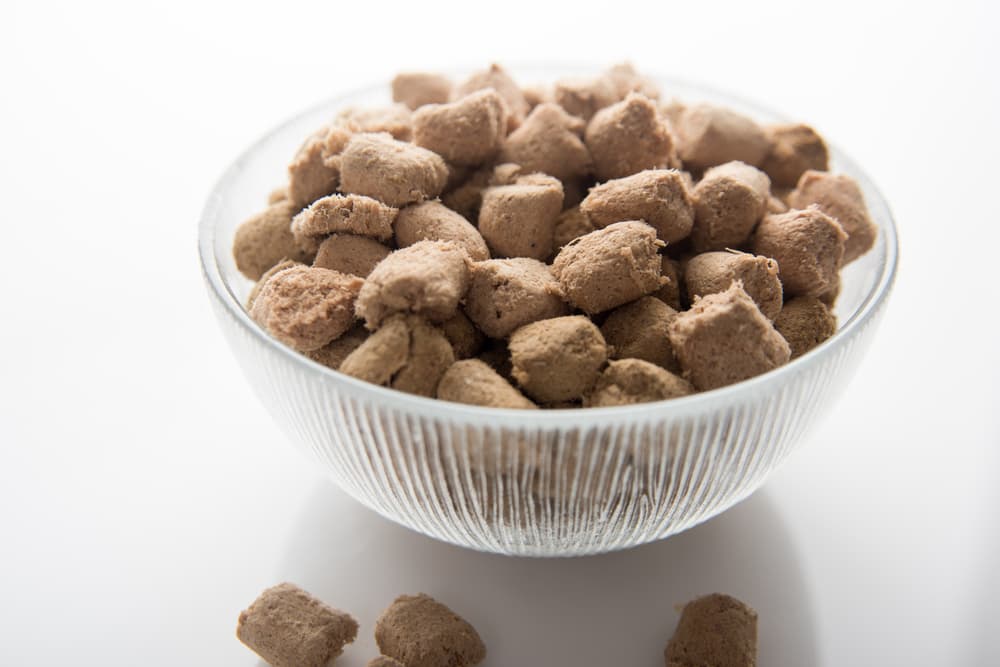
There is little to no prep involved. It is convenient for travel, training, and can be used as a topper or as a healthy snack. It can be expensive to feed as the sole diet depending on the breed size due to small packaged quantities.
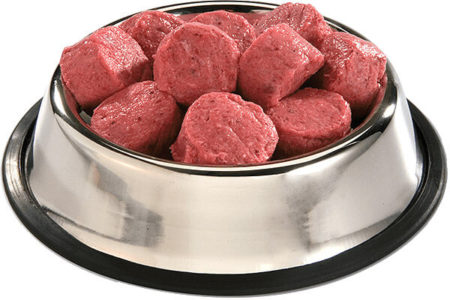
Frozen Raw Holistic Dog Food
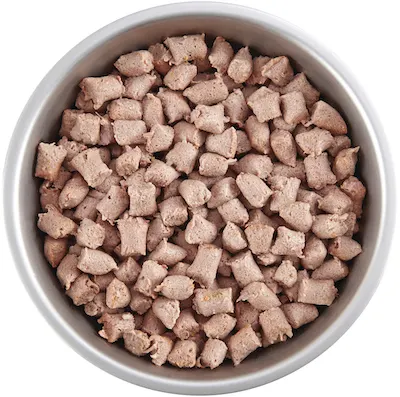
Dehydrated Raw Holistic Dog Food
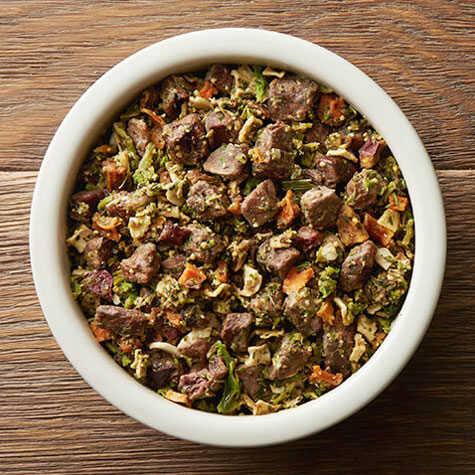
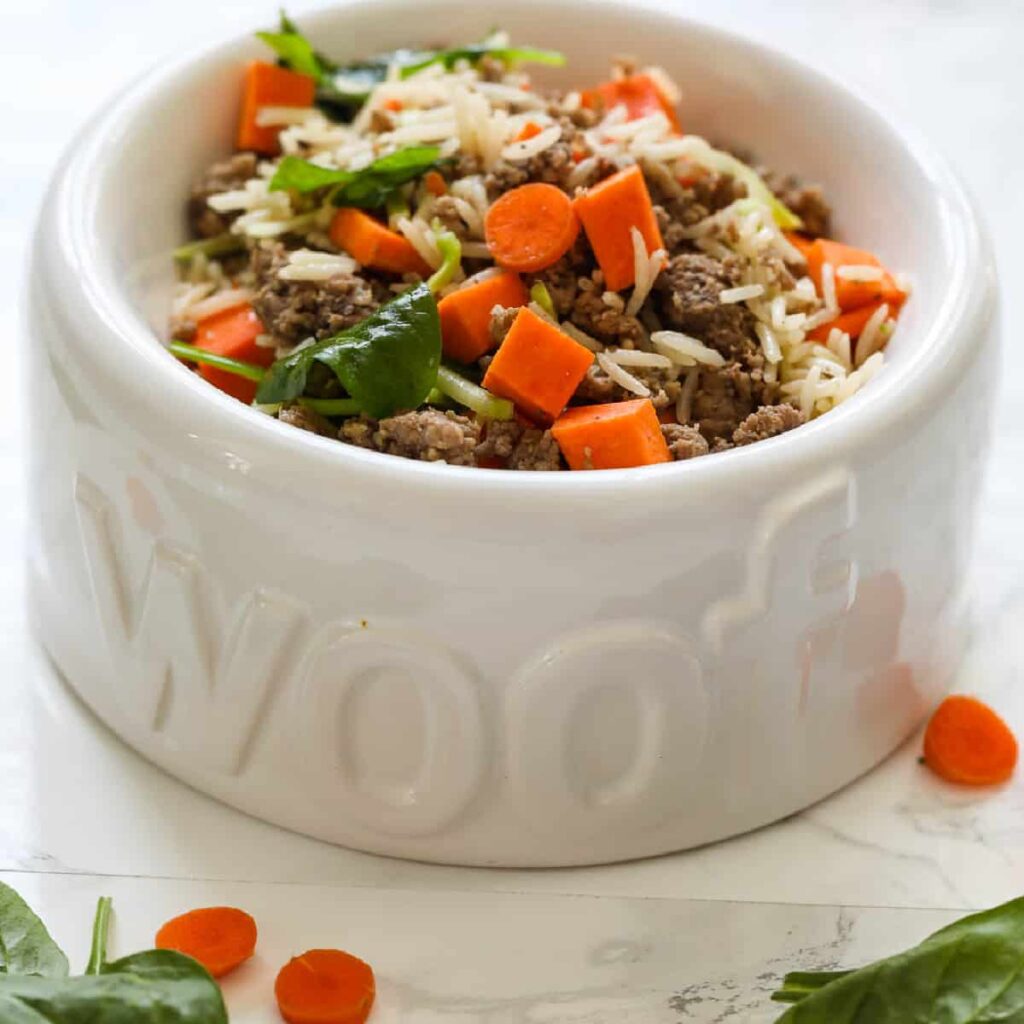
Homemade Holistic Dog Food
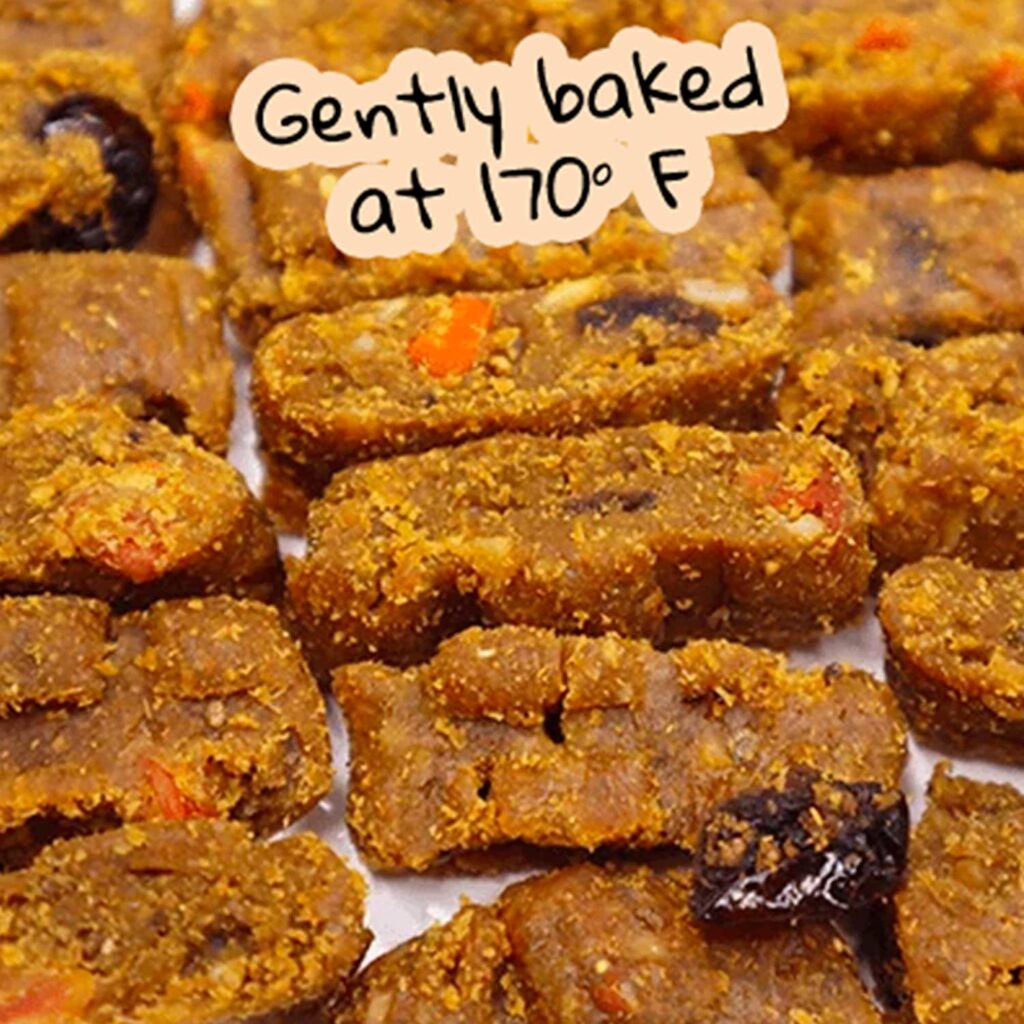
Gently Baked Raw Holistic Dog Food
Which Holistic Dog Food Diet Is Right For My Pet?

Finding the right holistic diet that is going to work for your pet is not easy, nor cheap. The easiest way to find out is to know what ingredients your pet does not like or may be allergic to. Some examples of ingredient allergies include potatoes, starches, peas, and rice. Most dog owners already know what ingredients do not get along with their dogs tummy, however if you don’t, your dog will let you know in the form of runny stools (diarrhea) typically. Once you know what ingredients your pet does not tolerate well, it is a lot easier to narrow down a brand or type of diet that may work for your dog.
You can also take your dog to a nutritionist if your veterinary office has one on staff. The nutritionist will conduct a test to find out what ingredients your dog is allergic to. It is a costly test, but it does yield accurate results.
What If My Dog Can Only Eat Wet Food?
If your dog can only eat a wet dog food diet, make sure to buy a high quality wet food that does not include binder or additive ingredients such as gums or bone meals. The owner should also make sure the can is BPA free as some brands cook their food sous-vide style inside the can. Sous-vide is the technique of cooking ingredients in a vacuum sealed pouch at a low temperature for a long time.
Freeze-Dried Raw Can Be Used As A High Quality Wet Holistic Dog Food
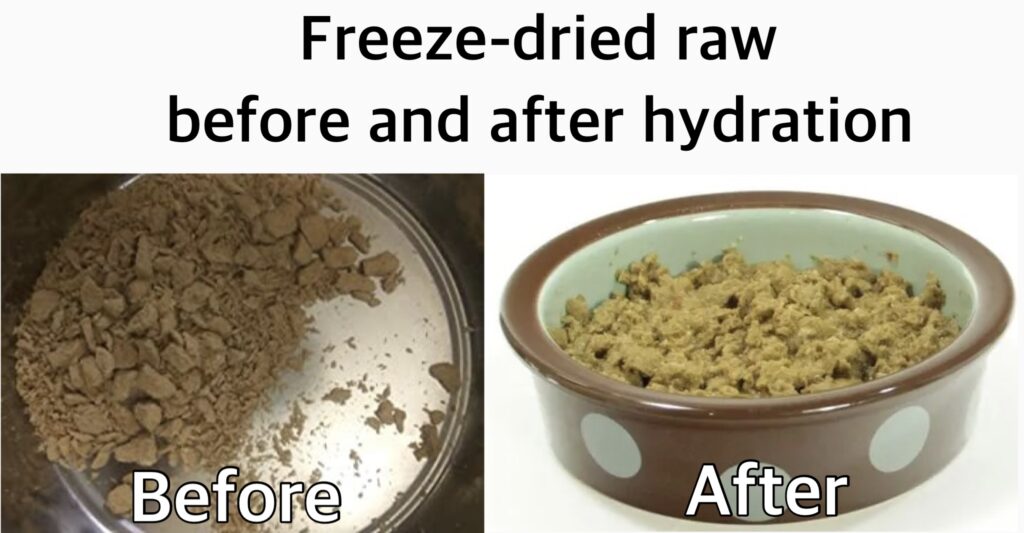
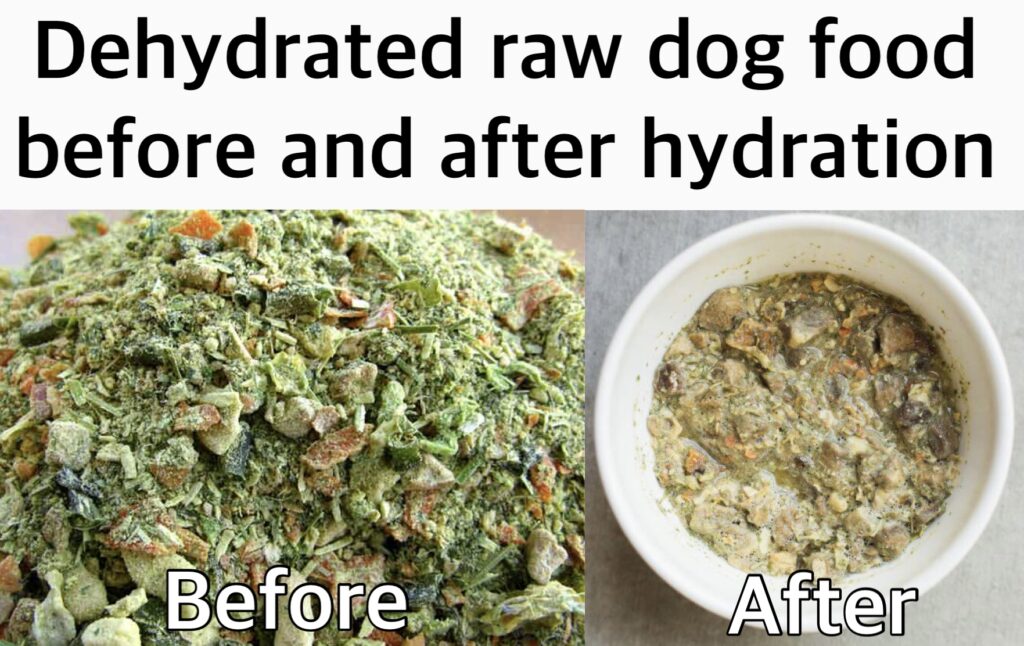
If you want to skip the expense of buying cans, you can also hydrate freeze-dried raw dog food with a little water. Bone broth or raw goat’s milk can also be used for hydration which will also fortify it. Doing any of these hydration options would be a high quality wet dog food alternative. Hydration will make the consistency slightly soupy and finer compared to using a dehydrated raw which would come out more chunky and hearty.
I Have Found The Right Diet, Now What?
When you have found the right diet that works for your dog, make sure you stick to it. If you are feeding a raw diet, treats also have to be in raw form. You cannot mix it up and give him a cooked treat or biscuit when feeding a raw diet. Think of it like this, someone who eats a gluten-free diet and then eats a food with gluten in it can go into gluten shock. Feeding a raw diet is the same level of sensitivity.
How Much Is This Going To Cost Me?

Holistic dog food diets can be expensive depending on the daily feeding requirements of your dog’s breed as they are based on their weight. It is cheap if you own small breeds but can be very expensive if you own medium to large breeds. Another issue to factor in is that most holistic diets unfortunately come packaged in small quantity sizes. The cheapest holistic diet will be a dehydrated raw or a gently baked food. The most expensive holistic diets tend to be freeze-dried due to small quantity sized packages.
Dog Food Subscription Services
If you want good food with little to no prep, you can subscribe to a service. There are many out there such as The Farmer’s Dog, Nom Nom, or Spot & Tango just to name a few. Dog food subscriptions are mailed to you, but you are at their mercy if you run out of food before the next shipment arrives as no store sells what they provide. Food arrives cooked but frozen, so thawing is required. Subscriptions tend to be on the expensive side and not all services offer free shipping and handling. Their one benefit is the caloric intake has already been figured out for you.
Do Veterinarians Know Anything About Dog Nutrition?
Quite frankly, no, vets do not, because they receive very little education in nutrition. Vets are taught and sponsored by pet food companies like Hill’s aka Science Diet. The Hill’s Company was the first to spot the lucrative potential of getting their product into veterinary offices. They got their foot in the door and kept it there through clever marketing.
To get the medical folks on board, pet food companies like Hill’s team up with university veterinarian programs and are the people teaching the veterinary nutrition courses at universities. They provide free or subsidized food to veterinary students. They sponsor veterinary association conferences and run ‘pet health counselor’ courses for veterinary staff. They also provide programs for veterinarians and the entire clinic staff to purchase pet food for themselves at discounted rates.
Why Do Veterinarians Recommend And Sell Bad Food?
Deteriorating pet health with food-related allergies and chronic diseases, ear (yeast) infections, diarrhea, and vomiting are at the top of the list as reasons for a vet visit. The prescription or veterinary diet foods are a form of marketing that consumers need to question. These diets are loaded with bad ingredients. Vets recommend this food as being great but they are the complete opposite of being great. It is no wonder when pets do get sick or an upset stomach why vets recommend a ‘bland whole food diet’ such as chicken and rice; it is gentle on their stomachs and makes them feel good. Once they start feeling better, the vet recommends to wean them gradually back to their regular food. It is just a matter of time before your pet’s tummy gets upset again, where you find yourself back at the vet repeating the whole process again.
Who is Mark Morris?
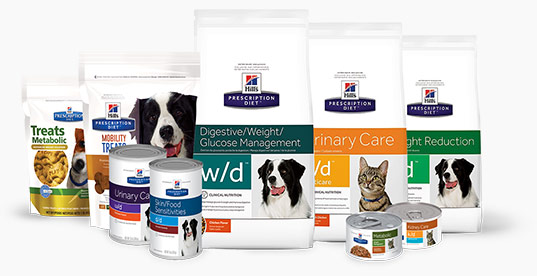
The textbook used in nearly every pet nutrition course in every veterinary school, Small Animal Clinical Nutrition, is written by the Mark Morris Institute. Dr. Mark Morris Sr. is the founder of Hill’s Pet Nutrition (Science Diet is their non-prescription diet line). Morris’ son endowed the Institute in his father’s honor in keeping with the company’s marketing strategy of using veterinarians to market their food.
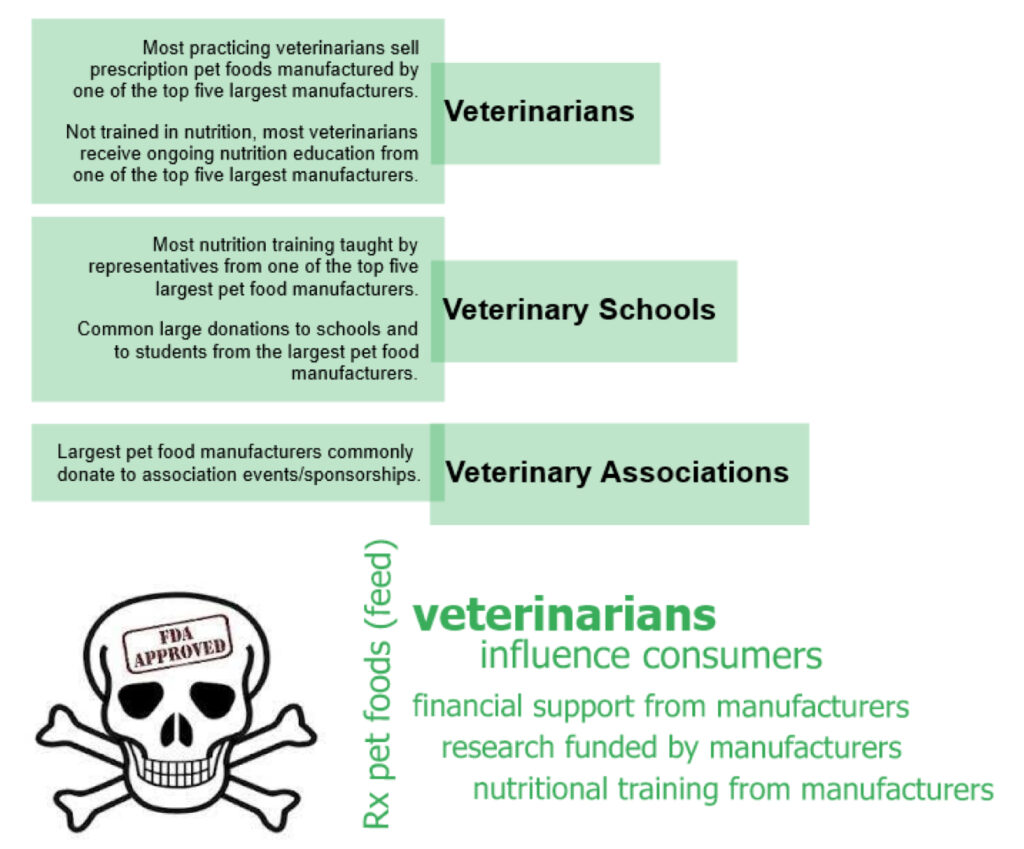
The Mark Morris Institute pays dozens of veterinarians (whom they send free of charge) to veterinary schools to teach pet nutrition. In the name of profit, revenue, and sales, this is a major conflict of interest. Veterinarians are being used as tools to push bad products onto the naïve pet owner. It is easy to recommend a product like this when your furry friend may need a special diet to a pet owner that is more than likely not knowledgeable about this shadiness.
Recalled Brands Still Being Recommended By Vets
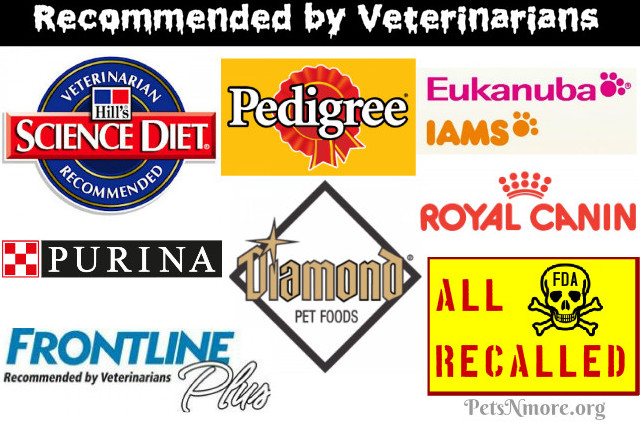
If you are an informed owner and you try to tell your vet that the product they are recommending was recalled recently, they will state that you are mistaken and that their food has never been recalled. Even if you provide proof of the recall, they will maintain that you are mistaken. Dog Food Advisor is a great informative site about all things pet related. I highly suggest subscribing to their newsletter so you can regularly be notified about pet food recalls and the reasons for them. You can also stay up to date on recalls with Petful.
Reconditioning Recalled Pet Food
Ever wonder what really happens to ‘recalled food?’ With no disclosure to pet owners, the FDA allows pet food manufacturers to ‘recondition’ recalled pet food and re-sell it back to consumers. Pet food consumers do not know if the food they are feeding their furry friend has been manufactured with reconditioned recalled products.
Unfair and deceptive trade laws make it illegal to put used and recycled parts in a computer without disclosing it to consumers. If this is done, that product is labeled as a refurbished item. However, when it comes to pet food, no such consideration is given to consumers.
Misleading Marketing
Pet food labels and websites display images of premium cuts of meat and poultry when the final product inside that bag contains nothing similar to the quality that is being portrayed. No regulatory authority oversees misleading marketing claims. Companies that continue to mislead consumers are allowed to without concern of any enforcement action.
Pet owners best defense against this is to be informed, read ingredients and labels, find out what temperature the food was cooked at, and calculate the carb content. However, the best defense is feeding a holistic dog food diet.
Testimonials
A Testimonial From Dr. Ian Billinghurst, DVM
Frequently Asked Questions About Holistic Dog Food
What are some brands of holistic dog food?
There are several but here are a few: Answers (frozen raw), Bravo (dehydrated), Farmina N&D (wet/dry), Primal (freeze-dried raw), Earth Animal: Wisdom (air-dried), The Real Meat Company (air-dried), Yumwoof (gently baked dry), and Rawz (gently baked dry/wet.)
What are some holistic dog food subscription services?
There are so many out there but here’s a few to get you started: Nom Nom, Spot & Tango, Just Food For Dogs, and The Farmer’s Dog.
What brands have bad ingredients in them?
The list is very long, but here are a few: Purina, Alpo, Pedigree, Iams, Science Diet, and Hill’s Prescription Diet.
Which brands make gently baked holistic dog food?
Yumwoof makes a great gently baked dog food. They also offer a DIY kit that yields a lot of food for a small price. Their site also includes recipes. Some other gently baked brands are Rawz and Carna4 (which is a synthetic free holistic dog food.)
Which brands make dehydrated raw holistic dog food?
There are several but here are a few for you to check out: Grandma Lucy’s, Sojos, Bravo, and The Honest Kitchen.
What are some freeze-dried raw holistic dog food brands?
Your dog would be happy with any one of these balanced brands: Primal, Stella & Chewy, Vital Essentials, and Bixbi Rawbble. There are several brands out there but there’s a few for you to check out.
What are some air-dried raw holistic dog food brands?
There’s not many brands that make air-dried holistic dog food, but here are a few out of several that do: Ziwipeak, The Real Meat Company, Earth Animal, and Only Natural Pet.
What are some good frozen raw holistic dog food brands?
There are so many good brands, but here are a few to try: Answers, Doggone Raw, Bones & Co, and My Perfect Pet.
I want to cook for my dog but I do not know how much of each ingredient to use. Is there something out there that can help me do this?
Yes! BalanceIt.com is a site where you can select the ingredients you have or want to use. The site will create multiple types of recipes for you based on what you selected. It creates various carb options such as a low, mid, or high carb as well as a high protein/low carb recipe or a full protein recipe. BalanceIt.com takes the guesswork out and makes cooking for your furry friend easy. The site also sells a vitamin to balance the meal.
What are some high quality wet holistic dog food brands?
Here are some of the best high quality wet dog food brands your dog may enjoy: Ziwipeak, Farmina N&D, Rawz, Nature’s Logic, Koha, and Petkind Tripett. You can also hydrate a freeze-dried raw or dehydrated raw dog food and use that as a high quality wet dog food alternative.
Is holistic dog food really better than non-holistic dog food? Why or why not?
Yes, holistic dog food is the best food to be feeding your fur baby. By feeding holistic, you are ensuring they get a completely balanced meal and premium nutrition. Non-holistic brands have no nutritional benefits as they are extruded out at high temps (500 degrees plus) where any nutrients that could be derived have been cooked out, resulting in burnt pieces of flour that do nothing but bloat your dog.
Is it worth the money to feed holistic dog food? Why or why not?
Yes, it is because most owners want the best for their dogs. If a holistic diet is the best way to keep your dog healthy with few vet visits, then it IS worth it. A holistic dog food diet can also resolve allergies. Poor nutrition can lead to more health issues and more veterinary visits. It’s your choice where you want to spend the money: either at the vet or on good nutrition.
Are all extruded foods bad?
No, because not all pet food is extruded at high temperatures. Pet owners need to steer clear of the ones that are because there are no nutritional benefits derived from those. 95% of pet food is extruded, but every company extrudes differently. Some holistic dog food companies cold press their food while other companies scorch it.
Why aren’t carbs listed in the guaranteed analysis?
AAFCO only requires protein, fat, and minerals (ash) content to be listed. Dogs have no nutritional requirement for carbs, so AAFCO doesn’t require it to be listed.
How can I calculate my dog’s carb content?
Add up all the percentages in the guaranteed analysis section, then subtract that number from 100 to get the carb content percentage.
Where can I find out more about pet food recalls?
I recommend subscribing to Dog Food Advisor and Petful’s newsletter to stay up to date on recalls.
Additional Helpful Links
The differences between pet feed and pet food (By Susan Thixton, pet food consumer advocate)
The failed pet food regulatory system in the United States (The Association for Truth in Pet Food) – WARNING: GRAPHIC IMAGES. Viewer discretion advised.
Dead dogs and cats used to make meat meal (An undercover investigation on D&D Disposal, West Coast Rendering, Vernon, CA. By Last Chance for Animals, April 2007.) WARNING: EXTREMELY GRAPHIC. VIEWER DISCRETION ADVISED.