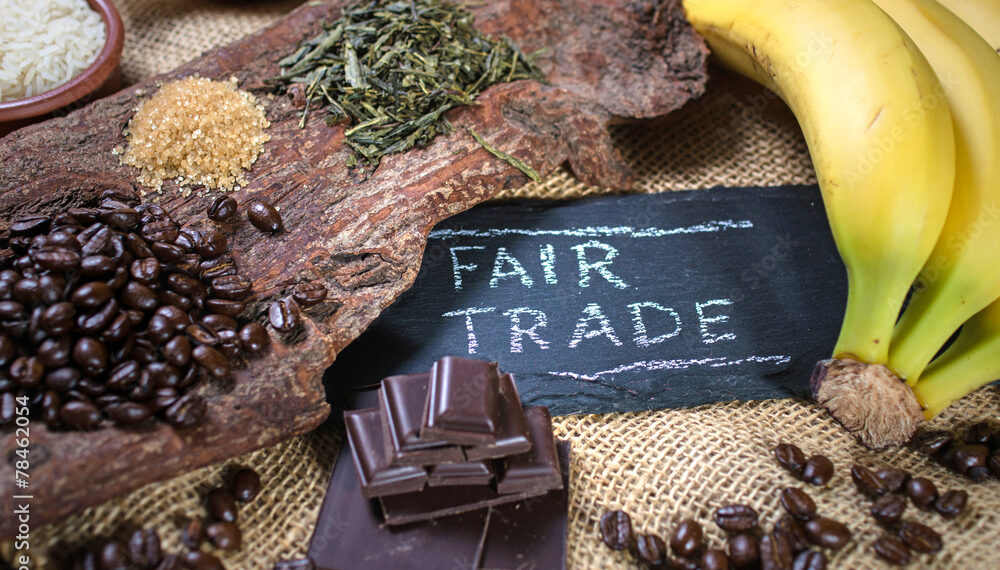
In the hustle and bustle of our daily lives, it’s easy to overlook the impact of our purchasing decisions. Yet, the choices we make when buying everyday products can have far-reaching consequences, not just for us but for communities and environments around the world. Enter the concept of fair trade – a simple idea with profound implications. Caring about fair trade practices is a conscientious choice that goes beyond individual preferences. It’s a commitment to social responsibility, environmental sustainability, and ethical business practices, creating a positive impact on a global scale through the power of consumer choices. Here, we will explore why fair trade is important, why every person should care about fair trade and how it empowers individuals to make a positive difference through their everyday choices.
Is Fair Trade Important to Everyone?
You may ask why fair trade is important to me? Fair trade empowers communities, ensures fair wages and humane working conditions, promotes environmental sustainability, and fosters transparency in supply chains. By supporting fair trade, individuals contribute to a global movement for ethical business practices, eliminating exploitative trade methods and taking a stand against child labor. Fair trade connects consumers with the artisans and producers behind their products, celebrating cultural diversity and preserving traditional craftsmanship. Ultimately, caring about fair trade is a tangible way for individuals to make a positive impact on the world through their everyday choices, promoting a more just, sustainable, and equitable global marketplace.
Empowering Communities

Fair trade is a beacon of empowerment for communities in developing regions. Picture this – a small-scale farmer in a remote village, toiling under the sun to bring you that morning cup of coffee. When you choose fair trade, you ensure that this farmer receives fair compensation for their hard work. It’s about creating sustainable livelihoods, lifting communities out of poverty, and giving individuals a voice in their economic futures.
Supporting Fair Wages and Dignity
Think about the clothes you wear or the chocolate you indulge in. Fair trade ensures that the people behind these products are paid fairly for their labor. It’s a stand against sweatshops and exploitation. When you care about fair trade, you care about the dignity of workers, sending a powerful message that every person deserves to work in conditions that respect their rights and well-being.
Fostering Environmental Sustainability
Ever wonder about the environmental impact of your favorite products? Fair trade goes beyond fair wages; it promotes eco-friendly production methods. By choosing fair trade goods, you’re supporting sustainable farming practices, responsible resource management, and efforts to reduce the carbon footprint. It’s a small but meaningful step toward a more sustainable and ecologically conscious world.
Connecting People
Fair trade isn’t just about transactions; it’s about relationships. When you buy fair trade, you’re establishing a connection with the people behind the products. It’s a direct link from the producer to the consumer, fostering transparency and understanding. Knowing where your products come from and who made them adds a personal touch to your purchases, transforming them into a story of shared values and mutual respect.
Promoting Ethical Business Practices
Imagine if businesses prioritized ethics over profit margins. Fair trade encourages exactly that. By choosing fair trade products, you’re signaling to companies that ethical business practices matter to consumers. This ripple effect can push industries toward fairer, more sustainable models. Your purchasing power becomes a catalyst for positive change in the corporate world.
Eliminating Exploitative Trade Practices
Conventional trade often involves exploitative practices – unfair negotiations, price manipulations, and labor exploitation. Fair trade is a stand against these disparities, promoting equitable partnerships between producers and consumers. Choosing fair trade means actively participating in dismantling exploitative trade practices and promoting a system built on fairness and justice
Celebrating Artisanal Craftsmanship
Fair trade isn’t just about mass-produced goods; it’s a celebration of artisanal craftsmanship. Whether it’s handwoven textiles, intricate jewelry, or beautifully crafted home decor, fair trade products often showcase the unique skills of artisans from diverse cultures. By choosing these products, you’re contributing to the preservation of cultural heritage and supporting the continued practice of traditional arts.
Taking a Stand Against Child Labor
Child labor remains a harsh reality in many industries. Fair trade is a beacon of hope in this regard, ensuring that products are produced without the use of child labor. By supporting fair trade, you actively contribute to the fight against child exploitation, sending a clear message that our purchases should not come at the cost of a child’s education and well-being
Examples of Fair Trade Products
The next time you reach for that cup of coffee, that bar of chocolate, or that new piece of clothing, consider the impact of your choice. By caring about fair trade, you become a part of a global movement, making a difference in ways both big and small, one thoughtful purchase at a time. Below you will find specific fair trade brands known for their commitment to ethical sourcing and production. Keep in mind that the availability of these brands may vary based on your location, and new fair trade brands may have emerged. Additionally, certifications such as Fair Trade USA, Fairtrade International, and others provide assurance of fair trade standards.
Coffee
Equal Exchange: Equal Exchange has a strong commitment to small-scale farmers.
Tea
Numi Organic Tea: Numi offers organic and fair trade certified teas, focusing on sustainable and ethical sourcing.
Chocolate
Divine Chocolate: A co-owned fair trade chocolate company, Divine Chocolate ensures that farmers receive a share of the profits.
Wine
Cooperative La Riojana: This cooperative in Argentina produces fair trade and organic wines.
Beauty and Personal Care Products
Dr. Bronner’s: Dr. Bronner’s offers fair trade and organic personal care products, including soaps and lotions.
Home Goods
Boll & Branch: This brand offers fair trade and organic bedding and home goods.
Always look for recognized fair trade certifications on products to ensure they meet specific ethical standards. Keep in mind that new fair trade brands may have emerged, and it’s a good idea to check for the latest information based on your location and preferences. Understanding why fair trade is important transforms your purchase decisions from a passing trend to a deliberate choice.