In our modern digital landscape, the consumer electronics repair movement has become a vital topic for anyone who owns a smartphone, laptop, or smart appliance. Our daily lives are inextricably linked to these electronic devices, making accessible consumer electronics repair a necessity rather than a luxury. But as these gadgets become more complex, a critical question arises for every owner: What happens when they inevitably break?
While most of us want to protect the environment and prevent our consumer electronics from ending up in a landfill, the reality is often frustrating. Many consumers find they are trapped in a cycle of expensive, manufacturer-only consumer electronics repairs, forced software upgrades, or premature disposal. This is the exact challenge the consumer electronics repair movement addresses—advocating for your fundamental right to fix your own electronic devices or choose an independent technician who can provide affordable, sustainable solutions.
My unique perspective on this critical movement has been forged after decades of experience in the consumer product testing and compliance industry. This background offers an unparalleled insider’s view of the legal landscape from both a manufacturer’s and a consumer’s standpoint, often revealing significant gaps between perceived and actual consumer rights. This article aims to bridge that gap, empowering you with the knowledge you need to navigate the complex world of consumer electronics repair.
Table of Contents
- The Rights You Didn’t Know You Had: Bridging the Information Gap
- State-by-State Breakdown: Where Do You Stand?
- Real-World Impact: From Personal Frustration to Environmental Imperative
- The Software Lock: A Hidden Barrier to Repair
- A Shift Towards a Repair Culture: Actionable Wins for Consumers
- What to Do If Your Device Breaks Today: A Consumer Checklist
- Frequently Asked Questions (FAQs) about the Right to Repair Movement
- References
The Rights You Didn’t Know You Had: Bridging the Information Gap
One of the most significant insights from my work is the widespread lack of awareness among U.S. consumers regarding their existing repair rights. While the European Union has historically been more progressive in consumer advocacy, leading to a greater public understanding of pro-consumer legislation, the situation in the U.S. is more fragmented. Without comprehensive federal right to repair legislation, consumers often assume that a broken device, such as a smartphone, must be sent back to the manufacturer for costly repairs or simply discarded and replaced [1].
However, in a growing number of U.S. states, this assumption is no longer entirely accurate. States like California, New York, Minnesota, and Oregon have enacted laws related to consumer electronics repair that empower people with greater access to repair resources. These right-to-repair laws often mandate that manufacturers provide free documentation, parts, and tools necessary for consumer electronics repair, challenging the traditional manufacturer-centric repair model [1]. This legislative shift means that consumers in these states have more options than they may realize, moving beyond the choice of either expensive manufacturer repairs or premature disposal.
State-by-State Breakdown: Where Do You Stand?
Because there is no federal law in the U.S. related to consumer electronics repair, your rights depend on where you live. This is a quick comparison of the leading states that have enacted significant consumer electronics right to repair legislation [2]:
| State | Key Legislation | Effective Date | Notable Features |
| New York | Digital Fair Repair Act | Dec 28, 2023 | First in the nation; covers digital electronics devices manufactured after July 1, 2023. |
| California | Right to Repair Act (SB 244) | July 1, 2024 | Requires parts/support for 3 or 7 years for electronics devices over $50 or $100 wholesale price. |
| Minnesota | Digital Fair Repair Act | July 1, 2024 | Broad coverage including household appliances and digital electronic equipment. |
| Oregon | Right to Repair Law (SB 1596) | Jan 1, 2025 | First state to explicitly ban “parts pairing” (software locks on hardware). |
| Colorado | Consumer Right to Repair Act | Jan 1, 2026 | Also restricts parts pairing and covers a wide range of digital electronic devices. |
Real-World Impact: From Personal Frustration to Environmental Imperative

The impact of the right to repair movement, or its absence, is deeply personal for many consumers. The frustration of a broken device and the daunting cost of repair is a common experience. For instance, a personal encounter with a shattered tablet screen revealed the high cost of manufacturer-controlled repairs; a simple screen replacement, without any damage to the internal mechanics, cost hundreds of dollars at a specialized repair store. This experience underscores a pervasive consumer anxiety: the constant fear that any accidental damage will lead to exorbitant repair bills or necessitate buying a new device.
Beyond individual financial burdens, the consumer electronics repair movement carries significant environmental implications. The prevailing culture of disposability, where electronics are frequently discarded and replaced, contributes to a growing e-waste crisis. Discarded devices containing plastics and batteries pose severe environmental risks, potentially leaching harmful substances into soil and water systems. For more on responsible disposal, see A Guide to Properly Recycle Electronics in New Jersey. The right to repair movement, therefore, is not just about consumer rights; it’s a critical step towards a more sustainable, circular economy that prioritizes reducing, reusing, and recycling.
The Software Lock: A Hidden Barrier to Repair
A common misconception is that the consumer electronics repair movement focuses solely on physical hardware components. However, a significant aspect of the right to repair legislation addresses the less visible, yet absolutely critical, issue of software updates and diagnostic tools. Manufacturers often maintain a monopoly on repairs by controlling these digital elements, effectively locking devices through code.
This practice, known as “parts pairing,” can prevent a device from functioning correctly if a non-original part is installed, even if it’s a genuine component harvested from an identical device [2]. For example, if you swap a perfectly good camera module from one phone to another of the exact same model, the software may reject it simply because the serial numbers don’t match the manufacturer’s database. Oregon’s recent legislation is groundbreaking precisely because it explicitly bans this practice, ensuring that software cannot be used as an artificial barrier to physical repairs. Another victory for the consumer electronics repair movement!
A Shift Towards a Repair Culture: Actionable Wins for Consumers
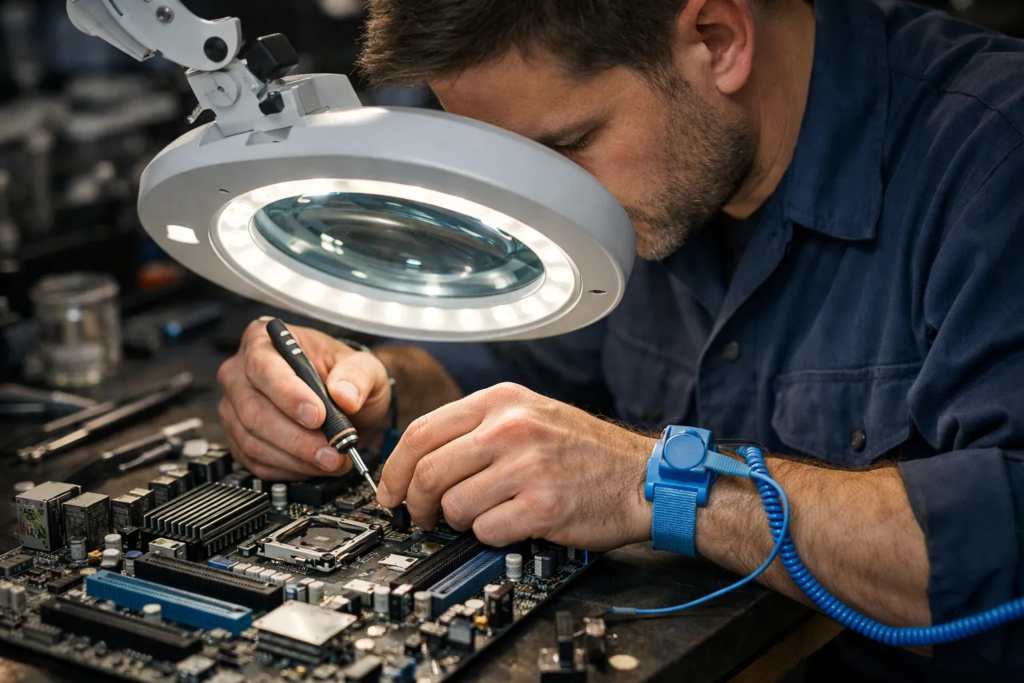
Looking ahead, the consumer electronics repair movement is gaining significant momentum, signaling a broader cultural shift away from the “disposable status” mentality. This shift is particularly evident among younger generations, who increasingly reject the notion that upgrading devices every few years is a symbol of status. Instead, there is a growing appreciation for sustainability and the environmental impact of consumer choices.
This cultural shift is supported by tangible, actionable wins for consumers. The emergence of community-led initiatives, such as repair cafes, demonstrates a grassroots commitment to extending the lifespan of electronics. In these spaces, individuals with technical expertise volunteer their time to help others repair their devices, fostering a sense of community and shared responsibility. For broader insights into sustainable living and saving money, explore 6 Money-Saving Steps: How to Live a Sustainable Lifestyle.
Furthermore, as legislation continues to evolve, particularly with the progressive strides made in the EU—which recently mandated a “European Online Platform” to help consumers find local repairers—consumers can expect greater access to repair resources and a more robust right to repair framework in the coming years [3].
What to Do If Your Device Breaks Today: A Consumer Checklist
If you are reading this because you currently have a broken device, don’t immediately throw it away or assume you have to pay the manufacturer’s premium. Follow these steps:
- Check Your State Laws: Do you live in NY, CA, MN, OR, or CO? If so, independent consumer electronics repair shops in your area likely have access to official parts and manuals for your consumer electronics repairs.
- Look for Independent Repair Shops: Search for local, highly-rated third-party repair technicians. They can often perform the same consumer electronics repair for a fraction of the cost.
- Search for Repair Cafes: Look up “Repair Cafe near me.” These community events offer free help from volunteer experts to fix your consumer electronics.
- Explore DIY Options: Websites like iFixit offer free, comprehensive repair guides and sell the exact tools and parts you need to fix it yourself.
- Advocate: If your state doesn’t have a law related to consumer electronics repair, contact your local representatives and express your support for this consumer-friendly legislation. You can also contribute to a more circular economy by selling used items (more than just consumer electronics), as discussed in Where to Sell Used Sports Equipment to Help the Environment?
Frequently Asked Questions (FAQs) about the Consumer Electronics Repair Movement

What is the Right to Repair movement?
The Right to Repair movement advocates for consumers’ ability to repair their own electronic devices or have them repaired by independent technicians, rather than being restricted to manufacturer-controlled services. This includes legal access to parts, tools, diagnostic software, and documentation.
Which U.S. states have Right to Repair laws for consumer electronics?
As of early 2026, states like California, New York, Minnesota, Colorado, and Oregon have enacted significant Right to Repair laws covering consumer electronics. Other states are actively considering similar legislation [1].
Does repairing my phone myself or at a third-party shop void the warranty?
In the U.S., there is a general prohibition that prevents manufacturers from voiding your warranty simply because you used a third-party repair service or aftermarket parts, unless they can prove the third-party repair directly caused the damage.
What is “parts pairing” and why are states like Oregon banning it?
“Parts pairing” refers to software locks that prevent a device from functioning correctly if a non-original part is used, even if it’s a genuine component from an identical device. This practice limits repair options and increases costs. Oregon’s law bans this to ensure software isn’t used as an artificial barrier to physical consumer electronics repairs [2].
How does the EU’s Right to Repair differ from the U.S. approach?
The EU has adopted a comprehensive Directive on common rules promoting the repair of goods, which mandates manufacturers repair products during and beyond the legal guarantee, and establishes platforms to help consumers find repairers. The U.S. approach is currently more fragmented, relying on state-by-state legislation rather than a federal mandate [3].