- What is Social Emotional Learning?
- “Digital Empathy” Scenarios and Role-Playing
- Bracelet Making Correlated with SEL
- Painting for SEL
We live in a world where our social and emotional lives are increasingly intertwined with our digital experiences. It’s not just about academics anymore; it’s about navigating relationships, understanding our emotions, and making responsible choices – both online and offline. That’s where Social Emotional Learning activities come in. And guess what? Art can be a powerful tool to strengthen these skills. Let’s explore how we can use digital awareness and creative outlets to bolster our SEL. Social-emotional learning activities are a key component of this process, helping us develop these crucial life skills.

I have actively integrated Social-Emotional Learning activities into the programs I have been involved with, and I have witnessed firsthand how these activities help students develop greater self-awareness, emotional intelligence, and knowledge. In fact, consistently implementing these social emotional learning activities has shown a marked improvement in student engagement and overall well-being.
You might be wondering, “How does this all fit together?” Well, we’re going to break it down. We’ll look at what SEL actually is, and how we can use digital scenarios and artistic expression, like the social emotional learning activities we’ll discuss, to build these essential skills.
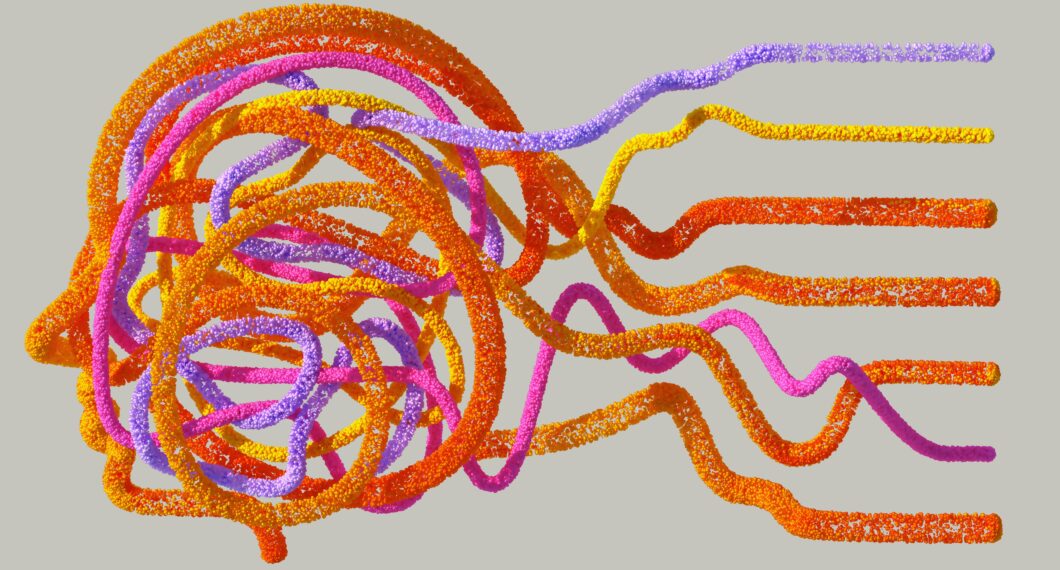
What is Social Emotional Learning?
Social Emotional Learning (SEL) is the process of developing the skills we need to understand and manage our emotions, set and achieve positive goals, feel and show empathy for others, establish and maintain positive relationships, and make responsible decisions. It’s like a toolkit for life, helping us navigate the ups and downs of our social and emotional worlds. Social emotional learning activities are designed to foster these skills, and are crucial in all areas of our lives, from school and work to our friendships and online interactions.
Think of it like this:
Responsible Decision-Making: Making ethical and constructive choices.”
Self-Awareness: Knowing your own emotions, strengths, and weaknesses.
Self-Management: Controlling your impulses and managing your stress.
Social Awareness: Understanding the perspectives and feelings of others.
Relationship Skills: Building and maintaining healthy relationships.
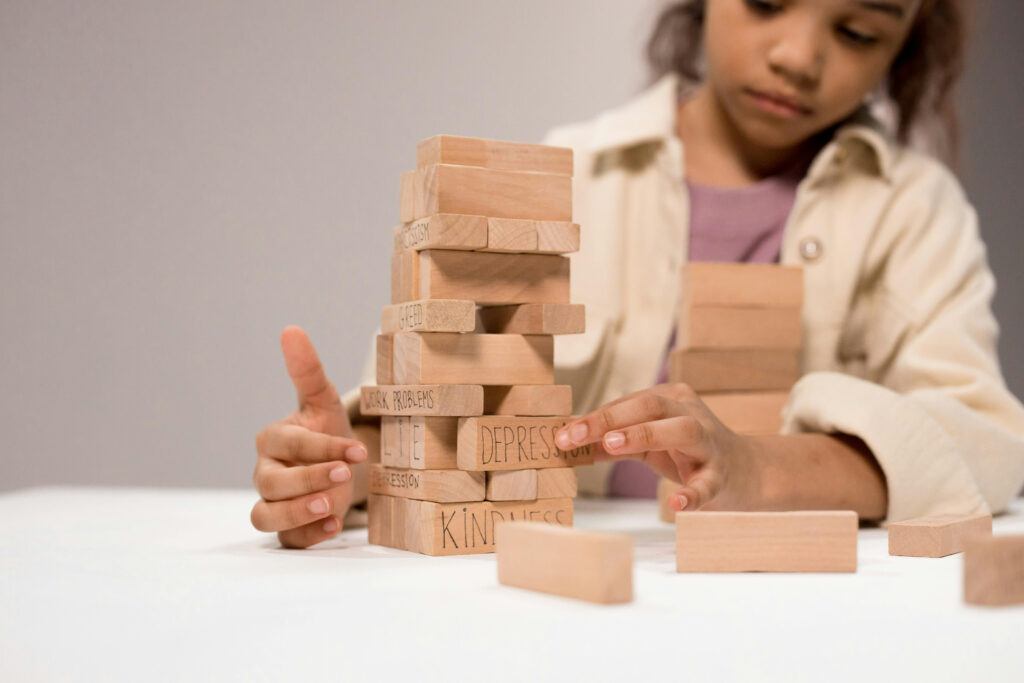
These skills are crucial in all areas of our lives, from school and work to our friendships and online interactions.
“Digital Empathy” Scenarios and Role-Playing
Technology is continually improving and is a tool incorporated in our everyday lives. How can the digital world and SEL be combined in creating activities within the classrooms? The digital world presents unique challenges to empathy. Without face-to-face cues, we rely on text and context to understand others’ emotions. Let’s practice navigating these situations by having half the class discuss scenario one and the other half of the class answer scenario number two. You can also break them up into smaller groups of 5 and give them a scenario to discuss.

Scenario 1: The Ambiguous Post: A friend posts a vague, emotionally charged message. Activity:
- Discuss possible interpretations, considering the friend’s context.
- Brainstorm empathetic responses that offer support while respecting boundaries.
- Role-play different responses, analyzing their potential impact.
Scenario 2: The Online Argument: A disagreement escalates in a group chat, with participants using hurtful language. Activity:
- Identify the emotional triggers contributing to the conflict.
- Practice mediating the situation, focusing on de-escalation and respectful communication.
- Discuss the effects of online communication.
At the end of the group discussion have each team discuss, identify emotion, and what they have learned from this activity. By engaging in these scenarios, students develop a deeper understanding of online emotional cues and practice responding with sensitivity and thoughtful consideration. This also allows the students to discuss and see different viewpoints that they wouldn’t have seen before. These types of social emotional learning activities can be vital in developing empathy in a digital age.
Bracelet Making Correlated with SEL
One of our key approaches has been incorporating art into social emotional learning activities, recognizing that art serves not only as a powerful tool for self-expression but also as an effective stress reliever. Some social emotional learning activities that we have done are painting, drawing, sculpting, and implementing hands-on activities such as bracelet-making. During the process, some students encountered challenges, such as beads slipping off the string entirely and beads going all over the floor. This led to moments of frustration and disappointment. However, these obstacles became valuable learning experiences, encouraging students to develop problem-solving strategies such as tying a knot at the end of the string to prevent beads from falling off or implementing tools that were given in the bracelet kit.
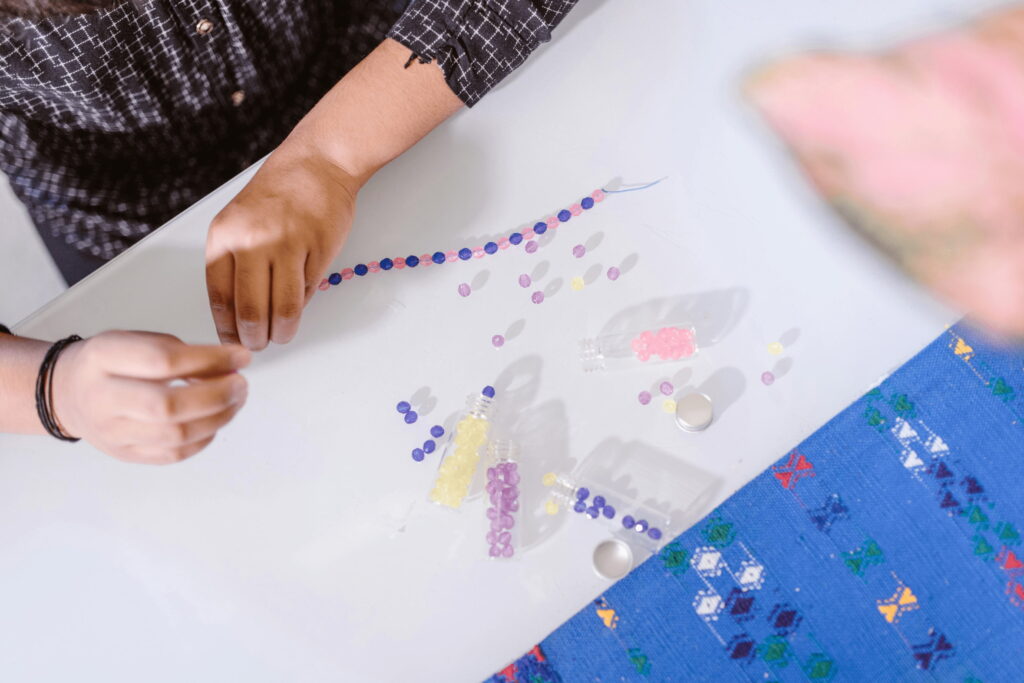
Bracelet making might seem like a simple craft, but it can be a powerful tool for cultivating essential SEL skills.Bracelet making not only fostered creativity but also reinforced key SEL concepts such as patience, mindfulness, and personal expression.
- Mindfulness and Focus: The repetitive act of weaving beads or knots requires concentration, promoting mindfulness and present-moment awareness.
- Patience and Perseverance: Creating intricate designs teaches patience and the value of persistence when facing challenges.
- Symbolic Representation: Choosing specific colors and patterns can represent personal values, goals, or emotions, providing a tangible form of self-expression.
- Collaborative Connection: Bracelet-making sessions can foster a sense of community as you share ideas and support each other.
- Making friendship bracelets, or bracelets that represent goals can be a great way to use this. Many of my students not only created bracelets for themselves but for others as well whether that was for a mother, father, sibling, cousin or friend.
Furthermore, this challenge created opportunities for peer support and empathy. As students observed their classmates’ frustrations, many stepped in to offer help and encouragement, fostering a sense of collaboration and emotional awareness. Through these activities, students not only enhanced their emotional regulation skills but also built resilience, adaptability, and a deeper sense of personal accomplishment.
At the end of each session, students were encouraged to share their artwork or creations with the group and reflect on their experiences before, during, and after the activity. Some questions asked were what worked, what didn’t work, what did you learn from this activity and if you could change anything what would you change? These art-based social emotional learning activities have proven to be exceptionally effective in fostering both individual growth and a supportive community within the classroom.
Painting for SEL
Painting is another example of how art can be incorporated into social emotional learning activities. Painting is more than just creating visual art; it’s a powerful tool for exploring and expressing your inner world. Painting allows:
- Emotional Expression: Provide a non-verbal outlet for expressing complex emotions that might be difficult to articulate.
- Self-Reflection: The act of creating art encourages introspection and self-reflection, allowing you to gain a deeper understanding of your thoughts and feelings.
- Stress Reduction: The rhythmic act of painting and the focus on color and form can have a calming and stress-reducing effect.
- Creative Problem-Solving: Experimenting with different techniques and colors can enhance your problem-solving skills and foster a sense of creativity.
- Painting your emotions after a long day, or painting abstractly to music are great ways to utilise this.
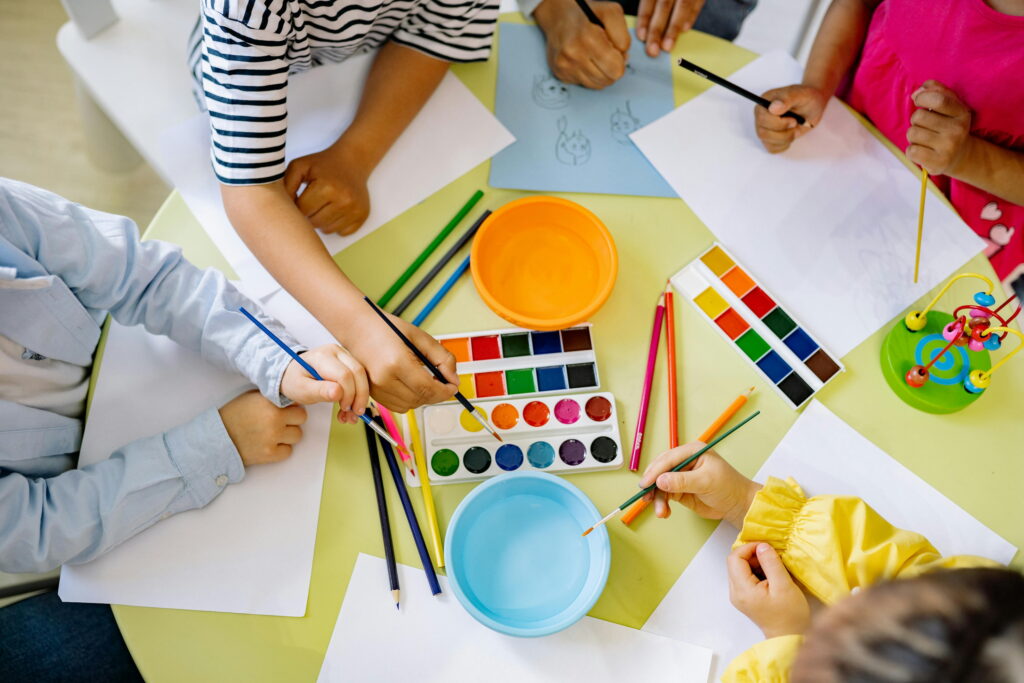
Engage the students by asking them what each color represents to them. For some individuals, blue means sadness, while for others it means accomplishment. After discussing what color represents to them, have them paint how they are feeling currently, that day, week, or how they felt when they were on vacation. This can be a moment for them to be creative and express themselves. By engaging in painting, one can cultivate self-awareness, emotional regulation, and creative expression. At the end have the student present if they are willing to do so. Ask the artist to showcase their work and have their classmates interpret their painting and the emotion they get from the painting based on the colors used. Then ask questions such as what was your inspiration for this painting and why did you use the color that was incorporated. These types of social emotional learning activities, like expressive painting and peer interpretation, directly foster crucial skills. In conclusion, social emotional learning activities is the foundation for navigating the complexities of modern life. By integrating digital empathy exercises and art-based activities into your routine, you can cultivate a deeper understanding of yourself and others. These skills will empower you to navigate the complexities of modern life with resilience, empathy, and creative confidence.