Why Strength Matters
Smart Training, Not Just Hard Training
The 80-90% Gap: Listen to Your Body
Technique vs. Strength: Finding Your Weak Spot
Young Athletes: Start Smart, Stay Safe
Stop Wasting Time: The Athlete’s Guide to Hyper-Efficient Strength Training (80-90% Gap Included!)
Hey there, athlete! You’re here because you want to get stronger, faster, and better at your sport. But let’s be real, you don’t have all day to spend in the gym. You’ve got practices, games, and, well, a life! So, how do you get the most out of your weight training without wasting a single minute? That’s what we’re going to talk about.
Why Strength Matters
First, let’s remember why we lift in the first place. You need strength to jump higher, run faster, and tackle harder. It’s the foundation of your athletic power. Think of it like building a house – without a strong base, everything else crumbles. Weight training helps you build that solid base.
Smart Training, Not Just Hard Training
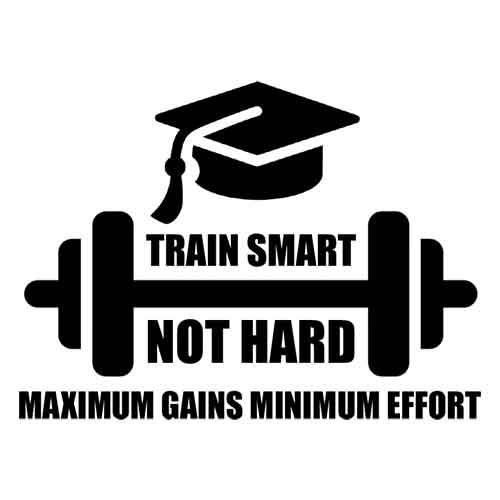
Now, here’s the secret: it’s not about how much you lift, but how you lift. We’re going to focus on smart training, not just hard training.
- Big Moves First: Start with exercises that work many muscles at once. These are called compound exercises. Think squats, deadlifts, and bench presses. These moves give you the biggest bang for your buck.
- Supersets and Drop Sets: Want to save time? Try supersets. Do one exercise, then immediately do another. For example, do a set of squats, then a set of pull-ups. Drop sets are where you lift a weight till you cant anymore, then drop the weight, and lift again, immediately. These strategies cut down on rest time, and keep your muscles working.
- Rest-Pause Training: This is a cool trick. Lift a heavy weight for a few reps, rest for a short time (like 15 seconds), and then lift again. This helps you push past your limits.
The 80-90% Gap: Listen to Your Body
Now, here’s where things get really interesting. We’re going to talk about the 80-90% gap. What does that mean? It means lifting weights that are 80% to 90% of your maximum strength.
But here’s the catch: your strength changes every day. One day, you might feel super strong. The next, you might feel a little tired. So, instead of sticking to a fixed weight, we’re going to listen to our bodies.
- How to Do It: Before each set, ask yourself, “How strong do I feel today?” If you feel great, bump up the weight. If you feel tired, lighten the load. This way, you’re always pushing yourself, but you’re also being smart.

Technique vs. Strength: Finding Your Weak Spot
Sometimes, you might be strong, but your technique is off. Or maybe your technique is good, but you’re just not strong enough. How do you know which one is the problem?
- Ask for Help: Get a coach or experienced lifter to watch you. They can give you feedback on your form.
- Film Yourself: Record yourself lifting. This way, you can see what you’re doing wrong.
- Fix It: Once you know your weak spot, work on it! If it’s technique, practice slow, controlled reps. If it’s strength, lift heavier weights (safely, of course).
Young Athletes: Start Smart, Stay Safe
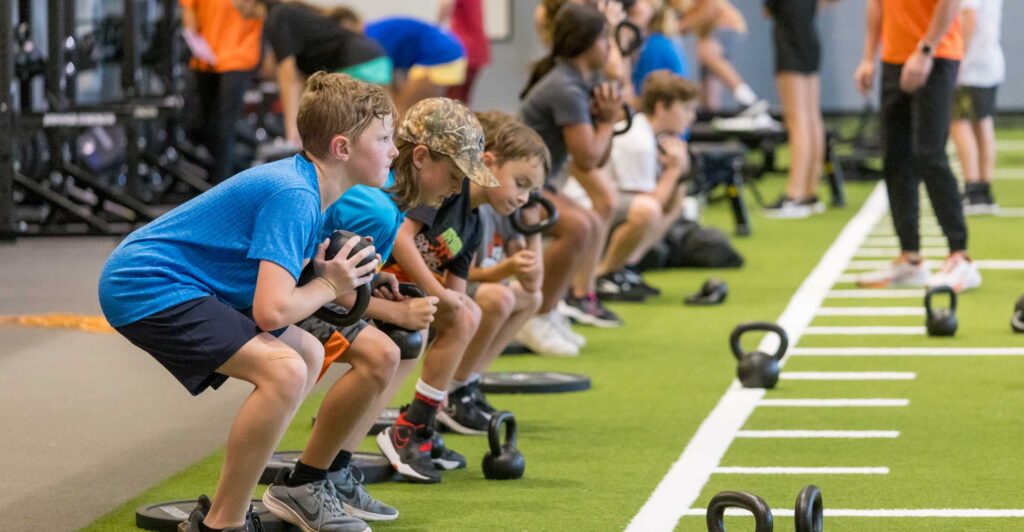
If you’re a young athlete, you might be wondering if weightlifting is safe for you. The answer is yes, but you have to do it right.
- Supervision is Key: Always lift with a coach or experienced adult.
- Focus on Technique: Start with light weights and focus on getting your form perfect.
- Listen to Your Body: If something hurts, stop!
Your Journey to Strength
You’ve got this! Weight training can be a powerful tool for improving your athletic performance. By focusing on smart training, listening to your body, and fixing your weak spots, you’ll be well on your way to achieving your goals.
Conclusion
Remember, you’re not just lifting weights. You’re building confidence, discipline, and power. You’re becoming a stronger, more resilient athlete. So, get out there, train smart, and crush your goals. You’ve got the tools, now go use them! You are now prepared to use your time wisely, and get the results you want.