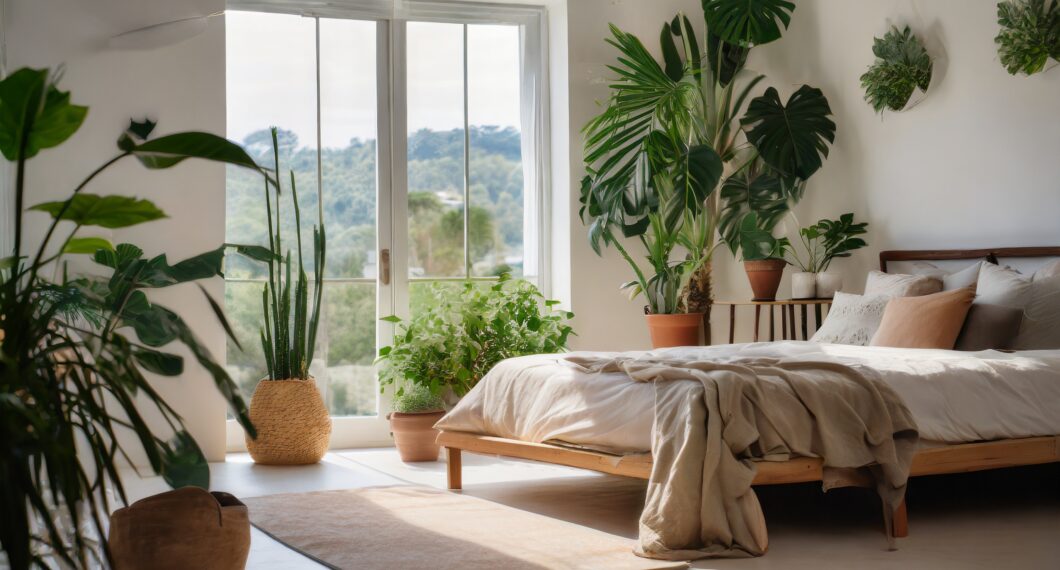
The best bedroom plants are those that not only contribute to a better sleeping environment but are easy to take care of. Plants for your bedroom can be accessible, easy, and doable. You don’t have to know a lot about plants or have a “green thumb” to reap the benefits of plants! Explore this curated selection of the best bedroom plants to help improve air quality and promote relaxation, helping you achieve a more restful night’s sleep–
- Purify Bedroom Air with the Snake Plant
- Reduce Stress with a Lavender Plant in the Bedroom
- Remove Bedroom Toxins with an Aloe Vera Plant
- Decrease Bedroom Air Pollutants with a Peace Lily Plant
- Improve Bedroom Humidity with a Spider Plant
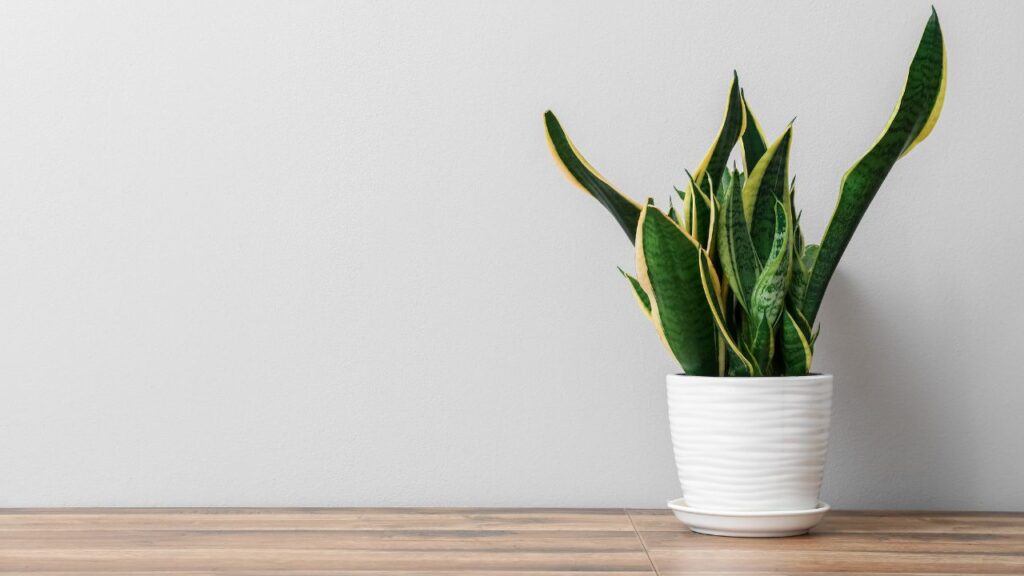
1. Purify Bedroom Air with the Snake Plant
The snake plant, scientifically known as Sansevieria, is a popular indoor plant that offers several benefits, especially when placed in the bedroom. Snake plants are known for their ability to convert carbon dioxide into oxygen, even at night. This makes them a great choice for bedrooms, as they contribute to better air quality.
Caring for a Snake Plant
Snake plants are easy to care for and can thrive in low light conditions. They don’t require frequent watering and can tolerate neglect, making them ideal for those who may want low-maintenance plants in their bedrooms.
Shop for a Snake Plant
https://www.ikea.com/us/en/p/sansevieria-trifasciata-potted-plant-mother-in-laws-tongue-90296969/
https://www.thesill.com/products/snake-plant-laurentii?variant=39521020313705
https://www.walmart.com/browse/patio-garden/snake-plants/5428_6061364_8594487_5089284
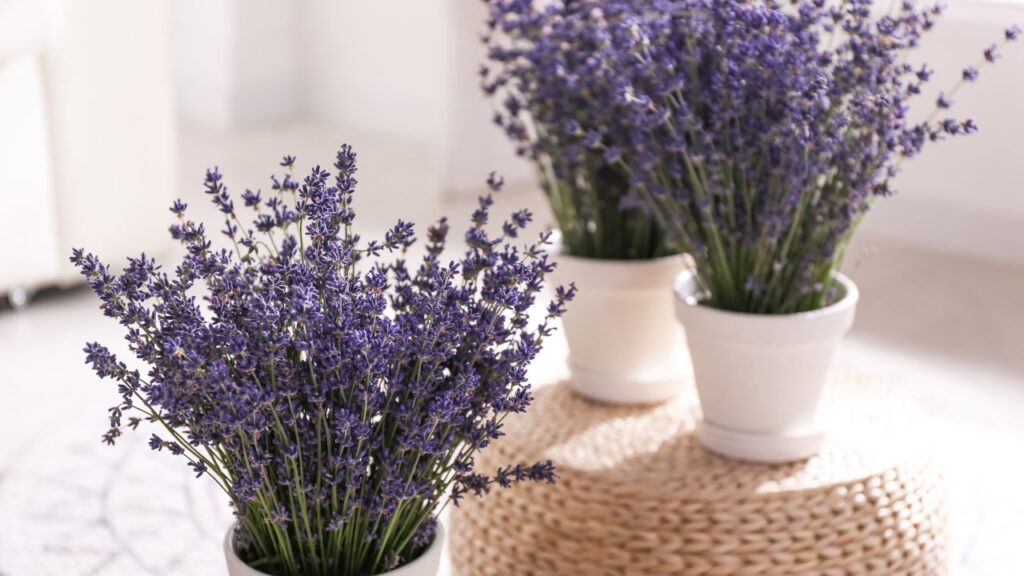
2. Reduce Stress with a Lavender Plant in the Bedroom
Lavender is well-known for its calming and stress-reducing properties. Lavender is often used to help with insomnia and improve sleep quality. The scent of lavender has been associated with better sleep, making it a popular choice for those looking to create a soothing bedtime routine. The plant alone can reduce your stress and promote deeper sleep, but if you’re looking for even more benefits, harvest your lavender to make essential lavender oil, lavender potpourri, or lavender tea.
Caring for a Lavender Plant
Lavender plants thrive in full sunlight. Ensure they receive at least 6-8 hours of direct sunlight per day. With that said, lavender is drought-tolerant and prefers slightly dry conditions– making lavender a great option for people who tend to forget to water their plants! Water the plant deeply but infrequently, allowing the soil to dry out between waterings. Overwatering can lead to root rot.
Shop for a Lavender Plant
https://www.etsy.com/listing/954768388/true-lavender
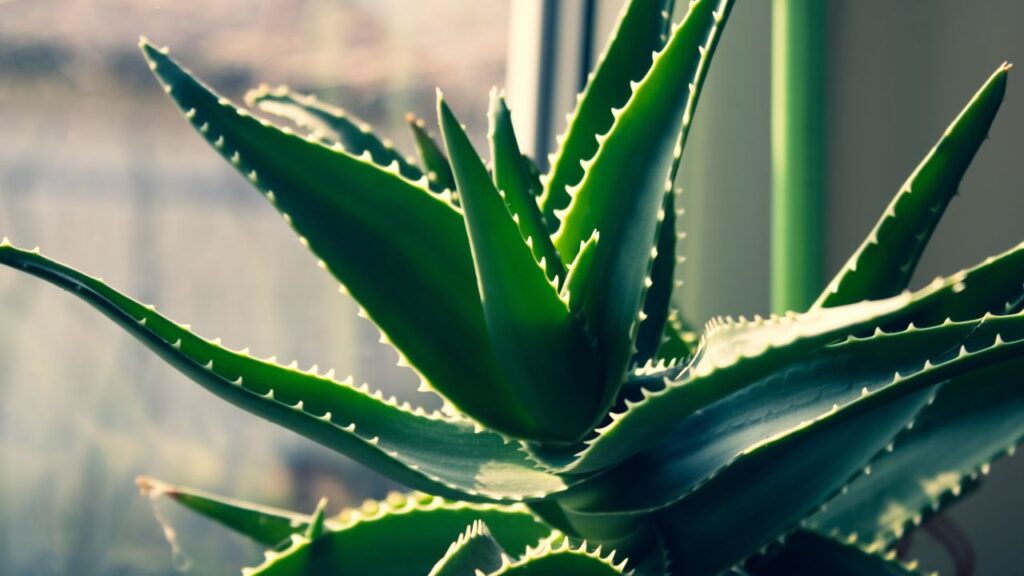
3. Remove Bedroom Toxins with an Aloe Vera Plant
Aloe vera is a versatile succulent known for its gel-filled leaves, which contain a variety of compounds with potential health benefits. Aloe vera plants contribute to air purification by removing pollutants such as formaldehyde and benzene from the air. Like the snake plant, aloe vera releases oxygen during the process of photosynthesis. Having a source of oxygen in your bedroom can contribute to a healthier indoor environment.
Caring for an Aloe Vera Plant
The aloe vera plant has been dubbed as the “immortal plant” because of its ability to reach an age of over 100 years with proper care. Taking care of an aloe vera plant is relatively simple, as these succulents are hardy and low-maintenance. Aloe vera plants thrive in bright, indirect sunlight. They can tolerate some direct sunlight but may get sunburned if exposed to too much intense sunlight, especially in hot climates. If you’re growing them indoors, place them near a sunny window. Like the lavender plant, aloe vera is a drought-tolerant, and overwatering is a common issue. Allow the soil to dry out completely between waterings. In the winter, reduce watering frequency.
Shop for an Aloe Vera Plant
https://www.ikea.com/us/en/p/aloe-vera-potted-plant-aloe-20282758/
https://www.etsy.com/listing/1588351404/medicinal-aloe-vera-plant-in-12cm-pot
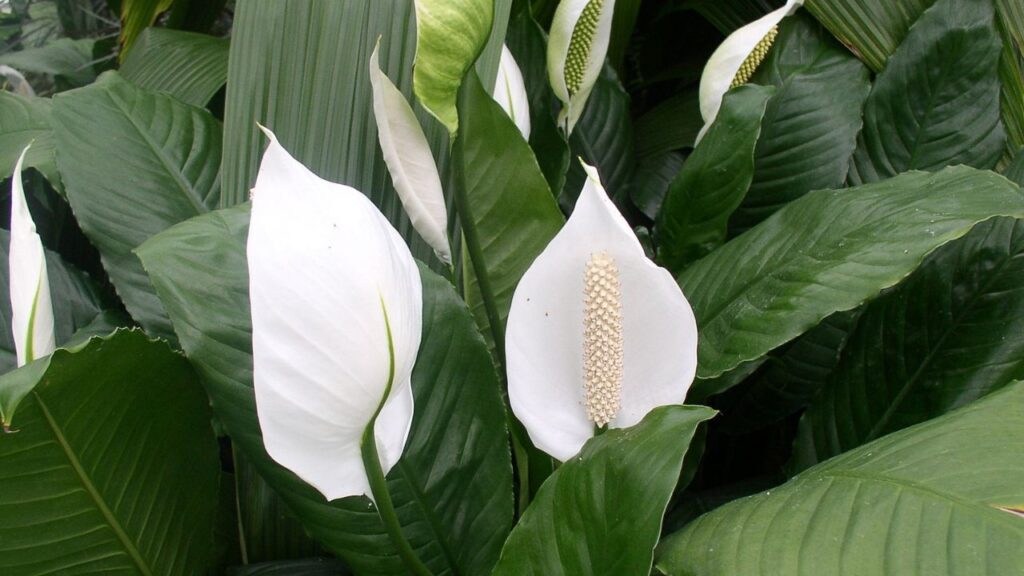
4. Decrease Bedroom Air Pollutants with a Peace Lily Plant
The peace lily, scientifically known as Spathiphyllum, is a popular indoor plant with several potential benefits, making it a great choice for bedrooms. Like the aloe vera plant, peace lilies are known for their ability to improve indoor air quality by removing common pollutants such as formaldehyde, benzene, and trichloroethylene. They can also help reduce airborne mold spores.
Peace lilies have the ability to increase humidity in a room, which can be beneficial, especially in dry indoor environments. This natural humidifying effect can contribute to respiratory comfort, particularly during the winter months when indoor heating systems can dry the air.
Peace lilies can help reduce indoor allergens. The plant’s ability to filter out certain pollutants and improve air quality may be beneficial for individuals with allergies or respiratory sensitivities.
Caring for a Peace Lily Plant
Peace lilies are relatively low-maintenance plants that are well-suited for indoor environments with lower light levels. They can thrive in indirect or low light conditions, making them adaptable to various areas in your bedroom with limited natural light. They do not require frequent watering and can bounce back well if you forget to water them occasionally.
Shop for a Peace Lily Plant
https://www.ikea.com/us/en/p/spathiphyllum-potted-plant-peace-lily-00197902/
https://www.thesill.com/products/large-peace-lily?variant=40751260369001
https://www.etsy.com/listing/1588887998/peace-lily-spathiphyllum-plant-natural
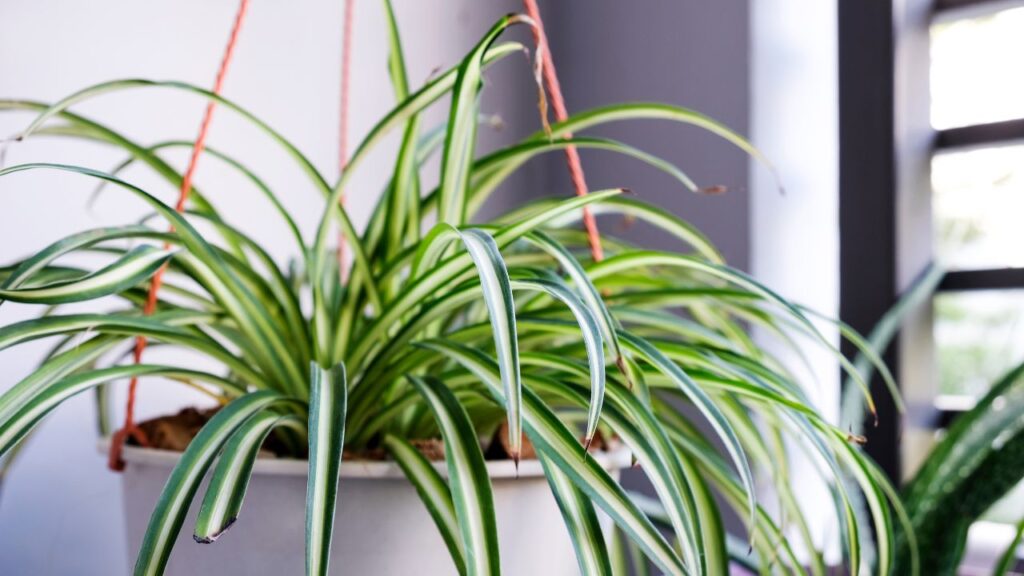
5. Improve Bedroom Humidity with a Spider Plant
Spider plants (Chlorophytum comosum) are popular indoor plants known for their adaptability and numerous benefits. Spider plants can help regulate humidity levels in indoor spaces. While not as effective as some tropical plants, they can still contribute to creating a more comfortable and balanced environment. Spider plants release moisture through small pores in their leaves, acting as natural air humidifiers. This can be particularly beneficial in dry indoor environments.
Caring for a Spider Plant
Spider plants are known for their resilience and are relatively easy to care for. They can tolerate a range of light conditions, and they don’t require frequent watering. This makes them suitable for those who may be new to plant care or have busy schedules. Spider plants can thrive in various lighting conditions, from bright, indirect light to lower light levels. They are adaptable and can be placed in different areas of your bedroom.
Shop for a Spider Plant
https://www.thesill.com/products/spider-plant?variant=40668901834857
https://www.etsy.com/listing/1289336293/spider-plant-spiderling-cutting-rooted
Adding these low-maintenance plants to your bedroom is a nearly effortless way to improve your sleep environment. With cleaner air, reduced stress, and a touch of natural beauty, your bedroom can become the perfect retreat for a good night’s sleep. Sweet dreams!