

In society today we are looking to create a source of fuel and energy that is both efficient and renewable to keep our planet, and our wallets happy. The transportation industry is mainly dominated by gasoline powered vehicles as far as passenger cars and the newly introduced electric cars, but the trucking industry uses diesel engines which may be the future for creating the most fuel efficient, low emission method of transportation.
What We’ll cover
- Diesel vs Gasoline Emissions
- Engine Durability and Lifespan
- Electric Vehicles
- Are Diesel Hybrids the Answer?
Diesel vs Gasoline Emissions
There are many misconceptions about the usage of diesel fuel, especially in the transportation and logistics industry. Diesel fuel in itself is much more efficient when compared to many of our gasoline cars we use on a daily basis. When talking about efficiency, we consider factors such as rpm (revolutions per minute), horsepower output, torque output, airborne emissions, and thermal (heat) output. Diesel fuel is much more efficient as opposed to gasoline as its counterpart, but lets take a deeper dive into some data to get a better understanding of what each of these efficiency factors can be compared to.
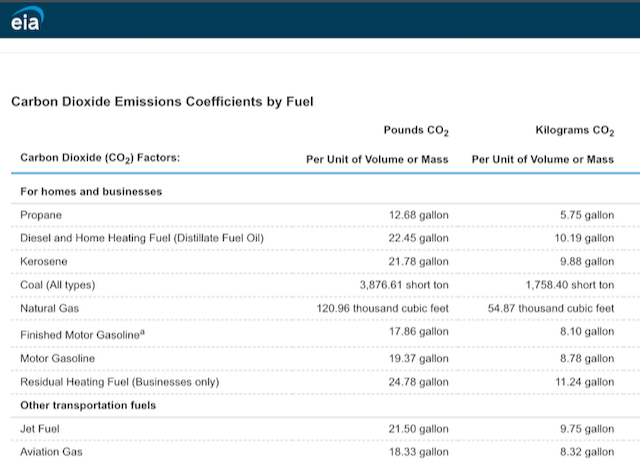
As shown on eia.gov, from an emissions perspective, diesel does put out more CO2 per gallon than motor gasoline does. That being said, when compared to energy output measured in heat, diesel is much more efficient as less heat is lost throughout the combustion process, which is potential for a more efficient system that takes advantage of the increased levels of heat.
Engine Durability and Lifespan
As diesel engines are typically run for long periods of time, they are built to be easily worked on and have proven durability for many long hours of run time and long distances with heavy load. As explained on Universal Technical Institute’s (UTI) website, the engine block has cylinder liners that are easily replaceable and make rebuilding these engines easier and ultimately allowing them to last longer.
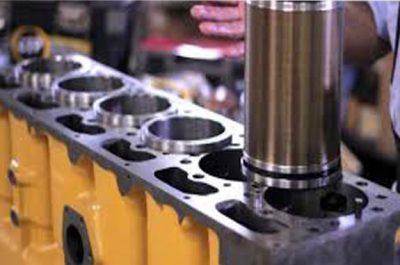
A gasoline engine is built with a lifespan of 100-150k miles before its efficiency is compromised. Cylinder heads will begin to show wear, seal and bearing failures are common, all resulting in a less efficient performance out of the engine itself.

In addition to the engines themselves being built differently, the diesel engine also operates at a much lower RPM. The amount of revolutions per minute is much lower on a diesel because they are designed to produce more torque than horsepower. Diesel has a lubricating property to it that gasoline does not have. Gasoline is much more explosive, resulting in high power numbers, high RPM, more wear on engine internals, more quickly. Diesel fuel lubricates internals as it combusts, resulting in a much lower RPM, but a more durable and reliable engine for a longer period of time.
Electric Vehicles
The topic of electric vehicles has trended recently and is seen as the future of transportation. With the amount of time and resources being dedicated to researching and developing EVs, I feel that there is a compromise between both energy sources that is more efficient and creates less emissions than each of them by themselves.
Currently EVs have many issues in the more extreme weather climates. An environment too cold will cause a loss of range and damage the batteries which can be expensive to replace. An environment too hot will not allow the vehicle to charge or operate. This is a problem because if they were to enforce that only electric vehicles were allowed to be on the road, certain days would not allow people to travel, nevertheless be productive in society.

The price point of EVs also makes them unattainable by the majority of people that use their cars for commuting to their jobs and need reliable transportation on a daily basis. Aside from compact sedans, the average EV costs between 50-70k new. Most people cannot afford to purchase these vehicles, nor afford to install a charger to keep it powered all the time.
Transportation Industry Compromise
When looking at the data of gasoline and diesel emissions and efficiency, diesel is the more efficient fuel source. Diesel is also the most reliable as far as build quality and longer lifespan. Electric vehicle technology is not where it needs to be in order for it to be the answer for all, so the fair compromise would be a hybrid of the two sources. Making a dependable, reliable diesel engine, mated with the latest EV technology to create a reliable, efficient, low-emission method of transportation. This segment of the vehicle industry is more popular in the United Kingdom and Australia, but has not taken off in the United States.
Where can I get a Diesel Hybrid?
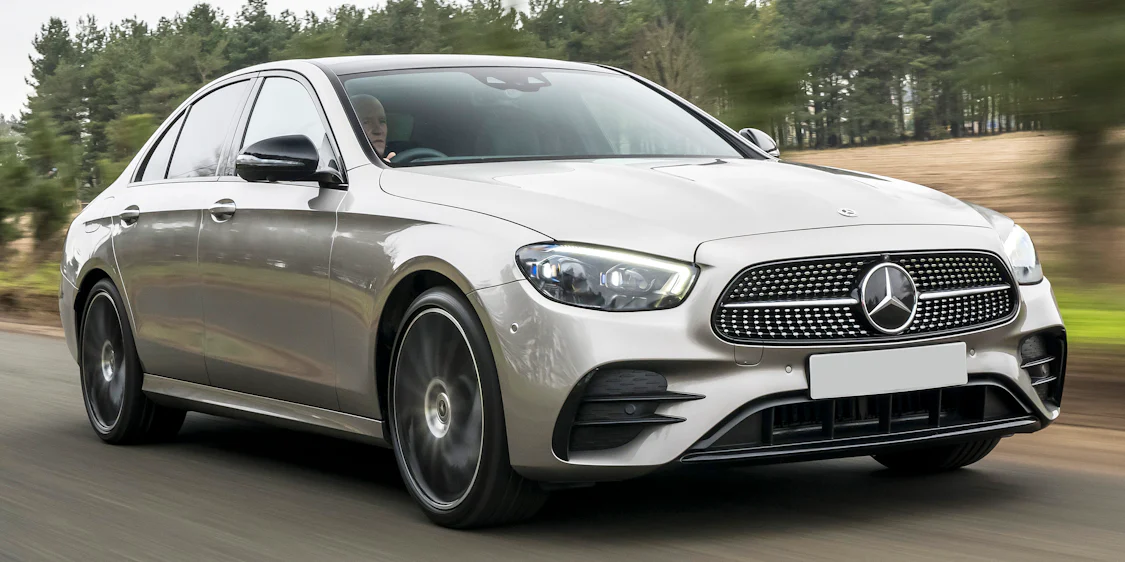
Many of the major automobile manufacturers make a diesel hybrid counterpart, unfortunately they are not sold in the United States at this time. Not to say they’re impossible to find or get in the US, they are not popular and it is unlikely that you will find one for sale in your area. Mercedes, Audi, Volkswagen, Peugot, Range Rover, and Volvo make the top rated manufactures of Diesel Hybrids in the UK, each with an emphasis on a different aspect of the vehicle to make it stand apart from the rest.


Are Diesel Hybrids the Answer?
To conclude, the implementation of diesel hybrids into the United States would be extremely beneficial for the transportation industry. Combining the EV technology for maximum efficiency around town with the long term durability and efficiency of the diesel engine is extremely beneficial and would create a generation of vehicles that can be easily serviced and maintained, and last for a long period of time. Less production would reduce industry emissions, leading to less demand for logistics in this industry which altogether would reduce all emissions. By changing the US emissions laws to allow these vehicles to be produced and used in the United States as Passenger vehicles would create a stronger more reliable method of transportation that is more environmentally friendly than its disposable gasoline counterpart.