The world is made up of 70% water, this is more than half the world. The ocean is a very important part of our fully functional planet. Without the ocean, we wouldn’t be able to survive. There are many pollutions and threats to the ocean today, most of which we don’t think of. The majority of us know about plastic pollution, hence we learned recycling is important growing up. Today we will talk about 4 deadly ocean threats that all contribute to this problem.
- Acidification
- Shark finning
- Mercury pollution
- Overfishing
- Solutions to the many threats: Reducing your carbon footprint
Acidification
What is acidification?
Ocean acidification is the process in which seawater becomes more acidic because of the excess carbon dioxide (CO2) that is absorbed from the atmosphere. The main way carbon dioxide is increased is by human actions such as burning oil, coal, gas and fossil fuels.
What is the Environmental Threat?
Acidification is closely related with the dying of coral reefs which is also another threat to the ocean. The reason this is harmful is because it effects the food chain of the ocean. If coral reefs die, certain sea creatures won’t have anything to eat which soon will soon have a negative spiral effect on the food chain. The more scientific way to say this is carbonate-based shells and skeletons are harder to build because of the high acid levels. This overall results in the decrease of fish.
Shark Finning
What is shark finning?
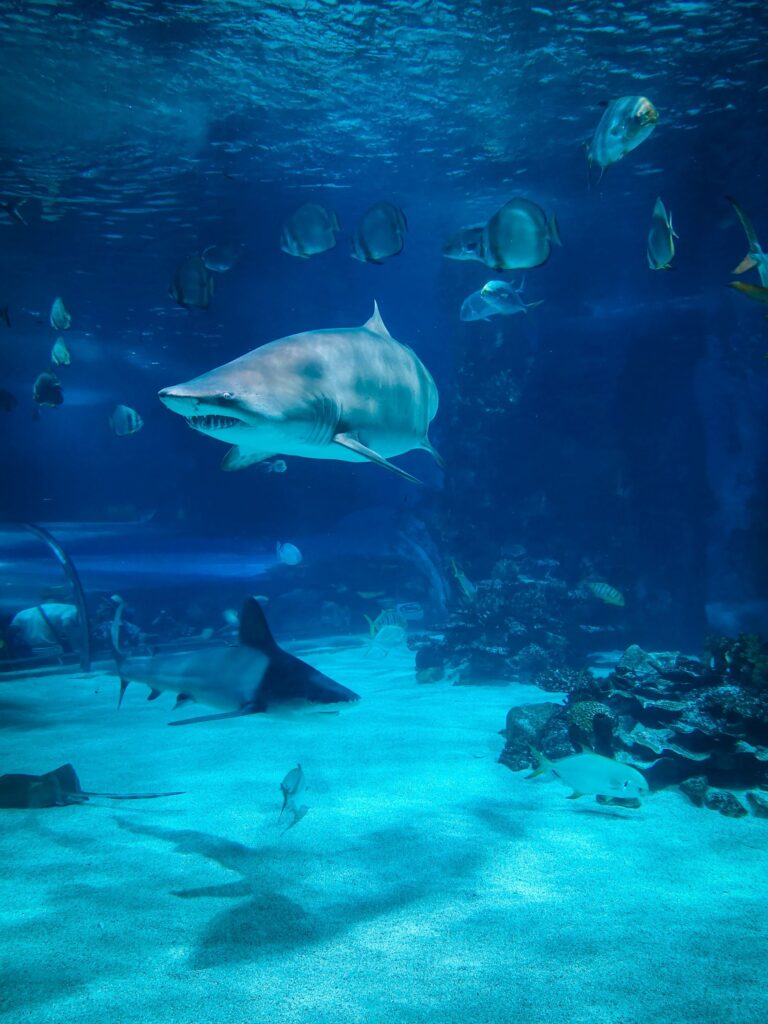
Shark finning is a practice which consists of people catching sharks, cutting their fins off when they are still alive, and throwing them back into the ocean. Of course, the sharks die slowly after. This practice started over 1,000 years ago in China and Hong Kong for a traditional dish call shark fin soup. The fibers of the fin are treated as a substitute as noodles but they do not taste like anything nor have any nutritional value. This makes no sense as to why use the shark fin if it does not have any nutritional value when you have to season the soup to taste good anyways.
What is the Environmental Threat?
This is a negative impact because sharks are at the top of the food chain. This means if their population decreases at an alarming rate, it will mess the rest of the chain up (i.e. a spiral effect). That’s the biggest reason why it’s a major threat because the sharks are worth more alive than dead.
Mercury Pollution
What is mercury pollution?
Mercury (HG) is an natural occurring metal in the earths crust that effects the air, which is then gets into the water. Mercury is naturally released into the air by weathering of rock or volcanic activity. This turns into air pollution as a result of man made activities such as mining, burning coal, metal production, etc. It doesn’t take long for this to get into our water, which is poisonous for any living creatures including fish, wildlife and humans.
What is the Environmental Threat?
This pollution effects the food chain, including what us human eat. Tiny organisms absorb mercury, then they get eaten by the next big organisms, and eventually the seafood we eat will contain mercury. The word health organization says “the inhalation of mercury vapor can produce harmful effects on the nervous, digestive and immune systems, lungs and kidneys, and may be fatal. The inorganic salts of mercury are corrosive to the skin, eyes and gastrointestinal tract, and may induce kidney toxicity if ingested.”
For a deeper dive: https://www.who.int/news-room/fact-sheets/detail/mercury-and-health#:~:text=The%20inhalation%20of%20mercury%20vapour,induce%20kidney%20toxicity%20if%20ingested.
Overfishing
What is overfishing?
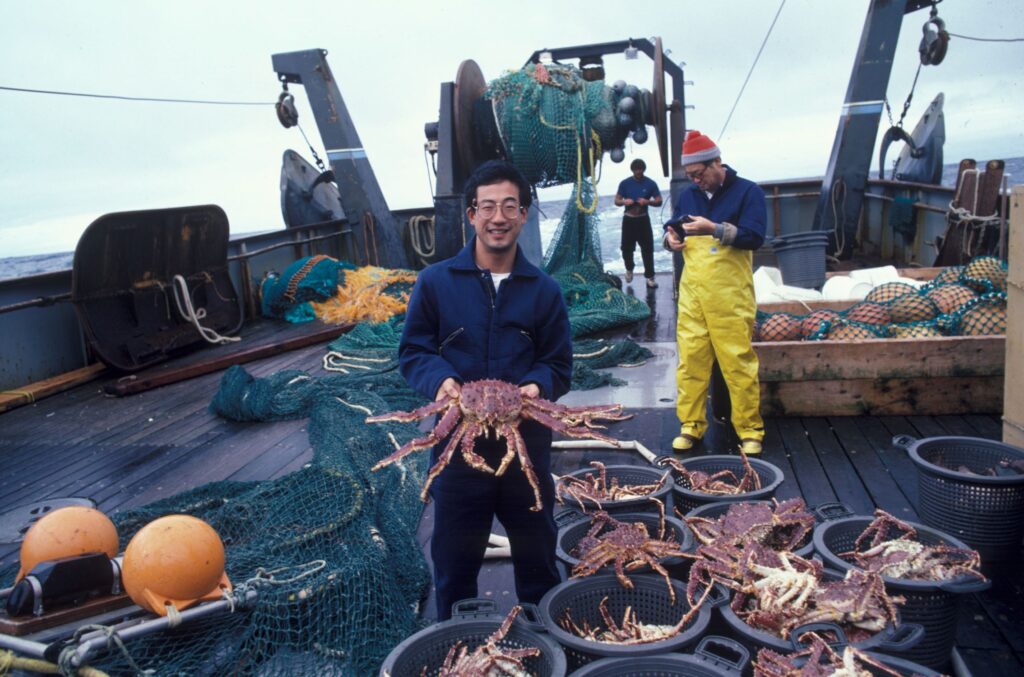
Overfishing is exactly what it sounds like, its catching too many fish at a time. Fishing is the main cause of decrease in fish population however, if you catch fish at a lesser rate that they can reproduce, which it isn’t harmful. This becomes a problem when you’re catching a massive amount of a fish species, that doesn’t have time to recover from the amount caught. So similar to certain animal species going extinct or being close to extinction, overfishing is the same concept in a different ecosystem.
What is the Environmental Threat?
Overfishing effects the ecosystems and economy negatively. Eventually, if fish population decreases too much, the food chain messes up, which again will cause a spiral effect. One big problem of overfishing is when the species being caught is a top predator (like a shark) devastates the rest of the ecosystem. Not only does overfishing have environmental impacts, it also has economic ones as well. The fish market is an $11.5 billion market in the United States, now imagine how much the world’s fish market is worth?
Solutions to These Threats: Reducing Your Carbon Footprint

Eat Less Meat
This doesn’t mean not to eat meat at all and become a vegetarian (which would be great for your own personal health). What this means is cutting back on some meat consumption. Like engaging in Meatless Mondays is a great way to start. How does eating meat connect with the environment? The two correlate because live stock farming, especially red meat (cows), take a lot of resources to maintain which produces 15% of greenhouse gasses in the atmosphere.
Conserve Water
This goes hand in hand with reducing energy usage, because the less energy you use the better. The process of filtering water takes a great amount of energy. There’s a double process of filtering the water, first filters the water enough to be put back into the ocean and the second time making that ocean water drinkable.
Reduce the Usage of Plastic
This helps many of the ocean threats in one, the reduction of plastic helps in every way. By finding ways to substitute/decrease the use of plastic (using reusable bags, paper straws, reusable water bottles and Tupper wear), we can help reduce the amount of plastic in the ocean.
Reduce “Fast Fashion”
Many of us love to have a wide selection of clothes or don’t like wearing an outfit more than once (not me haha). However, we should aim to buy more quality clothes to reduce the production of many cheaper options. This will reduce the power used to make these clothes and reduce the amount of landfill. Every year we throw away 2.12 billion tons of waste in the landfill. That ties into recycling and limiting the amount of stuff we put into landfills, which can take up to 1,000 year plus to decompose. With this being said, it’s best to also buy items that are biodegradable including clothing. There’s many brands and materials that are environmental friendly including organic cotton.