- Uncovering the therapeutic benefits of artistic expression
- Art therapy vs. self-care art for mental health
- Creative activities: an effective tool for improving mental health
- Exploring creative spaces: how to get involved in local art communities in New Jersey
- Conclusion
We all navigate periods of mental challenge. While lifestyle factors like diet and exercise are fundamental, artistic expression offers a complementary path to well-being. Research has demonstrated how art can help mental health and my personal experiences have proven the positive impact creativity can have on overall well-being.
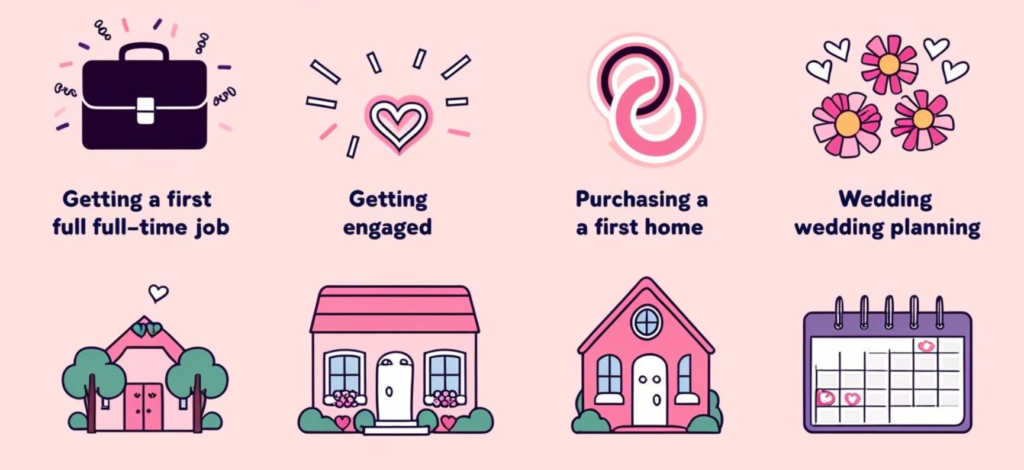
I truly believe that there will always be moments in times where our mental health fluctuates, as different challenges, opportunities, and life milestones come our way. Within this past year, I have experienced so many blessings in the form of life milestones: my first full-time job, getting engaged, purchasing my first home, and of course, planning my wedding. Imagine all this while pursuing a Master’s degree.
Along with all the excitement, come waves of feeling overwhelmed and stressed while experiencing so many critical chapters of my life for the first time and wanting things to be done perfectly.
My parents have instilled in me to find the silver linings in situations and one that I found while planning my wedding was sharing new and creative activities with my fiancé. Through this planning process, we have found ways to DIY, like creating our own wedding invitations and printing our own wedding envelopes.
We have recently started dance lessons in preparation for our first dance. In the midst of it all, doing these together have truly helped alleviate my stress, and surprisingly, have made the wedding planning and preparation so much fun. Our wedding invitation is something we are so proud of, being able to incorporate the many details of our life into our invitation was so exciting to share with our friends and family. And we have truly enjoyed our dance classes to the extent where we are considering continuing these after our wedding.
Though this is my own experience, it is what has inspired me to learn more and write about how art can help mental health, and at least help with what feels unmanageable, slightly more manageable.
Uncovering the therapeutic benefits of artistic expression
The act of creation, be it sketching, singing, dancing or crafting, fosters a sense of well-being. This is supported by research published in the journal, Frontiers in Behavioral Neuroscience, indicating that artistic activities activate brain regions associated with pleasure and emotional regulation. For example, the American Congress of Rehabilitation Medicine shared that studies have shown that engaging in visual art can increase blood flow to the brain’s reward center, leading to a release of endorphins and a reduction in stress hormones. This physiological response contributes to the immediate sense of calm and satisfaction experienced during creative pursuits, demonstrating how art can help mental health.
Furthermore, art provides a non-verbal outlet for emotional processing. Based on an article published in Cureus, the process of externalizing emotions through art, whether it’s through painting a feeling, writing a poem about a memory, or sculpting an abstract representation of inner turmoil, allows individuals to process and understand their feelings in a tangible way.
This act of making the intangible tangible enhances self-understanding and facilitates introspection, leading to greater emotional clarity and resilience.The process of creating allows people to tap into how art can help mental health by providing them with tools to process deep emotions and experiences in healthy ways.
Art therapy vs. self-care art for mental health

It’s crucial to distinguish between formal art therapy and personal art-based self-care. Art therapy, conducted by trained professionals, utilizes art as a therapeutic modality within a clinical setting. Therapists guide individuals through creative processes, helping them explore and address specific mental health concerns. In contrast, self-care art involves independent creative engagement for personal benefit, outside of a structured therapeutic environment. Whether you entertain art therapy or prefer to start with self-care art, either pursuit can show you how art can help mental health.
While self-guided art practices offer numerous mental health benefits, there are situations where professional art therapy is recommended. If you’re experiencing severe or persistent mental health challenges, such as clinical depression, anxiety disorders, PTSD, or trauma-related issues, seeking the guidance of a registered art therapist is crucial. Art therapists are trained to use creative processes to address specific mental health needs, providing a structured and supportive environment for healing.
However, it is important to understand that research showed that 75% of the participants were able to show a reduction in cortisol levels, the body’s primary stress hormone, after simply creating art. This highlights that even simple, personal art-based self-care practices can significantly contribute to stress reduction and overall demonstrating how art can help mental health. The accessibility of self-care art makes it a valuable tool for daily mental health maintenance.
Creative activities: an effective tool for improving mental health
In an article published by the American Psychiatric Association, they shared a list of various art forms that support how art can help mental health:
- Drawing
- Theater
- Pottery
- Writing
- Music
- Crafts
- Dance

Research published in the Frontiers in Behavioral Neuroscience journal, has reviewed the neural mechanisms behind the therapeutic effects of creative arts on mental and physical health. This research supports the idea that creative activities and emotional regulation share common neuronal mechanisms, suggesting the extent of how art can help mental health by directly influencing brain regions involved in emotional processing. Engaging in these creative activities helps individuals manage stress, process complex emotions, and boost their mental well-being.
Exploring creative spaces: how to get involved in local art communities in New Jersey
Participating in art communities can enhance the benefits of creative engagement. Social connection and shared creative experiences can mitigate feelings of isolation. New Jersey offers a rich tapestry of artistic opportunities.
Here are some resources and places to explore:
Local art centers and museums:
- Newark Museum of Art (Newark): Offers workshops, classes, and community events, providing opportunities to connect with fellow art enthusiasts.
- Montclair Art Museum (Montclair): Provides classes, workshops, and community programs for various age groups and skill levels, fostering a sense of community through art.
- Local community centers and libraries often have art classes as well.
Community art spaces and studios:
- Many towns in NJ have local art centers or studios that offer classes and open studio time, providing spaces for creative collaboration.
- Colour and Whim Studio (Hawthorne): A local studio that allows for art displays and offers art classes and summer camps
Online communities and meetups:
- Social Media platforms, such as Instagram and Facebook, can be a great way to find local groups using hashtags such as #njart, #newjerseyartist, and #njcrafts.
By engaging with these local resources, individuals can connect with like-minded individuals, share their creative passions, and build supportive networks. Group art activities, such as workshops or collaborative projects, provide opportunities for social support and shared expression, enhancing the overall benefits of creative engagement. In these settings, people can truly experience how art can help mental health by being part of a community that nurtures their creativity and emotional well-being.
Conclusion
Creative expression empowers individuals to cultivate mental well-being. Art serves as a vehicle for self-expression, emotional processing, and joy, which ultimately demonstrates how art can help mental health. While professional art therapy offers structured support, personal art-based self-care provides accessible and adaptable tools for daily well-being. By embracing creativity, individuals can enhance their mental health, foster a greater sense of well-being, and discover new avenues for personal growth and emotional resilience.