
In an age saturated with information, knowing how to read critically is not merely an academic skill but a vital tool for navigating daily life. Critical reading transcends passive consumption; it is an active, investigative process that empowers individuals to discern truth, identify bias, and construct a nuanced understanding of the world around them. This guide, informed by insights from an English undergraduate and a professional in a library’s local history department, delves into the art of critical reading, emphasizing that its essence lies not in cynicism, but in thoroughness and a profound understanding of context. For those looking to improve your writing skills, which often go hand-in-hand with critical thinking, you might find this article helpful.
Why Critical Reading Matters More Than Ever
In today’s rapidly evolving information landscape, the sheer volume of content can be overwhelming. From social media feeds to academic journals, news articles to historical archives, we are constantly bombarded with narratives and data. Without the ability to read critically, individuals risk becoming passive recipients of information, susceptible to misinformation, propaganda, and bias. Critical reading equips us with the discernment needed to evaluate sources, question assumptions, and form independent judgments. It fosters intellectual autonomy, allowing us to engage with complex issues thoughtfully and contribute meaningfully to discussions, rather than simply accepting information at face value. This skill is paramount for informed decision-making, personal growth, and active participation in a democratic society. Understanding that higher education is beneficial for developing these analytical muscles can provide a strong foundation for your journey.
Reading vs. Critical Reading: A Fundamental Distinction
To truly grasp the essence of critical reading, it’s helpful to understand how it differs from passive reading. While both involve engaging with text, their objectives and processes are fundamentally distinct:
| Feature | Passive Reading | Critical Reading |
|---|---|---|
| Purpose | To get a basic grasp of the text; absorb information. | To analyze, interpret, and evaluate the text; form judgments about how it works. |
| Activity | Absorbing/Understanding | Analyzing/Interpreting/Evaluating |
| Focus | What the text says. | What the text does and means; questioning assumptions and context. |
| Questions | What is the text saying? What information can I get out of it? | How does the text work? How is it argued? What are the underlying assumptions? What kinds of reasoning and evidence are used? |
| Direction | With the text (taking for granted it is right). | Against the text (questioning its assumptions and argument, interpreting meaning in context). |
| Response | Restatement, Summary | Description, Interpretation, Evaluation |
This table highlights that critical reading is an active, interrogative process, moving beyond surface-level comprehension to a deeper engagement with the material and its implications.
Table of Contents
- Why Critical Reading Matters More Than Ever
- Reading vs. Critical Reading: A Fundamental Distinction
- The 3-Step Framework for Critical Reading
- Navigating Different Media: Fiction, News, and Beyond
- Critical Reading in the Age of AI & Social Media
- Critical Reading Checklist
- Frequently Asked Questions about How to Read Critically
The 3-Step Framework for Critical Reading
Drawing from years of academic study and practical experience in a local history department, I’ve developed a straightforward, three-step framework to guide anyone on how to read critically. This approach helps to systematically dismantle texts, identify underlying assumptions, and build a robust understanding.
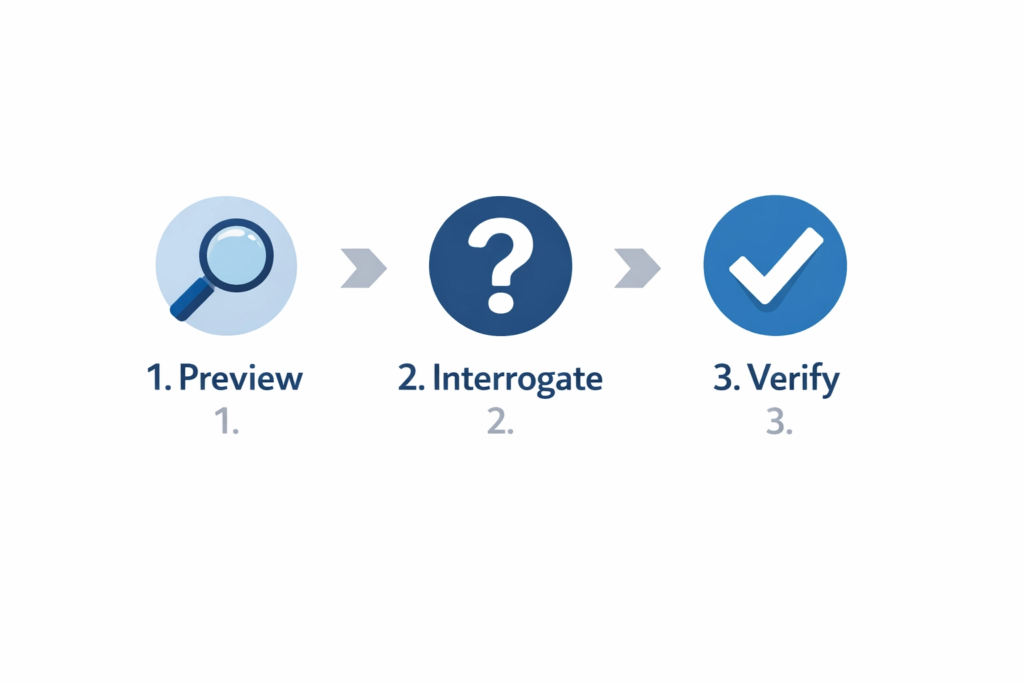
Step 1: Preview and Contextualize
Before diving deep, take a moment to understand the landscape of the text. This involves more than just skimming; it’s about setting the stage for your critical engagement. My work in a local history department has profoundly shaped this step, particularly when it comes to historical documents. I’ve learned that it is crucial to analyze these documents within the context in which they were written. For instance, articles discussing marginalized groups from past eras might use outdated language or ideas due to the prevailing societal norms and biases of the time period. Therefore, the reporting of marginalized groups might not be fully accurate, even when looking at seemingly authoritative historical documents, due to inherent biases. This experience underscores a fundamental principle of critical reading: understanding the historical, social, and cultural backdrop against which a text is produced is crucial for accurate interpretation and for recognizing the limitations and biases embedded within the source itself.
- Consider the Source: Who is the author? What are their credentials? What organization or publication is presenting this information? (e.g., university, newspaper, personal blog).
- Understand the Purpose: Why was this text created? Is it to inform, persuade, entertain, or provoke?
- Scan for Structure: Look at headings, subheadings, introduction, and conclusion. What is the main argument or thesis?
Step 2: Interrogate and Analyze
Once you have a preliminary understanding, it’s time to actively engage with the text, questioning its assertions and examining its construction. This is where you move beyond simply absorbing information to actively processing it.
- Identify the Main Argument and Supporting Evidence: What is the central claim? What evidence (facts, statistics, anecdotes, expert opinions) is used to support it? Is the evidence sufficient and relevant?
- Uncover Assumptions and Biases: Every author brings a perspective. What underlying beliefs or assumptions does the author hold? Are there any explicit or implicit biases that might influence the presentation of information? (As in the example of historical documents using outdated language for marginalized groups).
- Evaluate Logic and Reasoning: Does the argument flow logically? Are there any fallacies in reasoning? Does the author present a balanced view, or is it one-sided?
- Spot the Green Flags of Credibility: Critical reading is not solely about identifying flaws; it is equally about recognizing indicators of reliability and trustworthiness. When evaluating a new text, a significant “green flag” I look for is the author’s transparency through comprehensive citations. Whether I’m examining a historical document at the library or a contemporary news article, a well-sourced piece invites scrutiny and allows readers to verify information independently. This practice is not merely a formality; it’s an invitation to engage more deeply with the material and to trace the lineage of ideas. Credible sources often originate from established institutions such as universities, reputable newspapers, or recognized subject-matter experts, whose work is typically peer-reviewed or held to high journalistic standards. Finding a mentor who excels in these areas can be invaluable; you can learn more about why mentorship is important for your professional and intellectual development.
Step 3: Verify and Cross-Reference
No single source should be taken as the absolute truth. The final, and perhaps most crucial, step in critical reading is to verify the information and cross-reference it with other credible sources. This is your ultimate defense against misinformation.
- Seek Multiple Perspectives: Actively look for other sources that discuss the same topic. Do they corroborate the information, offer different interpretations, or present contradictory evidence?
- Check for Consistency: Are the facts and figures consistent across different reputable sources?
- Consult Authoritative Sources: Prioritize information from established academic institutions, well-regarded journalistic outlets, and recognized experts in the field.
Navigating Different Media: Fiction, News, and Beyond
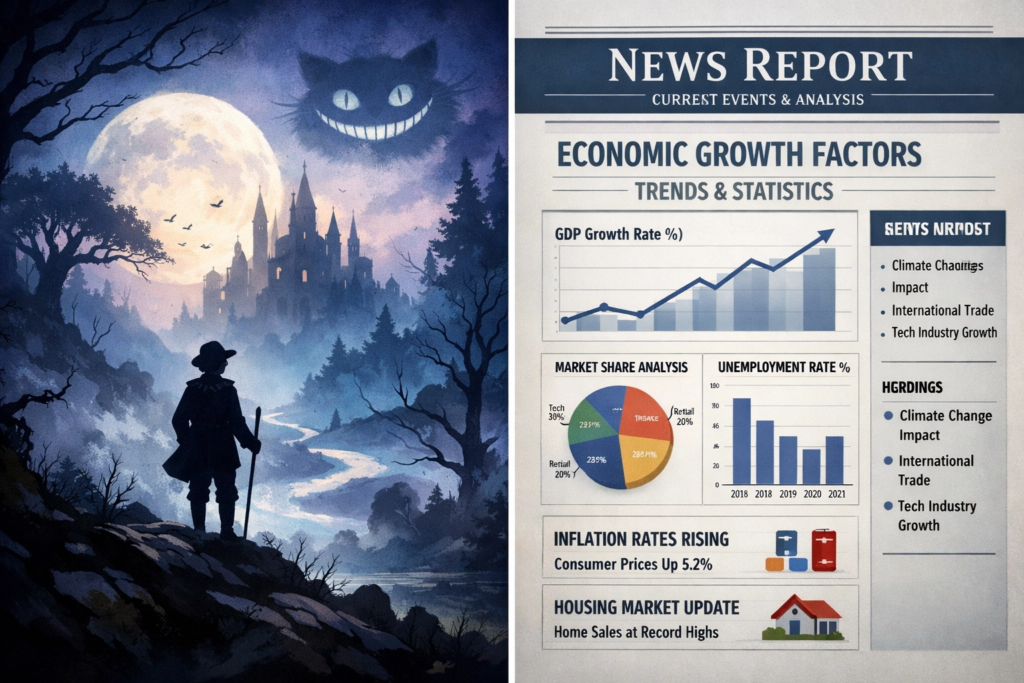
The principles of how to read critically extend across various forms of media, each requiring a slightly different lens. When approaching fiction, critical reading involves analyzing themes, character development, narrative structure, and the author’s intent. It’s about understanding the world the author creates and the messages they convey, often implicitly. For example, in classic literature, understanding the historical period in which a novel was written can unlock deeper meanings about societal norms or political commentary embedded within the story.
When consuming news and other nonfiction, critical reading shifts towards evaluating factual accuracy, identifying potential biases, and understanding the source’s agenda. This is where my experience in a local history department becomes particularly relevant. I constantly assess primary and secondary sources, looking for consistency, corroboration, and any signs of omission or selective presentation of facts. For instance, an old newspaper article might report an event from a particular community’s perspective, requiring me to seek out other contemporary accounts to form a more complete picture. The same applies to modern news: always consider the publication’s editorial stance and compare reports from multiple outlets.
Critical Reading in the Age of AI & Social Media

The advent of artificial intelligence and the pervasive nature of social media have introduced new complexities to how to read critically. AI-generated content, while often sophisticated, can inadvertently (or intentionally) perpetuate biases present in its training data. Social media, with its rapid dissemination of information and algorithmic bubbles, demands an even higher degree of scrutiny. When encountering information from these sources, it’s crucial to:
- Question the Source’s Origin: Was this content created by a human or an AI? If AI, what data was it trained on, and what biases might that introduce?
- Verify Information Independently: AI can hallucinate or present plausible-sounding but false information. Always cross-reference with human-authored, credible sources.
- Be Aware of Algorithmic Bias: Social media algorithms often show you content that aligns with your past interactions, reinforcing existing beliefs. Actively seek out diverse viewpoints to break free from these digital bubbles.
- Look for Transparency: Reputable AI tools and social media platforms are increasingly offering transparency features. Utilize these to understand the provenance and potential biases of the content you consume.
Critical Reading Checklist
To make critical reading a consistent habit, here’s a quick checklist you can apply to almost any text:
- Before You Read (Preview & Contextualize):
- Who is the author, and what are their credentials?
- What is the purpose of this text (inform, persuade, entertain)?
- What do the headings, introduction, and conclusion tell me about the main argument?
- What is the historical, social, or cultural context of this text?
- While You Read (Interrogate & Analyze):
- What is the central claim, and what evidence supports it?
- Are there any unstated assumptions or biases?
- Does the argument flow logically, or are there fallacies?
- Are sources cited transparently and comprehensively?
- After You Read (Verify & Cross-Reference):
- What do other credible sources say about this topic?
- Are the facts consistent across different reputable sources?
- Have I considered diverse perspectives, even those that challenge my own?
- What are the limitations or potential biases of this particular source?
Frequently Asked Questions about How to Read Critically
Q1: What is the difference between reading and reading critically?
Reading is the process of understanding written words. Reading critically, however, involves actively analyzing, interpreting, and evaluating the text. It means questioning the author’s assumptions, identifying biases, and considering the context and implications of the information presented.
Q2: Why is critical reading important in today’s digital age?
In an era of rampant misinformation and information overload, critical reading is essential for distinguishing credible sources from unreliable ones. It empowers you to make informed decisions, avoid manipulation, and engage in thoughtful, productive discourse.
Q3: How do I start reading critically if I’ve never done it before?
Start with Step 1 of our framework: Preview and Contextualize. Before you read an article, check the author’s background and the publication’s reputation. As you read, try to identify one main argument and one piece of evidence supporting it.
Q4: Is critical reading the same as being cynical or negative?
Not at all. Critical reading is about thoroughness and evaluation, not automatic dismissal. It’s about understanding a text deeply enough to know why you should—or shouldn’t—trust its conclusions.
Q5: How can I identify bias in a text?
Look for loaded language, one-sided arguments, and what information might be missing. Consider the author’s perspective and whether they have a particular agenda or conflict of interest.
Q6: How should I approach critical reading for AI-generated or social media content?
Treat these sources with extra caution. Verify any factual claims with established, human-authored sources and be mindful of how algorithms might be tailoring information to your existing preferences.