- How Does the Meat Industry Impact the Environment?
- How We Can Help Ease These Dangerous Impacts of Meat on The Environment
There have been many discussions on which issues currently affect the environment the most. While there are many correct responses to this debate, the meat industry is not typically one of the top-discussed issues. The impacts of meat on the environment are seen in not just one, but multiple major ways. It’s important to be aware of the issues the meat production process raises, but it’s also important to know how to help combat these effects.
This article is not meant to turn anyone vegetarian or vegan, but to learn about the negative impacts of the meat industry on the environment and look at some ways that everyone can help reduce the impacts of this industry in easy and “low-sacrifice” ways.
How Does the Meat Industry Impact the Environment?
Increased Methane Emissions
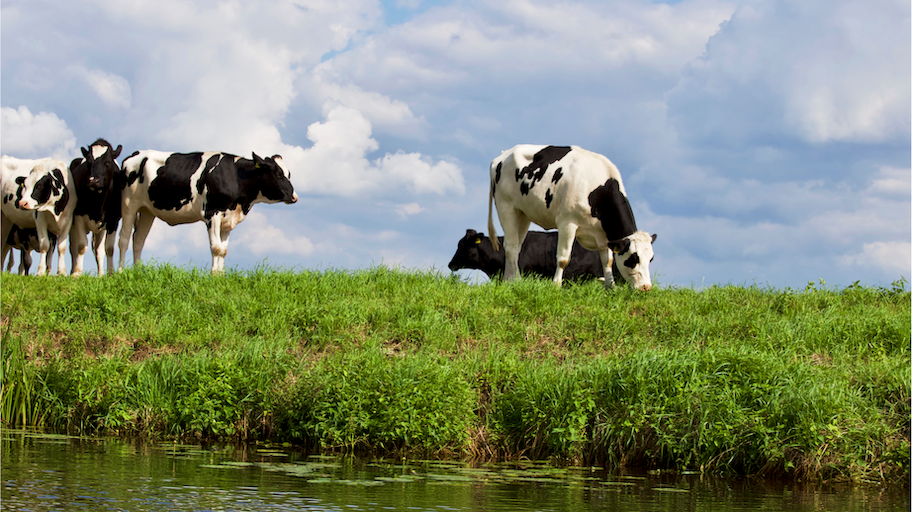
The first, and possibly, the most well-known impact is the large levels of methane gas emitted in the meat production process. Animals used in meat production produce methane gas that affects the atmosphere. Right from the time these animals are born, they start to contribute to methane gas emissions. While it may seem like animals wouldn’t produce that many emissions, when you combine the millions of animals involved in the meat industry, it adds up quickly. There is research that shows that about 18% of all greenhouse gases are due to animal agriculture. This is a significant percentage considering this is just one industry responsible for all of this pollution.
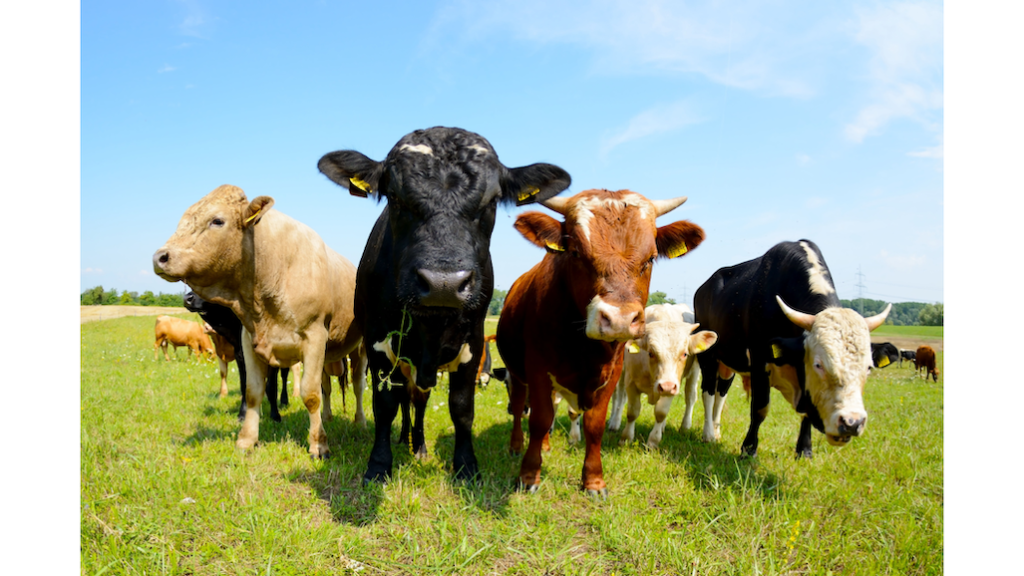
Methane is a worse gas than CO2 and ultimately has a more significant impact on the environment. Like other greenhouse gases, high levels of methane can deteriorate the atmosphere and lead to climate crises.
Large Water Usage
The next major, negative impact that the meat industry has on the environment is the high volumes of water needed throughout the whole meat production process. Water is needed in every aspect of production from being a drinking source for the animals to cleaning out the farm infrastructure, to actually processing the meat to sell. Each step of the process involves water which creates a serious need for the resource in this industry,
While other food production processes require water as well, few of them compare to the water used in producing meat. This is mainly because of the fact that animals require water to drink and clean their living areas. In comparison, plants are able to grow with water they receive from rain which means humans don’t have to manually provide water to those plants that could be used elsewhere.
Similar to methane emissions, animal agriculture is responsible for a large percentage of water consumption, 80-90% in total. This is significant water usage that has the potential to seriously harm the planet the more it goes on. There are already droughts across many areas of the world and this intense water consumption for the meat industry doesn’t help.

The graph above is an overview of different food and how many gallons of water are necessary to produce one pound of that specific food. Vegetables, fruit, milk, and rice all have relatively low water usage. All of the meats on the graph are on the higher end of water usage. Chicken requires 518 gallons of water in order to produce just one pound, while pork and beef are 718 and 1,847 gallons, respectively.
Beef requires over 47 times the amount of water most vegetables need in order to produce a pound of food. This staggering number shows just how much water goes into meat production.
As time goes on and global warming becomes a more serious issue, water is becoming a scarcer resource. Droughts are occurring across the world leading to people being left without clean water at times. By reducing meat production and consumption, we can use the water that would normally be used in this industry, elsewhere.
How We Can Help Ease These Dangerous Impacts of Meat on The Environment
Even though the meat industry has led to an increase in harmful effects on the environment, there are practices that anyone can adopt to help the situation. As mentioned earlier, this is not an article meant to persuade anyone to rid their diet of meat completely. There are plenty of ways that people can help in the effort to save the planet in regard to meat production and consumption.
Reduce the Amount of Meat Consumed
While nobody has to reduce all meat consumption, lowering the amount of meat each person chooses to eat can help. An easy way to ease into this concept is to start with one day per week that will be meat-free. A common practice that more and more people are starting now is “Meatless Mondays.” This concept is based on the idea of consuming no meat on Monday and then having normal consumption the rest of the days of the week. This is a simple plan that is viable for most people that involves little sacrifice yet can make a big impact. Imagine if each person on the planet took one day each week to not involve meat in their meals.
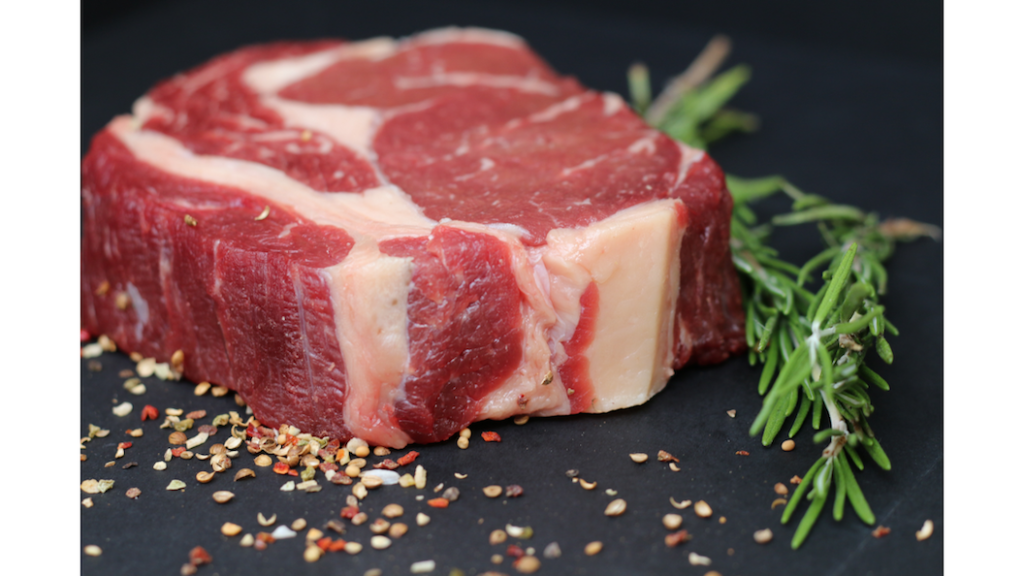
One day without meat is a possible solution for many people looking to help, but it’s not the only solution. If a single meatless day each week seems easy, adding another day could be even more beneficial. While not necessary, some people may find that there isn’t a big difference between one day and two or more days and may feel better about their plans.
No matter, if it is one day or multiple days, reducing meat consumption at all, can help lead to a reduction in the influence of the meat industry and the dangerous environmental impacts that can come along with it.
Buy Meat from Local Farms
Not only does the production process of meat result in high levels of methane gas being released but there are other greenhouse gas emissions as well. These come from the transportation required in the production process. The meat needs to be transported from farms to factories in order to go through a processing stage. To get the meat from one point to the other, there is the need for trucks and these trucks are what produce a high volume of harmful gasses.
Buying meat from local farms can help ease this problem because there is less transport necessary. If a local farmer is responsible for the production of meat, then there is less distance traveled from the start of the process to the final sale.

If giving up meat is not of interest to someone or they find it hard to give meat up, this solution can work for them. Buying from local farms is easy and can still be helpful in reducing certain impacts of meat on the environment that may be unknown to many. While this may not have as big of an impact, it is still better than where the industry stands right now.
It is important that we acknowledge the problems that meat production and its associated industry are having on the environment and continue to learn more going into the future. There are multiple harmful environmental effects that come with meat, but there are also an equal amount of ways that we can work together to combat these problems in hopes of having a prosperous and healthy environment going forward.